Why ballast roof mount solar is the smart
choice for flat roofs in Italy
For many PV professionals in Italy, flat roofs are full of
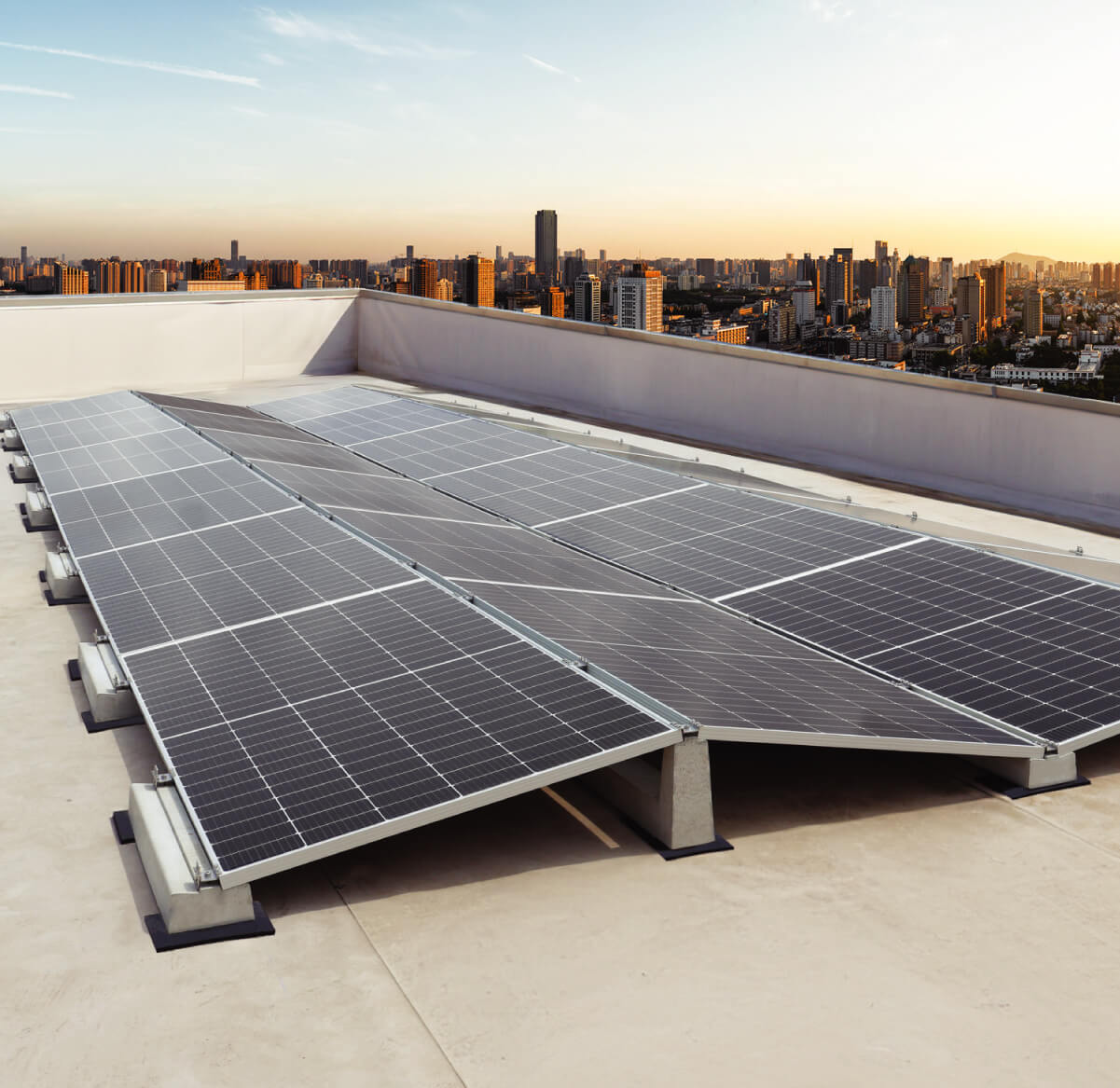
opportunity—and full of risks. A ballast roof mount solar system helps you capture that
opportunity without turning every job into a roofing headache. Instead of drilling through the
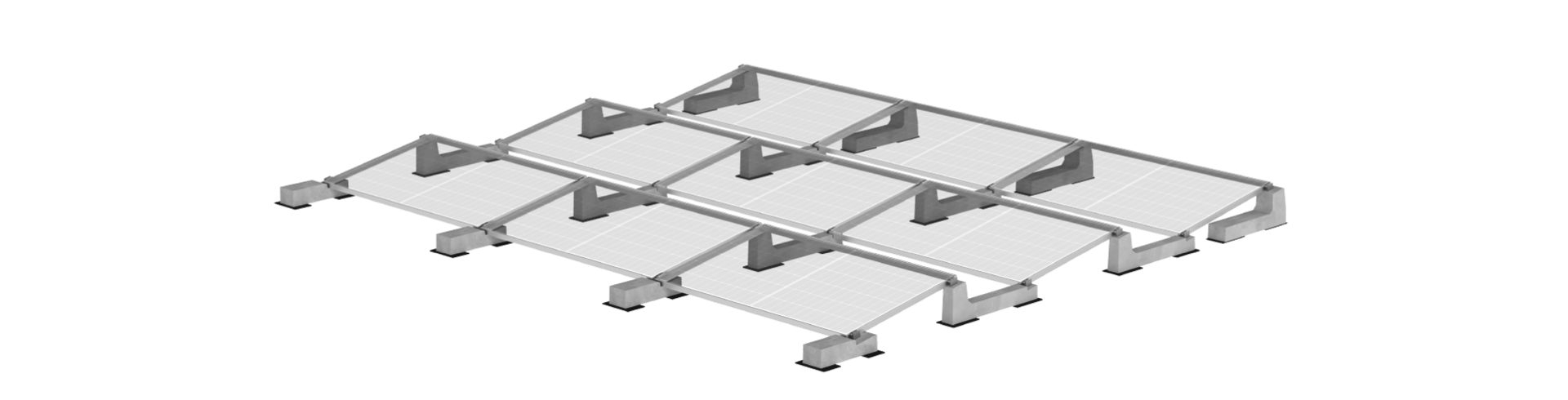
waterproof membrane, panels are secured with weighted supports that sit on the roof surface.
That means fewer leak concerns, fewer roofing constraints, and a cleaner handover to the client.
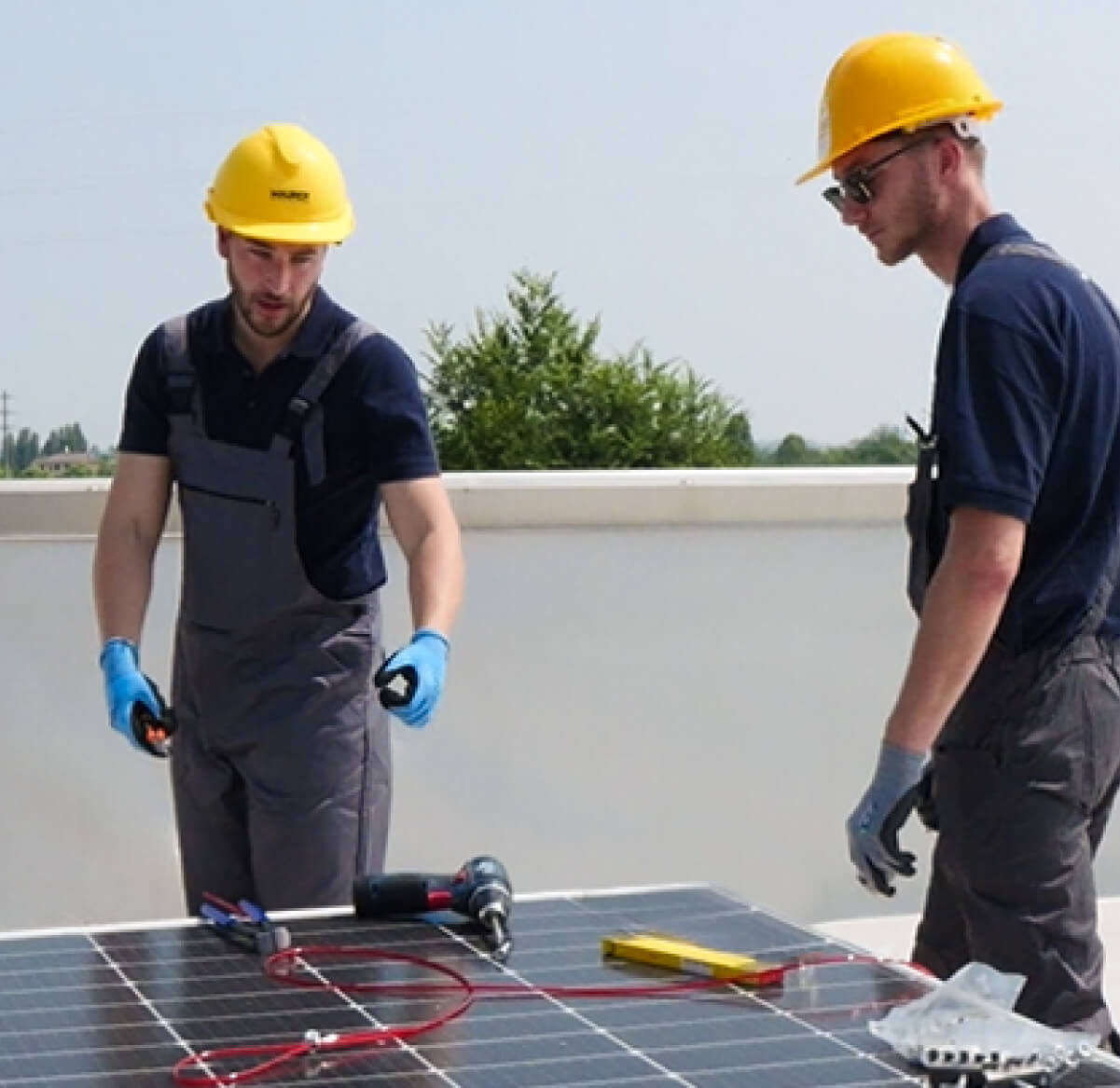
Installers appreciate the practical advantages: fewer components to handle, intuitive assembly,
and quicker on-site workflows that keep crews productive. Designers and engineers benefit too,
because modern ballast solutions are developed with verified load data and clear configuration
options, making it easier to address wind uplift, roof load limits, and layout constraints.
Distributors like the category because it’s straightforward to explain, easy to stock, and in
steady demand as industrial buildings, logistics hubs, and commercial properties accelerate
solar adoption. The real win is consistency: a well-designed ballasted PV mounting approach
supports repeatable installations across multiple rooftops—helping you deliver reliable results
while reducing avoidable complications. If your goal is to build faster, safer, and more
predictable flat-roof projects, ballast roof mount solar is one of the most effective
foundations you can choose.
Faster installs, fewer surprises: what
installers and engineers need
Speed matters on every site, but speed without control creates
problems. A ballast roof mount solar setup is designed to simplify the critical steps that
usually slow teams down: roof penetrations, complex substructures, and time-consuming alignment.
With a ballasted solution, the mounting concept is straightforward—place supports, position
modules, and complete connections with minimal specialized tools. That translates into shorter
installation times and fewer “surprises” when conditions on the roof differ from the drawings.
From an engineering standpoint, the key is confident sizing: wind exposure, parapet effects, row
spacing, and roof-bearing capacity must be considered. The best systems come with technical
support during design, helping professionals choose tilt angles, optimize orientation, and
confirm load distributions. This reduces project risk and supports documentation needs for
permitting and compliance. For procurement and distribution, standardized components and clear
bill-of-materials logic help prevent ordering errors and reduce returns. In short, ballast roof
mount solar isn’t just a product choice—it’s a workflow upgrade that can make flat-roof PV
projects in Italy more repeatable and profitable.
A complete flat-roof PV solution: design
support through execution
Successful flat-roof solar isn’t only about the mounting
hardware—it’s about everything that happens before the first component reaches the rooftop. A
high-quality ballast roof mount solar approach should come with real project backing: layout
assistance, system sizing, and practical guidance that installers can trust when deadlines
tighten. That support is especially valuable when you’re balancing competing constraints, such
as maximizing kWp, keeping rows accessible for maintenance, and staying within roof load limits.
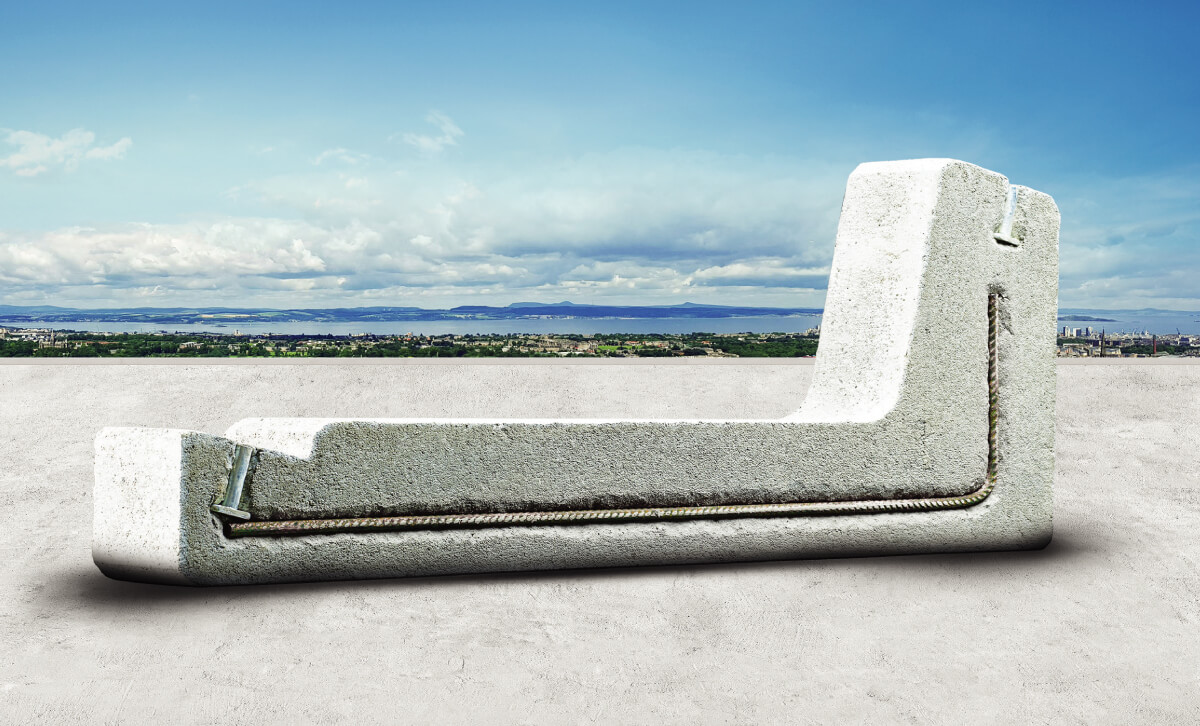
Concrete ballast supports are popular because they enable a no-penetration installation strategy
while offering solid durability and predictable behavior over time. When combined with proven
configurations and tested solutions, they help reduce uncertainty on wind loading and
installation sequencing. For professionals serving industrial buildings and commercial
properties across Italy, the ability to move from preliminary design to execution smoothly is a
competitive advantage. If you want a flat-roof PV project that feels simpler from day one—fewer
components, fewer roof risks, and faster installation—choosing a ballast roof mount solar
solution built around technical partnership can make the difference.