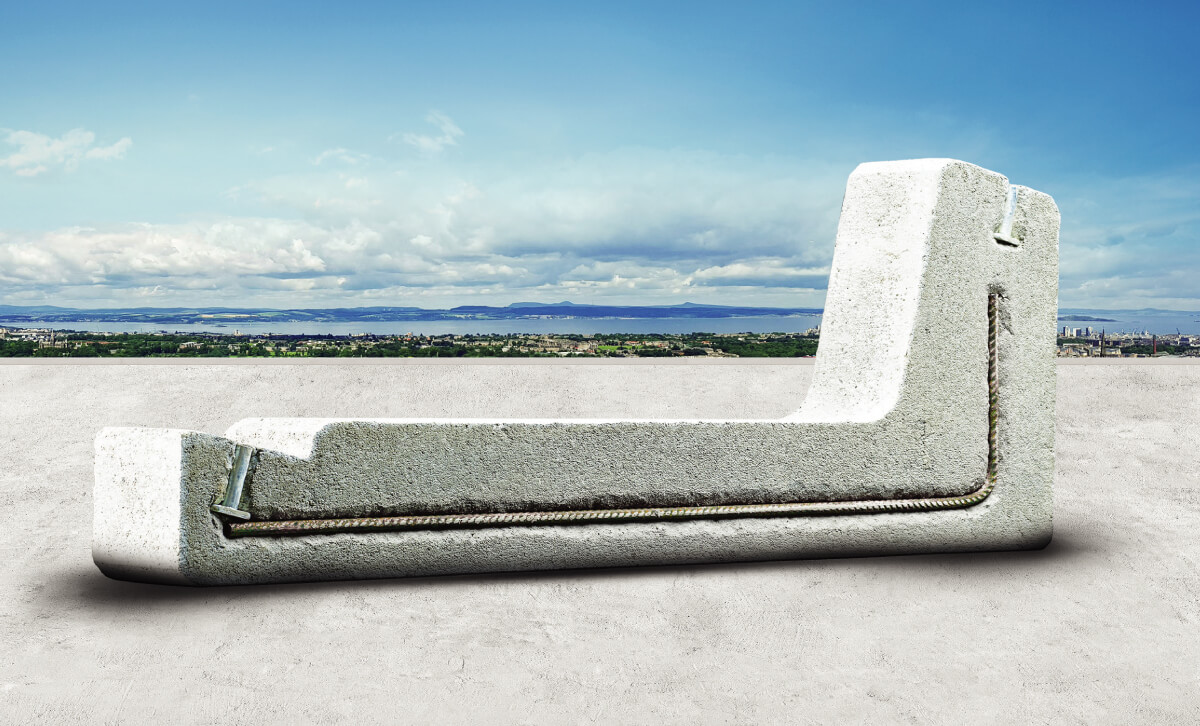
A Smarter Way to Build Flat-Roof PV in Italy
In Italy, flat-roof solar is growing fast—but the real challenge
often starts after the sale: designing a system that installs quickly, stays secure in high
winds, and doesn’t compromise the roof. That’s exactly where a ballast solar mount becomes a
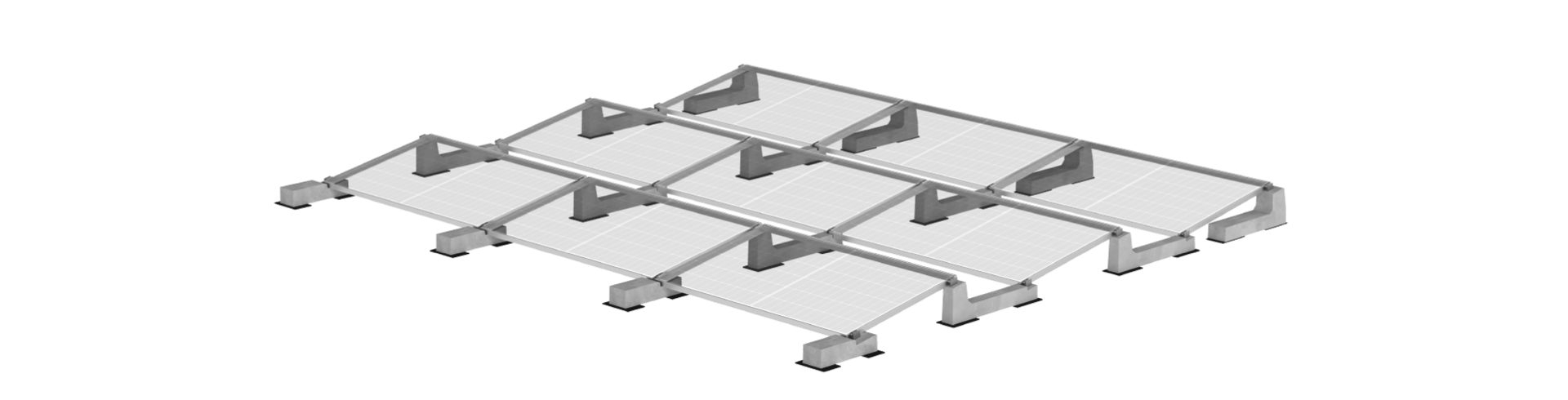
practical advantage for installers and designers. By using pre-engineered concrete ballast
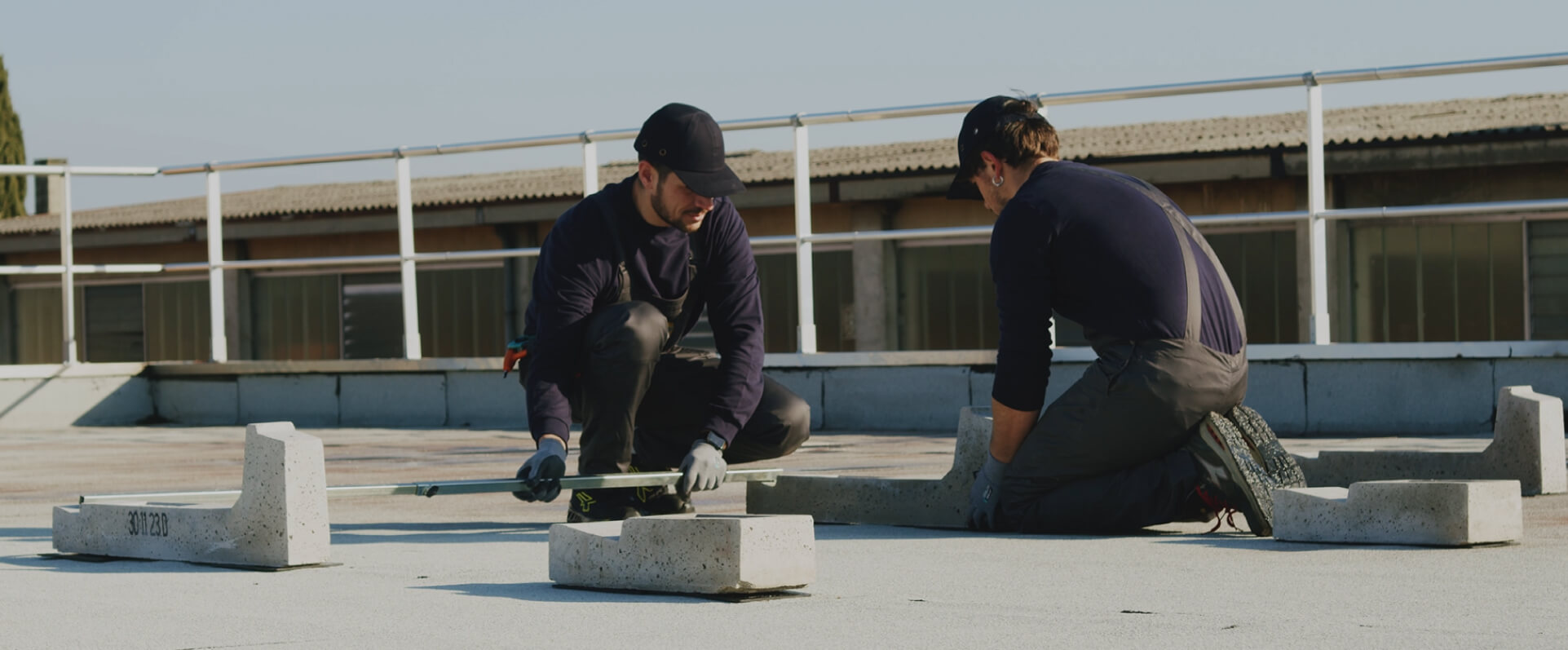
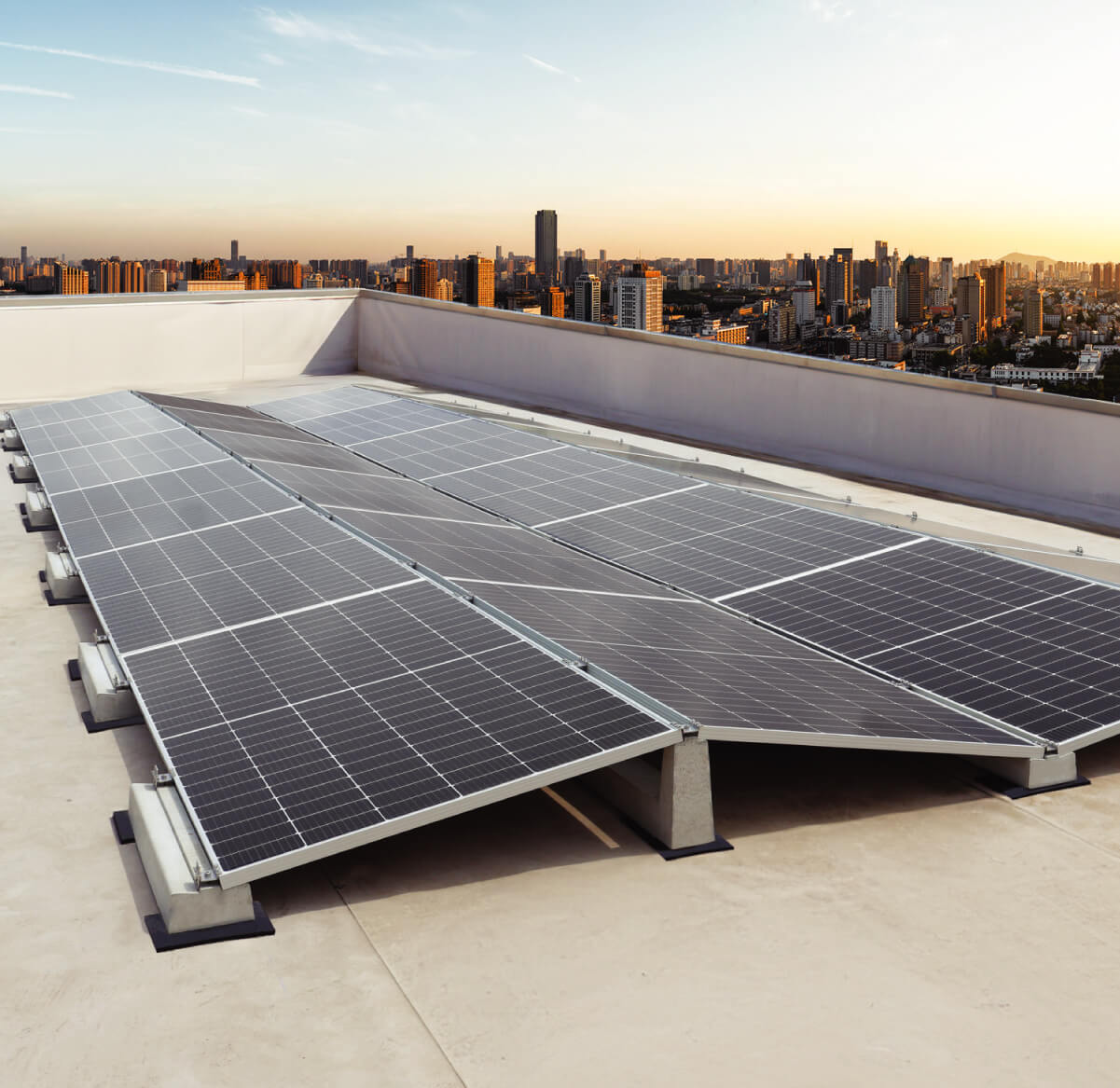
blocks instead of roof penetrations, you can place PV modules without drilling through
waterproof membranes. The result is fewer risks of leaks, fewer components to manage on site,
and a cleaner workflow from delivery to commissioning.
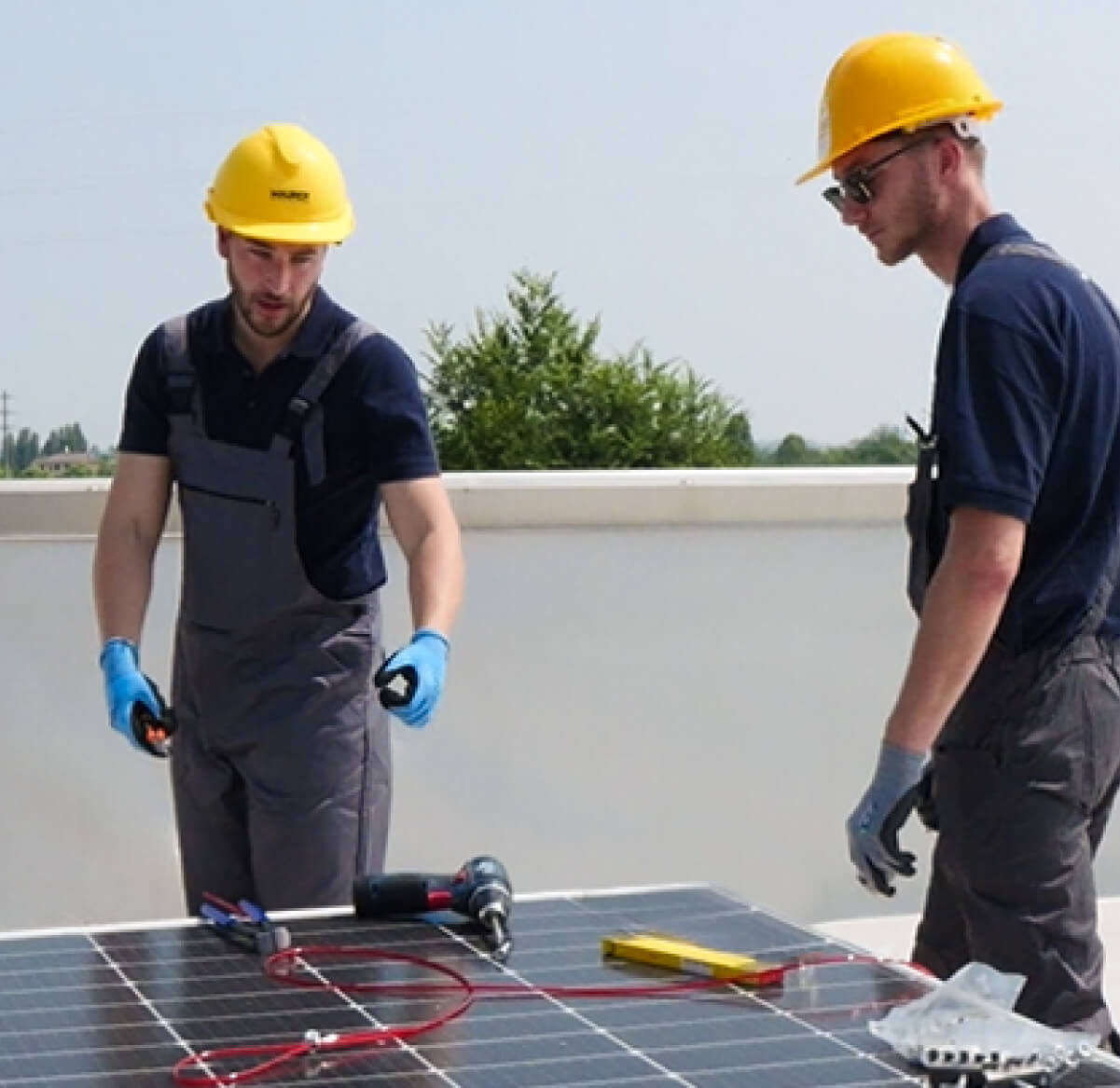
For photovoltaic installers, speed matters. A ballast solar mount reduces assembly complexity
and helps standardize your installation method across many rooftops—commercial sheds, industrial
buildings, and logistics hubs. For engineers and technical offices, the benefit is reliability:
stable support structures with predictable loads, clear documentation, and proven performance on
flat roofs. Distributors also appreciate a solution that’s easy to explain and in steady demand.
If your goal is to deliver safer projects with less hassle, the right ballasted mounting system
can turn a complicated flat-roof job into a repeatable process you can scale across Italy.
Why a Ballast Solar Mount Wins on Speed,
Safety, and Simplicity
A ballast solar mount is designed to do one thing exceptionally
well: hold solar panels securely using weight and geometry rather than roof fixings. That makes
it ideal for flat roofs where drilling is risky, time-consuming, or simply not allowed by the
client.
Key advantages professionals look for include:
- No roof penetrations: protect membranes and reduce waterproofing liability.
- Faster installation: fewer parts, fewer tools, less time per kW.
- Cleaner site logistics: modular elements that simplify handling and staging.
- Wind resistance and load management: configurations engineered to address uplift and
distribute weight effectively.
In practice, this means fewer surprises on site. You can plan a consistent layout, reduce
rework, and keep crews moving. For technical stakeholders, the ability to support system
sizing—considering wind zones, roof constraints, and module arrangement—helps reduce design risk
and improves project confidence.
When you’re quoting multiple rooftops per month, these benefits translate into margin: quicker
installs, fewer call-backs, and smoother handovers.
Get More Value with a Complete Technical
Partner—Not Just Hardware
Choosing a ballast solar mount isn’t only about buying concrete
blocks and brackets—it’s about ensuring the whole project is engineered for real-world rooftop
conditions in Italy. The strongest results come when you have access to technical guidance
during design, accurate system sizing, and commercial support that stays responsive from early
planning through execution.
For installers, that support can mean quicker approvals and fewer layout changes on site. For
engineers, it means dependable inputs for calculations and documentation. For distributors, it’s
a product that’s easier to position because it solves common pain points: installation speed,
roof integrity, and long-term durability.
If you work on flat-roof PV and want a solution that feels straightforward in the field, focus
on a ballasted mounting approach built around reliability, intuitive installation, and
continuous innovation. With the right ballast solar mount, you can deliver projects that are
faster to build, safer for the roof, and easier to repeat—job after job across the Italian
market.