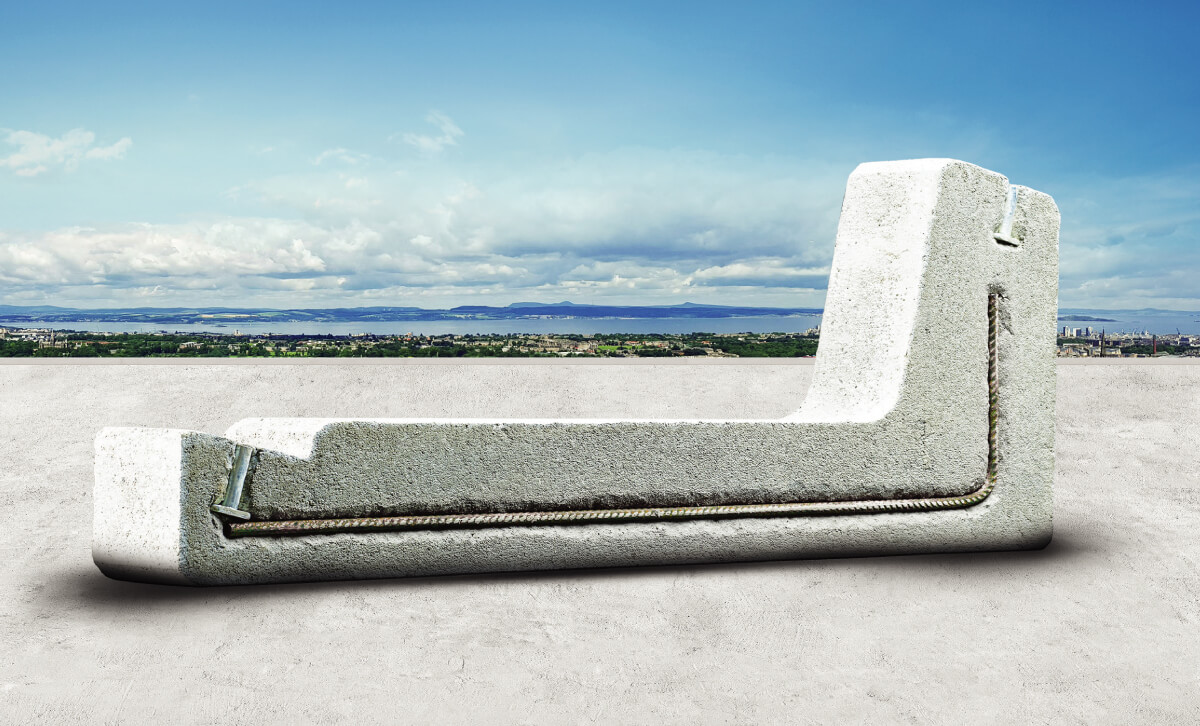
A smarter way to build flat-roof PV in Italy
If you install photovoltaic systems on flat roofs, you know the
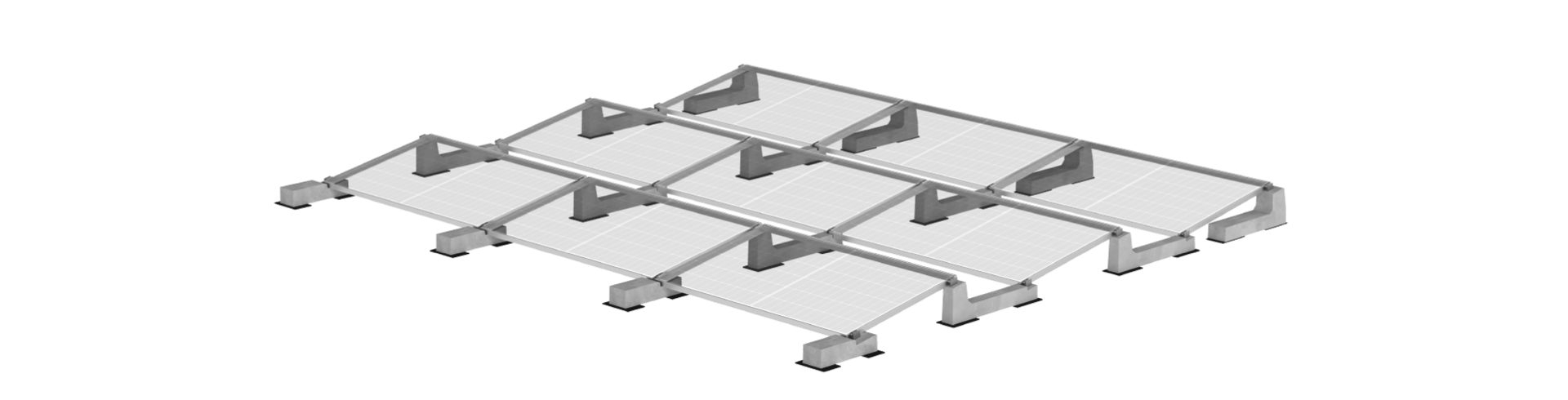
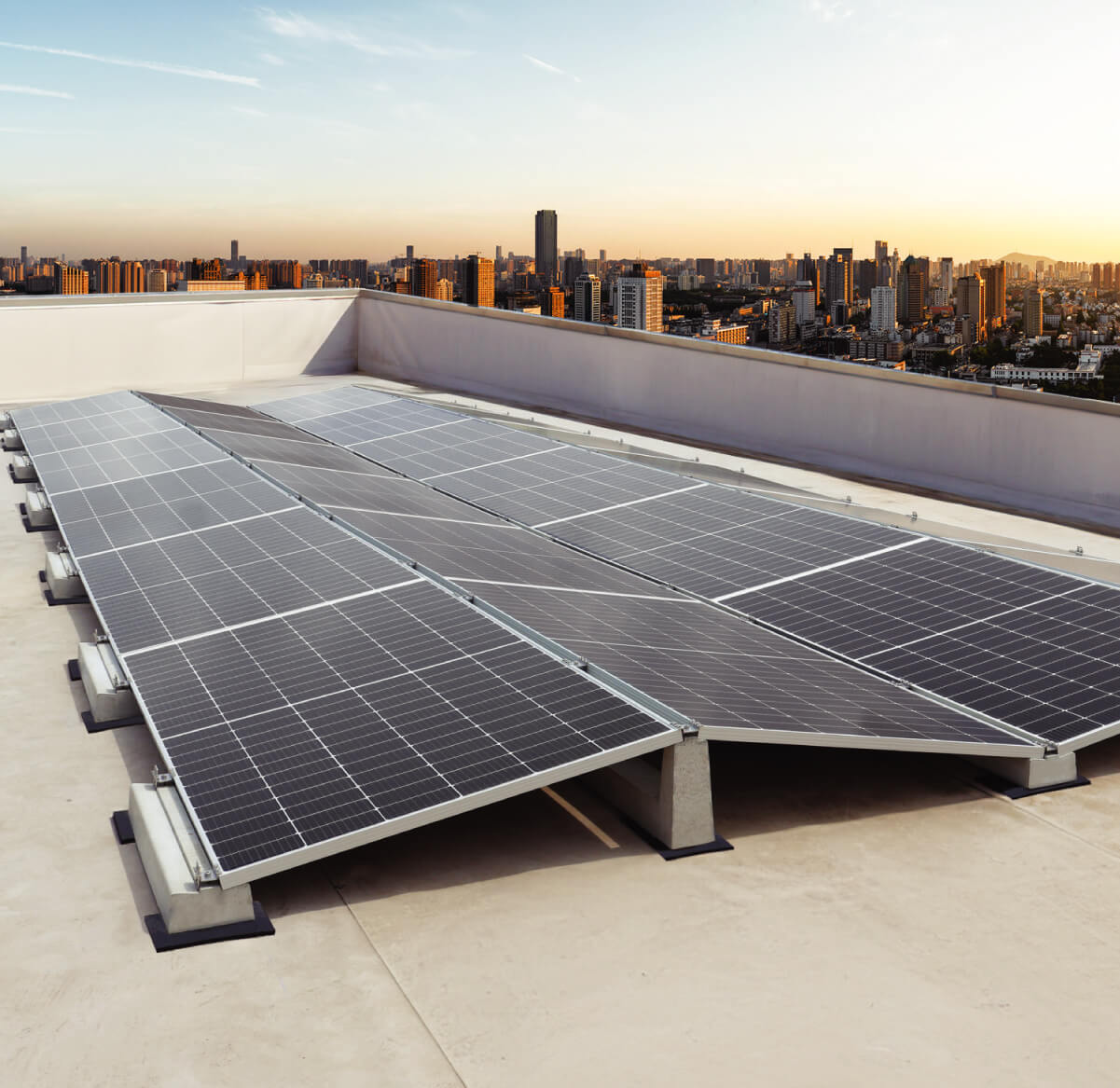
real challenge is not the module—it’s the mounting strategy. A ballast solar mounting system is
designed to simplify rooftop PV by using engineered concrete weights to secure panels without
penetrating the roof membrane. That means fewer worries about waterproofing, fewer on-site
surprises, and a cleaner handover. For Italian installers, speed matters: less time spent
assembling complex structures and more time closing projects. For designers and engineers,
predictability matters: stable load distribution, repeatable configurations, and reliable data
to support wind and structural checks. Modern ballast solutions for PV mounting on flat roofs
also help reduce the number of components, making logistics and site organization easier. In
practice, you get a streamlined workflow: plan, size, deliver, place, and connect—without
drilling holes or managing extensive roof fixings. When the goal is to make flat-roof solar
installation safer and more efficient, choosing a well-designed ballasted racking approach can
be the difference between a smooth project and a risky one.
Built for installers: fast, intuitive, and
dependable
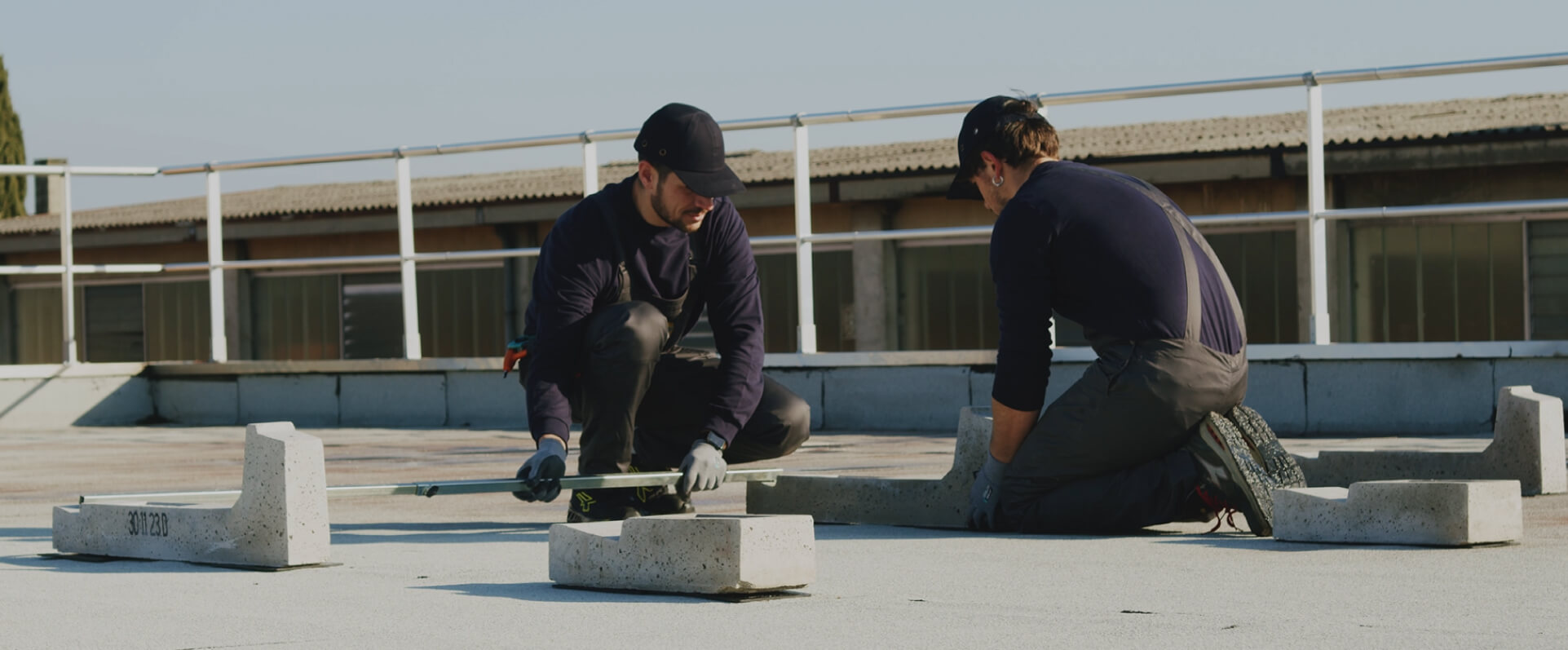
The best ballast solar mounting system is the one your crew can
install quickly and confidently. Ballasted PV structures are valued because they keep the
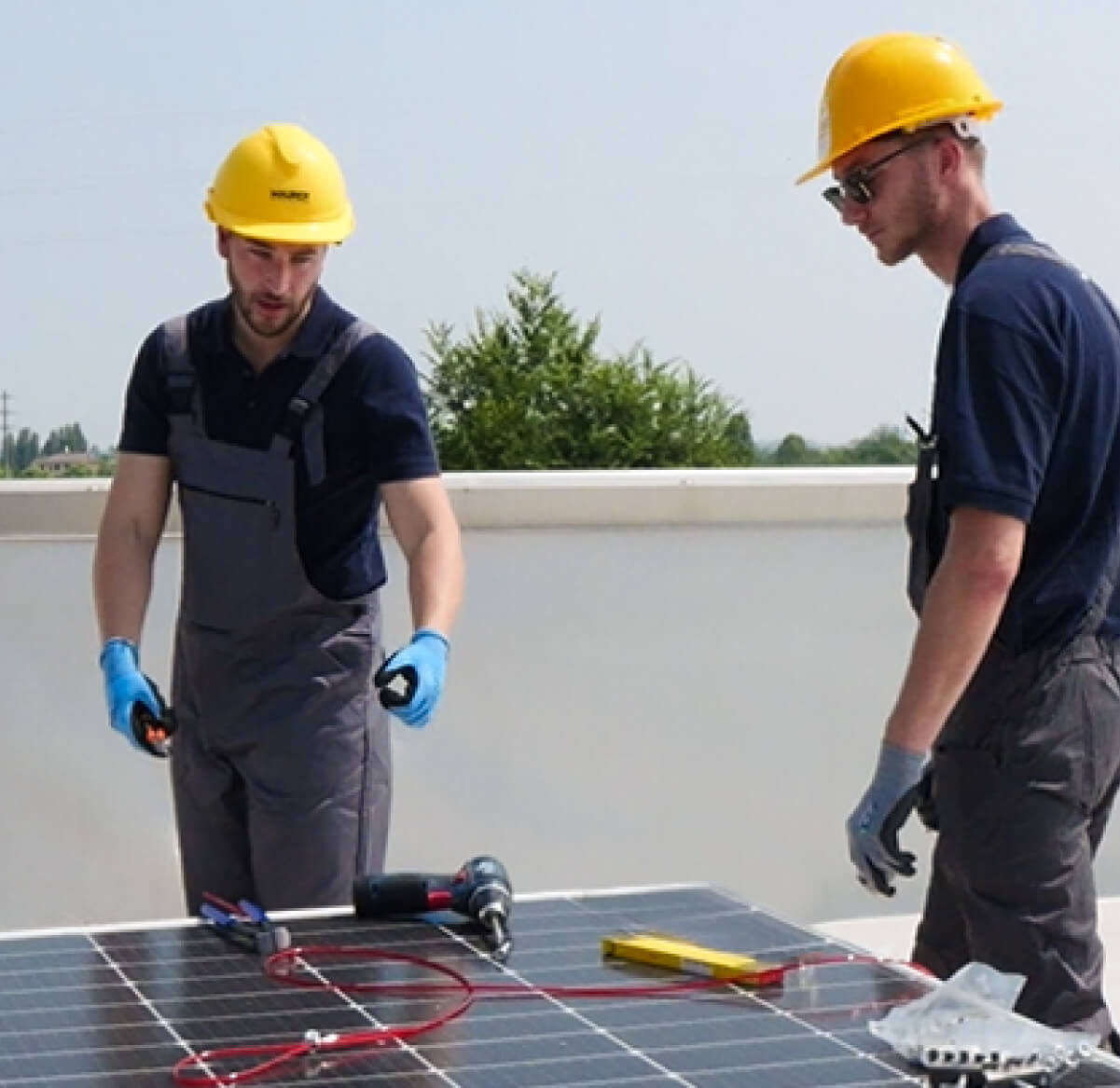
process straightforward: position the supports, align the modules, and complete the electrical
work with minimal disruption. With no roof penetrations, you cut down the steps that typically
slow a job—like marking, drilling, sealing, and waiting on waterproofing checks. This is
especially useful on commercial buildings and industrial sheds where downtime and access
constraints are common. A concrete ballast solution also feels reassuring on site: solid,
stable, and designed to resist uplift when correctly sized. Fewer parts mean fewer mistakes,
fewer missing items, and faster troubleshooting. And because flat-roof solar racking must cope
with wind exposure zones and edge effects, having a system that’s been tested and engineered for
real-world conditions improves confidence from day one. The result is simple: faster installs,
fewer callbacks, and a mounting method you can standardize across multiple projects.
Technical partnership that reduces risk for
your next project
A ballast solar mounting system should come with more than
hardware—it should come with the support that makes your design and execution safer. In B2B
solar, responsibilities are shared: installers need practical solutions; engineers need
dependable inputs for calculations; distributors need a product that’s easy to specify and move.
That’s why technical assistance during the design phase is so valuable: correct layout, correct
tilt selection, and correct ballast sizing based on loads and wind. With proper dimensioning, a
ballasted mounting system for PV can improve project bankability by reducing uncertainty and
helping teams document choices. It also supports consistent project delivery, from preliminary
design to on-site execution, without adding complexity. If you work on flat roofs in Italy and
want a solution that minimizes roof risk, speeds up installation, and stays aligned with
professional standards, consider specifying a concrete-ballasted PV mounting approach that’s
engineered, tested, and supported end to end.