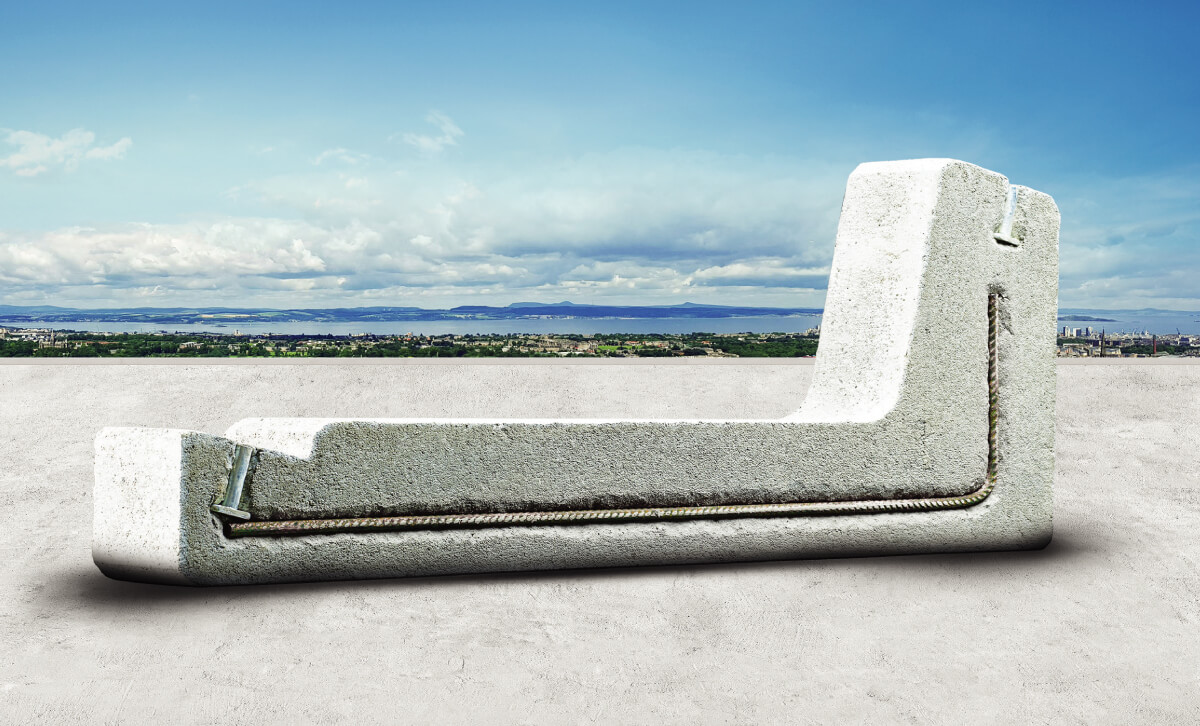
Why a Ballast Solar Panel Solution Makes Sense
on Flat Roofs
Choosing the right ballast solar panel system can make or break a
flat-roof PV project in Italy—especially when speed, safety, and roof integrity matter. Unlike
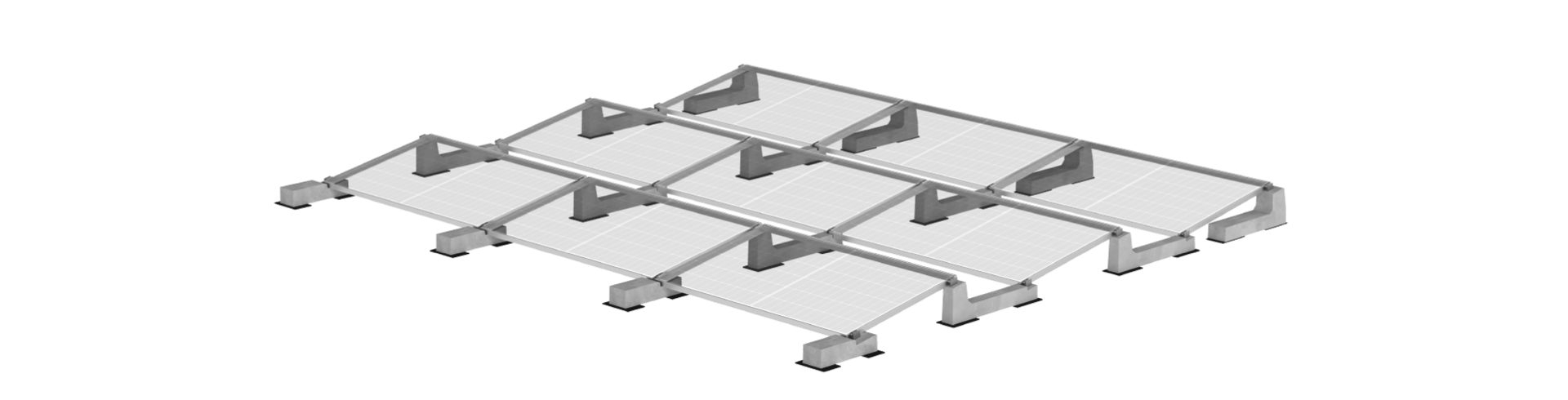
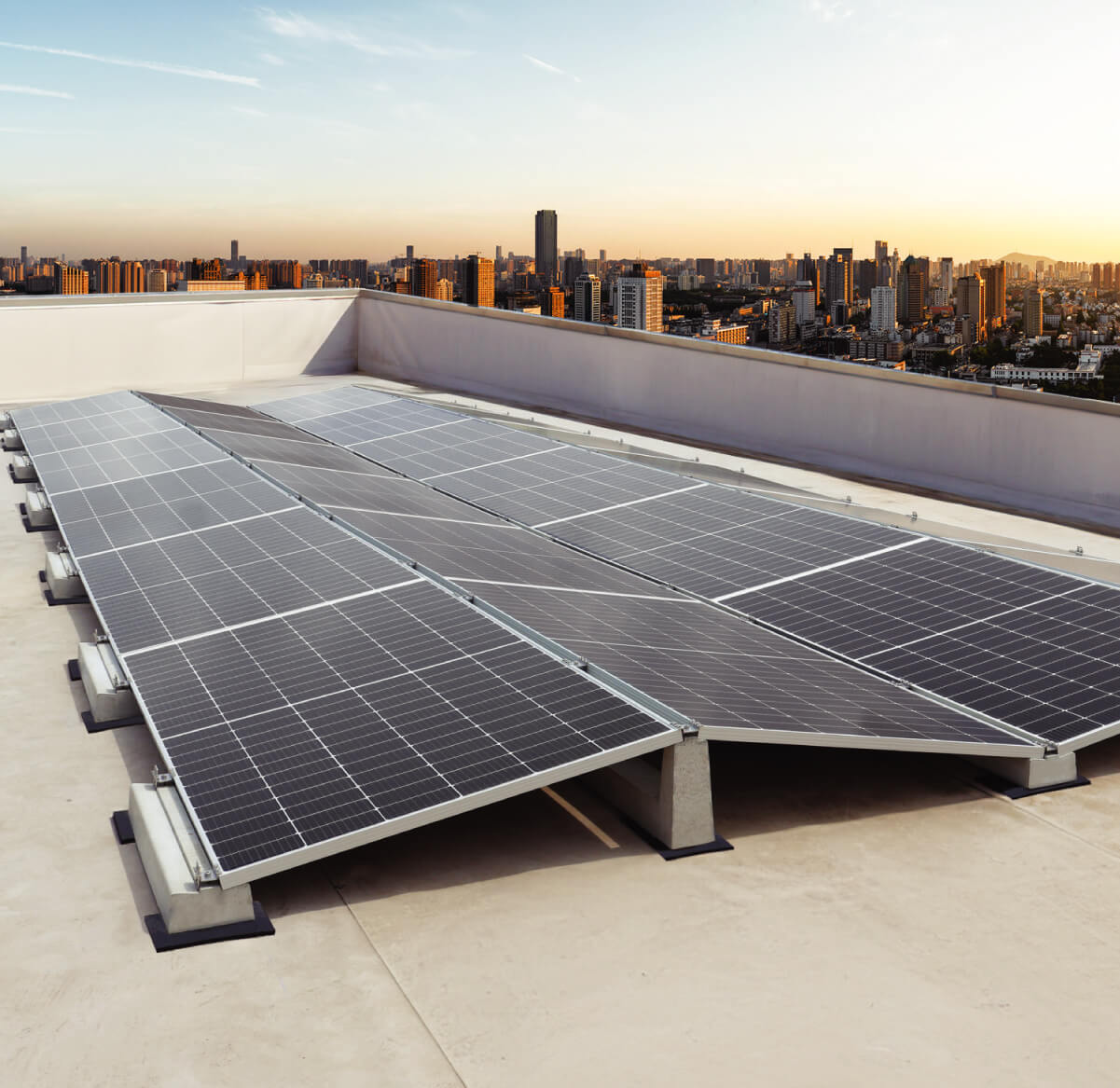
penetrative mounting structures, a ballasted PV mounting system uses concrete weights to keep
modules stable without drilling into the waterproof membrane. That means fewer risks of leaks,
fewer surprises during installation, and a cleaner workflow on site.
For installers, the biggest advantage is time: fewer components, intuitive assembly, and quicker
positioning help you complete more jobs with the same crew. For designers and engineers, the
value is peace of mind: a well-engineered solar panel ballast solution supports accurate
wind-load and roof-load calculations, reducing uncertainty and design liability. And for
distributors, a recognizable ballast mounting system is easier to stock, explain, and sell
because it solves a common customer pain point—flat roofs that shouldn’t be punctured.
If you’re working on commercial buildings, warehouses, or industrial sheds, a ballast solar
panel approach can also reduce operational complexity: no invasive works, less coordination with
roofing specialists, and faster commissioning. In short, it’s a practical, jobsite-friendly way
to build reliable flat-roof solar arrays while protecting the roof and your schedule.
Faster Installation, Fewer Risks: The Real
Benefits on Site
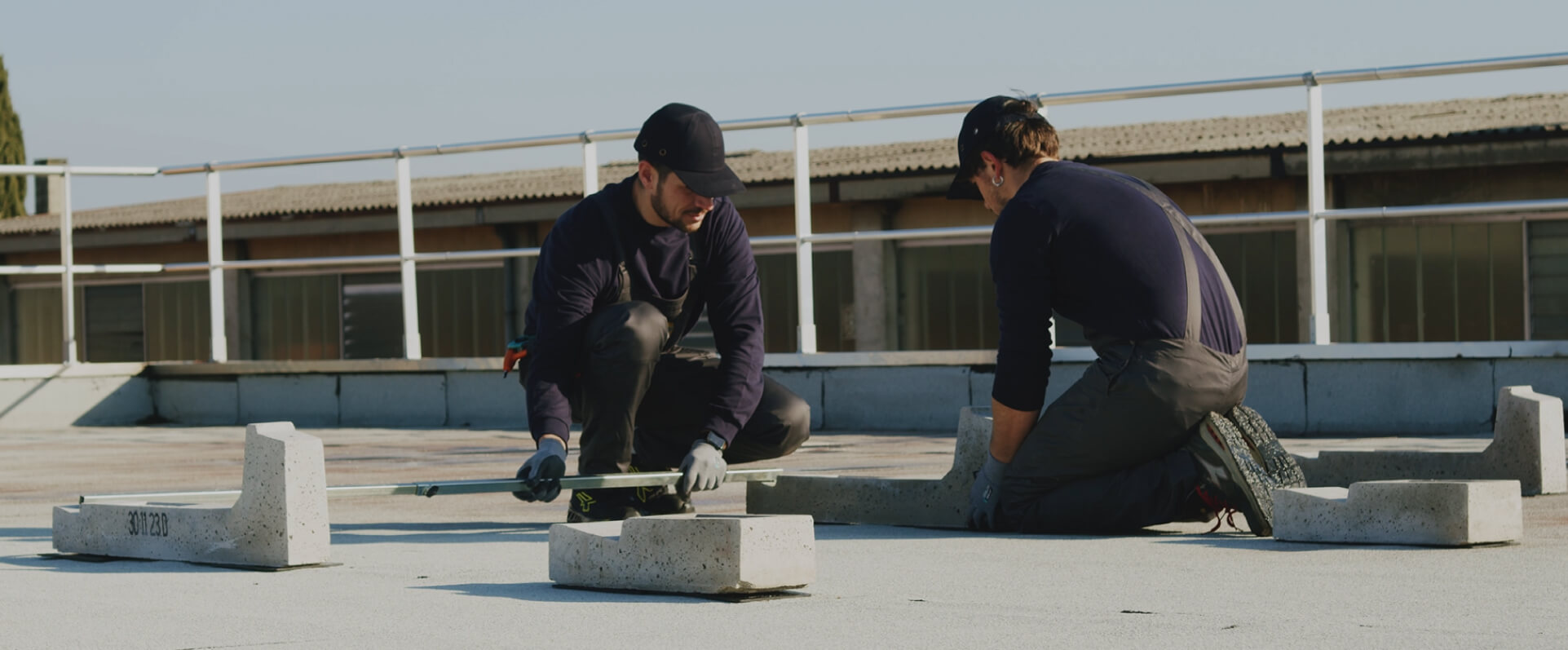
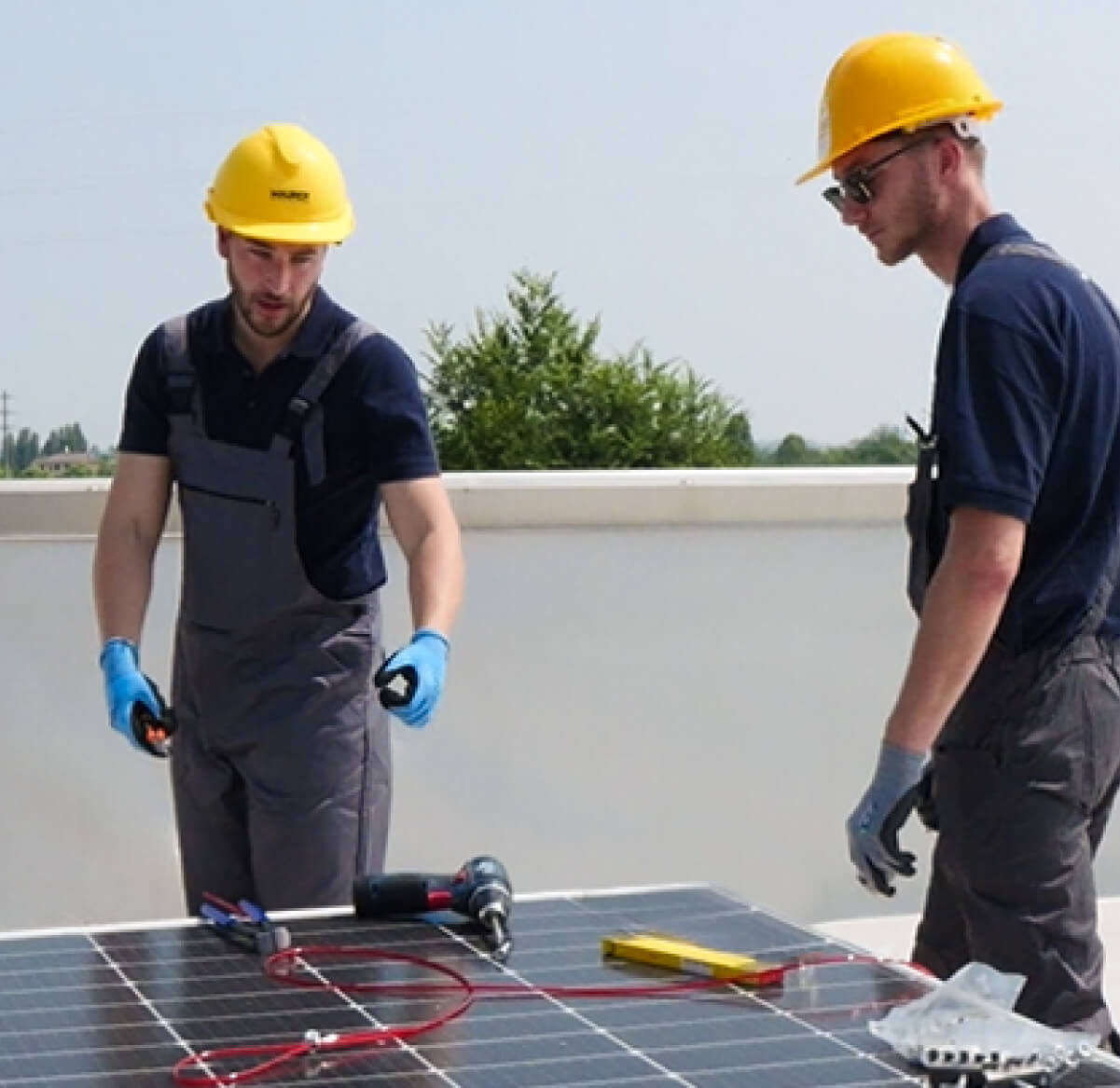
On a busy rooftop, simplicity is productivity. A ballast solar
panel mounting solution is designed to streamline every step—from unloading components to final
alignment. Because the structure relies on concrete ballast rather than roof anchors, you avoid
drilling, sealing, and the extra inspections that often come with penetrations. That translates
into shorter installation times and fewer critical points of failure.
Another major benefit is reliability. A properly designed solar ballast system uses durable
materials and tested geometries to maintain module stability under wind uplift and changing
weather conditions. This is crucial across Italy’s varied climate zones, from coastal areas with
stronger gusts to inland regions with seasonal extremes.
For technical professionals, having access to dependable data for sizing and configuration is
just as important as the hardware itself. Support during design—such as layout optimization,
load verification, and project development through execution—helps reduce rework and ensures the
PV plant performs as expected. For installers, it means fewer last-minute changes on the roof.
For project stakeholders, it means a smoother path from design to commissioning.
When you want a flat roof solar mounting system that’s quick to deploy, minimizes risk, and
stays robust over time, a ballast solar panel setup delivers a strong balance of practicality
and performance.
A Technical Partner for Flat-Roof PV Projects
in Italy
In the Italian B2B photovoltaic market, the best results come from
combining solid products with real project support. A ballast solar panel solution isn’t just “a
weight on the roof”—it’s a complete approach that helps professionals deliver safer, more
efficient flat-roof installations.
For installers, the priority is clear: finish faster, avoid headaches, and rely on a system that
works the first time. With a concrete ballast PV structure, you can reduce the number of parts
to manage, keep the roof membrane intact, and simplify on-site logistics. For engineers and
design offices, the priority is control: certified, tested solutions and technical assistance
that makes wind and load considerations easier to handle. For distributors, the priority is
continuity: a product category with steady demand and a solution that’s easy to position because
it solves a common barrier—installing solar on flat roofs without penetrations.
If your next project involves an industrial roof, a commercial building, or a large flat
surface, choosing a ballast solar panel mounting system can help you protect the roof, reduce
installation complexity, and improve overall project predictability. When you can count on
proven reliability, straightforward installation, and professional technical backing from design
to execution, you’re not just buying hardware—you’re building a better way to deliver flat-roof
PV in Italy.