Why Ballast Solar Panel Mounting Is the Smart
Choice for Flat Roof PV
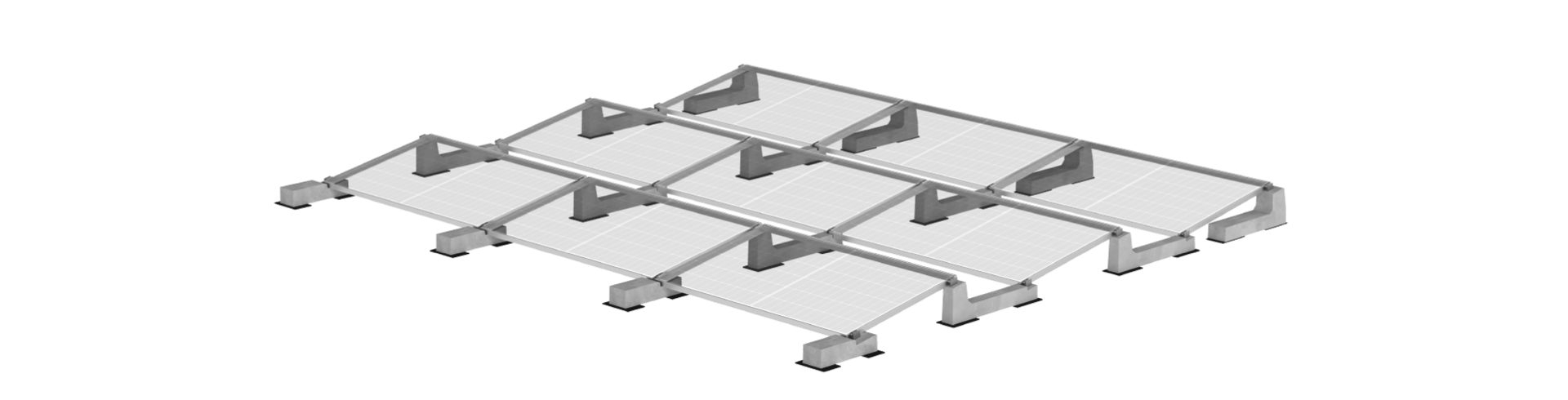
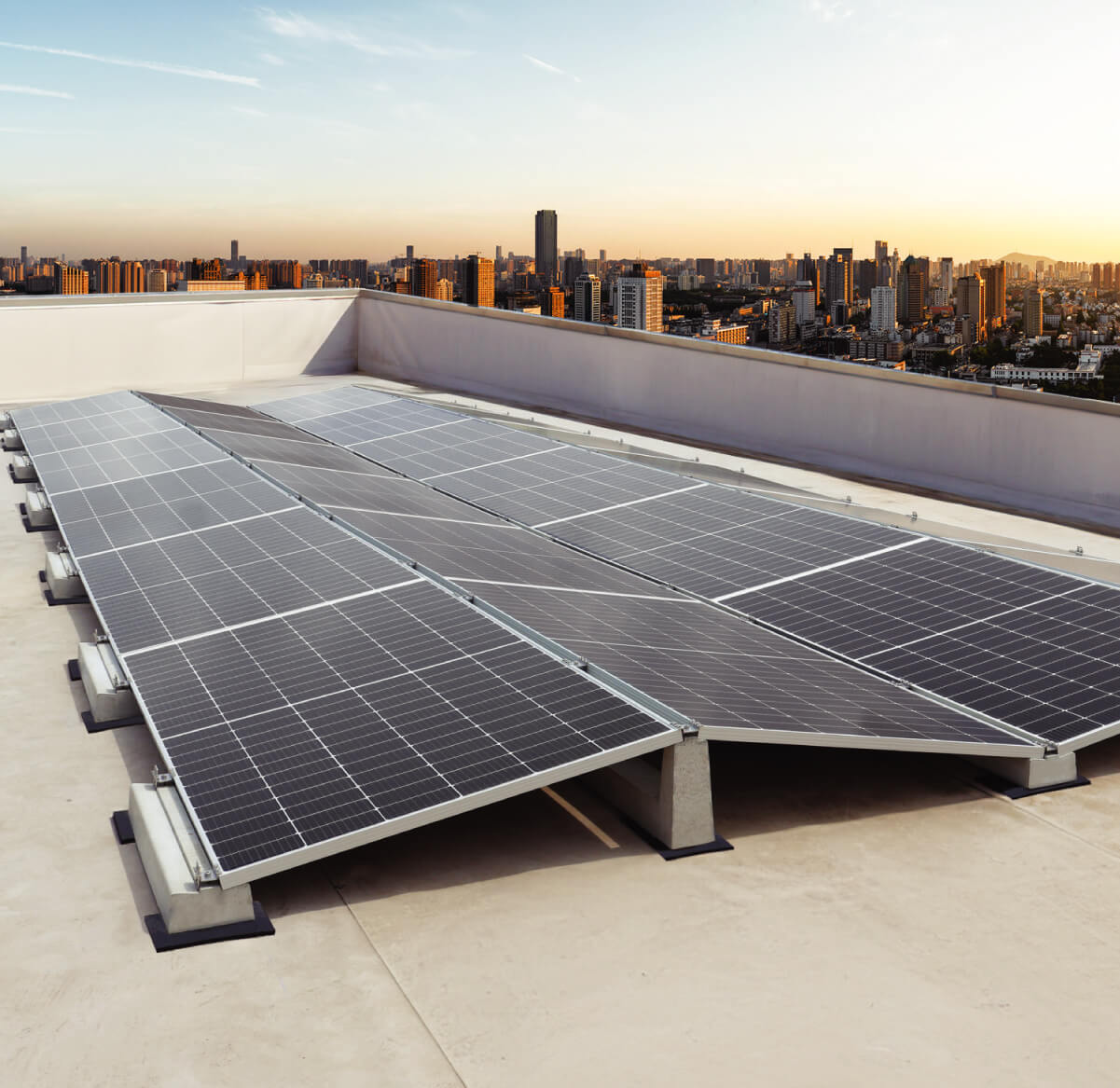
Ballast solar panel mounting is becoming the go-to solution for
flat roof photovoltaic projects across Italy, especially when speed, safety, and roof integrity
matter. Instead of drilling into the waterproof membrane, the system uses engineered concrete
ballast to keep modules stable through weight distribution. That simple concept delivers real
on-site benefits: fewer components, fewer tools, and fewer surprises during installation. For PV
installers, it means faster workflows and more predictable job times—critical when crews are
managing multiple rooftops and tight schedules. For designers and engineers, ballast solutions
support clearer load planning, with reliable data for wind uplift and structural loads, helping
reduce design risk. And for distributors, a recognizable, practical product category is easier
to specify and stock. The best setups also improve cable management, layout consistency, and
maintenance access, so the entire plant stays cleaner and more serviceable over time. If your
priority is to build a flat roof solar plant without compromising the roof covering, ballast
solar panel mounting offers a persuasive balance of performance and simplicity—ideal for
commercial buildings, logistics hubs, and industrial roofs common in the Italian market.
Key Benefits: No Penetrations, Faster
Installs, Reduced Site Complexity
The biggest advantage of ballast solar panel mounting is avoiding
roof penetrations. No holes means less risk of water ingress, fewer remediation steps, and fewer
approvals tied to membrane warranties. On site, the installation becomes more streamlined: place
the ballast supports, set module angles, and proceed with a repeatable pattern. Because the
structure is simplified, crews spend less time aligning rails and hardware and more time
completing the array. This approach can also reduce operational complexity—fewer parts to
manage, fewer chances of missing fasteners, and easier logistics for rooftop handling. For flat
roof PV, terms like “non-penetrating mounting,” “concrete ballast supports,” “wind-load
stability,” and “quick-fit PV structures” are closely tied to the core value: reliable holding
strength without invasive fixing. When correctly sized, a ballast-based design can help meet
performance requirements while keeping the roof untouched—an important decision factor for
property owners and facility managers, even when they aren’t the direct buyer.
Designed for Professionals: Technical Support
from Design to Execution
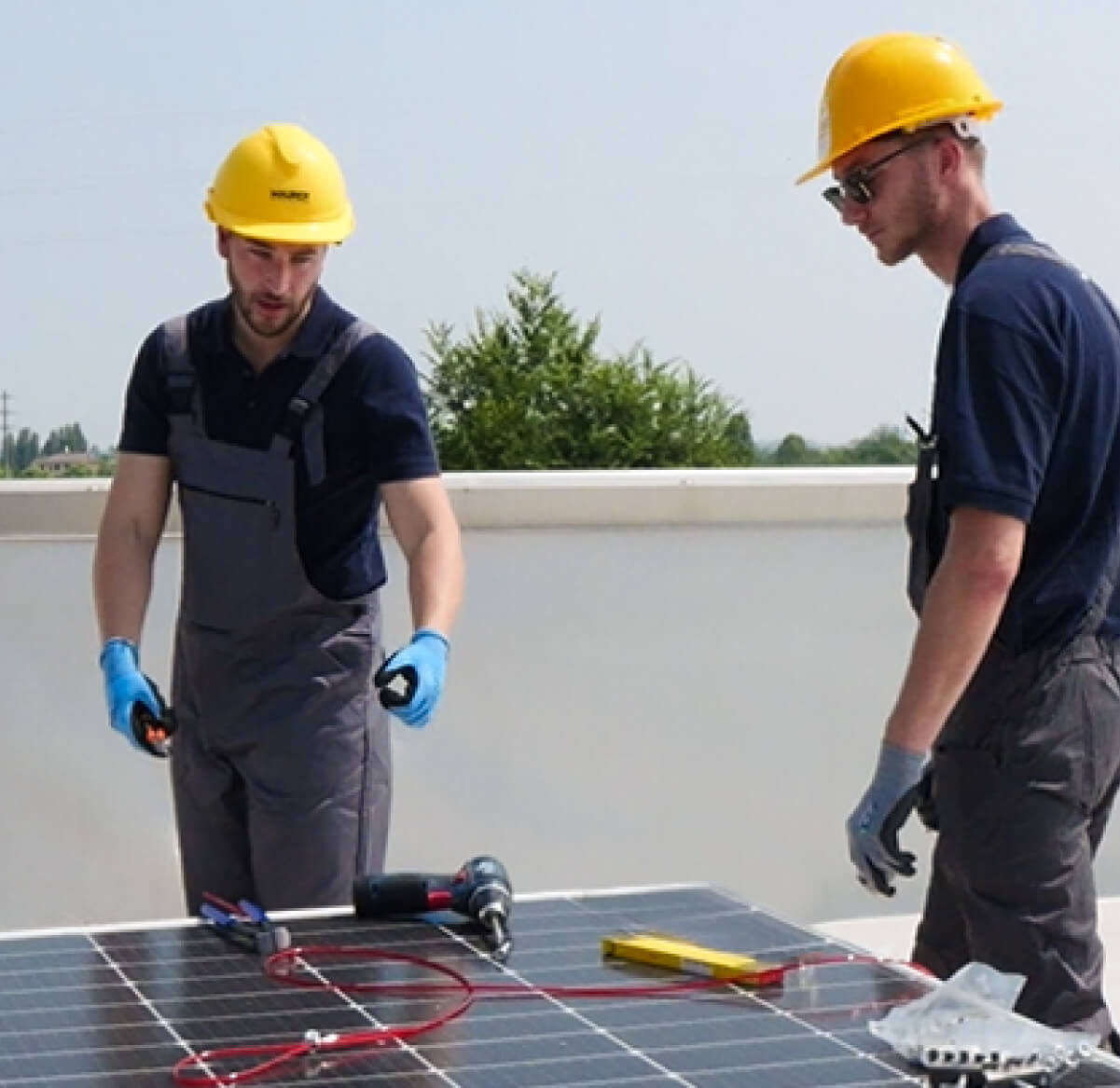
A successful ballast solar panel mounting project isn’t only about
the product—it’s about getting the design right and executing it smoothly. Professional teams
benefit most when they can rely on technical support during planning: layout optimization, load
verification, and guidance on selecting the appropriate tilt and configuration for the roof.
That support reduces uncertainty around wind exposure, ballast distribution, and plant sizing,
helping engineers feel confident in calculations and documentation. Installers gain clarity too,
with practical direction that prevents costly rework and keeps the site moving. For B2B projects
in Italy, choosing a partner-style approach—where the solution is validated, tested, and backed
by experienced technicians—can be the difference between a routine install and a stressful one.
If you want a flat roof PV system that is fast to deploy, dependable over time, and easier to
manage from design through commissioning, ballast solar panel mounting is a strong, field-proven
strategy.