Why ballast solar racking is the smart choice
for flat roofs in Italy
For many PV professionals in Italy, flat roofs are a huge
opportunity—until the mounting system slows the job down. Ballast solar racking is designed to
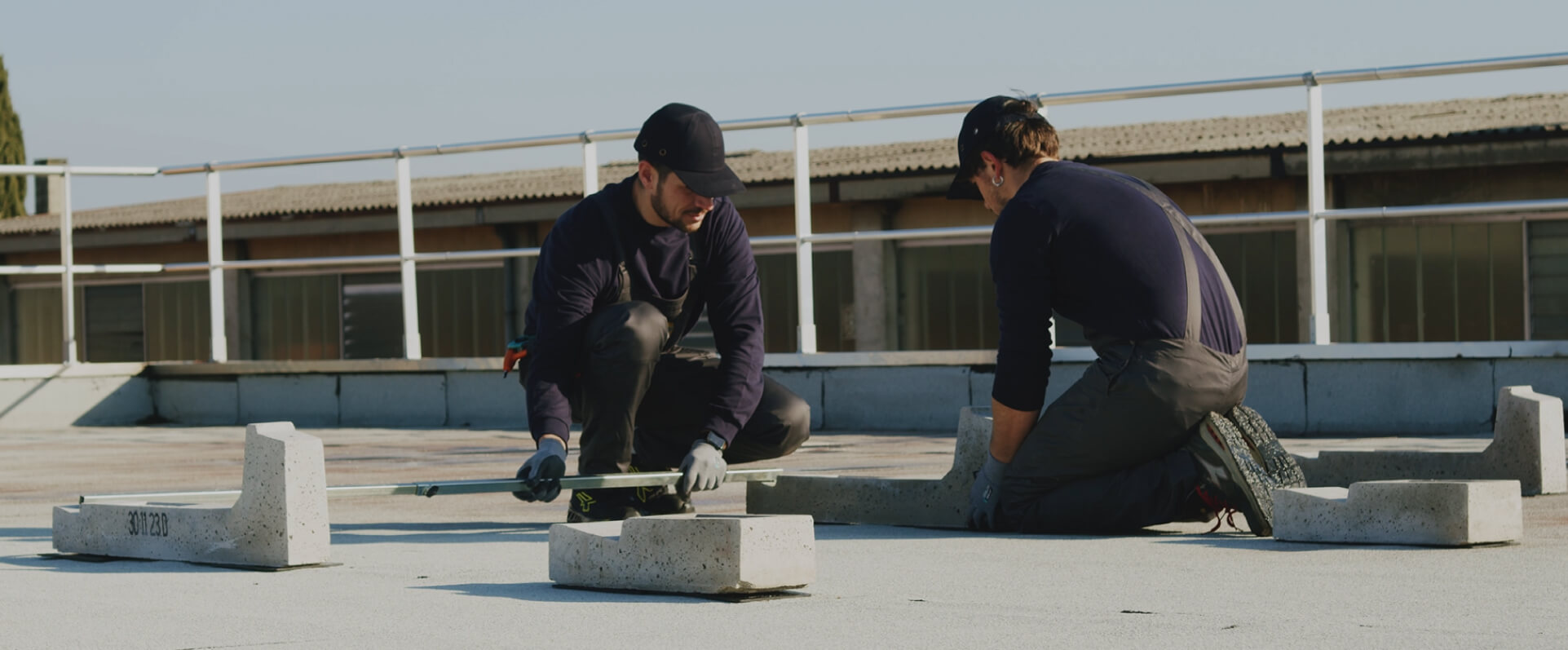
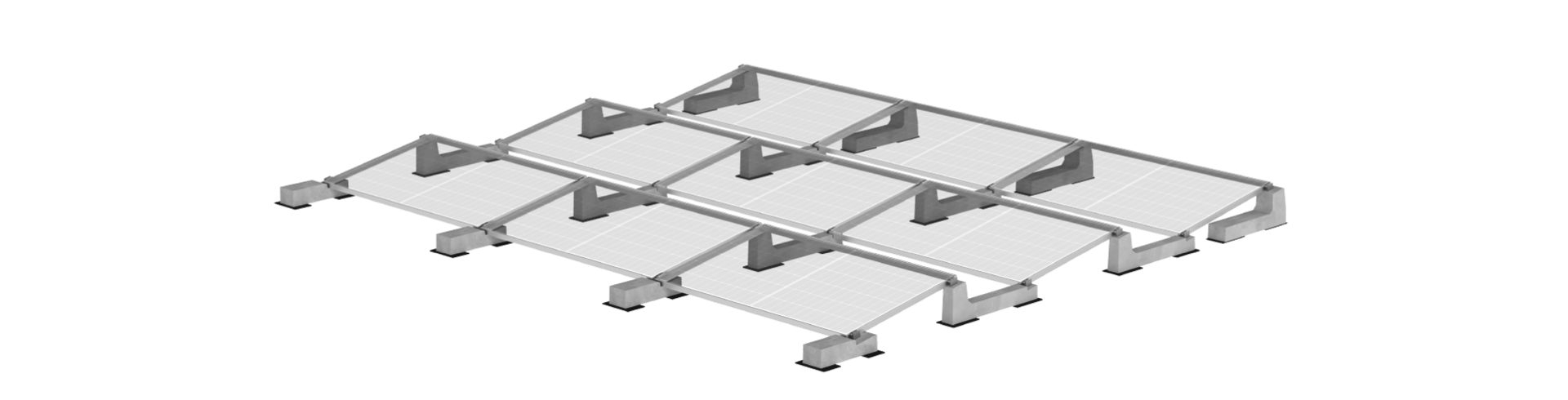
simplify rooftop photovoltaic installations by using weighted supports instead of mechanical
roof penetrations. That means fewer waterproofing risks, fewer parts to manage on site, and a
faster workflow from layout to commissioning.
On logistics-heavy projects like industrial buildings, warehouses, and commercial rooftops,
speed and predictability matter. A ballasted PV mounting system can reduce installation time
because the structure is pre-defined, intuitive to assemble, and doesn’t require drilling into
the membrane. The result is a cleaner site, less downtime, and fewer surprises during handover.
Just as important, ballast-based solutions can help you keep the roof warranty intact by
avoiding penetrations. For installers, this translates into lower liability and fewer
post-installation call-backs. For engineering teams, it’s a practical route to a safer, more
repeatable design approach—especially when the objective is to deploy many rooftops with
consistent standards across Italy.
Performance and compliance: wind loads,
stability, and design support
Choosing ballast solar racking isn’t only about convenience—it’s
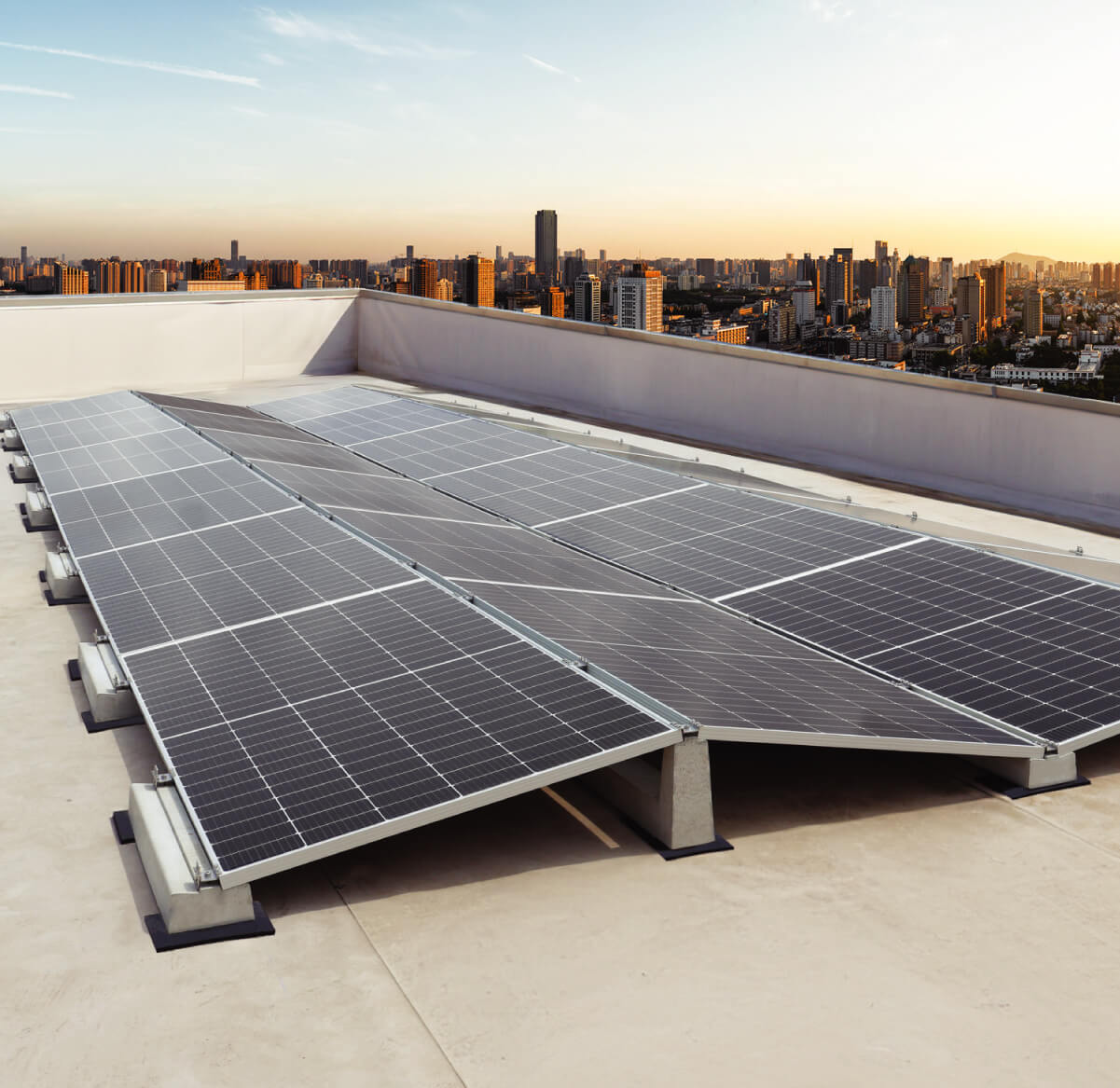
about engineering confidence. A well-designed concrete ballast system supports the PV modules
while providing stability against uplift and sliding. In Italy’s diverse wind zones, accurate
sizing is essential: roof height, parapets, exposure category, and module tilt all influence the
final ballast requirement.
That’s why professional-grade solutions typically come with technical assistance during the
design phase, including system sizing, layout optimization, and documentation that helps
designers and engineers reduce calculation time and project risk. With reliable data, it becomes
easier to specify the right configuration for flat roof solar mounting, meet safety
expectations, and keep the project on schedule.
For distributors and wholesalers, this kind of standardized, proven racking approach is also
easier to position: it’s recognizable, in-demand, and supported by clear technical
materials—critical factors when serving installers who need answers quickly.
A faster install with fewer headaches: what PV
installers look for
Installers choose ballast solar racking when the goal is simple:
install more systems, faster, with fewer complications. A streamlined ballasted racking solution
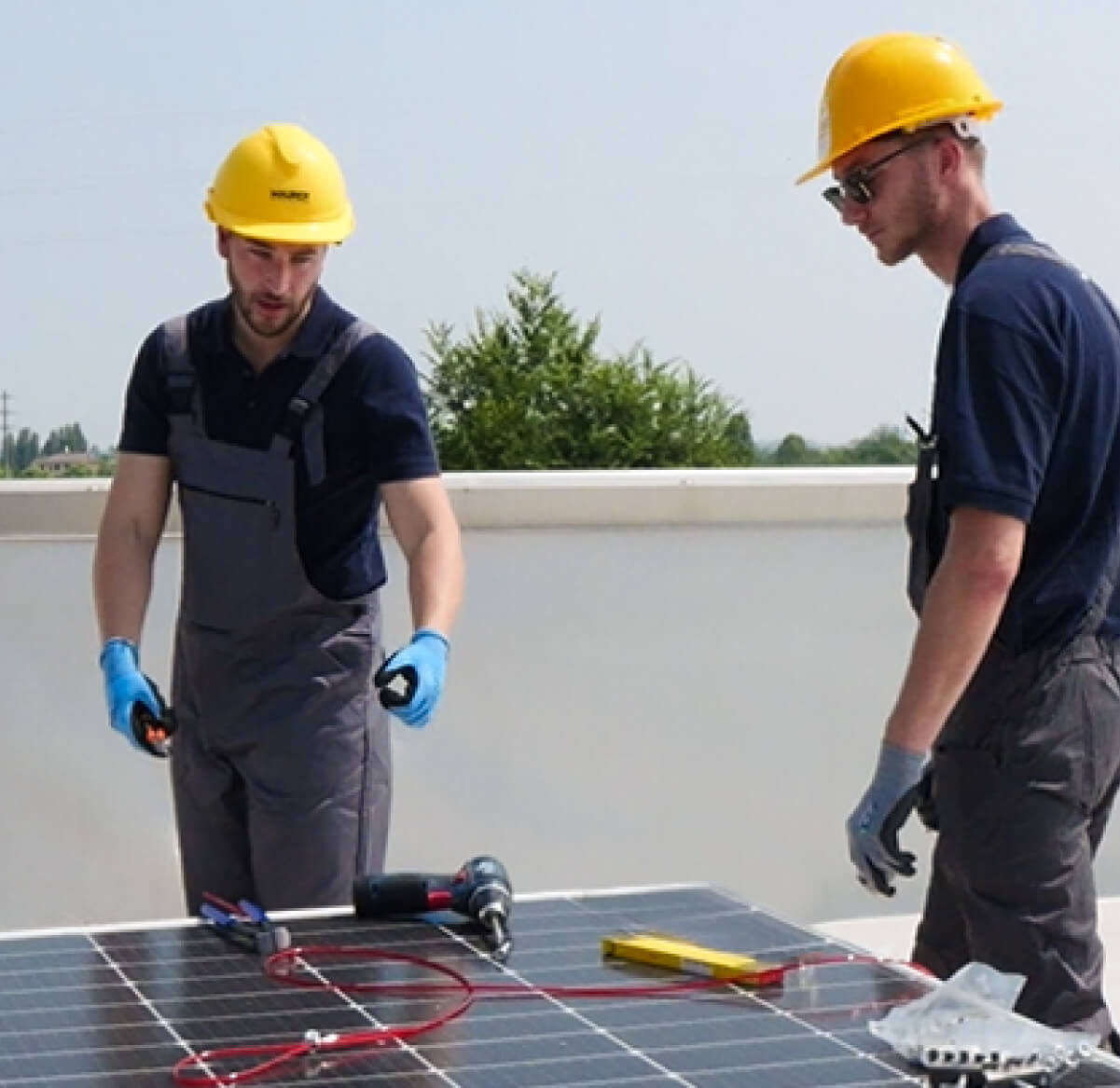
typically means fewer components to count, fewer tools on the roof, and an installation process
that crews can learn quickly. When you’re managing tight timelines, that simplicity becomes a
competitive advantage.
Because there are no roof penetrations, the worksite is often safer and cleaner—especially on
sensitive flat roof membranes. Maintenance access can also be planned more easily, helping
deliver a professional finish that building owners appreciate.
If your projects involve flat roofs and you want a dependable, no-drill photovoltaic mounting
strategy, look for a system built around durable concrete ballast, engineered configurations,
and strong pre-sales technical support. That combination helps you reduce on-site friction,
improve reliability, and deliver PV installations across Italy with confidence.