A Faster, Safer Way to Build PV on Flat Roofs
in Italy
In Italy’s commercial and industrial PV market, flat roofs are
everywhere—and so are the challenges: waterproofing concerns, tight schedules, and complex
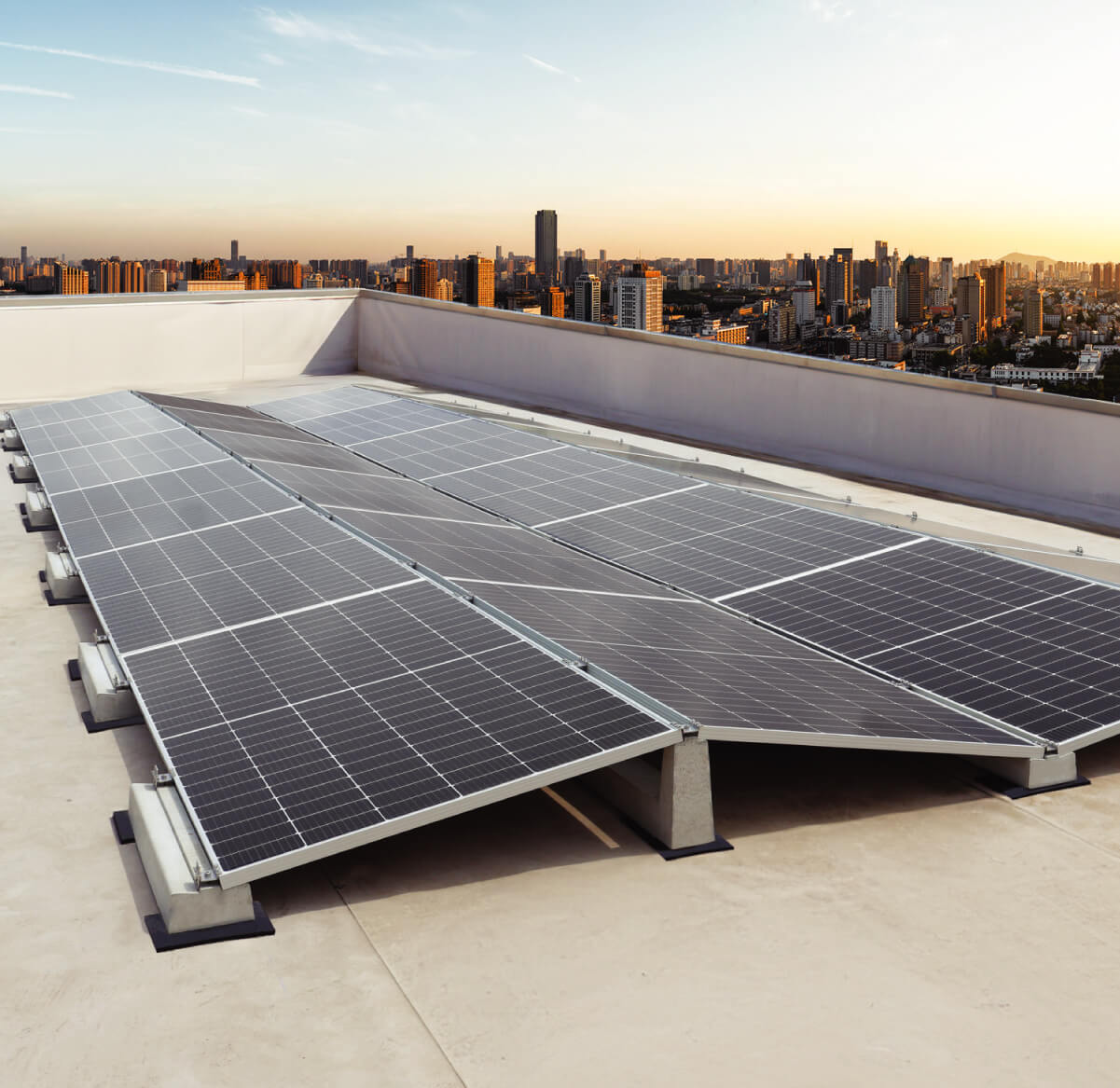
rooftop constraints. A durable ballasted standard flat roof solar mounting system answers these
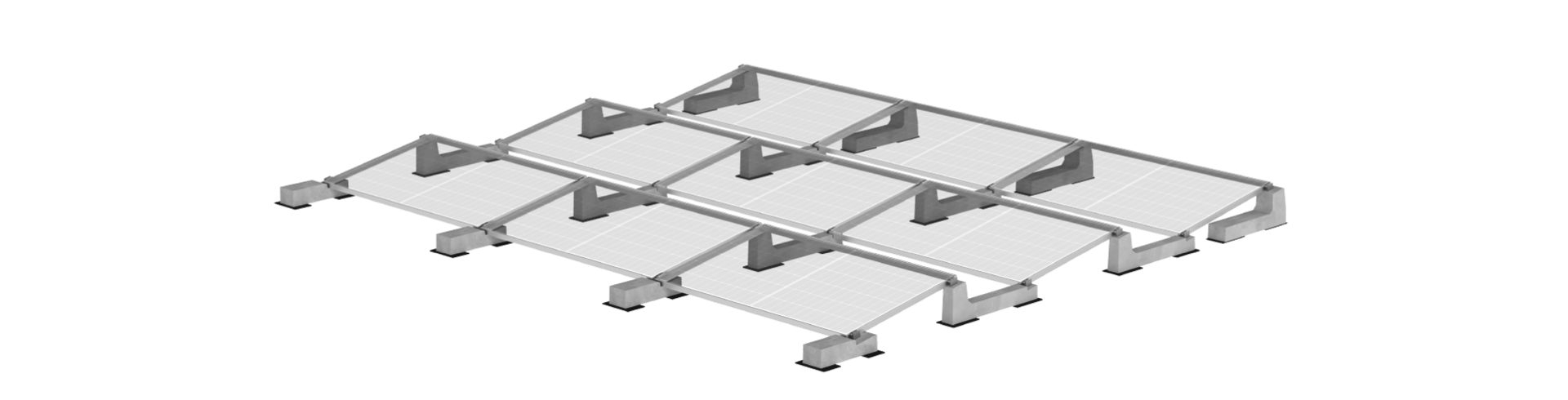
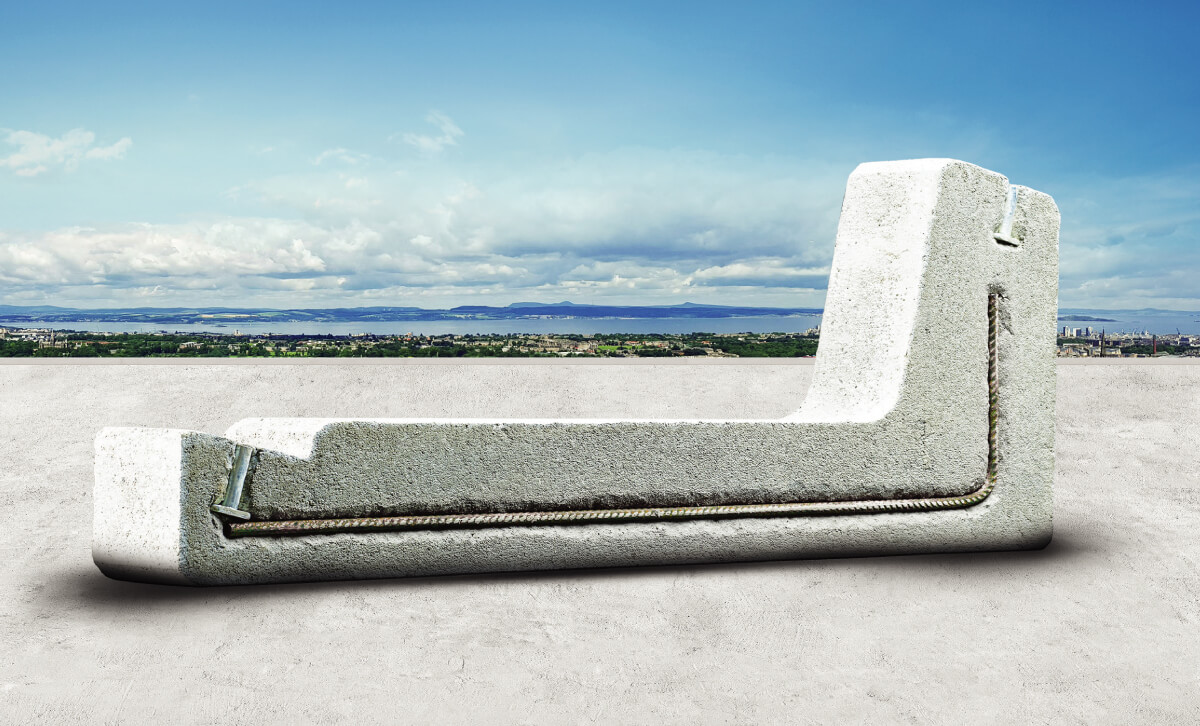
needs with a proven approach: secure the PV array using engineered concrete ballast instead of
roof penetrations. By avoiding drilling, you reduce the risk of leaks and callbacks while
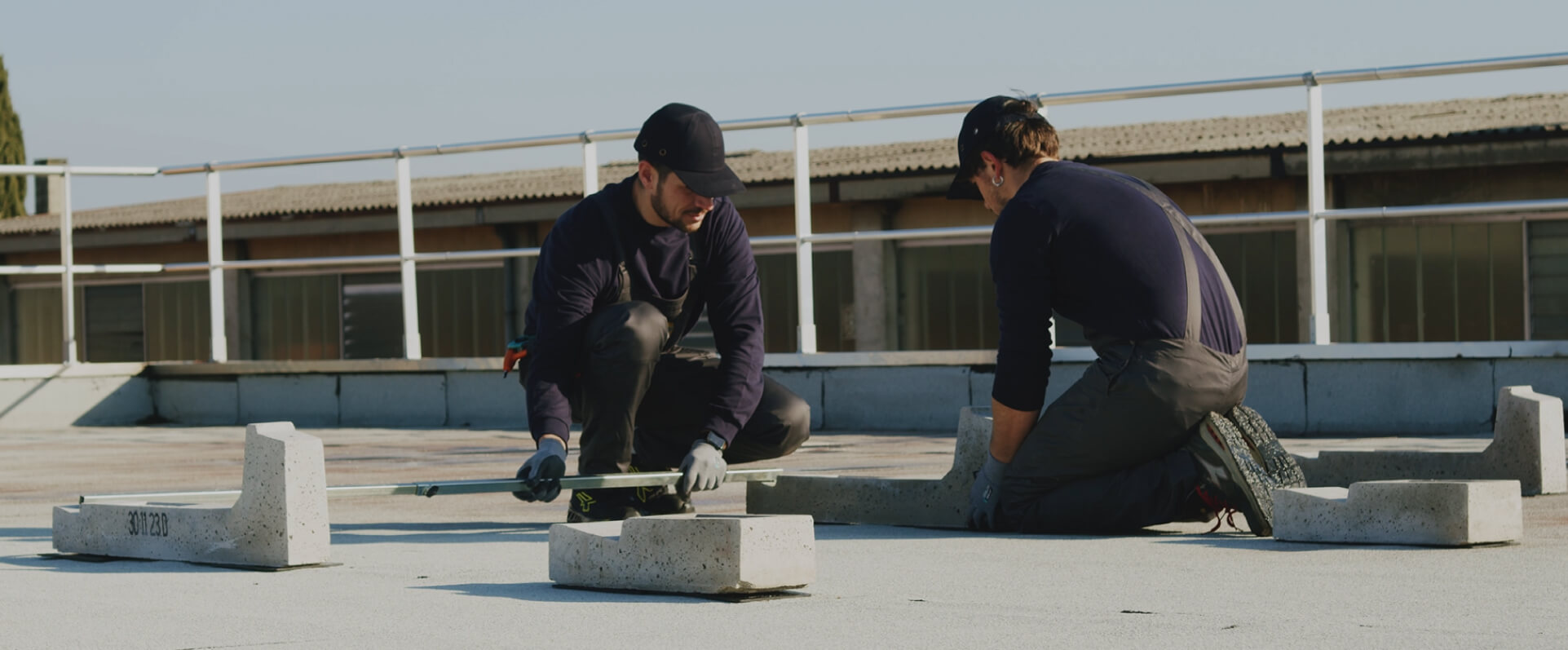
protecting membranes and existing insulation layers. For installers, this means fewer steps on
site, fewer components to manage, and a workflow that feels straightforward from first layout to
final module clamp. For designers and engineers, the value is equally clear: predictable
dead-load distribution, repeatable configurations, and a solution designed specifically for
flat-roof photovoltaics. When you need speed without compromising safety, ballasted mounting
becomes a practical choice—especially on large rooftops where every hour saved matters. The
result is a cleaner, more efficient installation process that supports long-term performance,
helping professionals deliver reliable solar projects with less operational complexity.
Why “Durable” Matters: Reliability, Wind
Loads, and Long-Term Performance
Durability in a ballasted system is not just about strong
materials—it’s about confidence across the entire lifecycle of the plant. A durable ballasted
standard flat roof solar mounting solution is designed to stay stable under wind uplift, keep
consistent geometry over time, and maintain mechanical integrity through seasons of thermal
cycles. That reliability is critical for professional stakeholders who carry responsibility:
installers want to avoid rework, while engineers need dependable data for structural checks and
array sizing. Concrete ballast solutions help by combining mass, stability, and simple
mechanics, supporting common flat-roof layouts and orientations. With fewer penetrations and
fewer failure points, the system can reduce rooftop risk and simplify maintenance access around
the array. Related priorities—wind resistance, load management, rooftop safety, and
certification-ready documentation—become easier to address when the mounting concept is
standardized, tested, and built for repeatable performance on Italian rooftops.
A Complete B2B Solution: Technical Support
That Saves Time on Every Project
Choosing durable ballasted standard flat roof solar mounting is
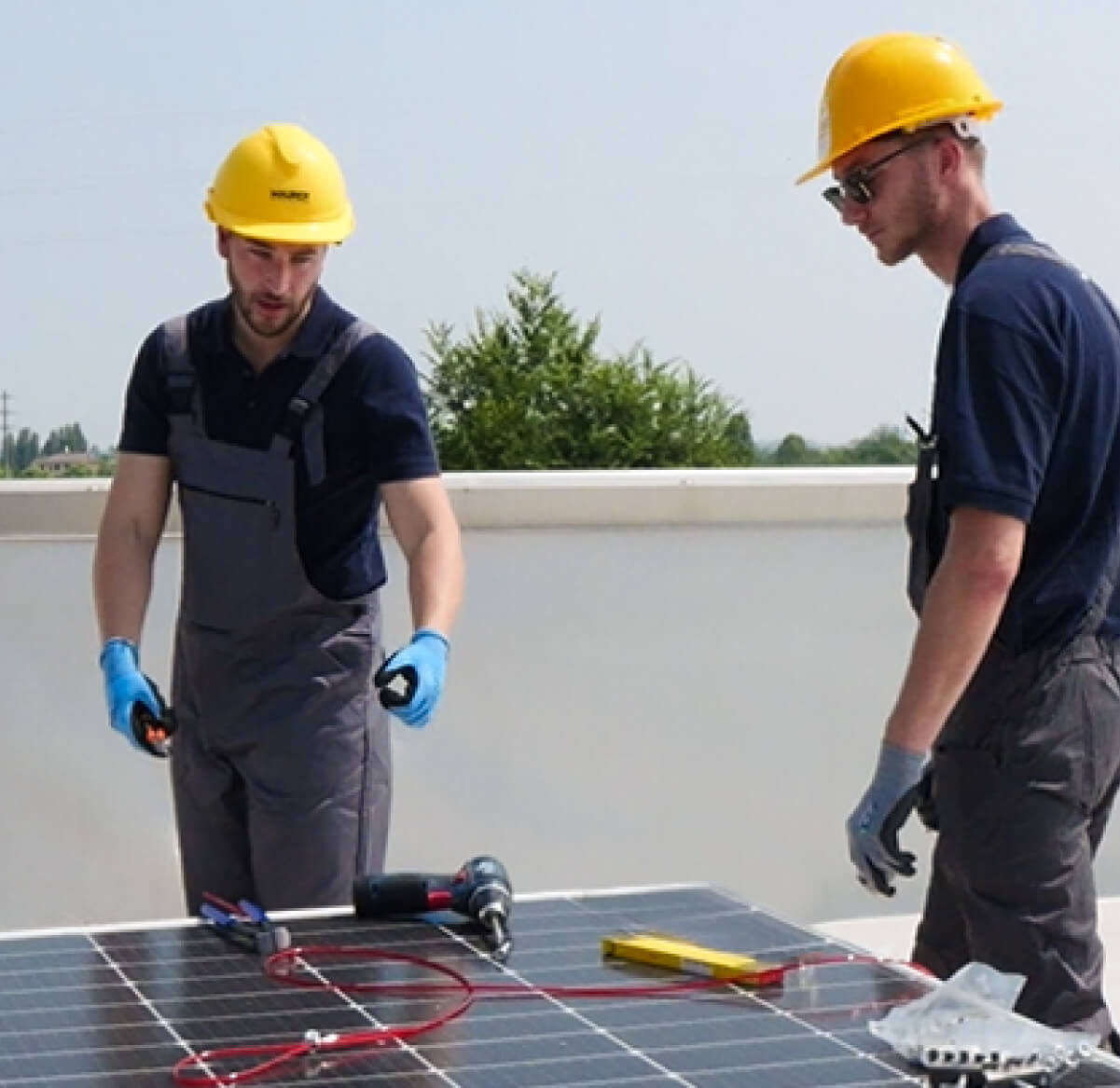
also about choosing a process that reduces friction from design to execution. PV professionals
benefit most when the mounting system comes with practical engineering support: preliminary
layouts, system sizing, and guidance that helps translate wind and load requirements into a
buildable configuration. This is especially valuable for technical offices balancing multiple
projects and tight deadlines, and for installers who need clarity before materials arrive on
site. Distributors also gain an advantage with a product category that is easy to explain,
consistently requested, and backed by strong technical resources. If your goal is to deliver
flat-roof PV faster, with less risk to the roof and fewer installation variables, a ballasted
concrete approach is a persuasive option. Explore solutions, application notes, and project
guidance at www.sunballast.com.