Why durable installation support matters on
Italian flat roofs
In Italy, flat-roof photovoltaic projects often succeed or fail on
one detail: the quality of the installation support. Choosing durable solar powered products
installation support is not just about holding panels in place—it’s about protecting the roof
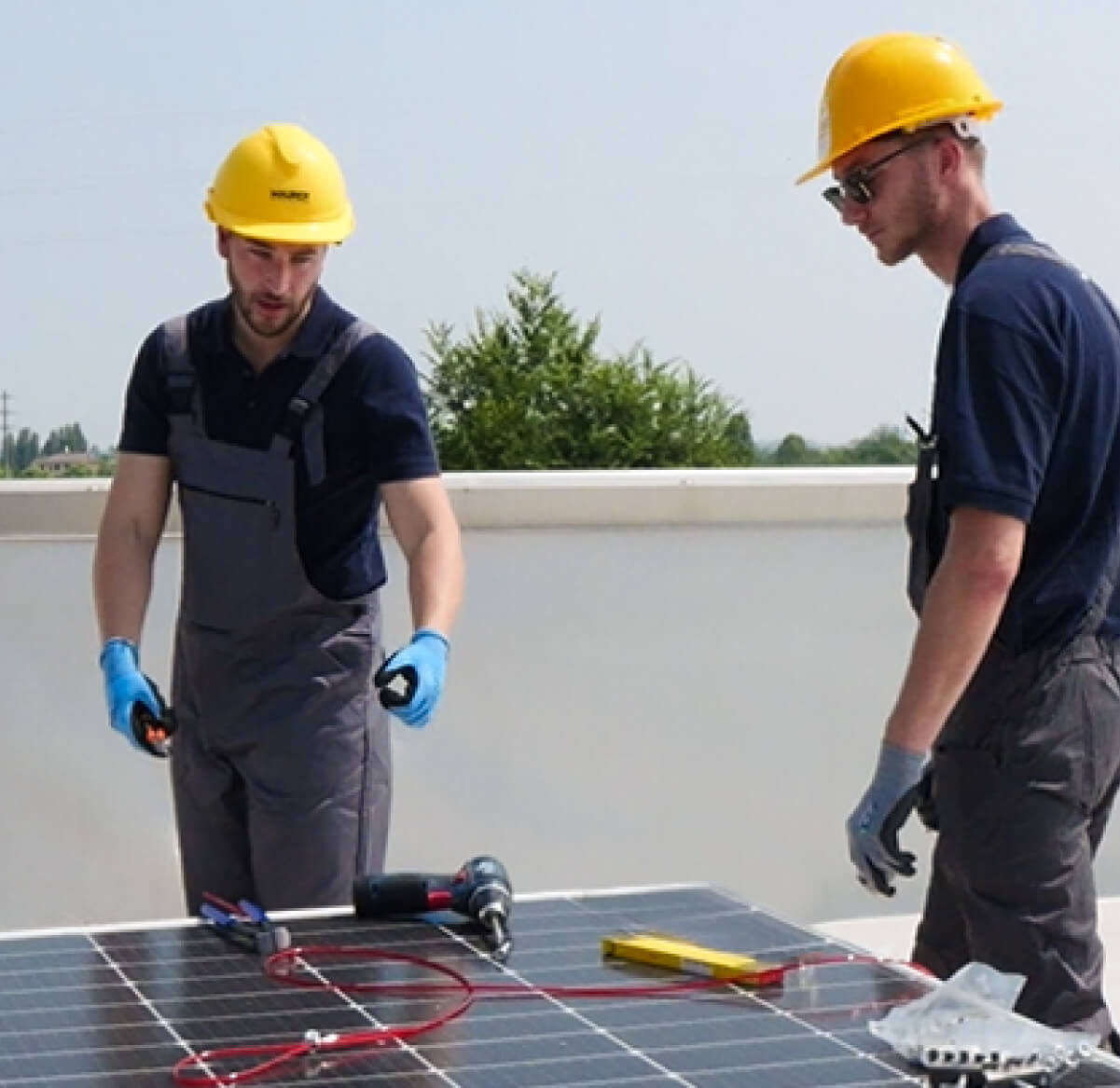
membrane, meeting load requirements, and keeping crews productive. For installers, the biggest
headaches are clear: too many components, slow assembly, and the risk of leaks caused by roof
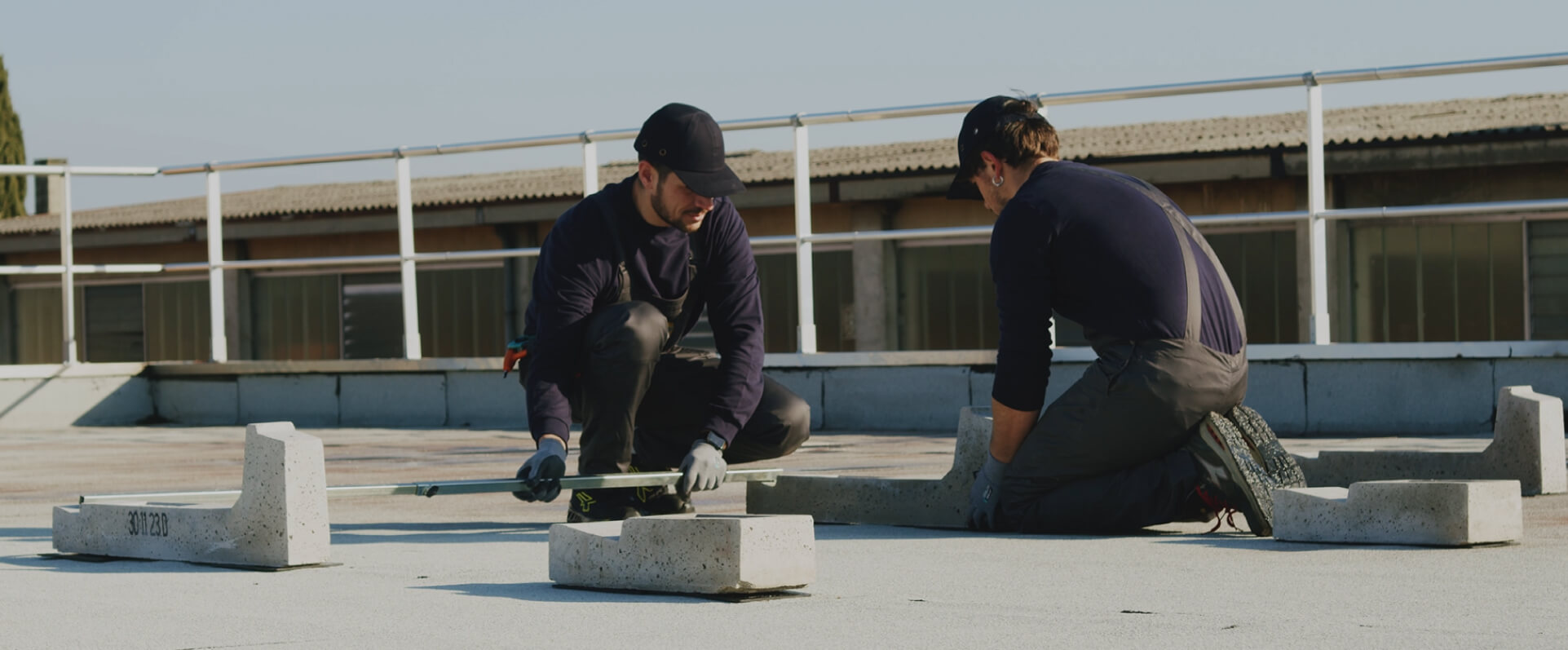
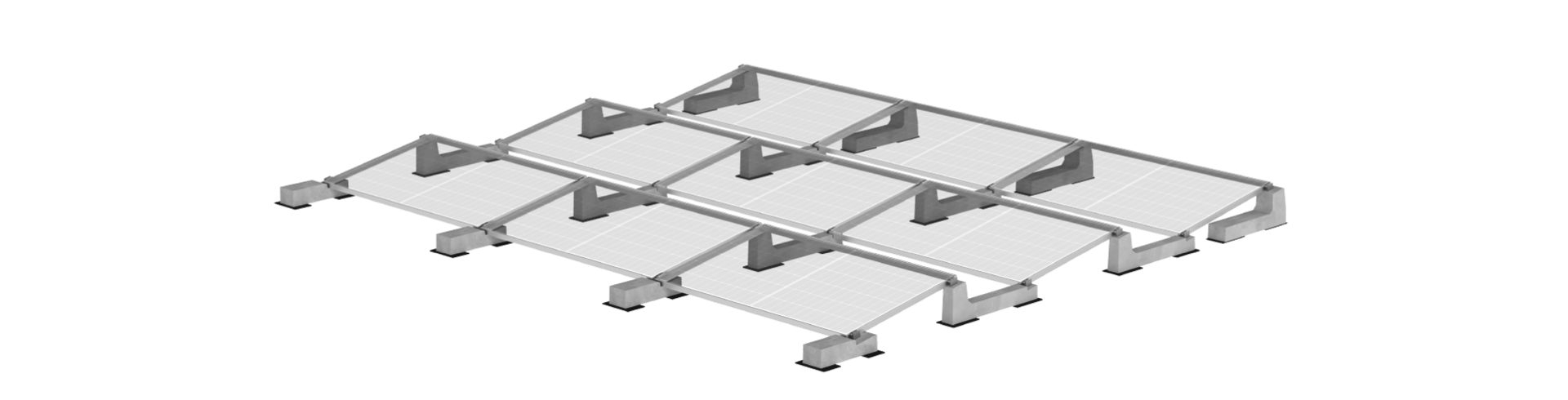
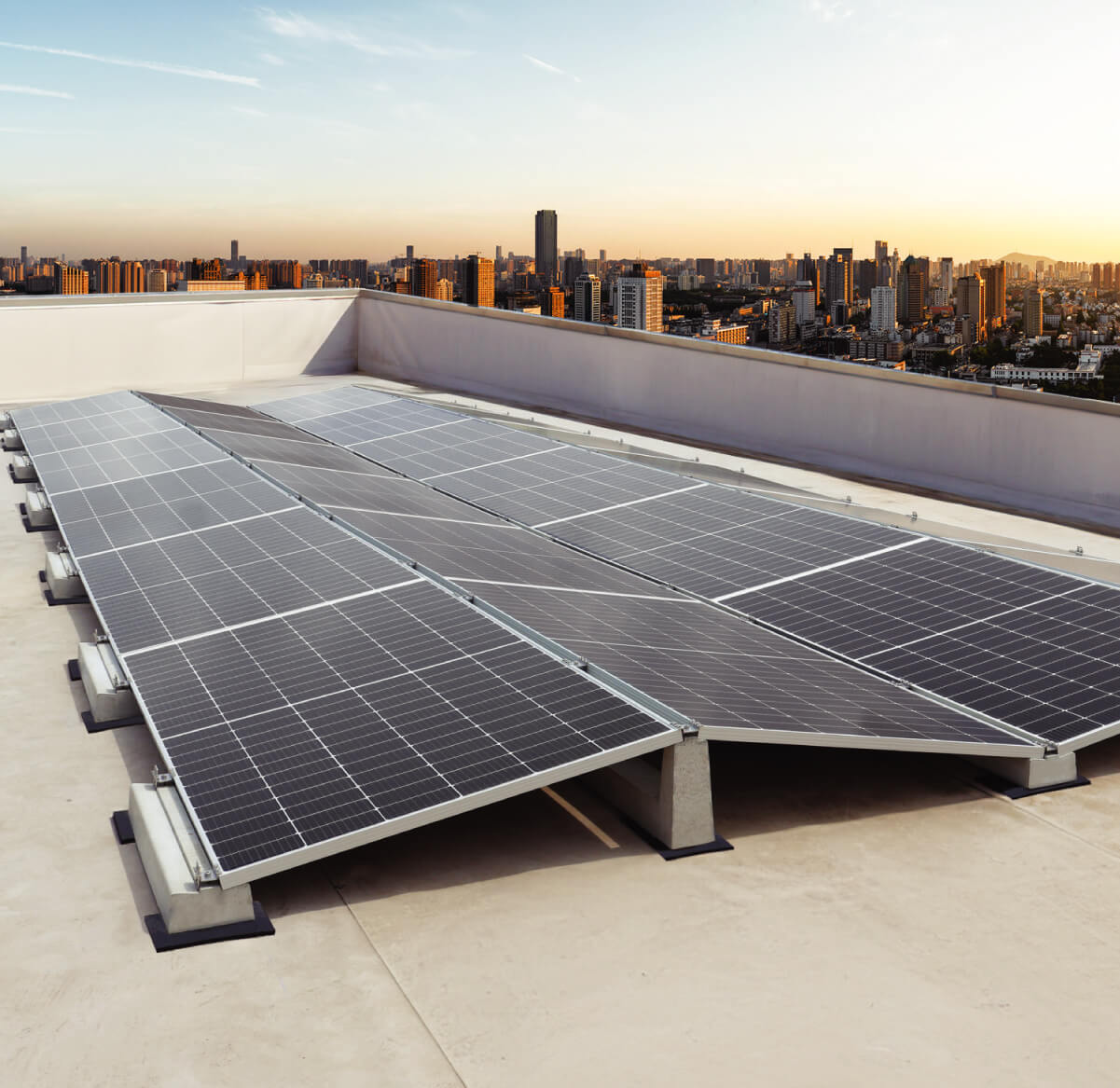
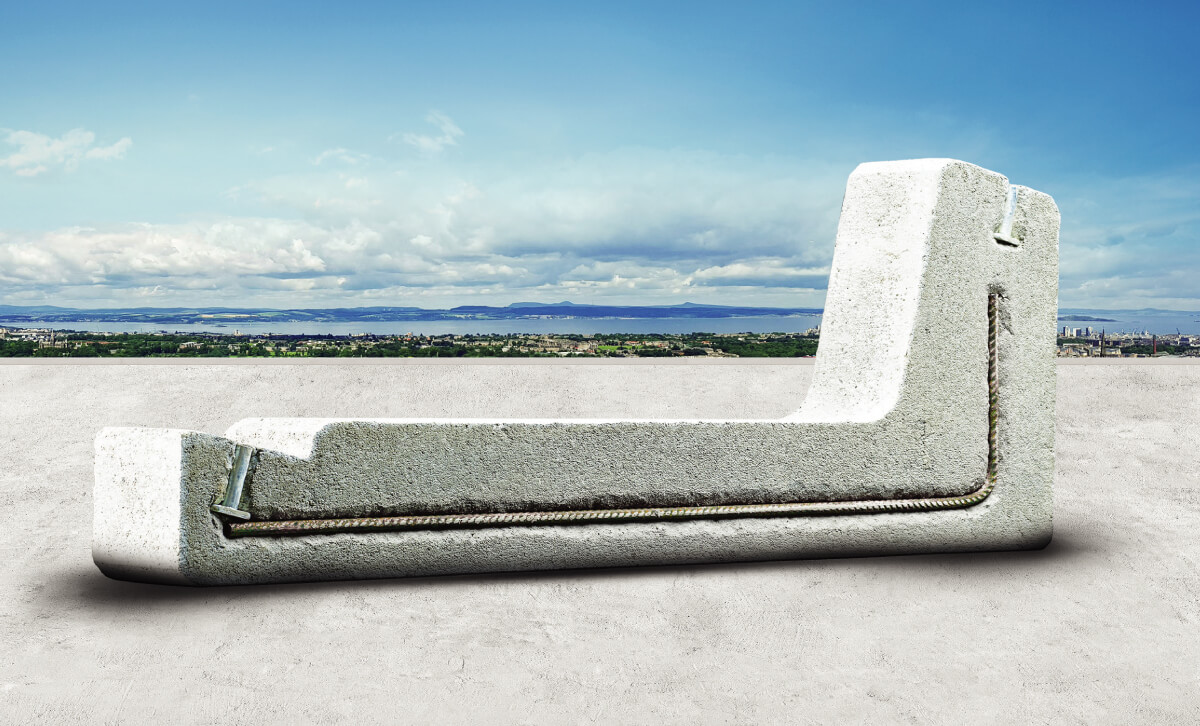
penetrations. A ballast-based mounting approach solves many of these issues by securing modules
with engineered concrete weights rather than drilling into the waterproof layer. That means
fewer on-site surprises, cleaner workflows, and faster commissioning. For designers and
engineers, durability also means predictable performance: certified solutions, tested
configurations, and reliable documentation to support wind and load calculations. And for
distributors, a robust, recognizable solution is easier to stock and recommend because it
reduces callbacks and warranty discussions. The real value is a complete, job-ready system that
supports the project from early layout to final execution—so you’re not buying “parts,” you’re
choosing a method that reduces risk. If your priority is speed without compromising safety,
durable solar powered products installation support becomes the foundation for every successful
flat-roof PV installation.
Non-penetrating ballasted systems: faster
installs, fewer risks
A non-penetrating system is designed to keep the roof intact. By
avoiding mechanical fixings, installers can eliminate one of the most common sources of
long-term problems: water ingress around anchors and fasteners. With a ballasted solution, the
structure is simplified—often with fewer elements to handle, align, and tighten—so teams can
work more quickly and consistently. This is especially useful on large industrial buildings and
commercial roofs where time on site directly impacts margins. Durable solar powered products
installation support should also be intuitive: clear positioning, straightforward cable
management, and repeatable assembly that reduces training time for new crew members. On the
technical side, the system must support proper tilt angles, row spacing, and stable load
distribution across the roof surface. The result is a mounting method that fits the realities of
Italian job sites: tight schedules, safety expectations, and the need to avoid unexpected roof
interventions. When the structure is engineered and tested, you gain confidence that the array
will remain stable over time, even under demanding wind conditions common in many regions.
Get technical guidance from design to
execution (without naming a supplier)
The best durable solar powered products installation support
includes more than hardware—it includes people and process. Installers benefit when technical
support is available early, helping confirm the layout, choose the right configuration, and
reduce on-site adjustments. Engineers and design studios need dependable inputs for system
sizing, wind verification, and load checks, supported by consistent data and proven solutions.
Commercial teams and distributors need responsive assistance that makes quoting and project
coordination smoother. Look for a partner-like approach: technical help during planning, support
for dimensioning the PV system, commercial assistance, and project development through to
execution. This end-to-end support reduces responsibility gaps, speeds approvals, and helps you
deliver a cleaner handover to the client. For Italian flat-roof PV, the winning formula is
simple: a non-penetrating, ballasted mounting solution that is reliable, tested, and easy to
install—backed by real installation support that answers questions before they become problems.
If your next project demands speed, safety, and long-term performance, make durable solar
powered products installation support the first decision, not an afterthought.