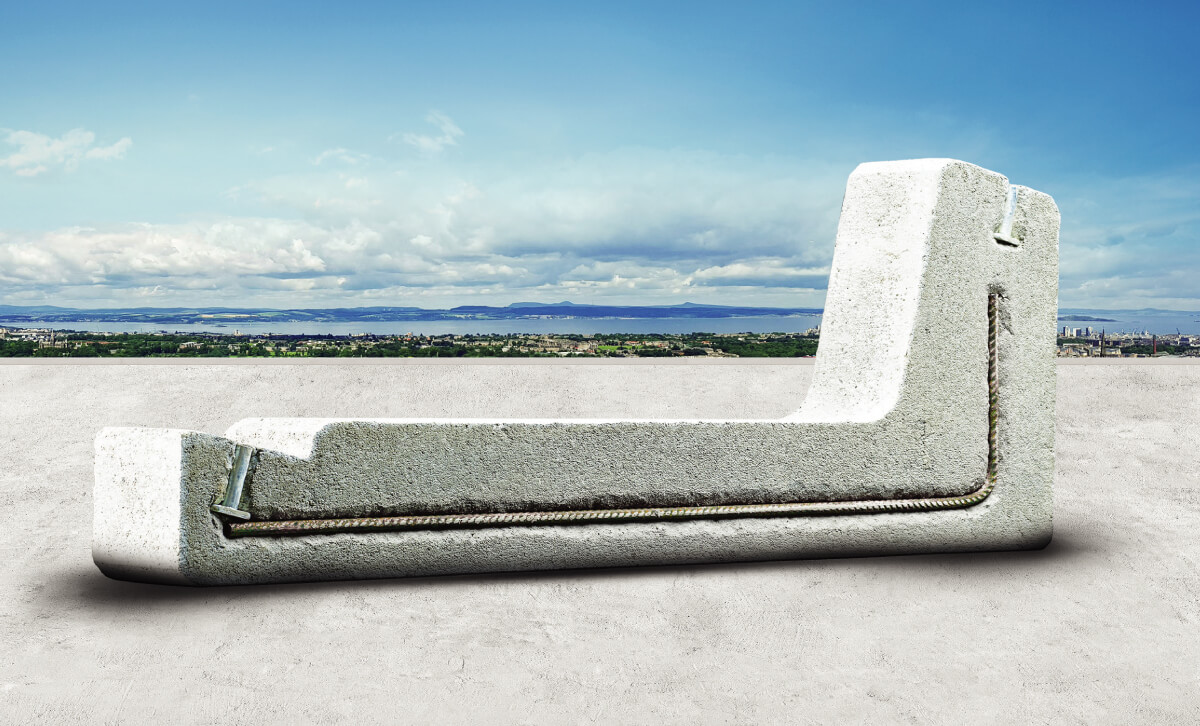
Why cost-effective PV rooftop mounting systems
matter on Italian flat roofs
In Italy’s fast-moving PV market, installers and designers are
under pressure to deliver reliable plants quickly, safely, and with predictable margins. That is
why choosing cost-effective pv rooftop mounting systems is no longer just a purchasing
decision—it is a productivity strategy. On flat roofs in particular, every extra component, roof
penetration, and on-site adjustment adds time, risk, and hidden cost. A well-designed mounting
solution helps you standardize the job: fewer parts to manage, clearer installation steps, and
faster commissioning.
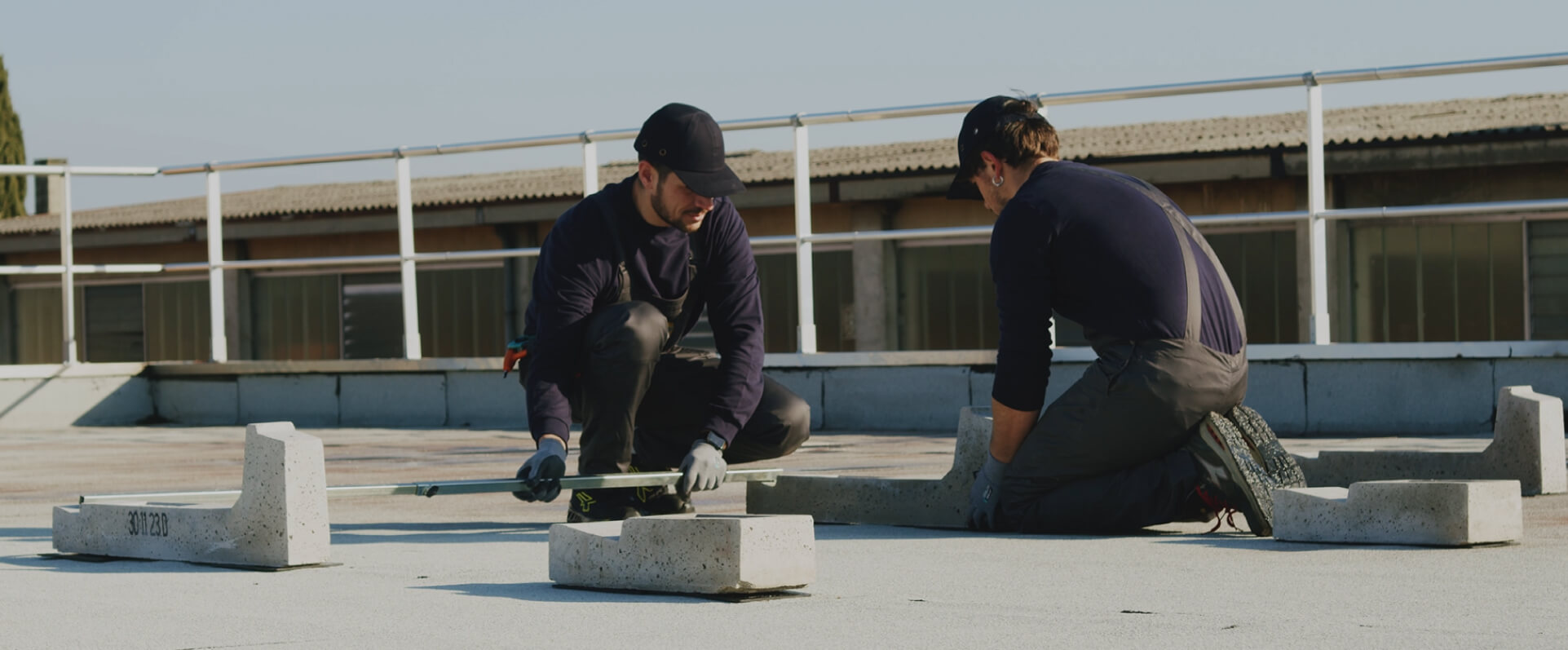
For many commercial and industrial rooftops, non-penetrating approaches are especially
attractive. Ballasted mounting structures can avoid drilling into the waterproofing layer,
reducing the likelihood of leaks and minimizing rework. This also simplifies coordination with
roof warranties and makes site logistics smoother, because crews can focus on panel placement,
cable routing, and inverter setup rather than complex substructures.
When evaluating a rooftop PV racking solution, consider total installed cost, not just the price
per unit. Look at wind-load behavior, roof load distribution, and the availability of tested
configurations and documentation. In short, the most cost-effective option is the one that
reduces installation time, lowers project risk, and delivers consistent performance across
multiple sites—especially on the flat roofs common to Italian warehouses, factories, and
logistics hubs.
Key features to look for: speed, safety, and
fewer roof risks
The best cost-effective pv rooftop mounting systems combine
simplicity with proven engineering. For installers, speed comes from modular design and minimal
hardware: fewer clamps, fewer rails, and less measuring on the roof. For engineers and technical
offices, confidence comes from certified data, repeatable layouts, and support with structural
checks such as wind uplift and ballast sizing.
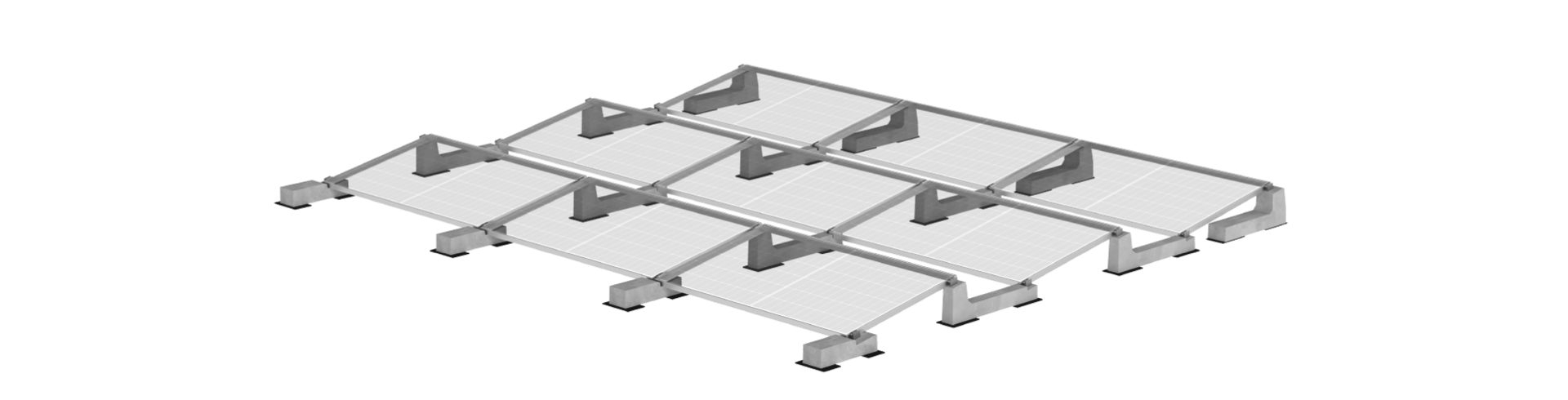
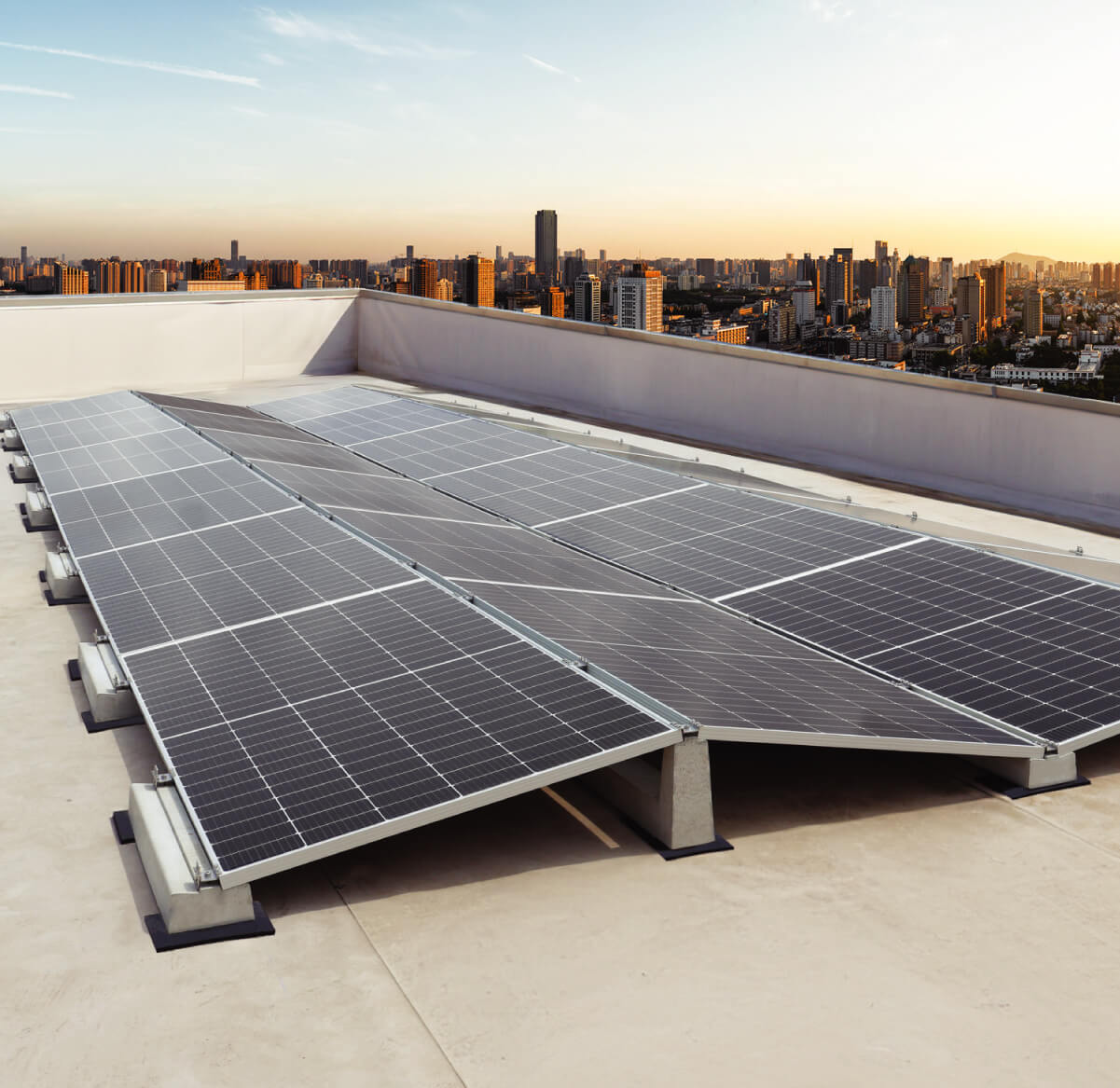
A major differentiator for flat-roof PV mounting is the ability to install without roof
penetrations. Concrete ballast solutions can provide stability while protecting the roof
membrane, helping reduce leak risks and limiting disputes during handover. This approach can
also make maintenance easier: panels can be accessed without dealing with sealed anchors or
complex flashing.
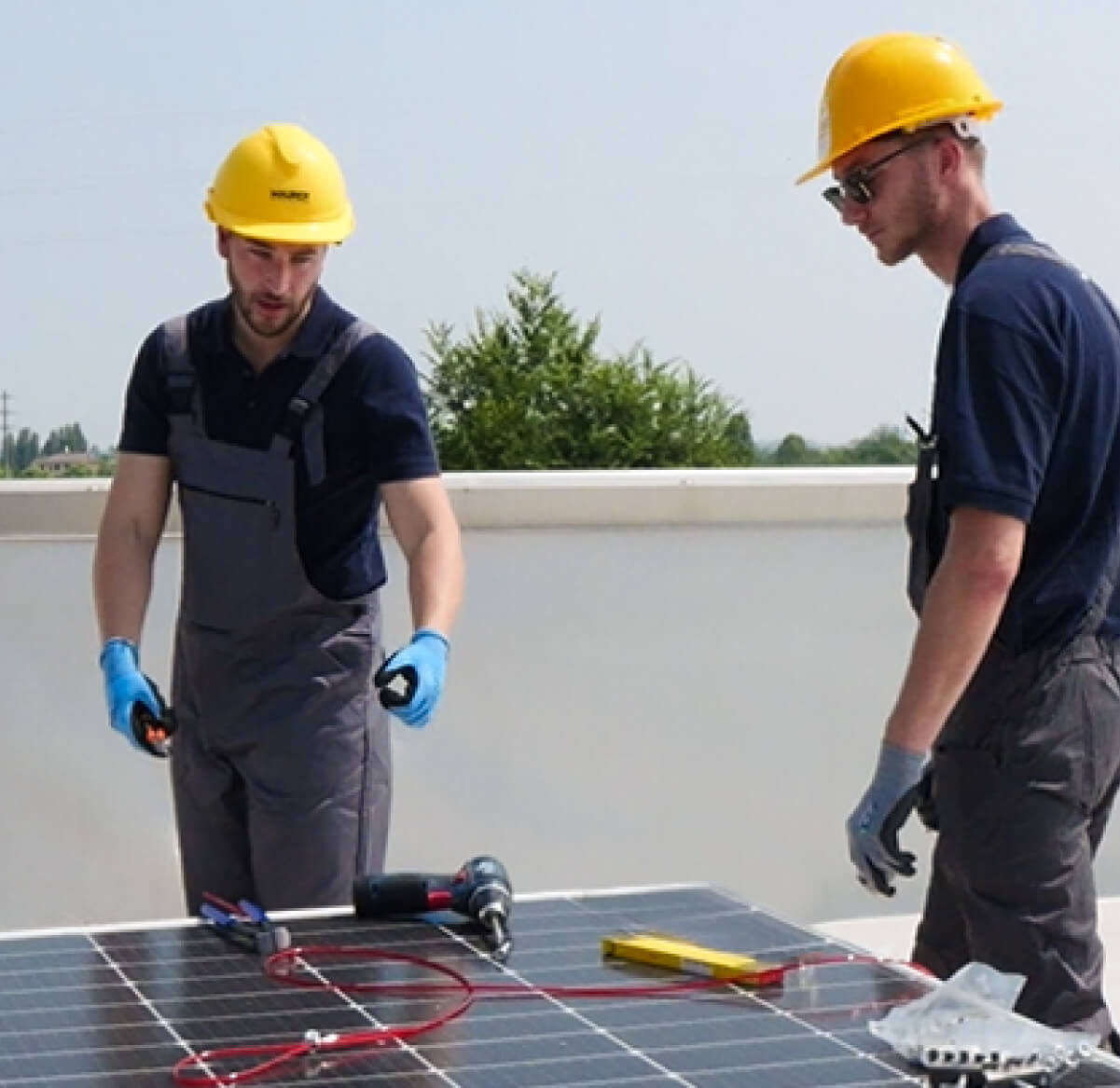
Also consider practical site factors that influence cost: transport and handling of components,
rooftop staging, and the learning curve for crews. A system designed for intuitive assembly
reduces training time and mistakes, which is critical when you are scaling across multiple
rooftops. For distributors, a recognizable, easy-to-explain solution with strong technical
backing tends to move faster, because it addresses the real objections customers raise: safety,
compliance, and long-term reliability.
A complete B2B solution: technical support
that protects your margins
Cost-effective pv rooftop mounting systems deliver the best
results when the product is backed by a real project workflow. In the Italian B2B market,
professionals benefit from a partner-style approach that supports the job from pre-design to
execution: preliminary layouts, reliable sizing inputs, and assistance that helps you avoid
overspecifying materials or underestimating wind and load conditions.
For installers, this means fewer surprises on site, quicker installation, and a smoother path
from delivery to commissioning. For designers and engineering firms, it means access to
dependable technical documentation and tested solutions that reduce responsibility-related
stress. And for distributors, it means offering a solution that is easier to sell because it is
repeatable and supported.
If your goal is to make flat-roof PV projects in Italy faster and more predictable, prioritize
mounting systems that reduce components, avoid drilling the roof, and provide clear, engineered
configurations. That combination cuts labor hours, minimizes roof-related risks, and improves
job profitability—without compromising safety or durability. To explore configurations,
applications, and technical resources for flat-roof PV, visit www.sunballast.com.