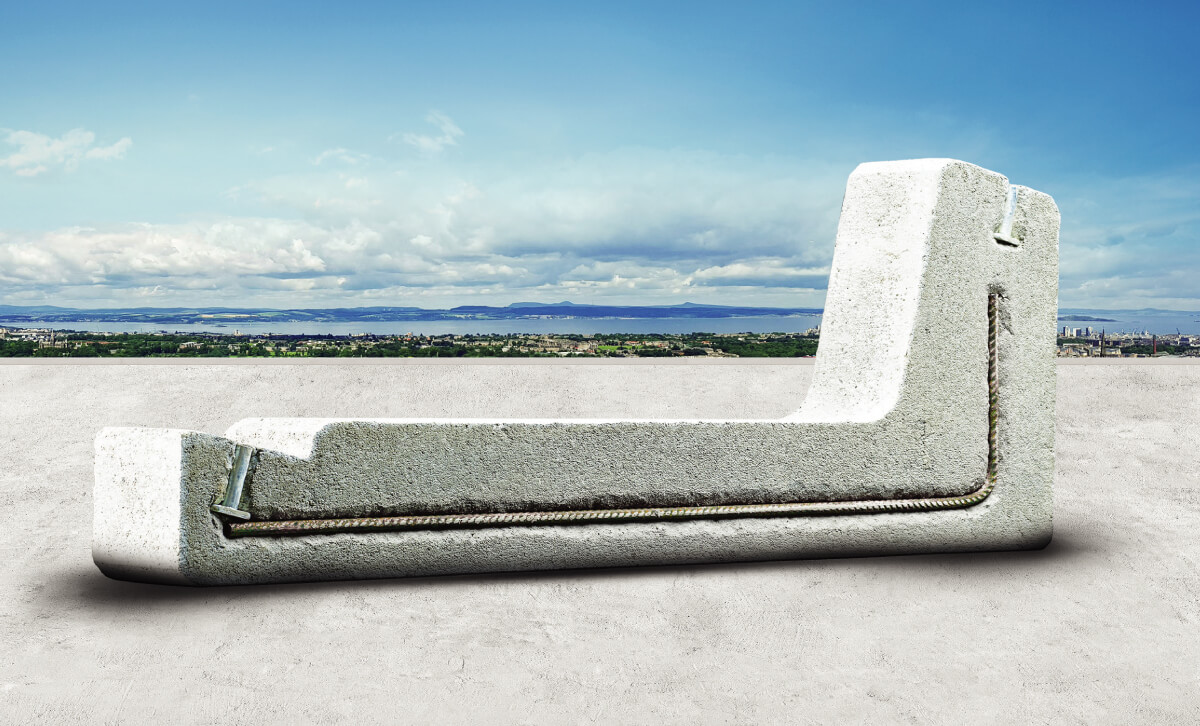
Why Flat Roof Ballasted Solar Racking Is the
Smart Choice in Italy
For many commercial and industrial buildings across Italy, flat
roofs are the fastest path to solar—until roof penetrations, waterproofing risks, and complex
structures slow the job down. Flat roof ballasted solar racking solves these issues by using
engineered concrete ballast to secure modules without drilling into the membrane. That means
fewer uncertainties on site, less coordination with roofing contractors, and a cleaner handover
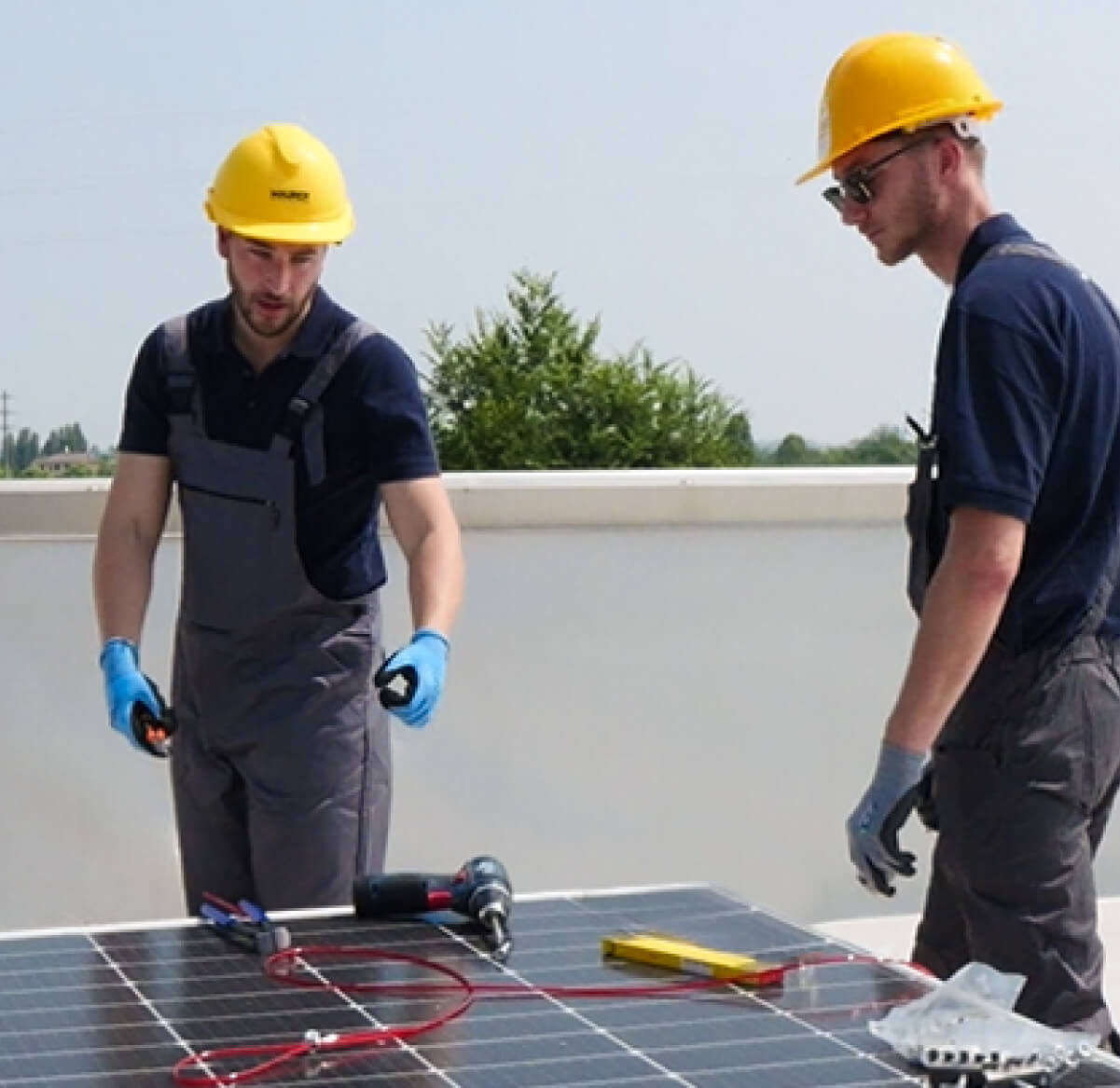
for the client. Installers benefit from a streamlined workflow with fewer parts to manage,
predictable assembly steps, and quicker commissioning—especially on large rooftops where time
drives margins. Designers and engineers gain a practical way to control loads and wind actions
through proven configurations, helping reduce project risk and simplify documentation.
Distributors appreciate a solution that’s easy to explain and consistently in demand as Italy
accelerates PV adoption on warehouses, logistics hubs, and production facilities. In short, a
ballasted system is not just a mounting option: it’s a site-ready approach that prioritizes roof
integrity, installation speed, and long-term reliability. If your priority is to deliver a safe,
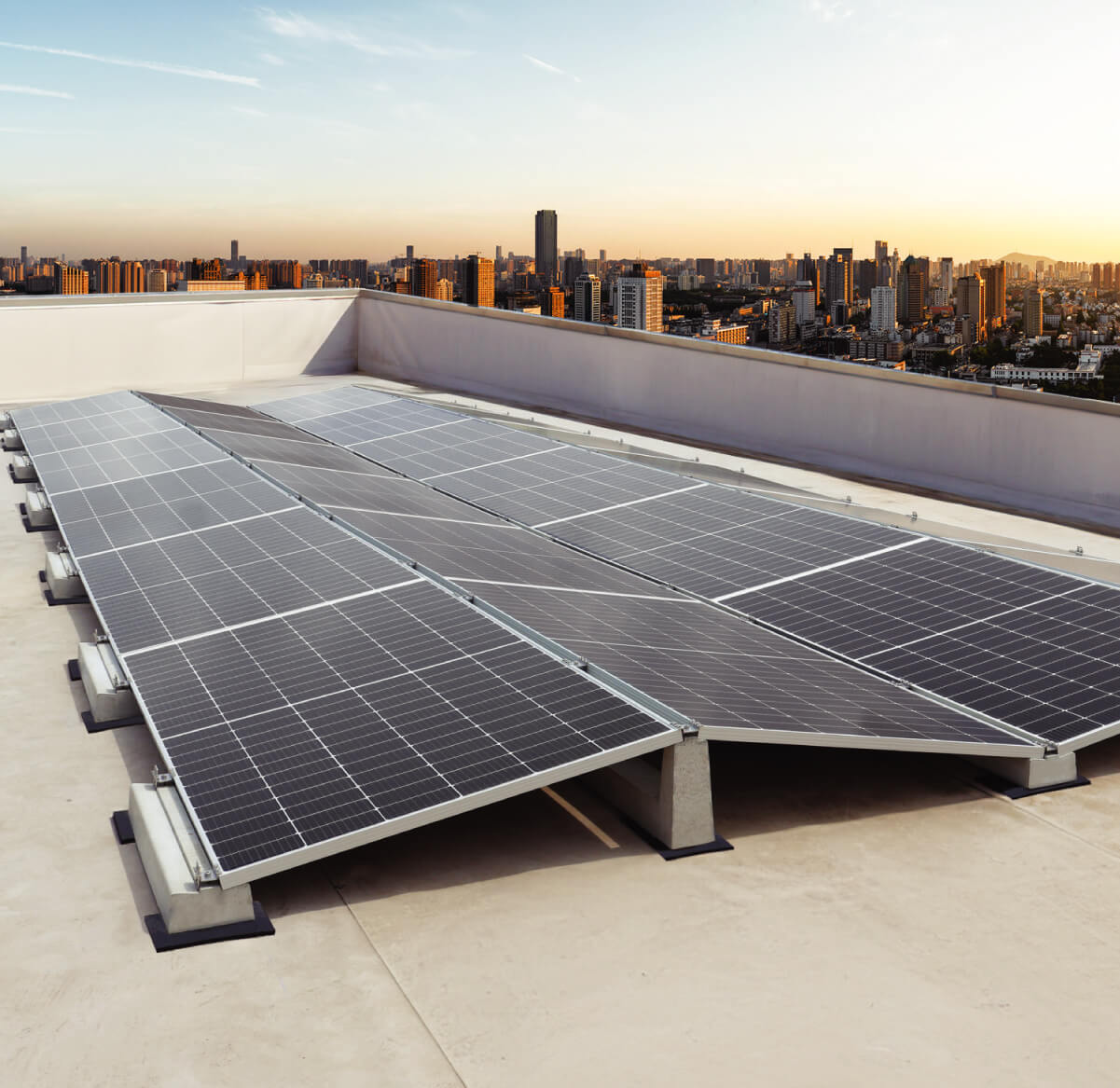
efficient PV array on a flat roof—without unnecessary complexity—ballasted racking is a
compelling foundation for your next project.
Faster Installation, Fewer Headaches: Built
for Installers and Site Reality
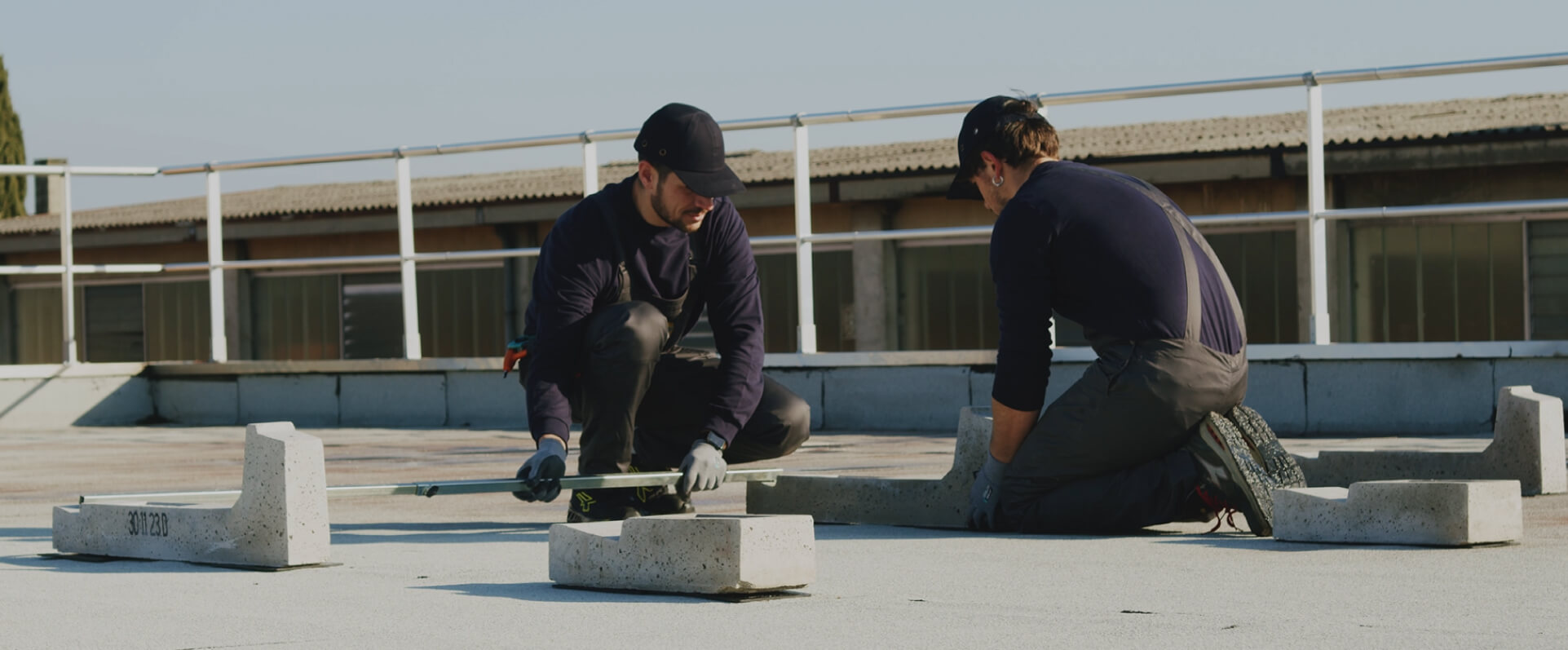
On a busy rooftop, every extra bracket, rail, and fastener adds
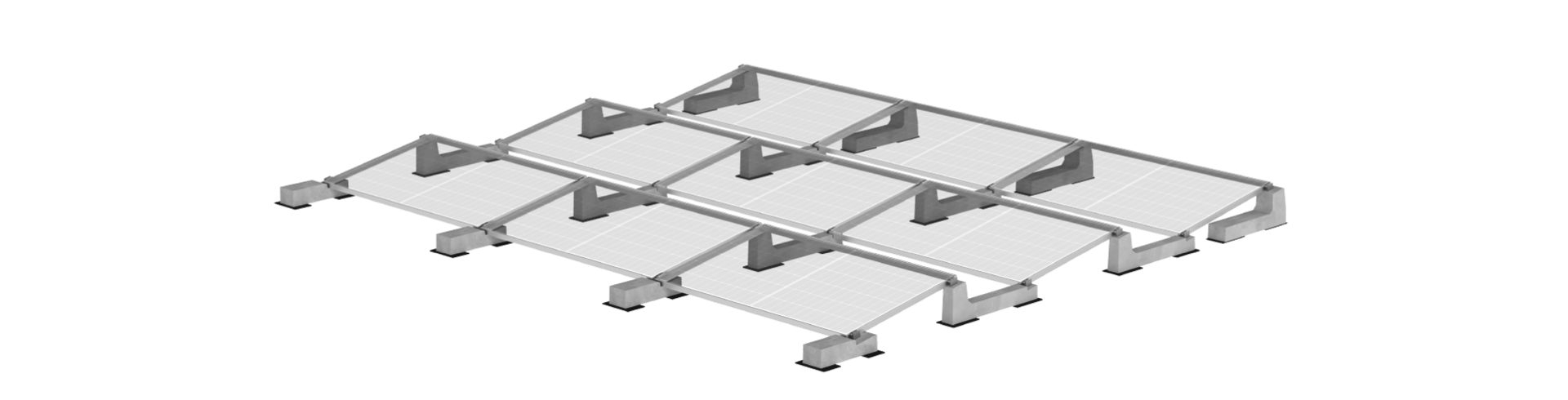
time and potential mistakes. A well-designed flat roof ballasted solar racking system focuses on
simplicity: stable supports, intuitive module positioning, and minimal components to move,
stage, and assemble. Because the system relies on ballast rather than penetrations, you avoid
many common site delays—permission discussions about drilling, waterproofing checks, and
corrective sealing work. The result is a smoother schedule and more predictable labor planning.
This is particularly valuable in Italy, where many roofs have strict waterproofing requirements
and where downtime for industrial facilities can be costly. Ballasted PV mounting also supports
cleaner logistics: concrete weights can be planned and delivered in line with the layout,
reducing improvisation on site. For installers, the payoff is clear: faster builds, fewer
call-backs, and a solution that helps protect both the roof and your reputation. When you can
complete more installations per month with fewer complications, your business becomes more
competitive—even before considering the system’s structural performance.
Engineering Confidence: Wind, Loads, and
Project Support from Design to Execution
Choosing flat roof ballasted solar racking is also an engineering
decision, not only an installation preference. The right solution provides dependable data for
sizing and verification, with configurations designed to handle wind exposure, edge zones, and
roof load constraints typical of Italian buildings. Concrete ballast offers inherent stability,
while optimized tilt angles and array layouts can support performance goals without
overcomplicating the structure. For technical offices, having access to project
assistance—layout guidance, system sizing, and documentation support—reduces calculation burden
and helps manage responsibility. For procurement teams and distributors, it means fewer
uncertainties when specifying a system: you can propose a recognizable, proven approach that
installers trust. Ultimately, the best ballasted racking is a complete solution: it protects the
roof, accelerates installation, and provides the technical backbone needed to deliver safe
photovoltaic systems on flat roofs. If you’re planning your next rooftop PV project in Italy,
prioritize a ballasted approach that combines robust concrete supports, verified performance,
and professional support through every project phase.