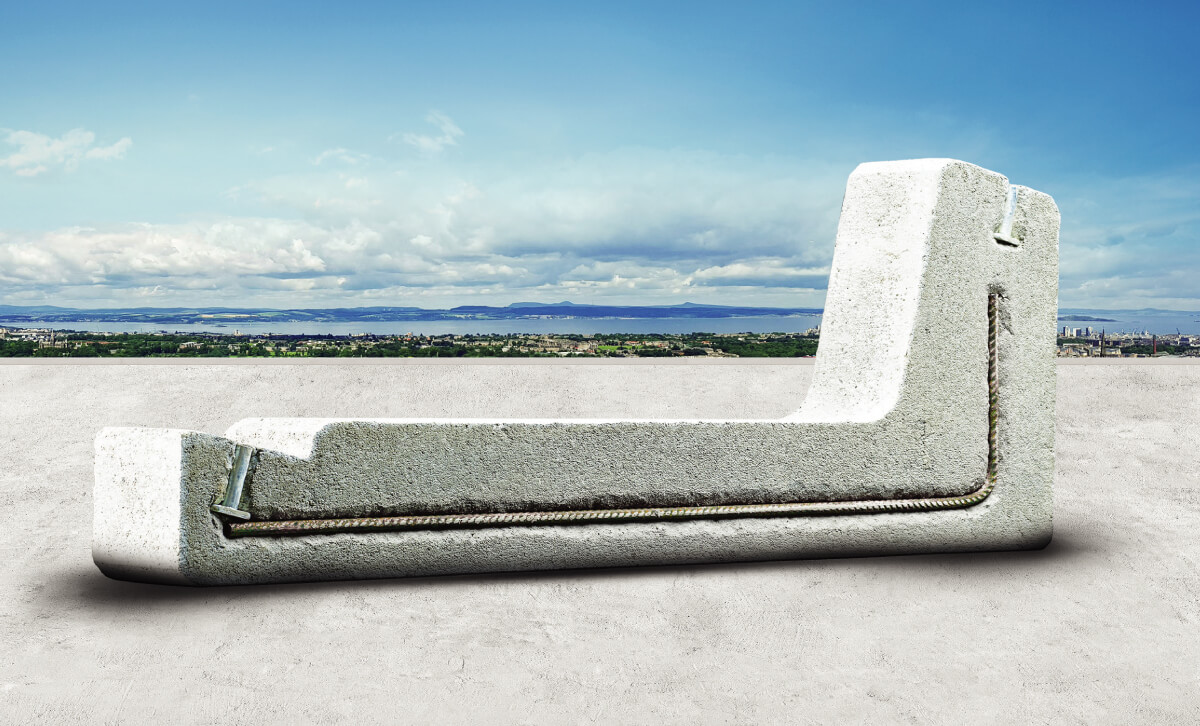
Why Concrete Ballasted Roof Mounting Is the
Smart Choice for Flat Roof Solar
For flat roofs in Italy, choosing the right PV structure can make
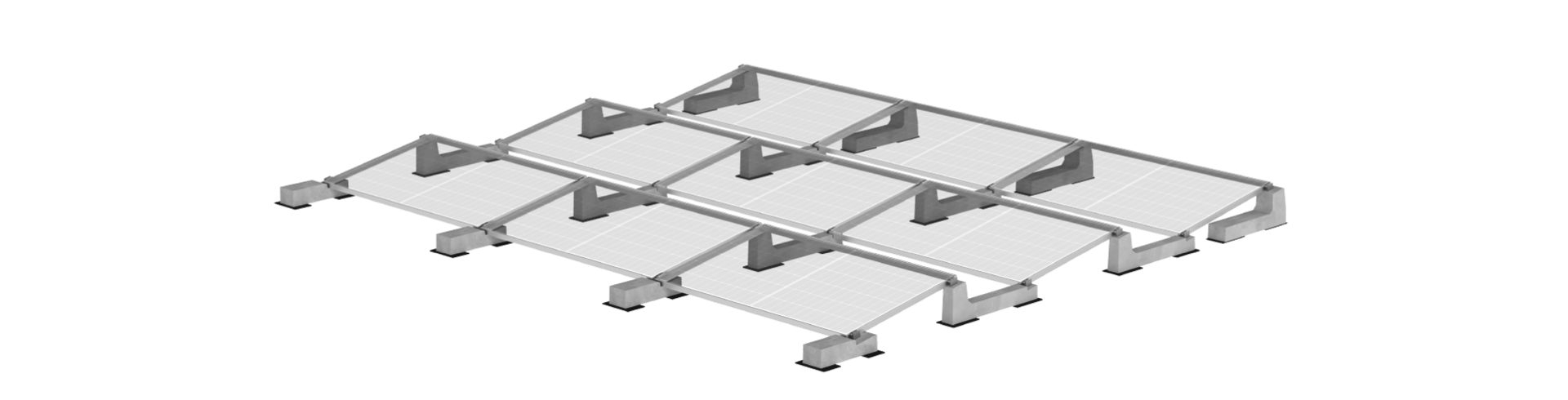
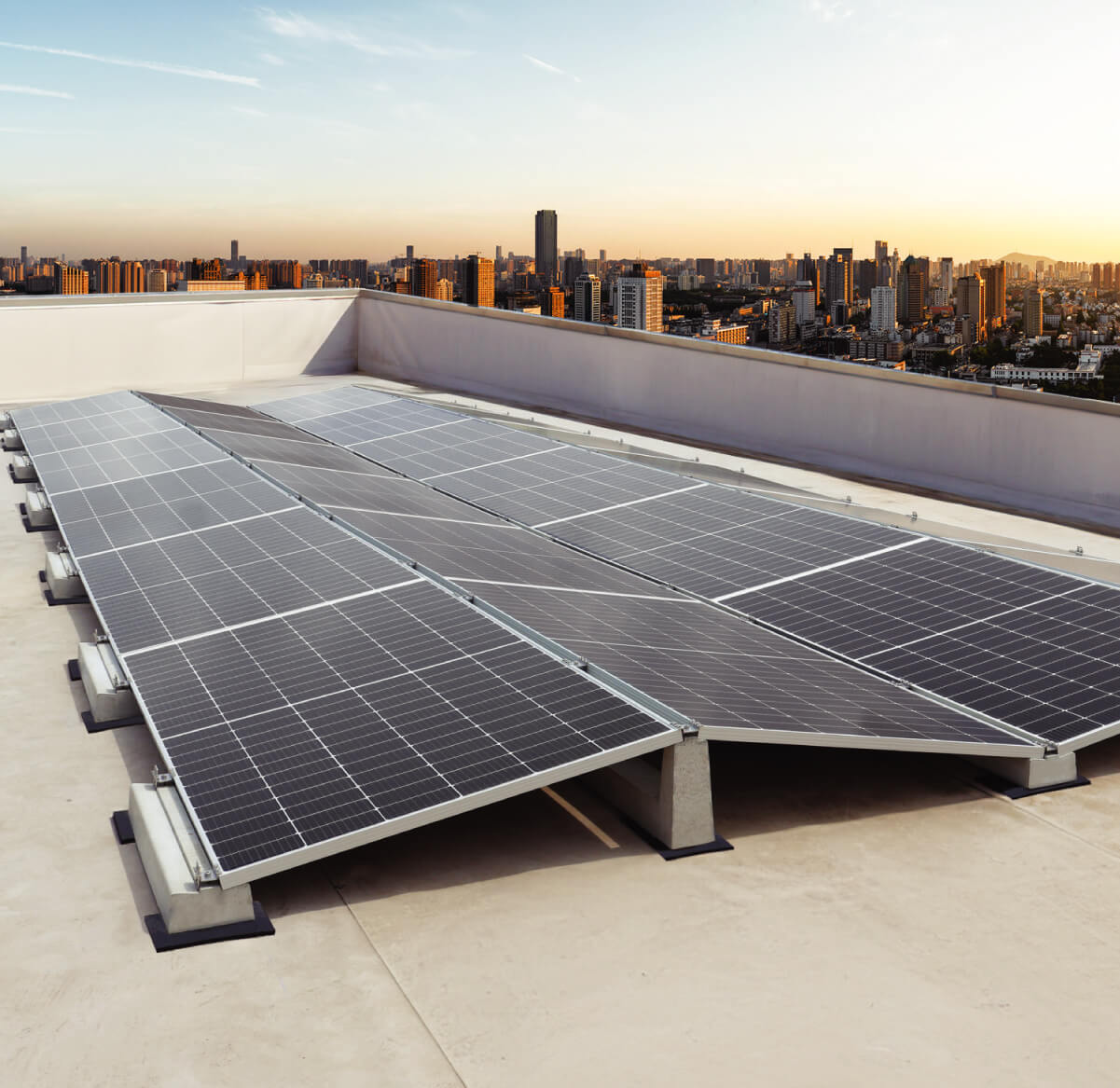
or break an installation. Concrete ballasted roof mounting is designed to keep solar modules
stable using weighted supports, avoiding roof penetrations and the risks that come with drilling
into waterproof membranes. For installers, that means fewer on-site surprises, a cleaner
workflow, and faster assembly with fewer components to manage. For designers and engineers, it
delivers a predictable approach to wind uplift and load distribution, helping you meet project
requirements with confidence. On commercial and industrial buildings—where downtime and roof
integrity matter—ballasted systems are often the most practical route to a secure, durable
photovoltaic array.
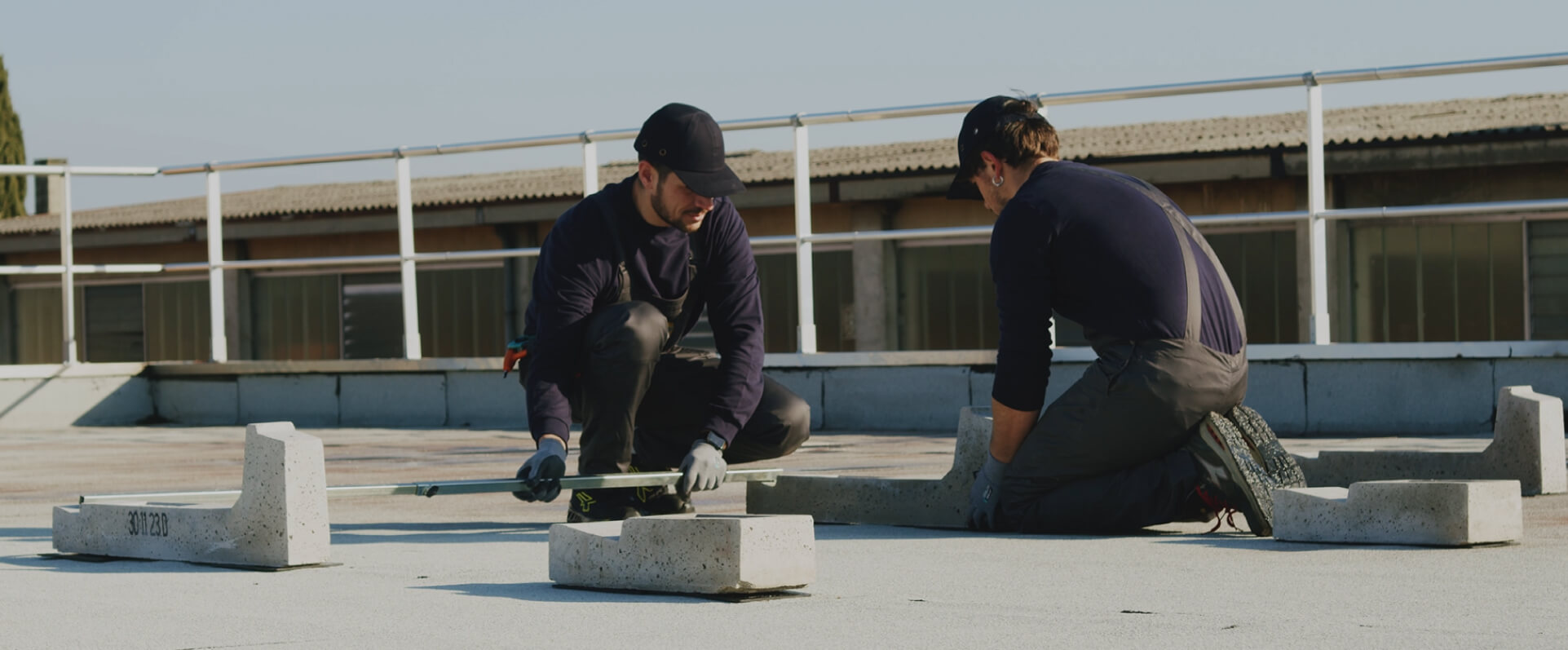
A well-engineered concrete ballast solution also helps simplify logistics: supports arrive ready
to place, alignment is intuitive, and cable management can be planned without complex
substructures. Because the system relies on mass and geometry rather than anchors, you reduce
the chance of leaks and limit long-term maintenance concerns. In short, concrete ballasted roof
mounting combines speed, safety, and reliability—exactly what professional solar teams need when
deadlines are tight and performance standards are non-negotiable.
Faster Installation, Less Risk: Benefits
Installers Notice Immediately
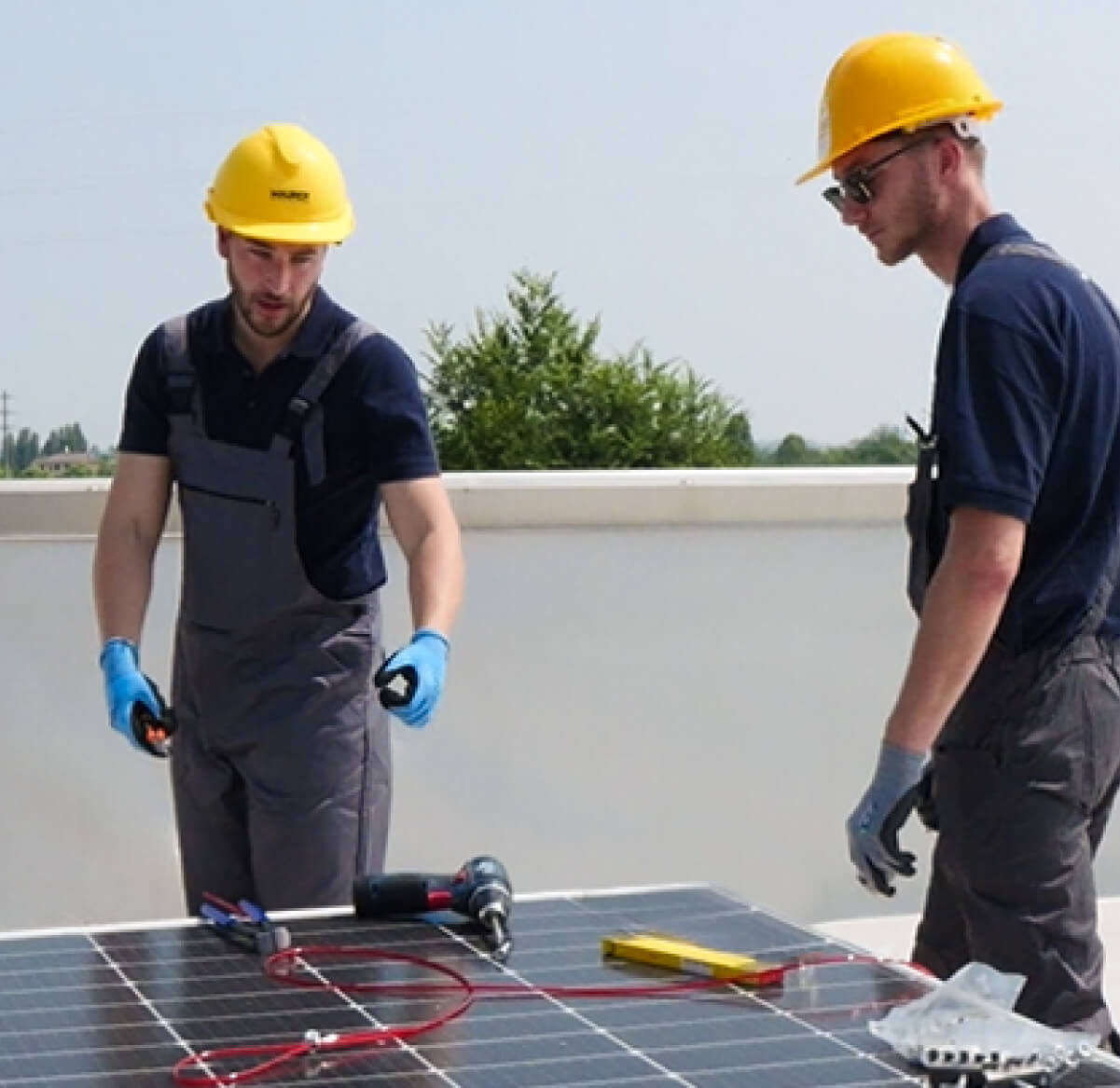
Installers value concrete ballasted roof mounting because it
removes one of the biggest headaches on flat roofs: fixing points. No penetrations means no
sealing details to re-check, fewer permissions, and less coordination with roof specialists. The
result is shorter installation time and a more repeatable process across different sites.
Practical advantages include quicker positioning of rows, simplified leveling, and reduced
hardware count compared with many traditional racking solutions. This translates into lower
labor hours and fewer opportunities for mistakes. Just as important, ballasted mounting helps
protect the roof warranty, since you’re not creating openings that can compromise the membrane.
When you’re managing multiple projects, a system that is intuitive, robust, and fast to assemble
gives you a clear competitive edge.
Built for Professionals: Sizing, Wind Loads,
and Technical Support That Reduces Complexity
Every flat roof has its own constraints—parapets, HVAC units, load
limits, and exposure to wind. That’s why concrete ballasted roof mounting works best when paired
with solid engineering data and project support. Accurate sizing based on wind load
calculations, ballast distribution, and array layout helps you achieve the right balance between
safety and efficiency.
For engineering studios and technical offices, having reliable documentation and tested
configurations reduces design liability and speeds up approvals. Distributors benefit too: a
recognizable, problem-solving solution is easier to propose and easier to keep moving through
the pipeline.
If your goal is to deliver flat roof PV projects in Italy that are quicker to build, safer for
the roof, and easier to design, concrete ballasted roof mounting is a proven route—especially
when you can rely on expert guidance from planning through execution.