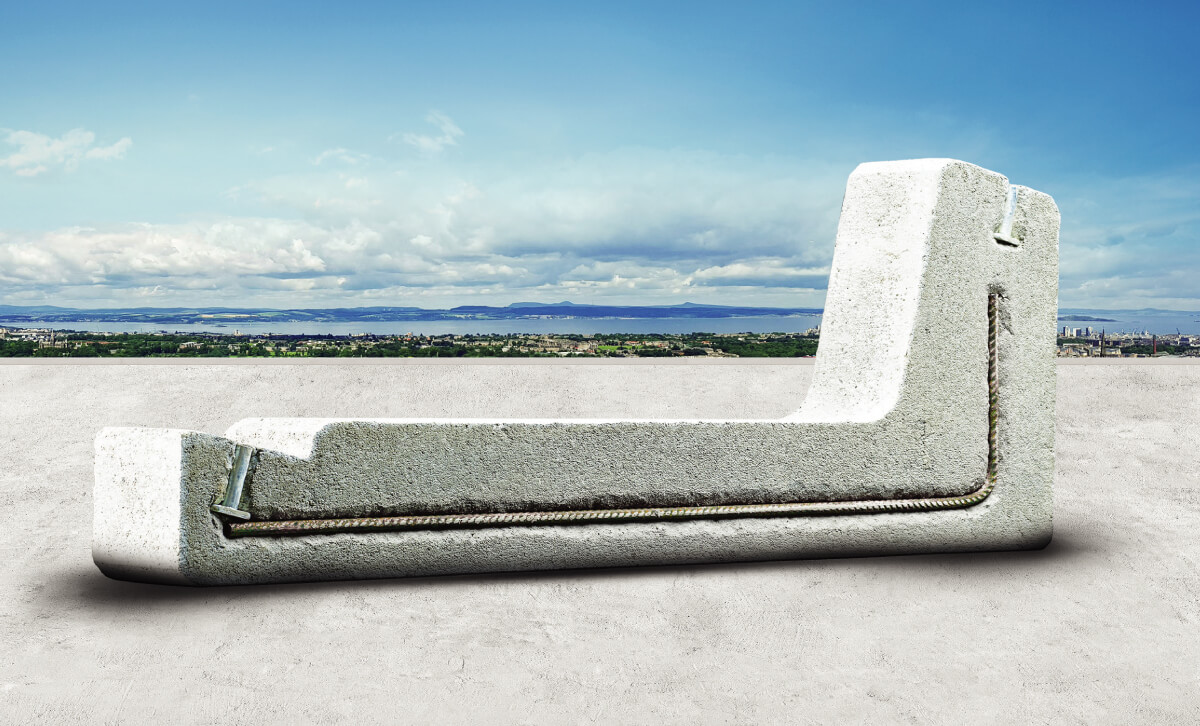
Why Concrete Ballast for Solar Panels Is the
Smart Choice on Flat Roofs
Choosing concrete ballast for solar panels is one of the most
practical ways to build reliable PV systems on flat roofs in Italy. Instead of penetrating the
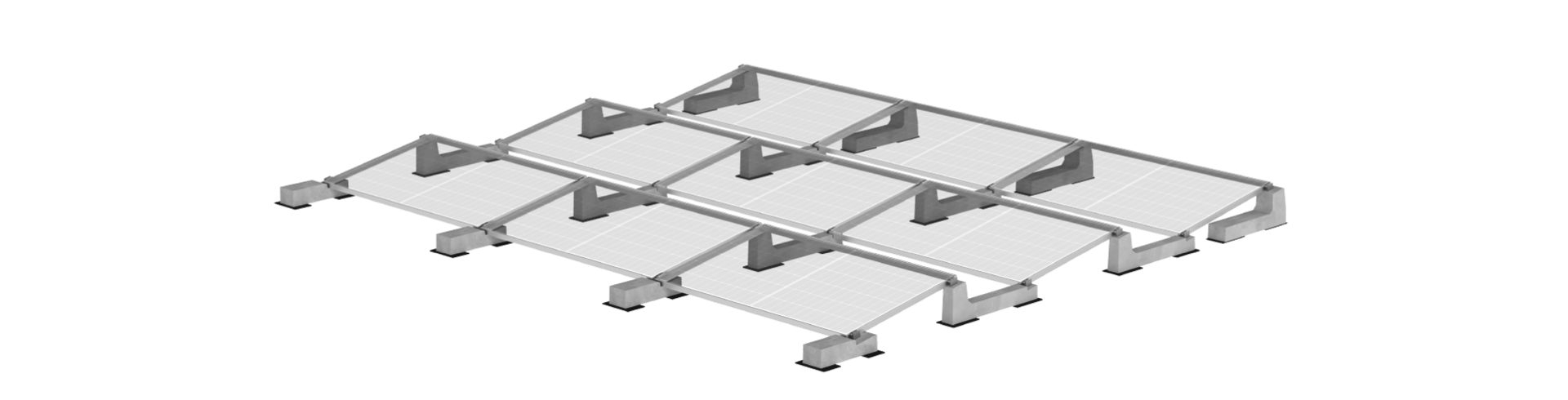
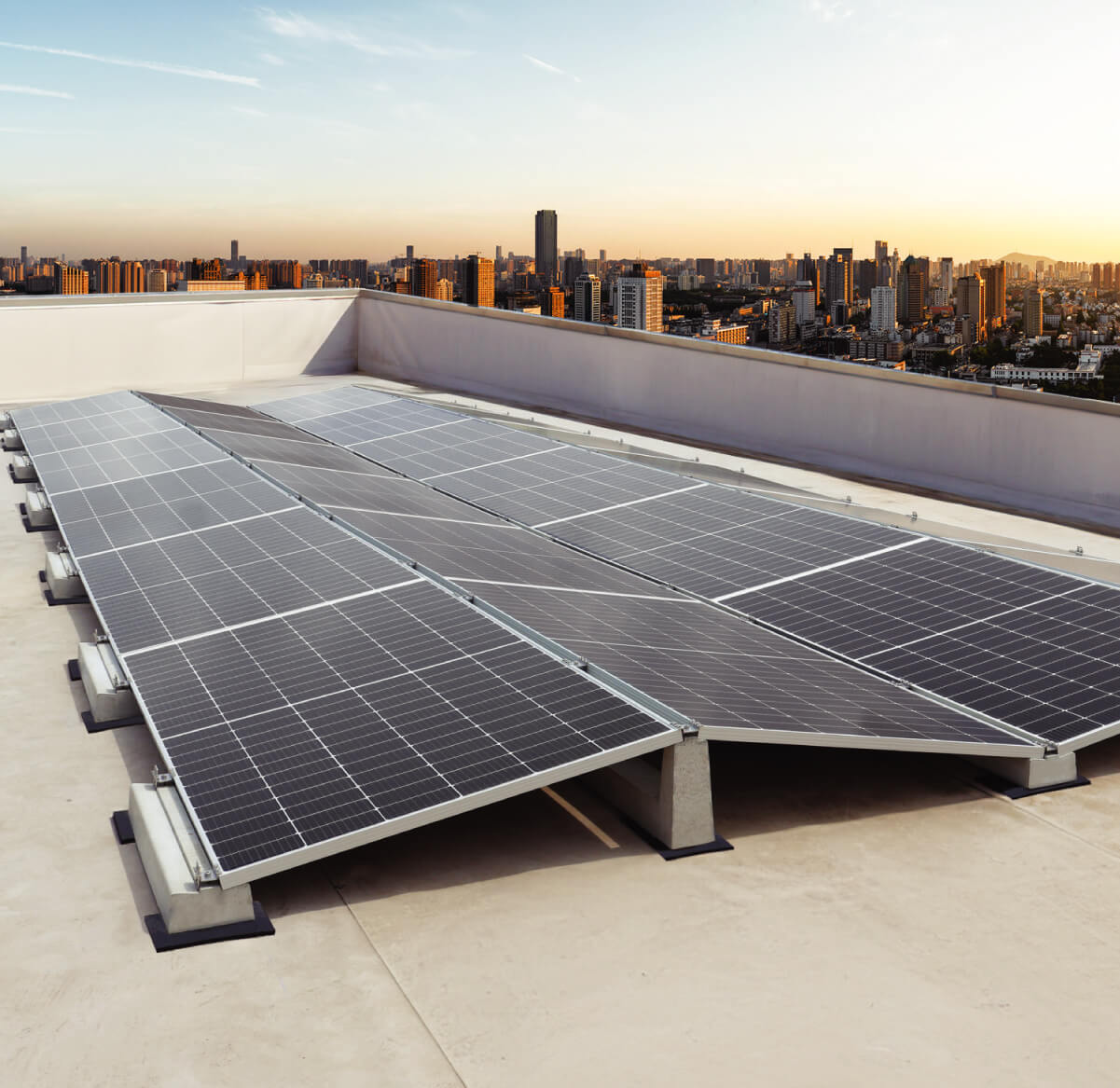
waterproof membrane with anchors, a ballasted mounting approach uses weight, smart geometry, and
certified design to keep modules stable while protecting the roof. For installers, that means
fewer on-site surprises, faster workflows, and a cleaner handover. For engineers and technical
offices, it means predictable load paths and easier compliance with wind and structural checks.
In many commercial rooftops—warehouses, logistics hubs, and industrial buildings—the real
challenge is balancing speed with safety. Concrete ballast for solar panels helps reduce
installation complexity because the system typically requires fewer components than traditional
racking with roof fixings. With the right configuration, you can optimize tilt angle, row
spacing, and layout while limiting shading and maintaining service walkways.
Just as important, ballasted solutions are ideal when the roof owner wants minimal disruption:
no drilling, lower risk of water ingress, and simpler maintenance planning. When you combine
durable concrete elements with a mounting design validated through testing and field experience,
you get a long-term solution that installers can trust, and designers can specify with
confidence.
Installation Benefits: Less Time on Site, Less
Risk on the Roof
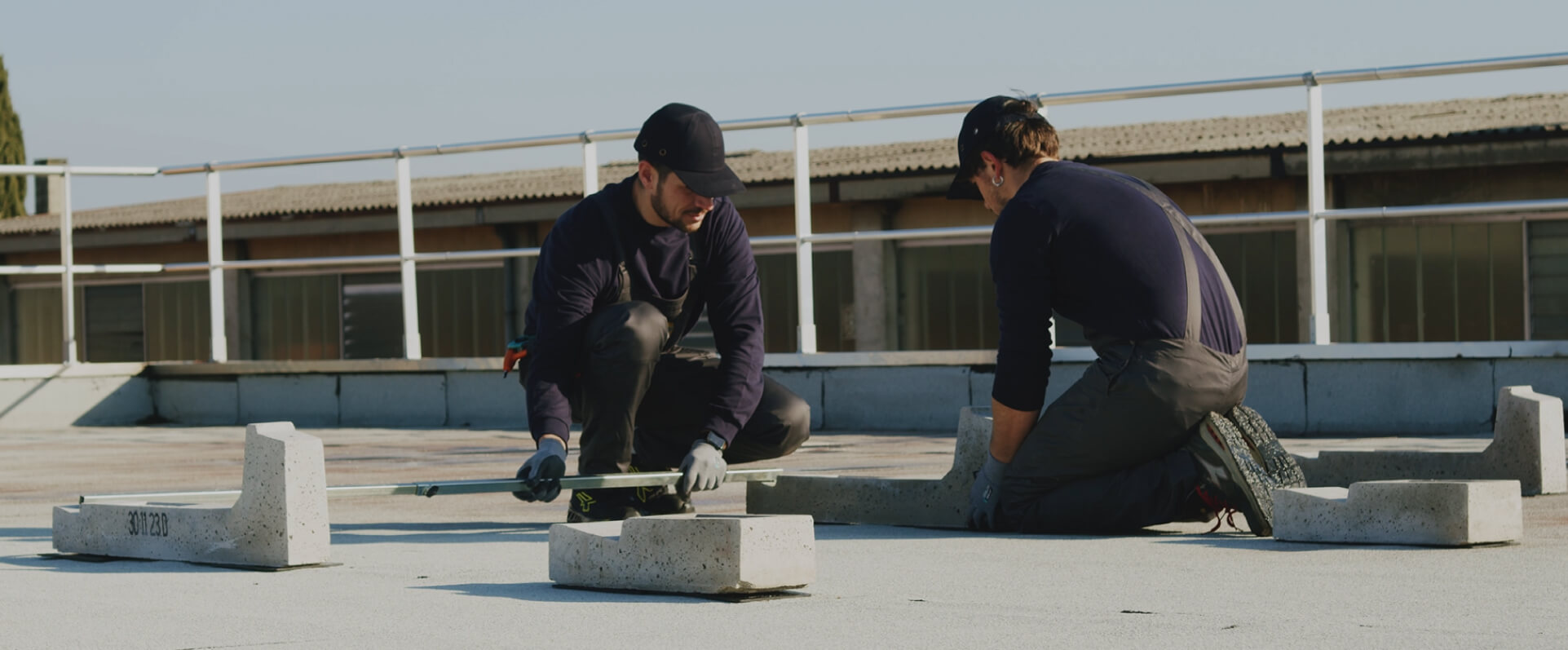
On a flat roof job, minutes matter. Concrete ballast for solar
panels streamlines daily tasks: positioning, aligning, and securing modules can be performed
with an intuitive sequence that reduces labor hours. Because the roof is not perforated, you
avoid the most common sources of delays—unplanned waterproofing repairs, approvals for
penetrations, and the extra coordination with roofing contractors.
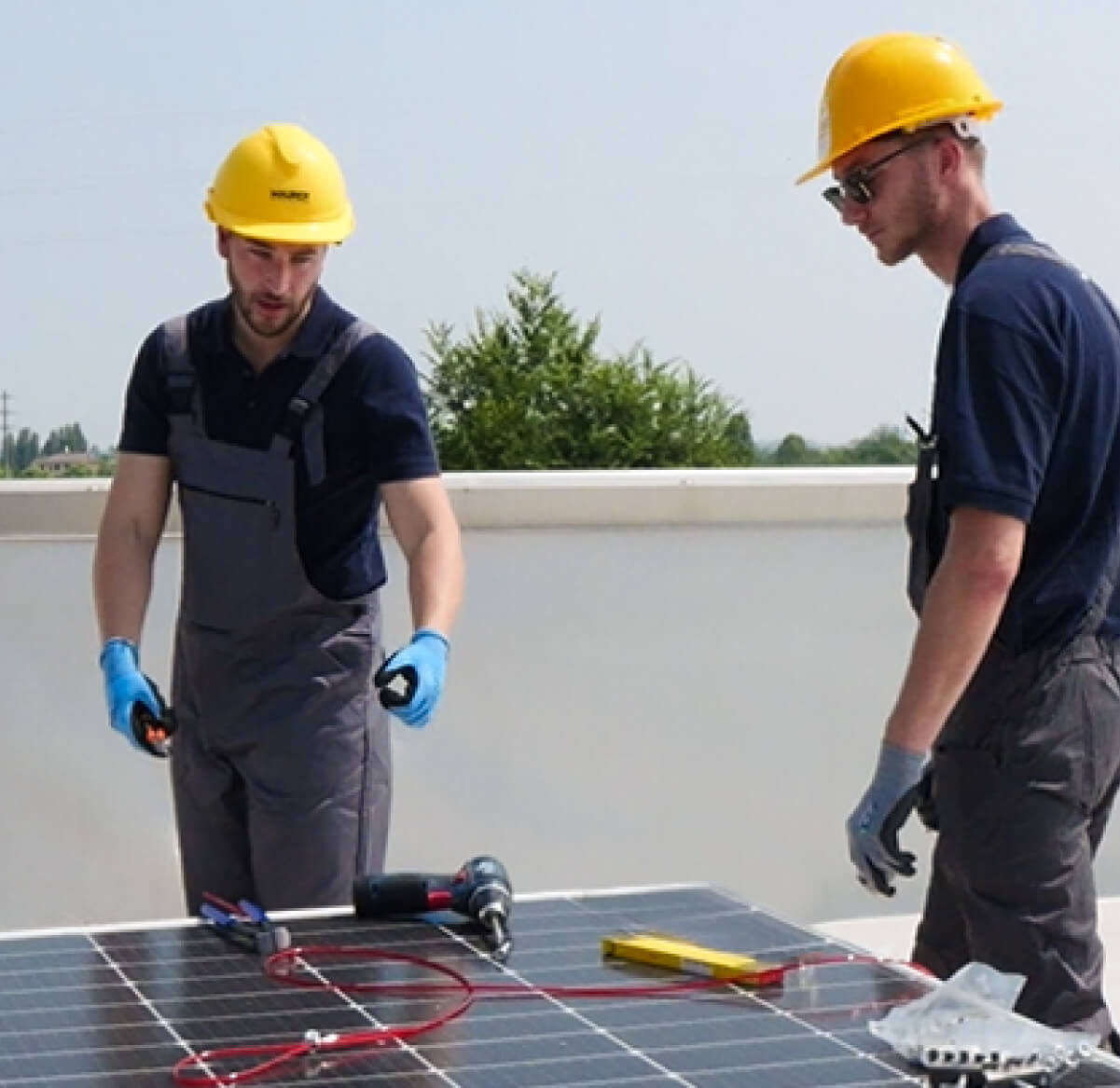
For PV installers, the biggest advantages are practical: fewer mounting parts to manage, faster
assembly, and a system that adapts well to different rooftop constraints. For distributors, it
is easier to stock and sell a solution that is recognizable, proven, and in steady demand.
From a technical perspective, ballasted systems can be sized to local wind zones and roof load
limits, helping to reduce project uncertainty. When the supplier provides design assistance,
layout support, and clear documentation, you move from “just components” to a complete
installation method—helping you deliver projects on schedule and with fewer callbacks.
What to Look for in a Partner for Ballasted PV
Systems
Not all concrete ballast for solar panels is the same. For
professional results, choose a solution built around three pillars: reliability, simplicity, and
innovation. Reliability means durable concrete mixes, consistent manufacturing, and
configurations that have been tested for real rooftop conditions. Simplicity means a mounting
concept that installers can execute quickly, with minimal hardware and clear instructions.
Innovation means ongoing development—new layouts, optimized aerodynamics, and smarter options
for different module formats and tilt angles.
For engineers and designers, the right partner provides more than a price list. You should
expect technical support during design, help with system sizing, and data you can use for wind
and load verification. That support reduces design risk and speeds up approvals.
If your goal is to make flat-roof photovoltaic installations easier, safer, and more efficient,
concrete ballast for solar panels offers a persuasive path forward. It protects the roof,
reduces complexity in the field, and helps B2B teams—installers, planners, and
distributors—deliver dependable PV projects across the Italian market.