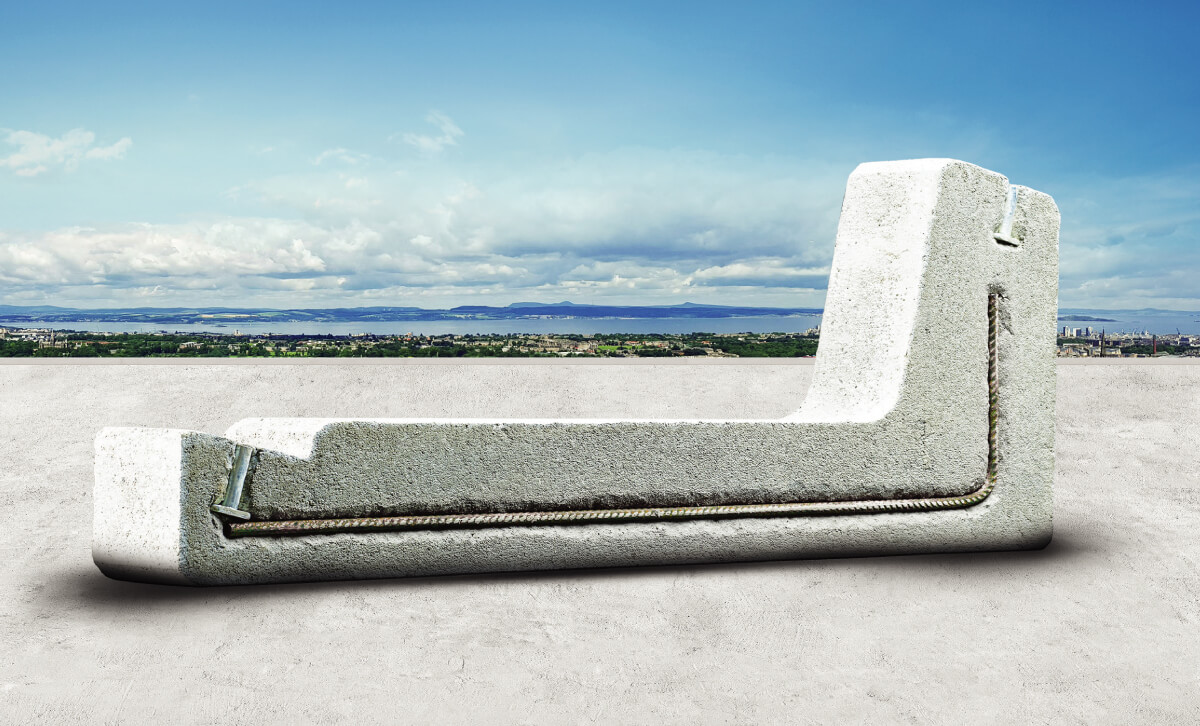
A smarter commercial rooftop racking system
for flat roofs in Italy
Choosing the right Commercial rooftop racking system is one of the
fastest ways to make flat-roof PV projects in Italy simpler, safer, and more profitable.
Installers and designers know the typical pain points: too many small parts, time-consuming
assemblies, and the constant concern of waterproofing when mechanical fixings are involved. A
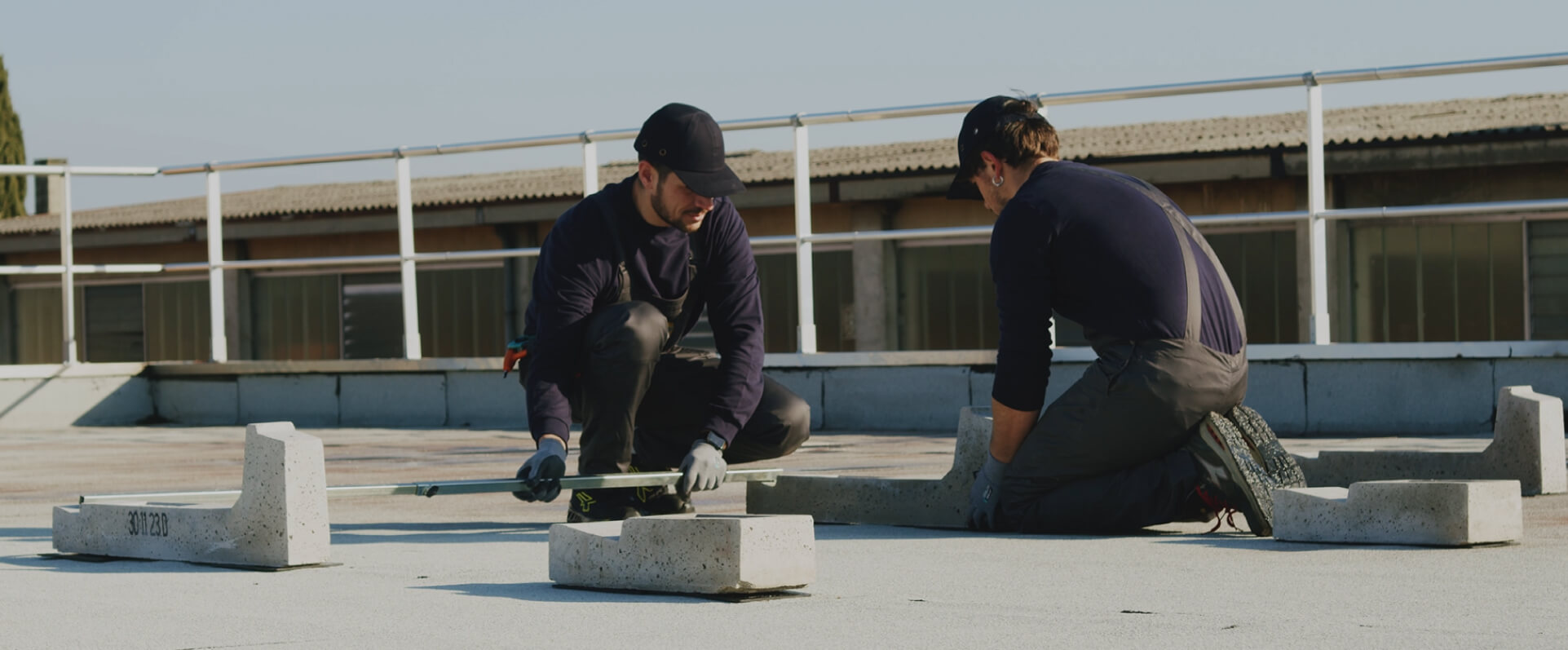
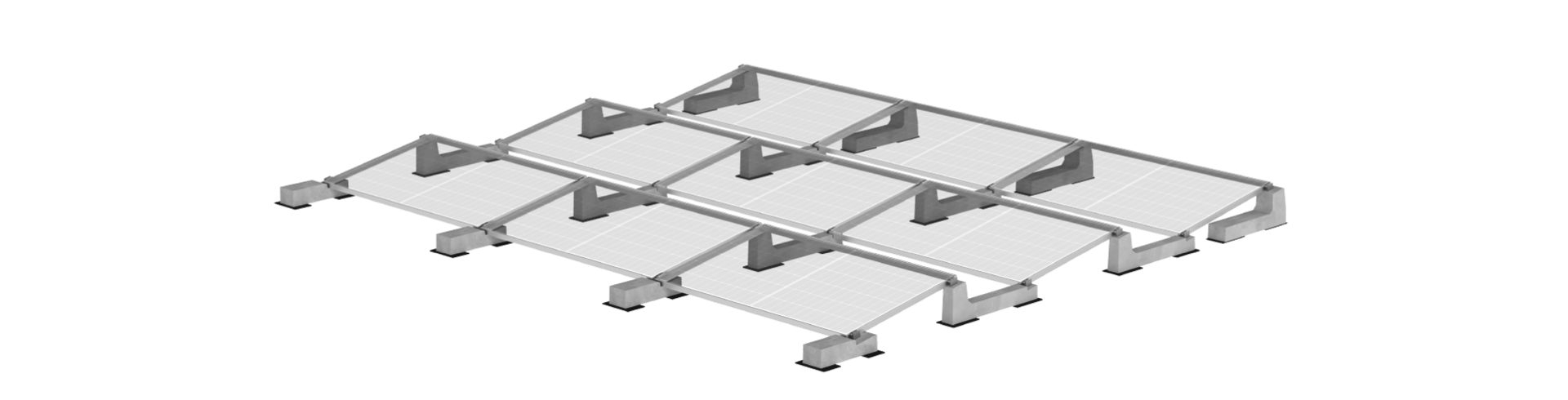
ballast-based approach changes the game by securing modules with engineered concrete weights,
allowing installation without penetrating the roof membrane. That means fewer leak risks,
cleaner handovers, and less time spent on corrective work. For commercial rooftops—logistics
hubs, factories, and large retail buildings—speed matters, but so does predictable performance.
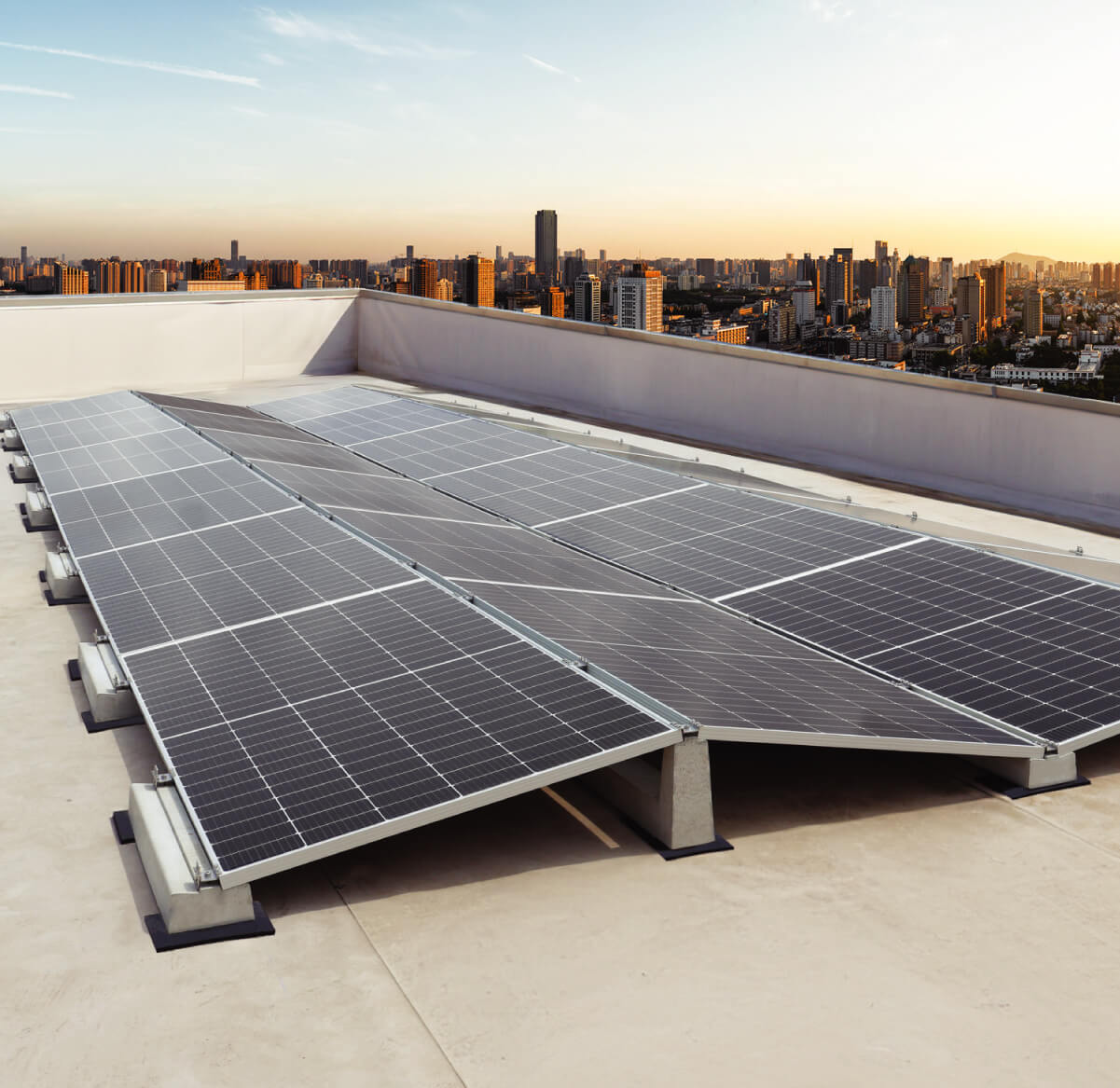
A modern flat-roof solar racking solution should also support common layouts, optimize tilt
angles for yield, and keep loading under control. With pre-engineered configurations and clear
documentation, teams can reduce on-site improvisation and deliver consistent results across
multiple sites. When you can align reliability, simplicity, and installation efficiency in one
PV mounting system, you gain a real competitive edge in Italy’s busy commercial solar market.
Faster installation with fewer components and
no roof drilling
A key advantage of a Commercial rooftop racking system designed
for flat roofs is installation speed. Ballasted PV racking typically reduces the number of loose
components, making logistics easier and minimizing installation errors. Because there’s no need
to drill or chemically anchor into the roof, crews can work faster and avoid delays tied to
waterproofing checks, permits, or membrane constraints. This is especially valuable for
installers managing tight timelines and multiple crews. For distributors and wholesalers, a
recognizable, easy-to-spec solution is easier to stock and recommend because it answers the most
common objections: “Will it leak?” and “How long will it take?” The best systems also simplify
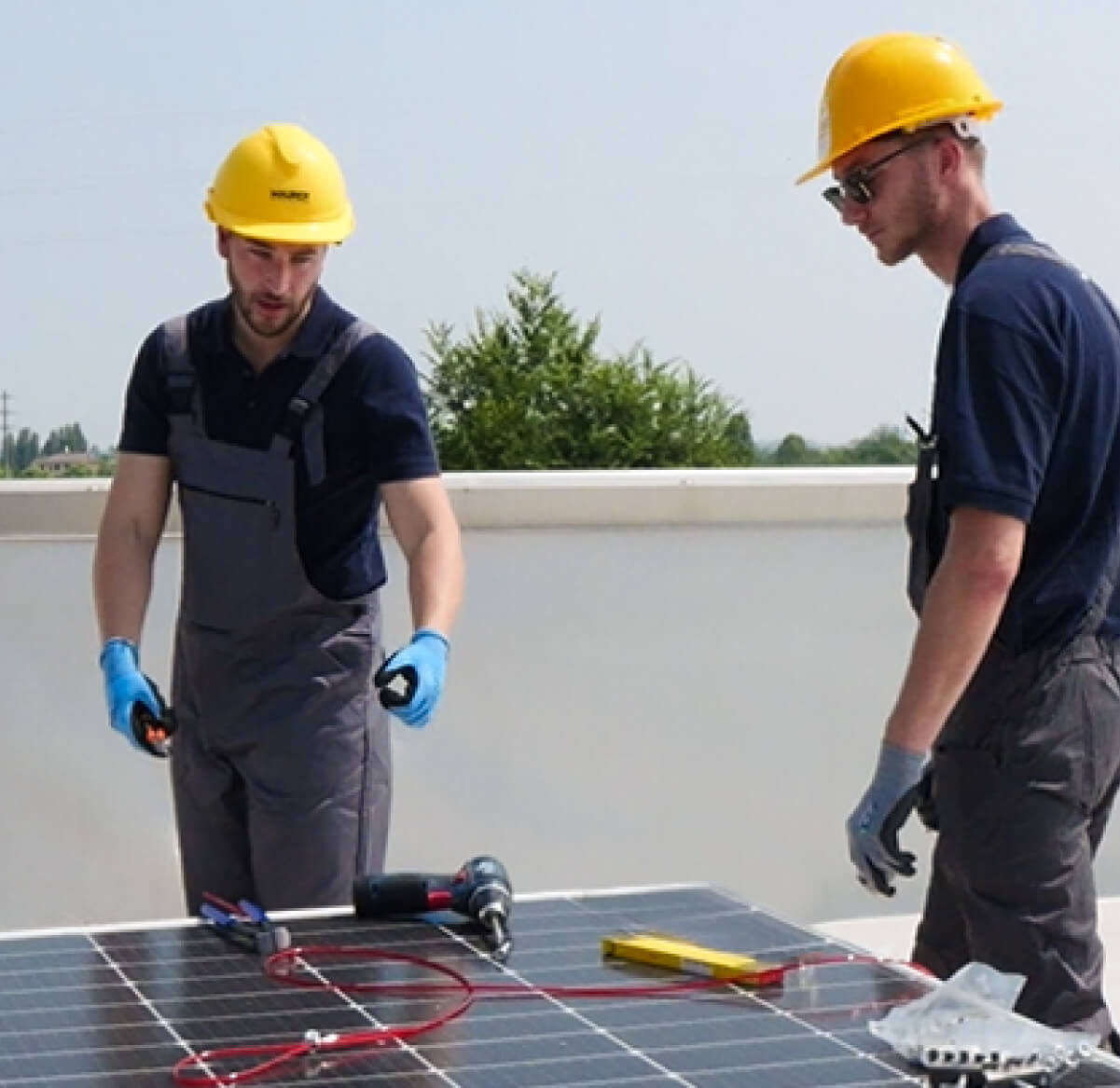
cable management, module alignment, and row spacing, supporting neat, professional finishes. In
practice, a streamlined flat roof PV mounting structure can translate into shorter labor hours
per kWp, more predictable quoting, and fewer call-backs. That’s not just convenience—it’s margin
protection.
Engineering support and verified data for
confident design
For engineers and technical offices, a Commercial rooftop racking
system must come with reliable inputs for wind uplift, structural loads, and project sizing.
Using tested, durable ballast solutions helps reduce design uncertainty and supports safer
choices when working on large surfaces exposed to variable weather. Access to technical
assistance during design—layout guidance, load checks, and bill of materials validation—can
significantly reduce project risk and speed up approvals. In the Italian market, where each roof
can present different constraints, having a partner-like approach makes a difference: you’re not
only buying a PV support structure, you’re securing a complete path from concept to execution.
If your priority is a flat-roof solar mounting system that combines robustness, quick
deployment, and practical engineering documentation, a ballast-based solution can help you
deliver high-quality commercial PV installations with less complexity and more confidence.