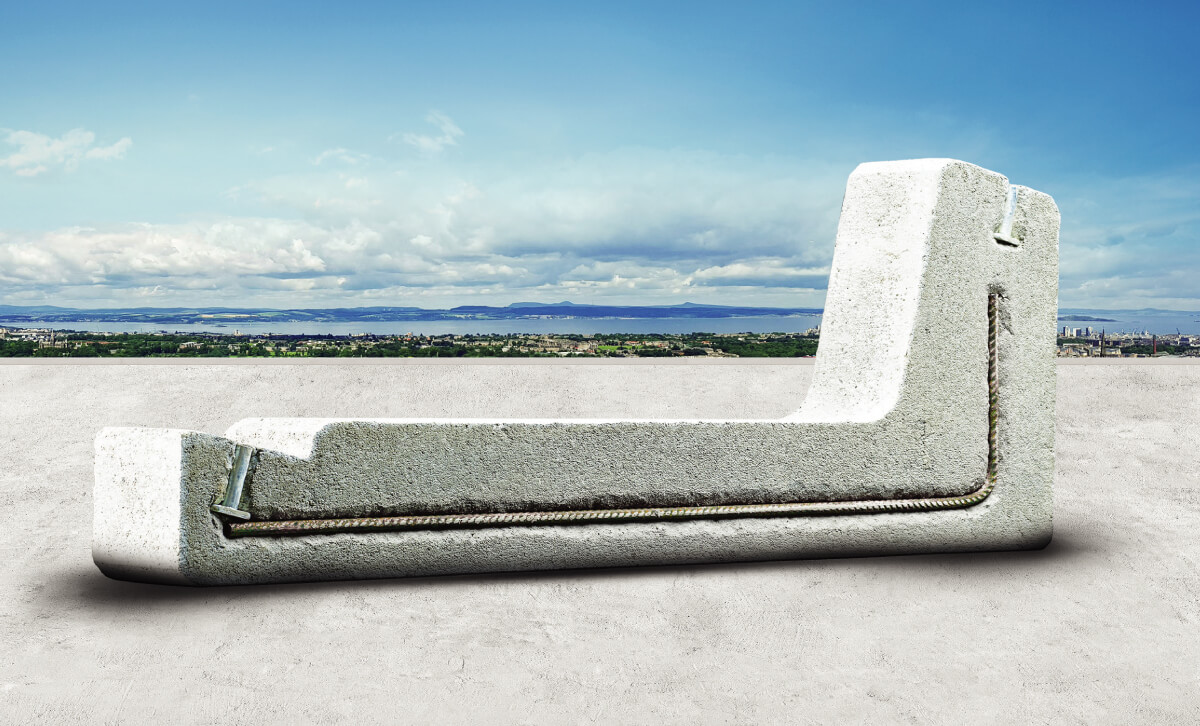
A Smarter Commercial Flat Roof PV Mounting
System for Italian Installers
Choosing the right commercial flat roof pv mounting system can
make or break your project timeline—especially on warehouses, logistics hubs, and industrial
buildings across Italy. Installers and EPC teams need a solution that goes down fast, stays
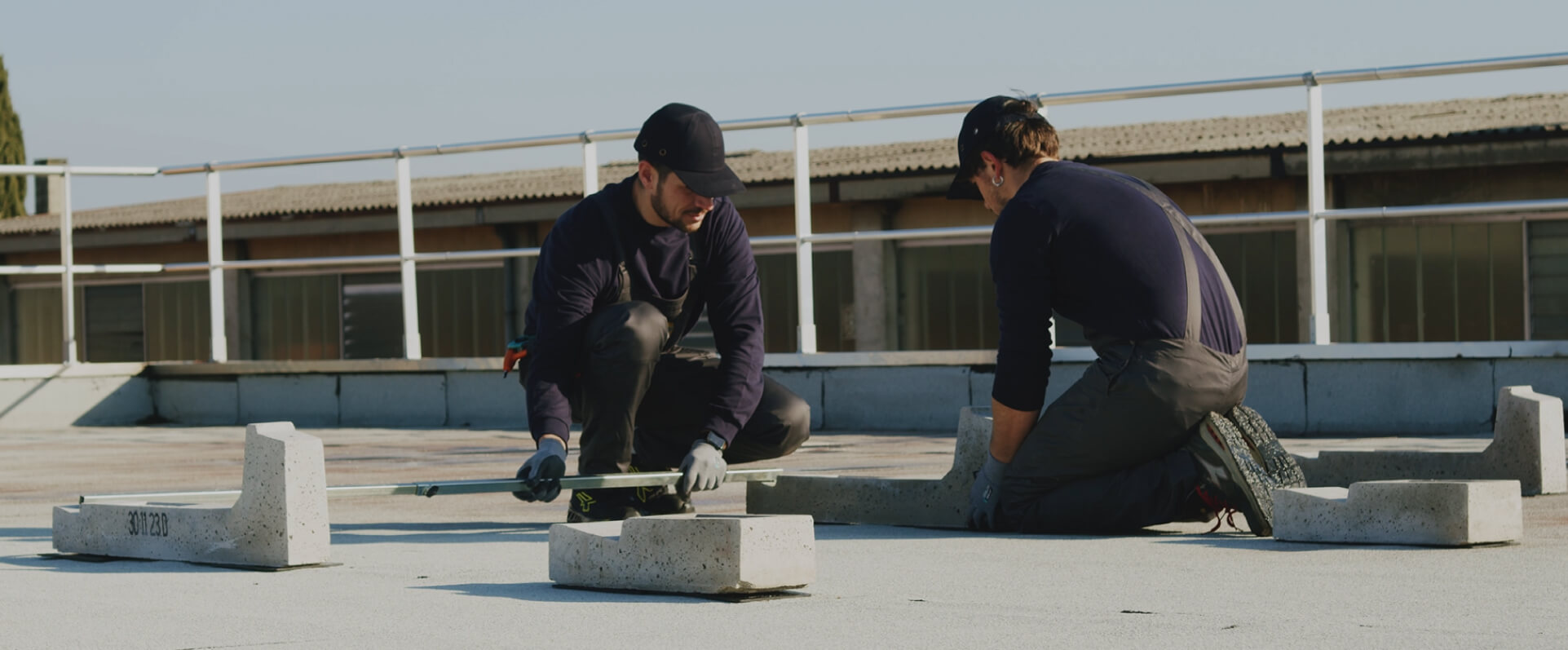
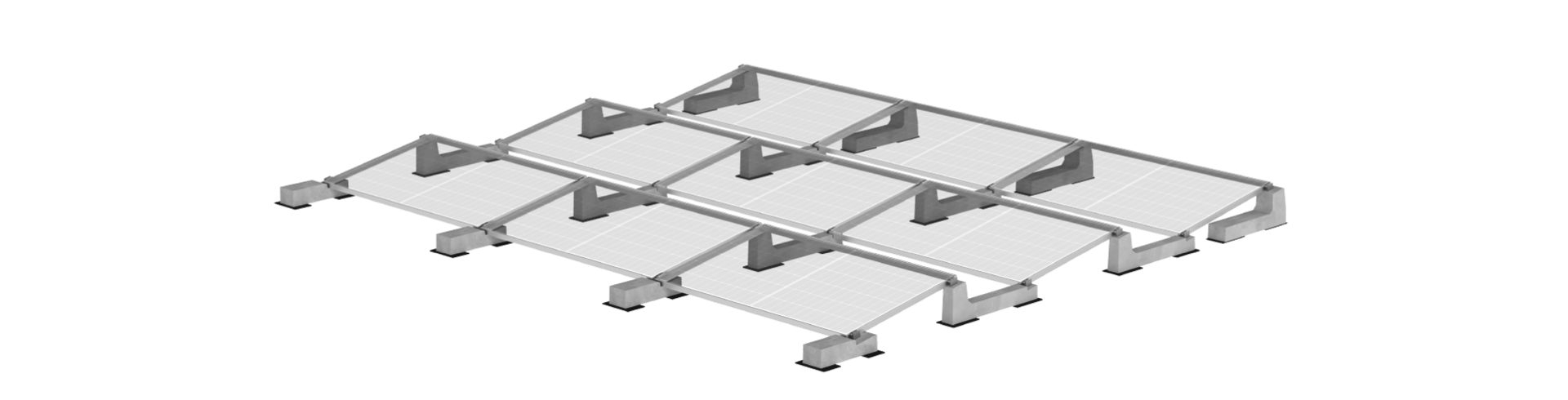
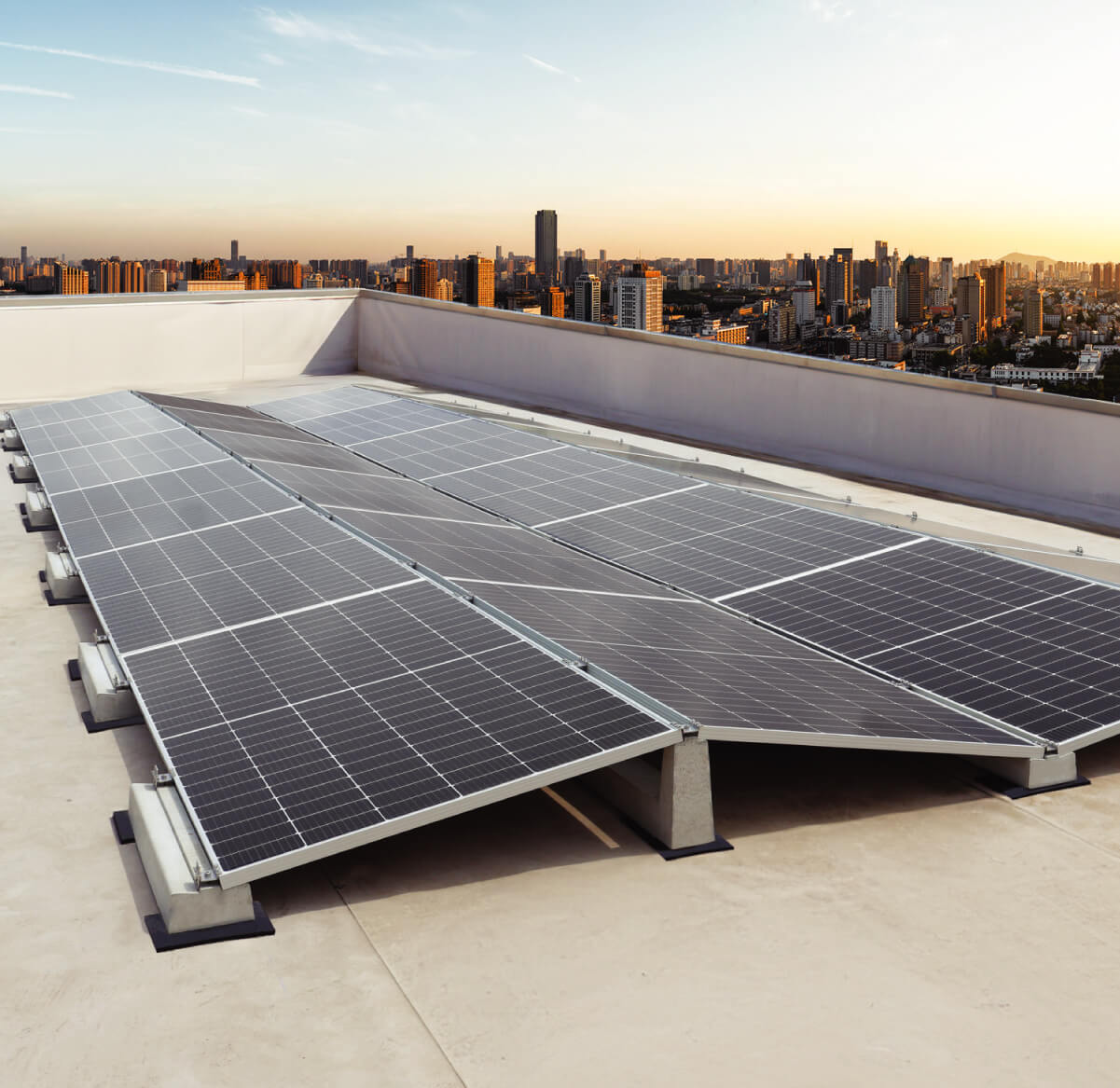
stable in wind, and avoids the headaches of roof penetrations. A ballasted approach using
concrete weights helps you install PV modules without drilling the membrane, reducing
waterproofing risks and eliminating many of the typical call-backs linked to leaks. With fewer
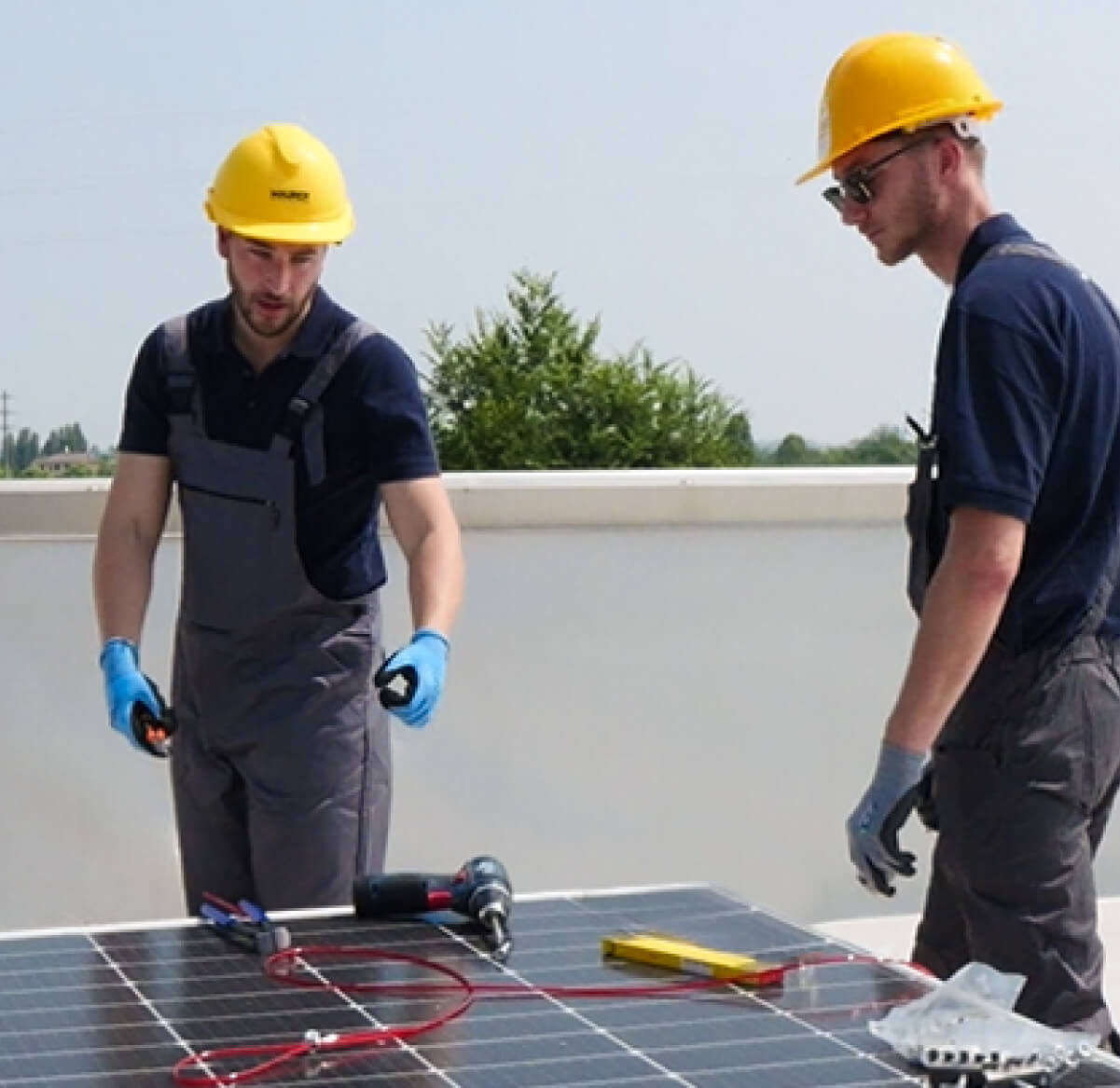
parts to handle and a clear on-roof workflow, crews can move quicker, keep the site safer, and
deliver predictable results. For flat roofs, this also means simplified cable routing, cleaner
roof management, and fewer compatibility issues with existing layers. When you’re working under
tight deadlines and coordinating with multiple trades, a mounting system that is intuitive and
repeatable is a competitive advantage. Add the benefit of stable load distribution and you get a
practical path to higher productivity—without compromising reliability. In short, the best
systems are the ones that respect the roof, protect the building owner, and let you focus on
what matters: commissioning the plant on time and with confidence.
Designed for Engineers: Reliable Data, Loads,
and Wind Performance
For designers and technical offices, a commercial flat roof pv
mounting system must come with trustworthy, project-ready information. Flat-roof PV design often
involves complex wind calculations, ballast sizing, and structural load checks. A proven
ballasted solution supports accurate dimensioning by providing consistent configurations, tested
performance, and clear parameters for pressure zones and edge conditions. This reduces
uncertainty and helps engineers document compliance more efficiently. Because the system avoids
roof anchoring, you can also limit the variables associated with fasteners, pull-out resistance,
and membrane detailing. The result is a safer design process, a lower responsibility burden, and
a smoother handover from calculation to installation. When technical support is available during
design—covering layout, tilt angle selection, shading management, and ballast
optimization—projects progress faster and with fewer revisions. In the Italian market, where
building stock and roof stratigraphy can vary widely, having a solution that adapts to common
flat-roof constraints is essential for dependable, repeatable engineering outcomes.
A Complete B2B Solution: Faster Quotes, Easier
Sales, Fewer Site Issues
Distributors and PV professionals value products that are easy to
specify, easy to stock, and easy to explain. A commercial flat roof pv mounting system with a
recognizable ballasted design simplifies quoting because the core concept is straightforward:
stability through weight, not penetrations. For installers, that translates into fewer
components, fewer tools, and less time spent on delicate roof works—key factors that reduce
onsite risk and improve margins. For commercial and industrial end clients, the benefit is a
cleaner installation that helps protect the building envelope while enabling rapid deployment of
solar capacity. When the mounting solution is supported by pre-sales assistance, sizing help,
and execution-oriented guidance, it becomes more than a product—it becomes a repeatable method
you can use across multiple rooftops. If your goal is to increase installation speed, reduce
operational complexity, and deliver durable performance on flat roofs, choosing a ballasted
mounting approach is one of the most practical decisions you can make.