Why a Central Solar Clamp Matters on Flat Roof
PV Projects
On flat-roof photovoltaic systems, speed and reliability are
everything—especially for installers working against tight schedules and unpredictable site
conditions. A central solar clamp is a small component with a big impact: it locks adjacent
modules firmly while helping you keep perfect spacing, clean alignment, and consistent clamping
force across the array. That translates into fewer adjustments, fewer callbacks, and a more
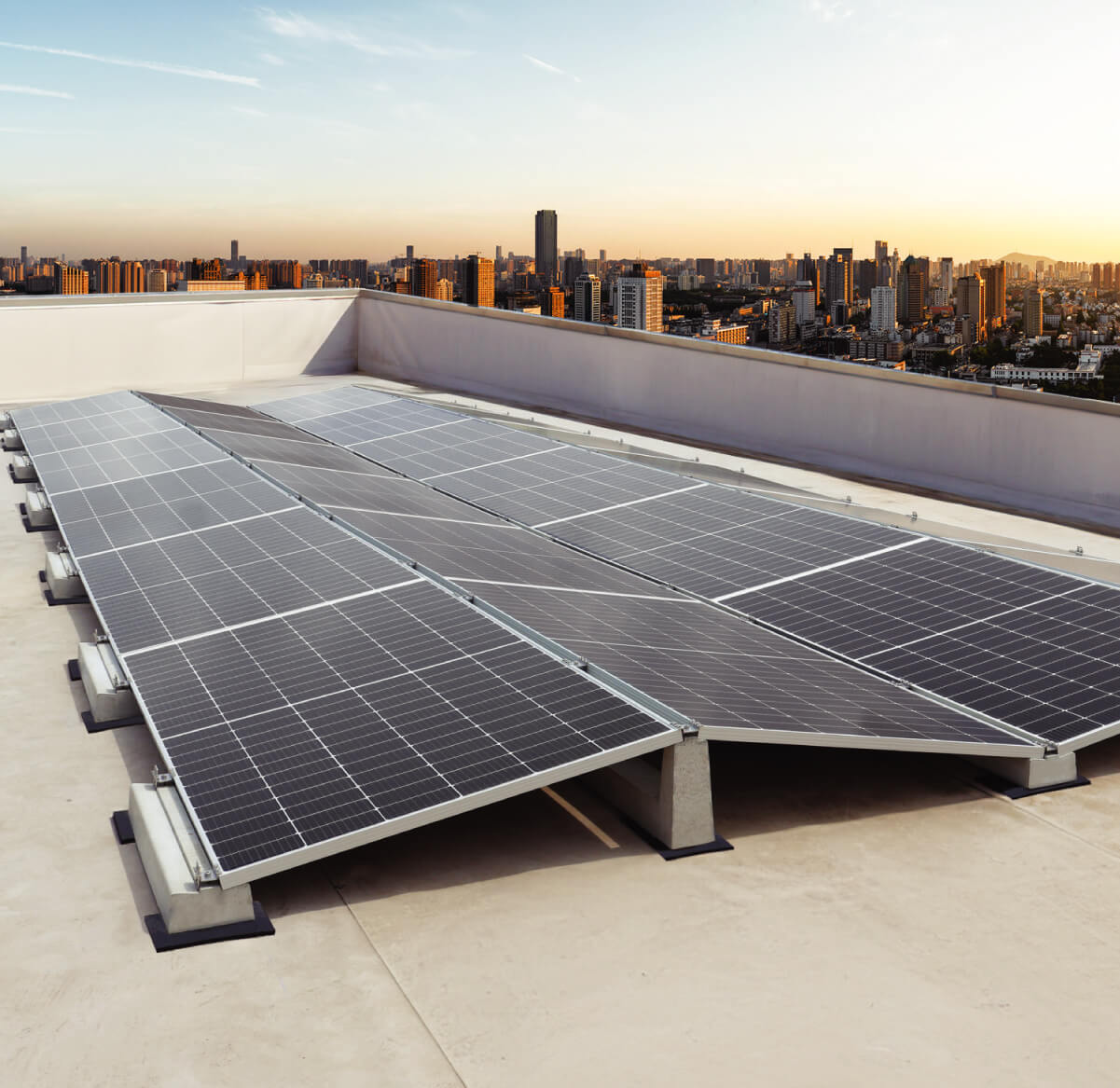
professional finish. In the Italian market, where flat roofs on industrial buildings are
extremely common, the winning approach is often the one that avoids unnecessary complications on
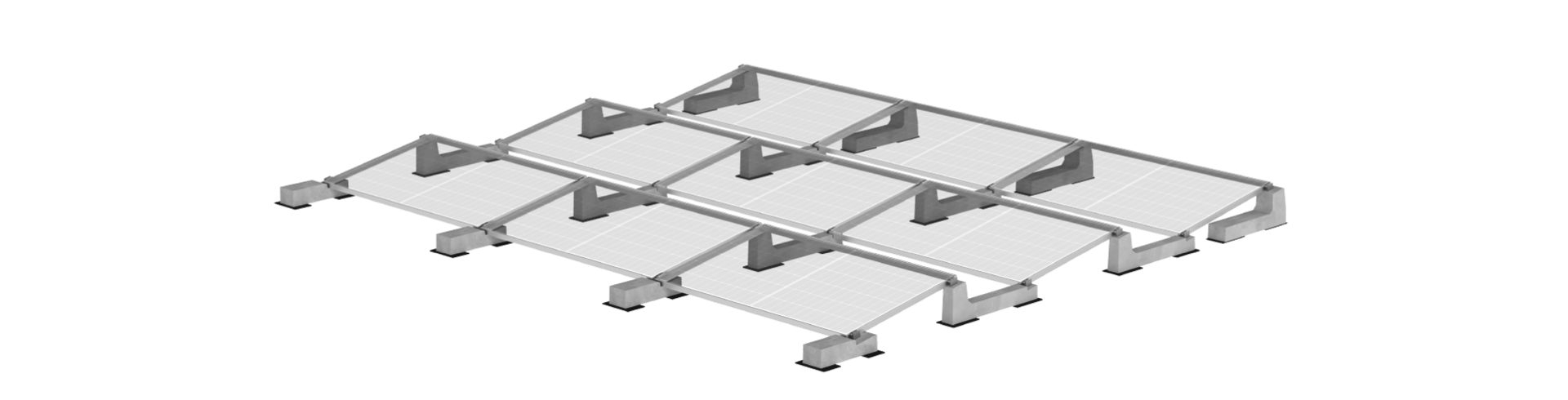
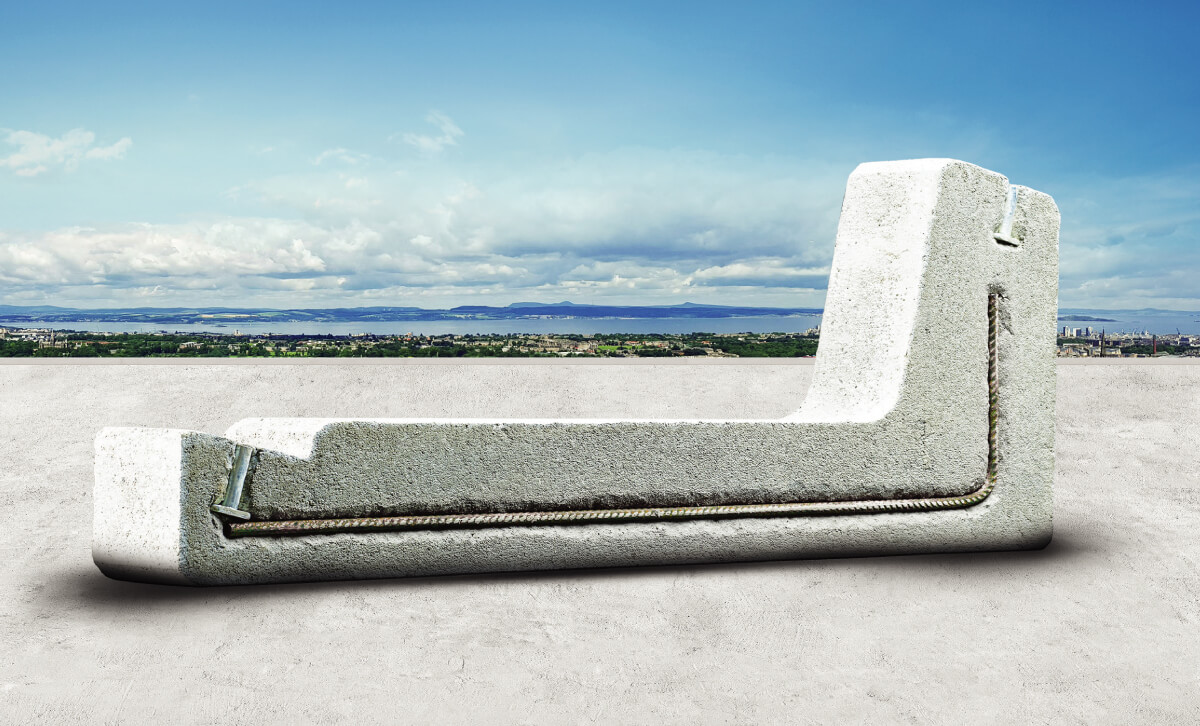
the waterproofing layer. When the mounting structure is designed around ballast blocks—rather
than roof penetrations—the central solar clamp becomes part of a streamlined workflow: position
supports, place modules, clamp quickly, and move on. For designers and engineers, a
well-specified central solar clamp supports predictable load transfer and repeatable
installation quality, helping reduce risk during verification. For distributors, it’s an
easy-to-explain value: a connector that improves stability, module retention, and installation
efficiency. In short, if you want a PV mounting setup that feels intuitive on the roof and
remains solid over time, choosing the right central solar clamp is a practical step toward
simpler, safer flat-roof solar arrays.
Key Benefits Installers Look For: Speed,
Simplicity, and Roof Protection
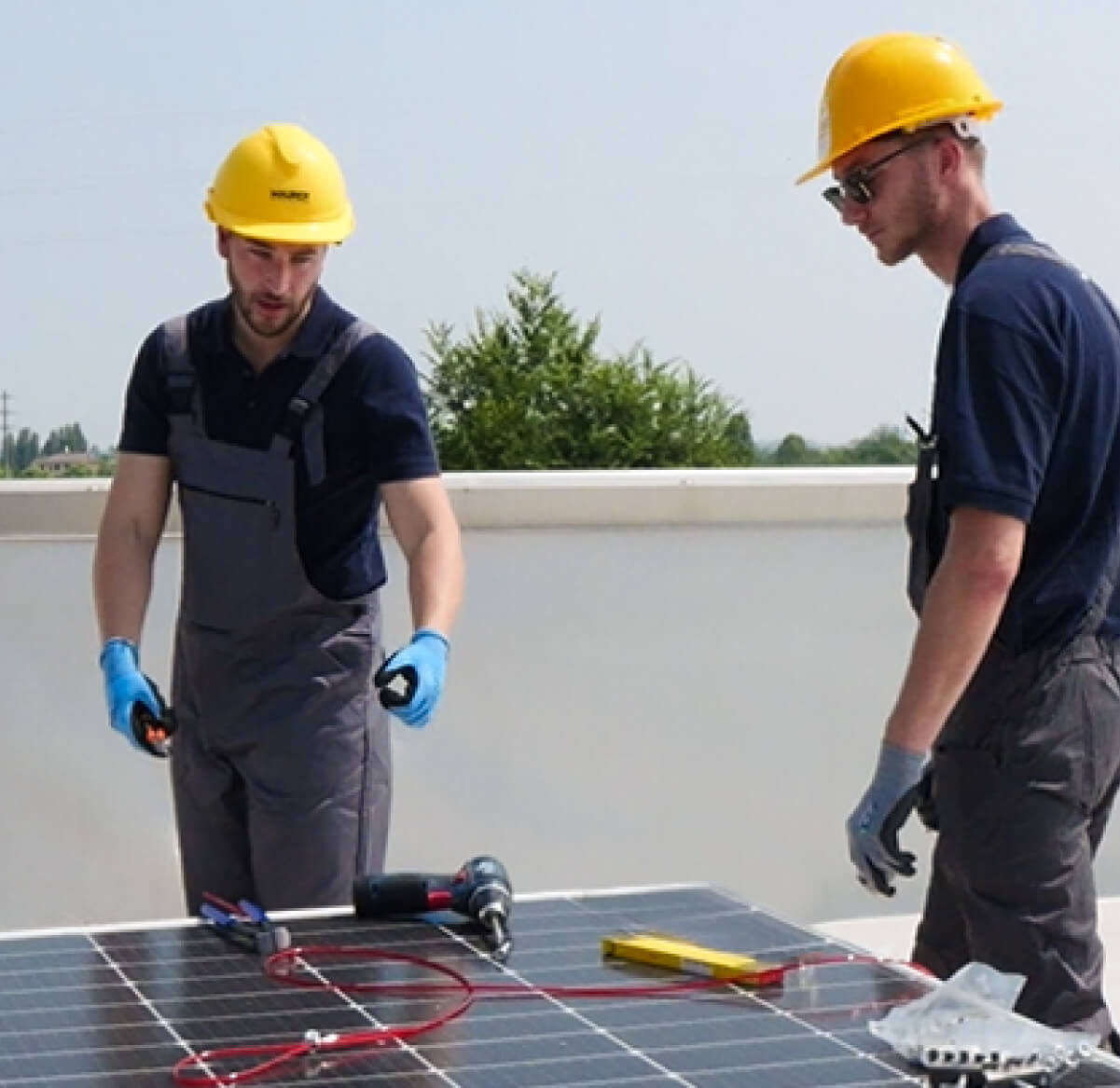
Installers typically judge a central solar clamp by how fast it
goes on, how securely it holds, and how well it integrates with the rest of the PV mounting
system. The best results come from clamp solutions engineered for quick handling, reduced
hardware count, and consistent torque application—so crews can maintain rhythm across long rows
of modules. Just as important is compatibility with flat-roof, ballast-based racking: fewer
penetrations means fewer waterproofing concerns and fewer steps that slow the job down. A
central solar clamp also supports neat cable management and uniform module spacing, improving
the overall appearance and reducing the chance of micro-movements that can lead to noise or
wear. For technical teams, clamps used within tested configurations provide more confidence
during design checks related to wind uplift, loads, and structural behavior. When every
component is designed to work together—from concrete ballast supports to clamps and module
frames—the system becomes easier to standardize across sites, helping crews replicate best
practices from one rooftop to the next.
How to Choose the Right Central Solar Clamp
for Your Next Project
When selecting a central solar clamp, focus on three criteria:
proven compatibility, durability, and installation repeatability. First, confirm the clamp
matches your module frame thickness and the mounting rail or support interface you are using; a
correct fit prevents slippage and reduces rework. Second, prioritize corrosion-resistant
materials and finishes suitable for rooftop exposure, especially in coastal or high-humidity
Italian locations. Third, look for systems where the clamp is part of an integrated,
pre-engineered solution—this reduces on-site improvisation and helps your team install faster
with fewer components. If your projects are on flat roofs, consider setups that use concrete
ballast blocks to avoid roof drilling; this approach can shorten installation time, lower the
risk of membrane damage, and simplify logistics. A well-chosen central solar clamp is not just a
fastening detail—it’s a productivity tool that supports tidy alignment, strong module retention,
and long-term reliability. For installers, designers, and distributors, that means smoother
projects, clearer specifications, and systems that perform as expected from day one.