What Makes the Best Solar Mounting System for
Flat Roofs in Italy?
When Italian installers and designers search for the best solar
mounting system, flat roofs quickly become the real test. A good structure must be fast to
install, predictable in performance, and gentle on the roof. On many industrial buildings,
drilling and waterproofing repairs can create delays, added costs, and long-term risk. That’s
why non-penetrating solutions are increasingly preferred for flat-roof PV.
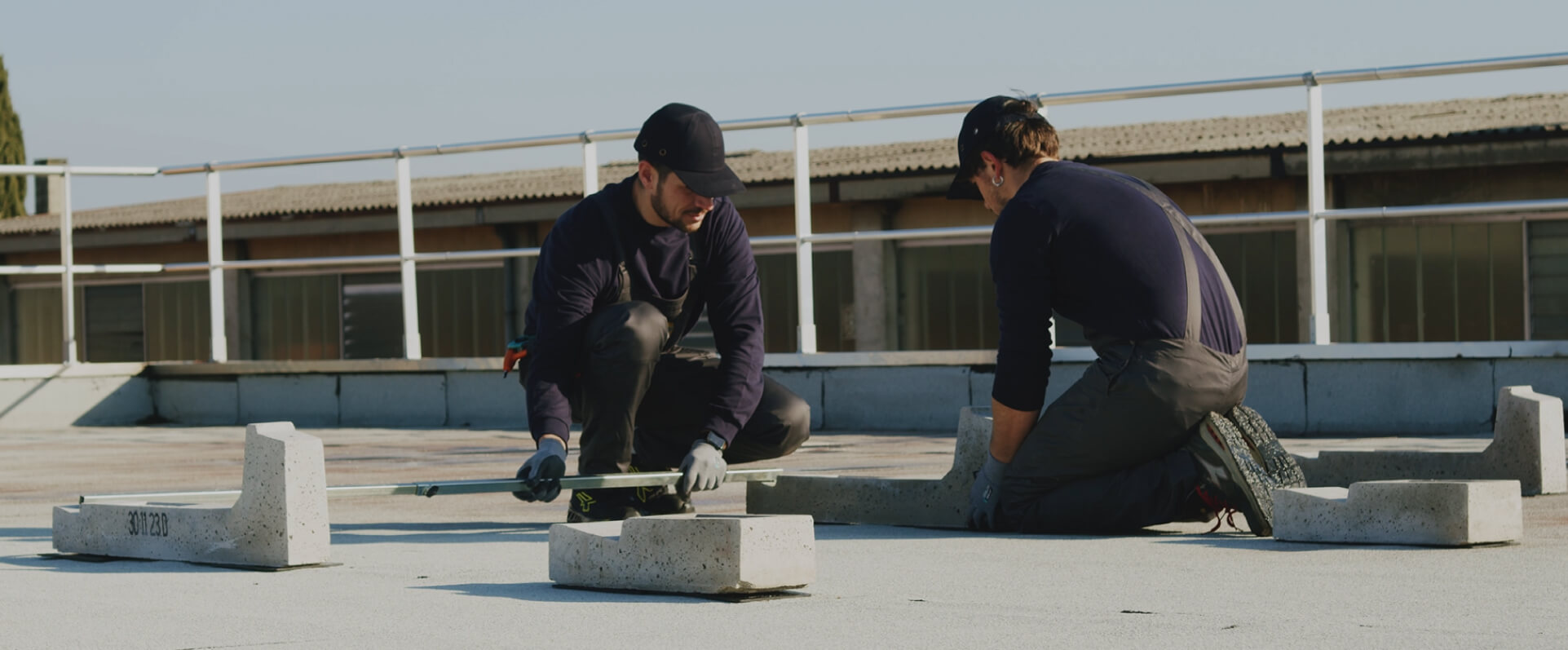
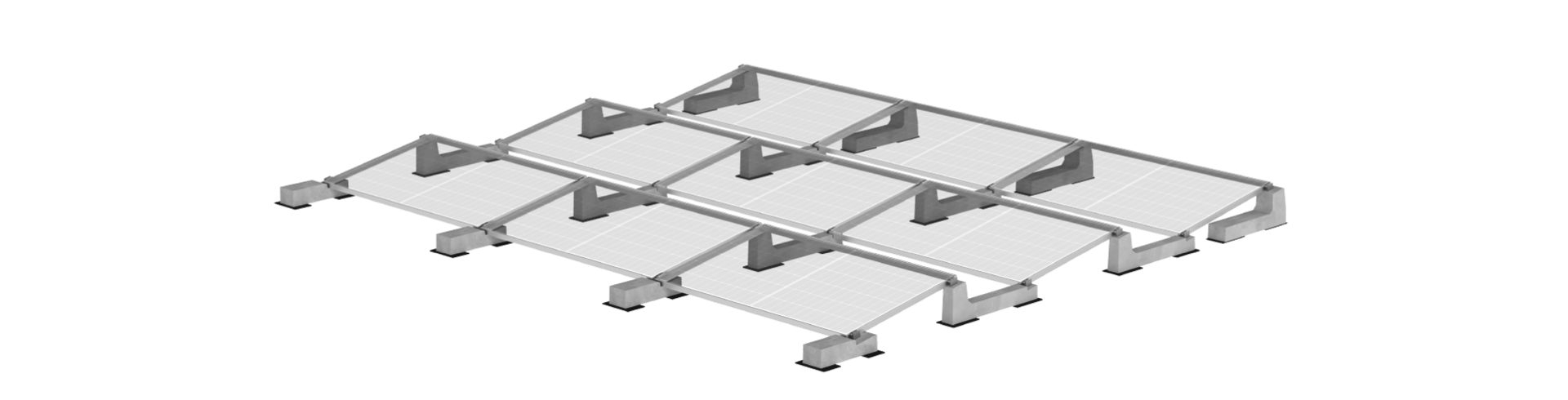
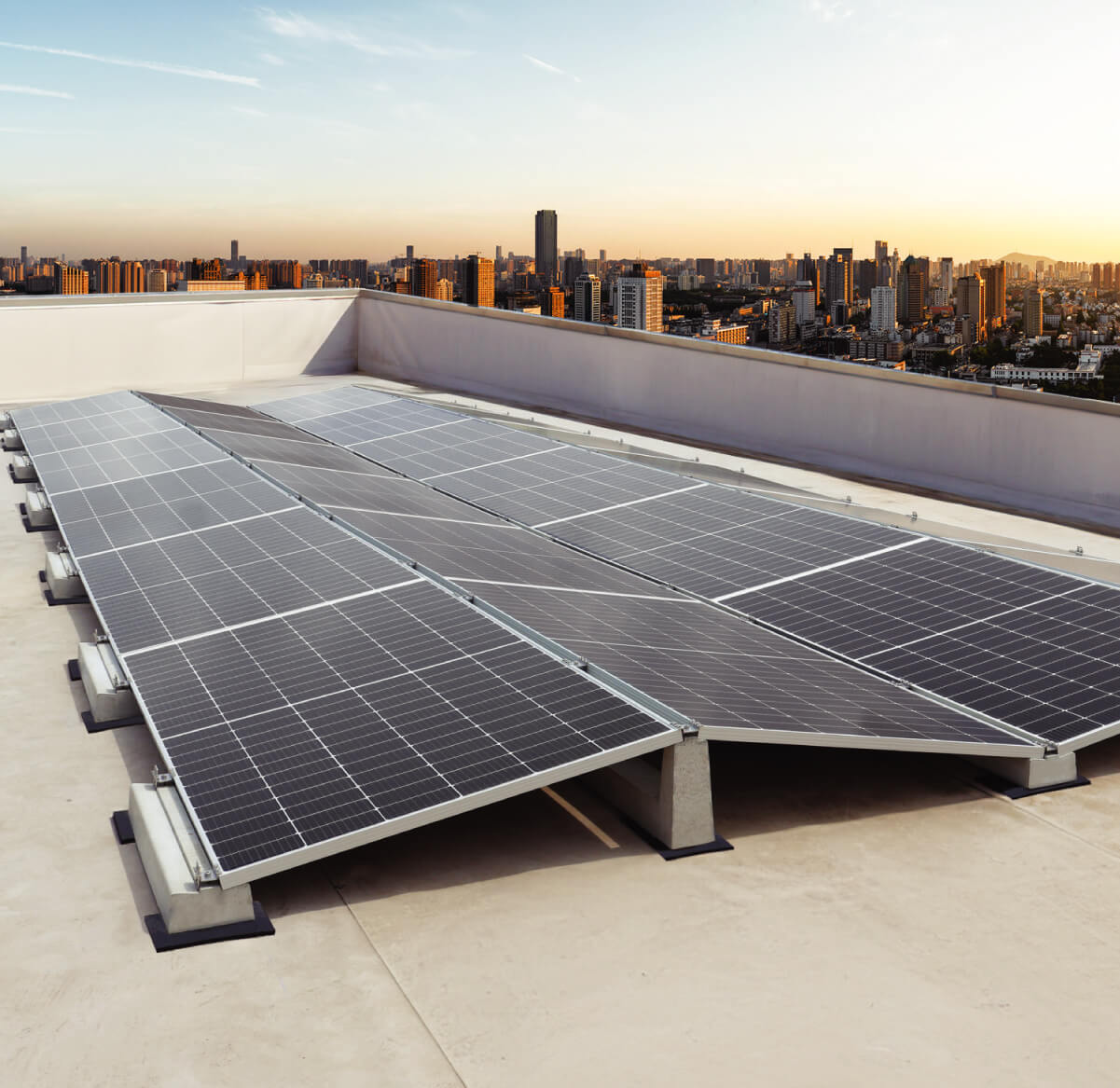
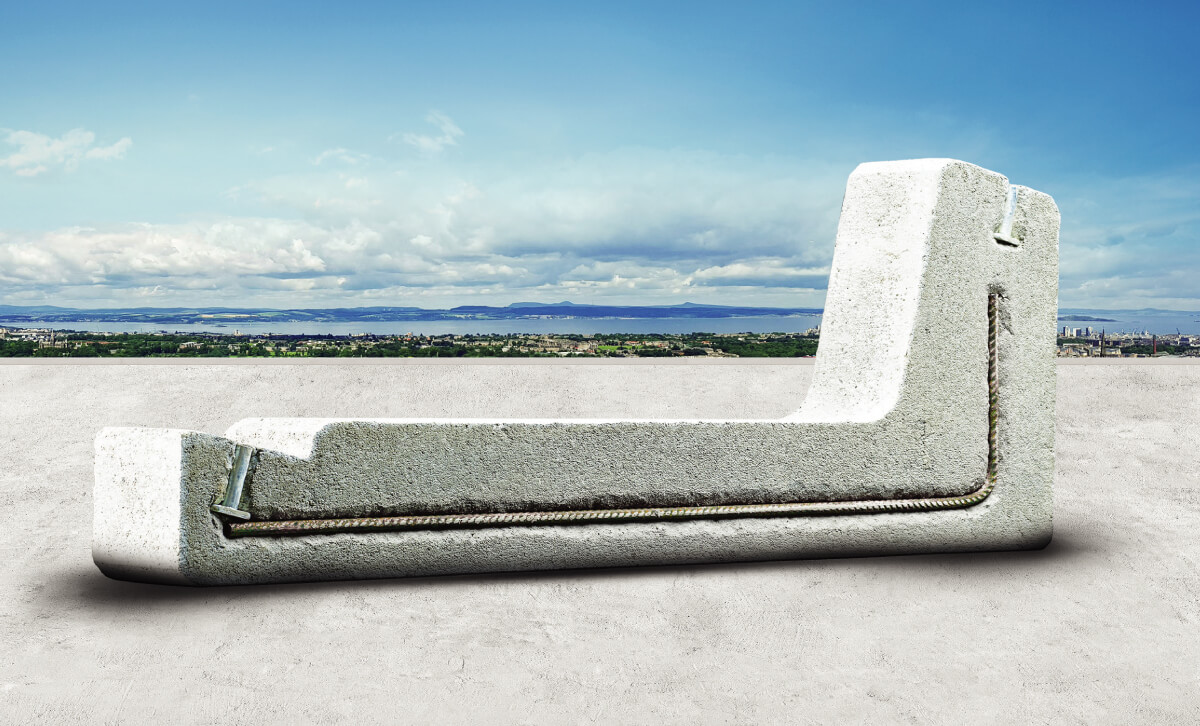
A ballast-based solar mounting approach uses engineered concrete weights to keep modules stable
without anchoring through the membrane. The benefit is immediate: fewer roof penetrations, fewer
potential leak points, and a cleaner, safer workflow on site. For installers, it means simpler
logistics and shorter installation times. For engineers, it means a solution that can be
verified with clear technical data and wind-load checks.
The best solar mounting system is not only about holding panels in place—it’s about reducing
complexity while improving reliability. Look for systems designed specifically for flat roofs,
with tested configurations, defined tilt options, and consistent component quality. Equally
important is technical support for layout, sizing, and load evaluation, so the project moves
from concept to installation with fewer surprises.
Why Installers Prefer Ballasted, No-Drill PV
Mounting
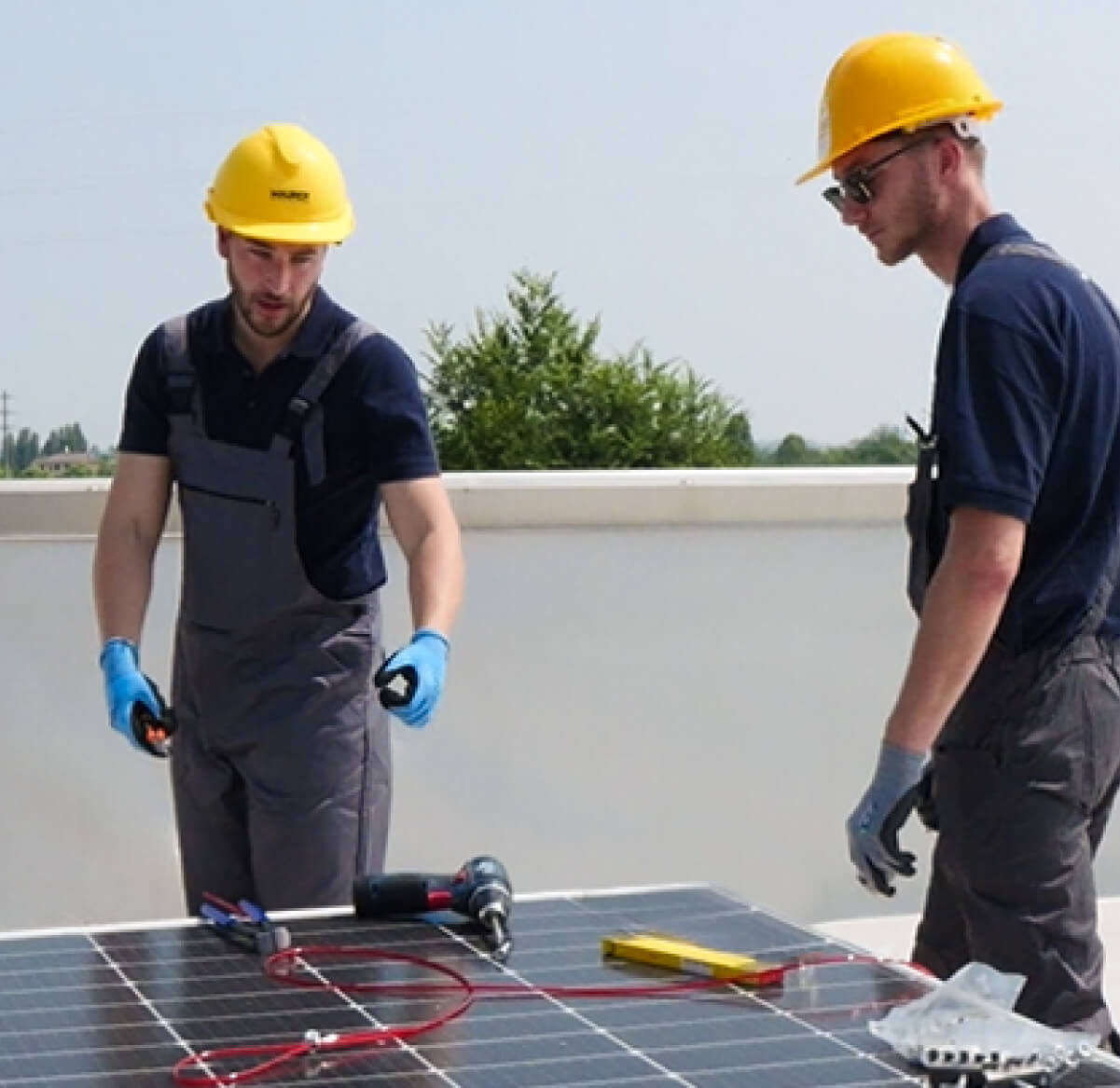
On a busy construction schedule, every extra bracket, rail, or
roof anchor can slow a crew down. A ballasted solar mounting solution is attractive because it
minimizes parts and keeps the process intuitive: position the supports, place the modules, and
complete the assembly with a streamlined set of components.
For rooftop photovoltaics in Italy, this approach is especially useful on large commercial and
industrial flat roofs where speed and repeatability matter. With no drilling required, teams can
avoid the headache of coordinating waterproofing, inspections, and post-install sealing. That
translates into fewer delays, lower operational risk, and a smoother handover.
If you’re choosing the best solar mounting system, consider how it performs in real site
conditions: safe handling, clear instructions, fast alignment, and reduced installation steps.
The right solution helps installers complete more projects per month—without sacrificing safety
or quality. It also supports distributors with a product that’s easy to explain, easy to stock,
and consistently requested by the market.
A Technical Partner Approach: Design Support,
Sizing, and Execution
For engineering firms and technical offices, selecting the best
solar mounting system is as much about accountability as it is about hardware. Wind, loads, roof
constraints, and layout all affect the final design—and the pressure to get it right is real. A
flat-roof PV mounting solution becomes far more valuable when it comes with dependable technical
support.
The most effective ballast-based systems are developed with a clear focus on reliability,
simplicity, and continuous innovation. They are designed to provide stable performance over time
and to simplify design choices with proven, tested options. Just as important, they enable
accurate system sizing and project development support—from early feasibility to execution—so
designers can work with trustworthy data and reduce project risk.
In practice, this means faster approvals, clearer documentation, and fewer last-minute changes
on site. If your goal is a safer, quicker, and more efficient flat-roof installation, a
non-penetrating concrete ballast solution can be the best solar mounting system for the Italian
market—especially when backed by professional technical guidance and a project-first mindset.