Why a Ballasted System Solar Setup Fits Flat
Roof Projects in Italy
Choosing a ballasted system solar solution is often the smartest
route for flat roofs in Italy, especially when speed, safety, and roof integrity matter. Instead
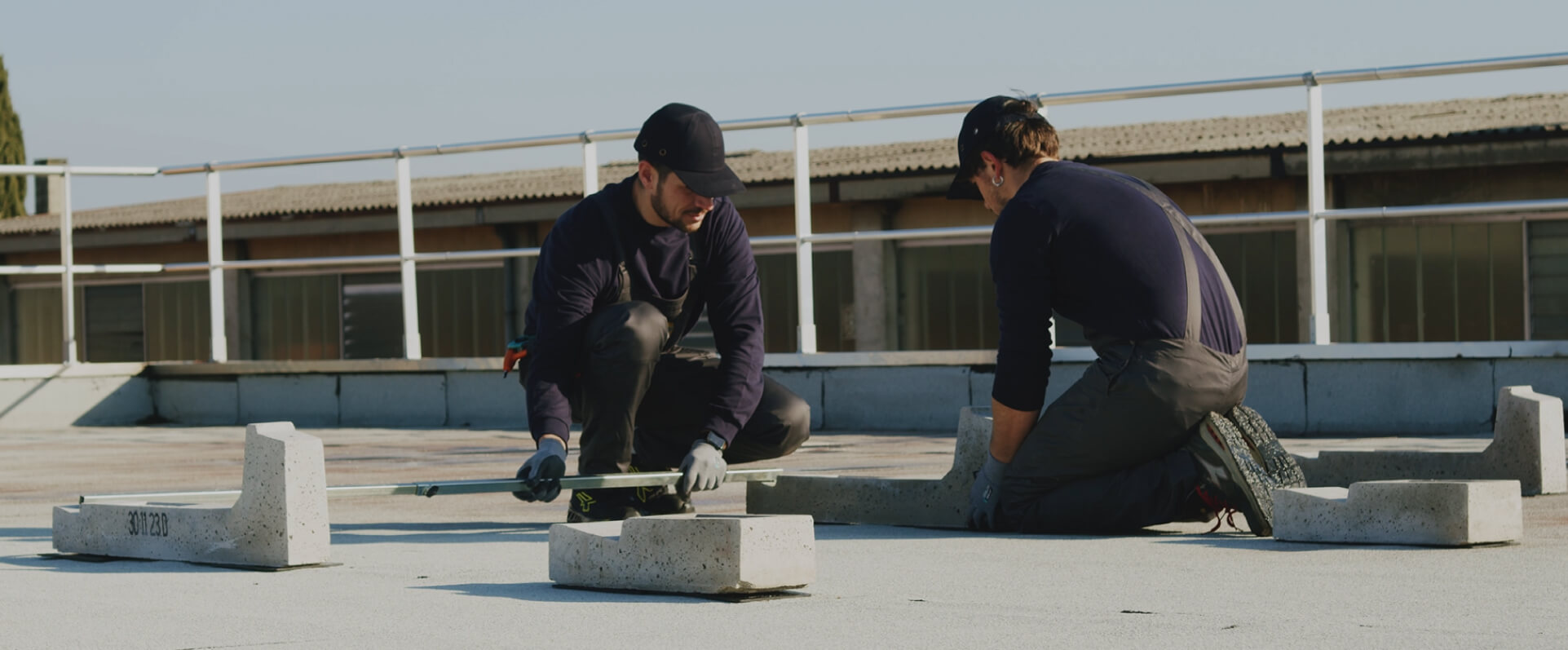
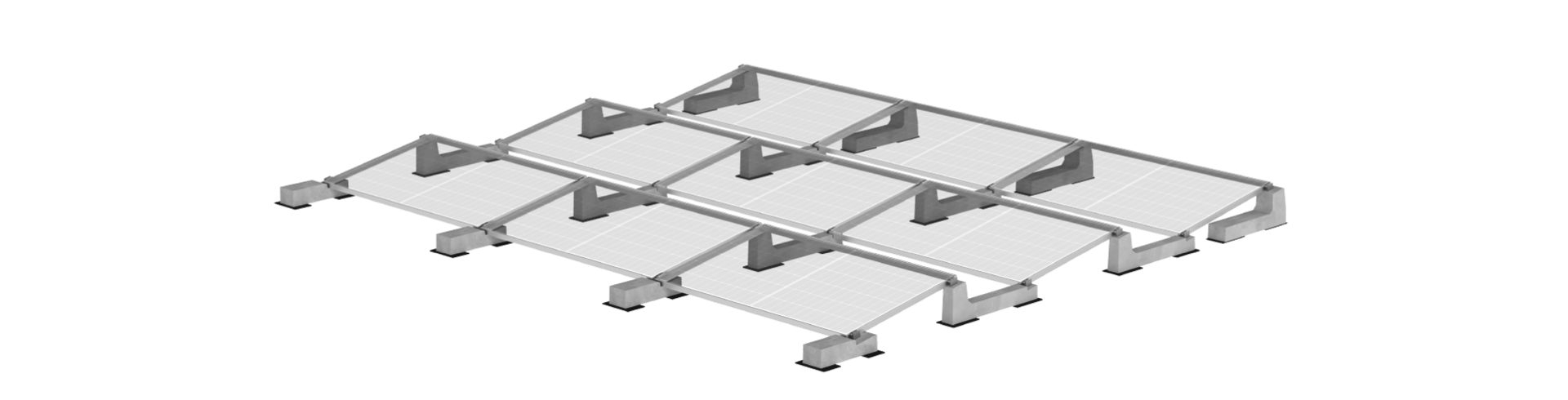
of drilling through membranes, a ballasted PV mounting approach uses concrete weights to keep
modules stable, helping you avoid water ingress risks and reduce on-site complications. For
installers, this means fewer surprises: no waterproofing repairs, fewer specialized tools, and
faster crew training. For designers and engineers, it means a predictable load path and clearer
documentation for wind uplift and structural checks. A well-designed ballast-based racking
system also simplifies logistics, because it typically relies on pre-engineered components and
repeatable layouts. In practice, that translates into quicker installation times and easier
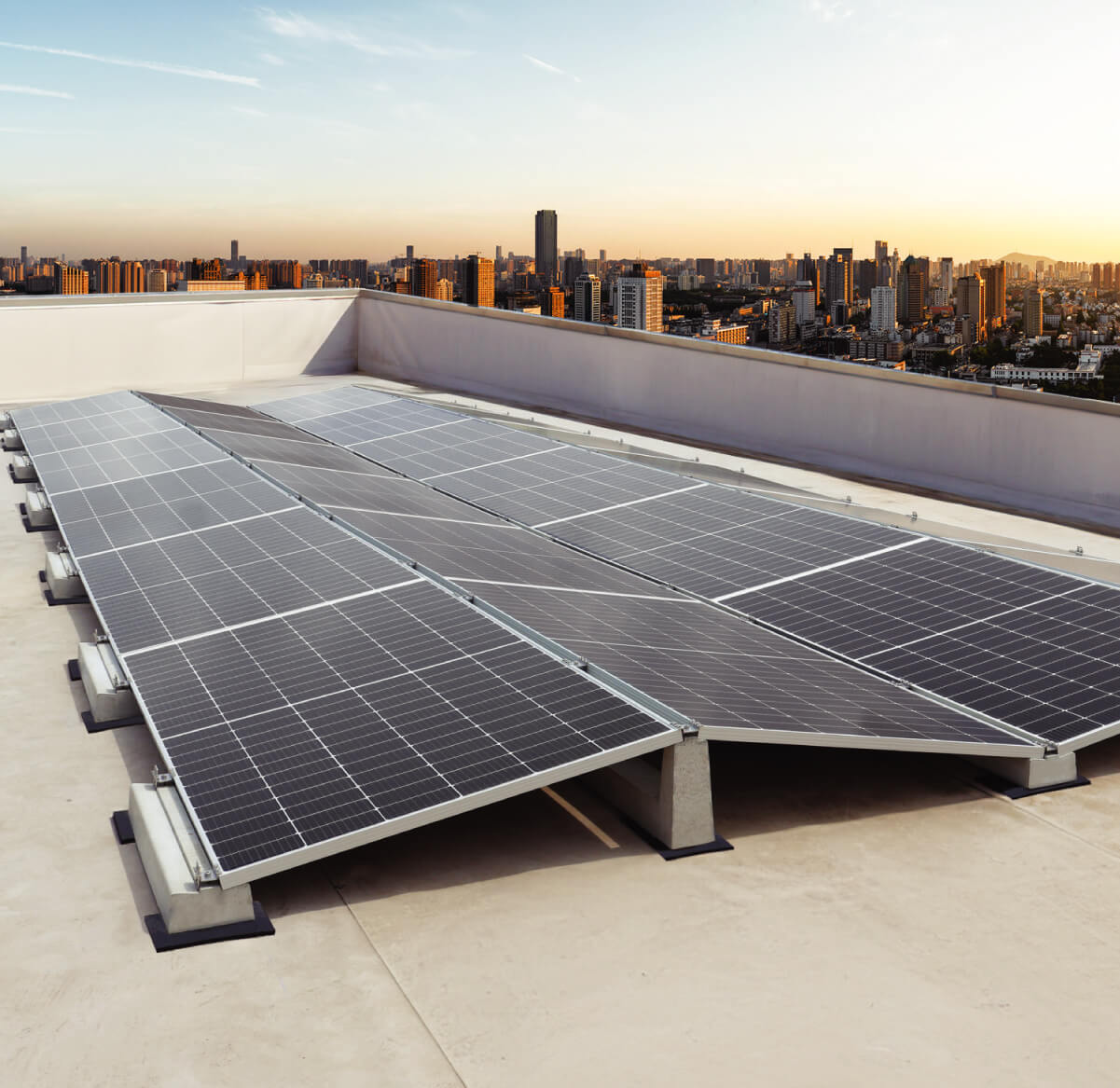
quality control across multiple rooftops. The right system supports common configurations such
as south-facing fixed tilt, east-west layouts for higher density, and optimized spacing for
maintenance walkways. If you work with distributors, a recognizable ballasted solution is easier
to stock, explain, and quote—especially when supported by technical data. Ultimately, ballasted
solar mounting is about reducing operational risk: protect the roof, streamline the build, and
deliver consistent performance. That’s exactly what flat-roof PV projects demand in Italy’s
commercial and industrial market, where downtime is expensive and project timelines are tight.
Key Benefits: No Penetrations, Fewer Parts,
Faster Installation
A ballasted system solar design is built around simplicity. By
eliminating roof penetrations, you reduce the main cause of post-installation call-backs on flat
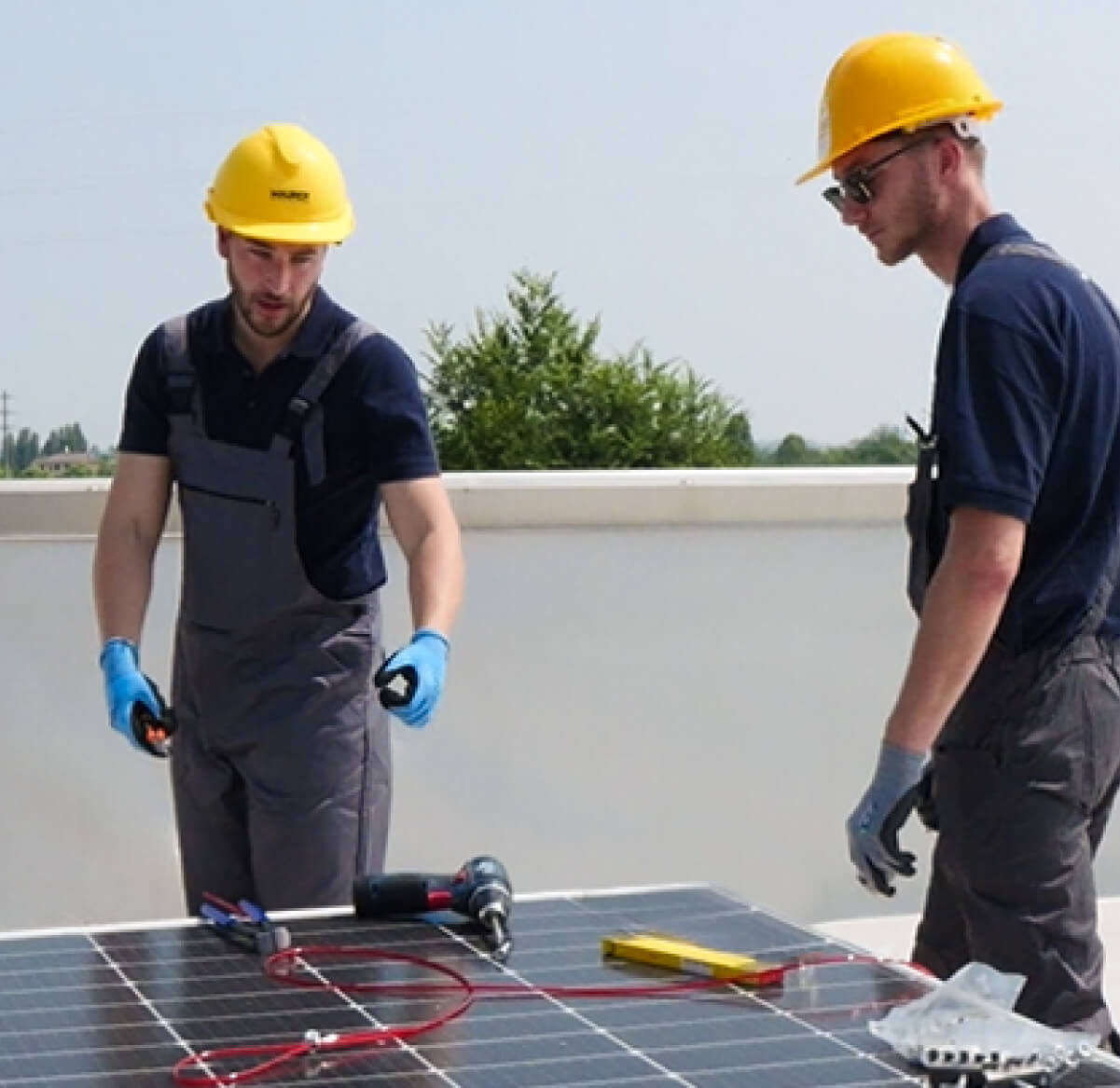
roofs: leaks. With fewer mechanical fixings and a more intuitive assembly sequence, installers
can complete arrays faster and with less rework. Many teams also appreciate how ballast
solutions improve jobsite safety—less drilling, less debris, and a cleaner workflow. From an
engineering standpoint, reliable test data and standardized mounting geometries support
wind-load verification and allow more confident project sizing. Options like aerodynamic
deflectors, optimized tilt angles, and modular rows can help balance energy yield with
stability. The result is a PV mounting system that is practical for warehouses, factories, and
large commercial rooftops across Italy, where installers need repeatability and predictable
margins.
A Technical Partner Approach for Installers,
Designers, and Distributors
What makes a ballasted system solar project run smoothly is not
only the hardware, but the support behind it. For installers, having design-stage guidance can
prevent layout mistakes that slow down commissioning. For engineers and technical offices,
accurate dimensioning—considering wind exposure, roof height, parapets, and allowable
loads—reduces responsibility risk and speeds up approvals. For distributors and wholesalers,
clear documentation and consistent product families make the solution easier to position and
sell. Look for a provider that behaves like a technical partner: helping you select the right
flat-roof solar mounting configuration, validating constraints, and supporting the project
through to execution. When the workflow is streamlined—from preliminary design to site
delivery—you save time, reduce complexity, and protect your reputation on every rooftop.