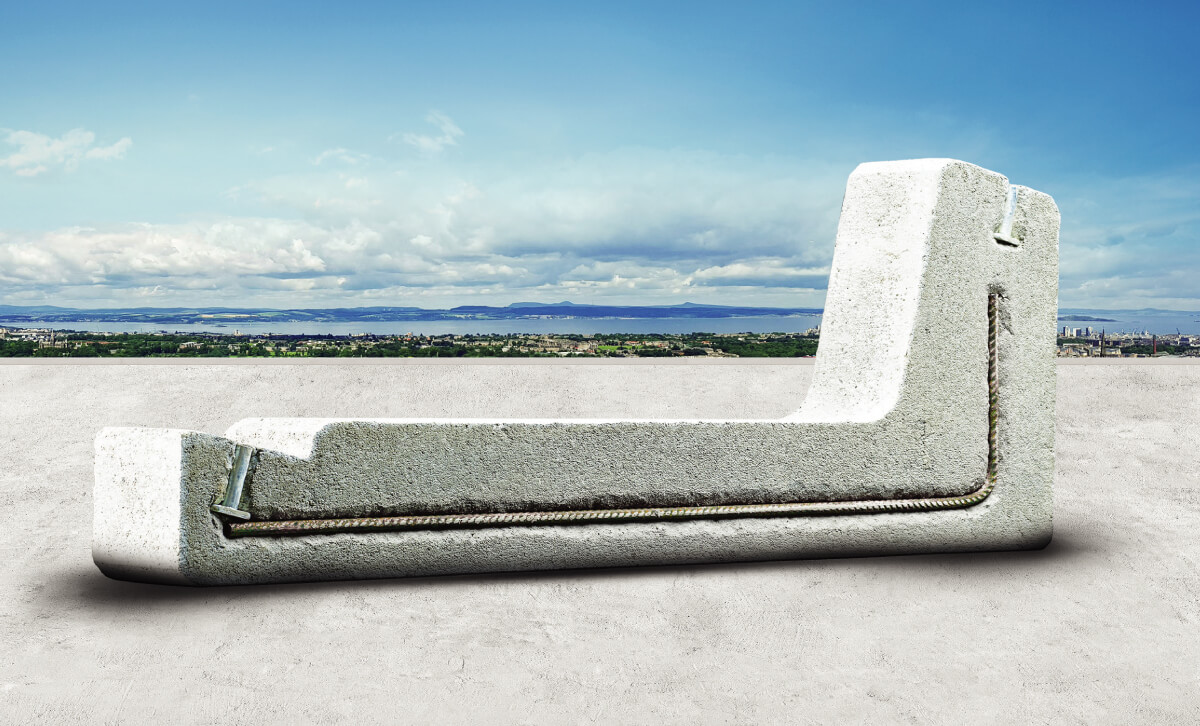
Why a Base Panel Solar Approach Fits Flat
Roofs in Italy
In Italy, flat roofs are a prime opportunity for photovoltaics—but
they can also be a source of delays and risk when the mounting structure is complex or requires
roof penetrations. A base panel solar solution designed for flat roofs helps installers and
designers simplify the whole job: fewer parts to manage, predictable assembly steps, and a
cleaner workflow on site. Instead of drilling the waterproof membrane and dealing with sealing
details, ballasted PV mounting uses weight and geometry to keep modules stable while respecting
the roof system. That means fewer variables, fewer call-backs, and faster commissioning. For
engineering teams, it also supports a more controlled design process, because loads, wind
behavior, and layout can be assessed with clear technical data. For distributors, it’s easier to
stock and recommend a system that is recognizable, consistent, and in steady demand. When the
goal is to deliver a reliable solar installation on a commercial building, logistics and speed
matter as much as performance. Choosing the right base panel solar configuration can reduce
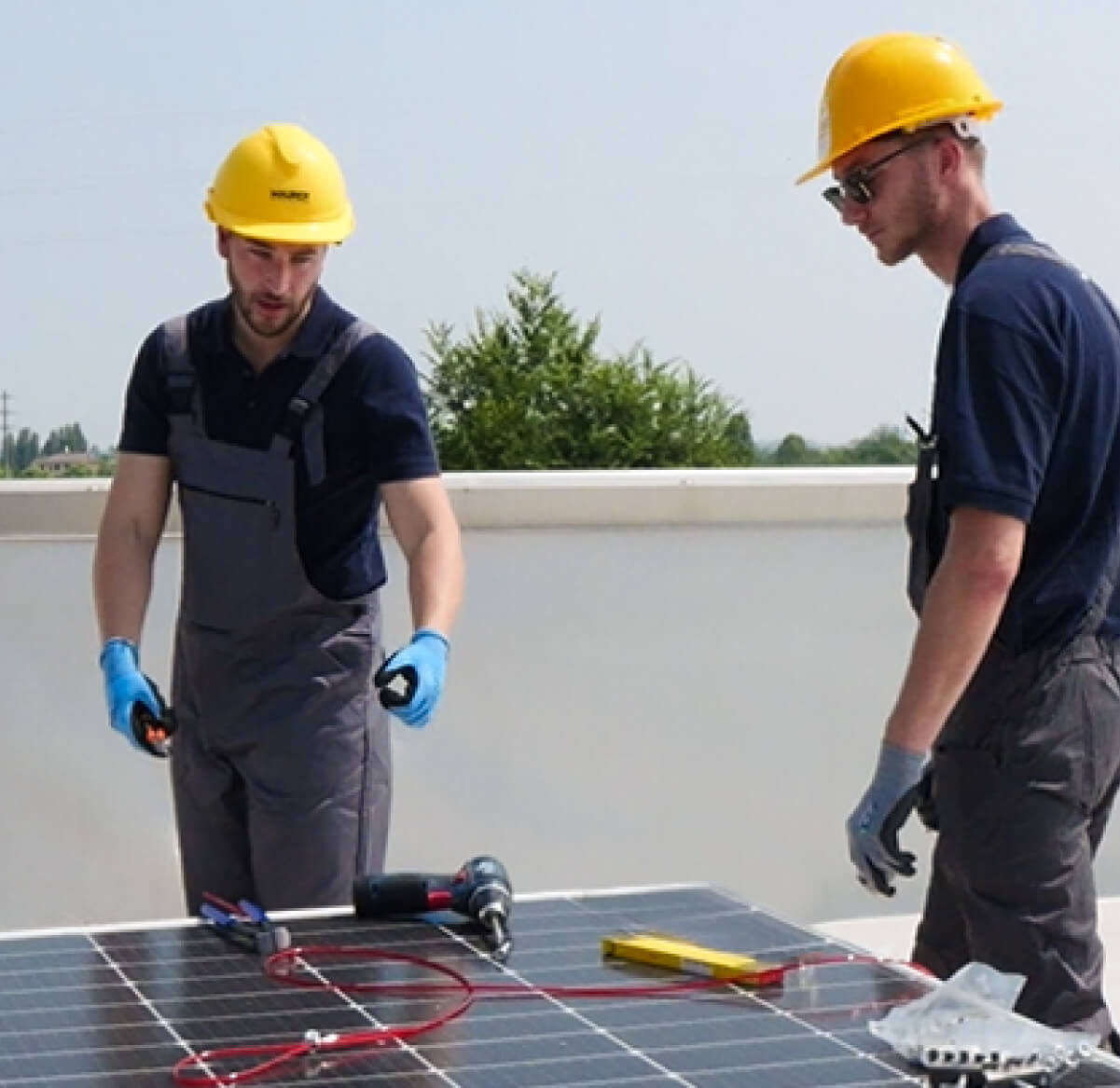
on-site improvisation, support safer handling, and keep crews focused on what counts: aligning
strings, optimizing spacing, and delivering high-quality results that last.
Concrete Ballast: Non-Penetrating Stability
with Less Complexity
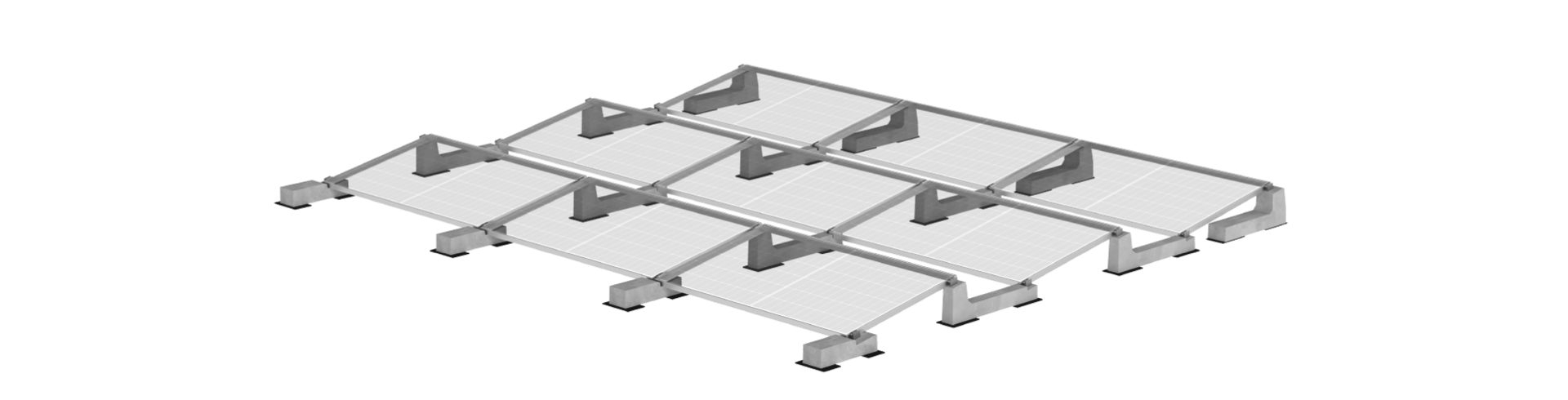
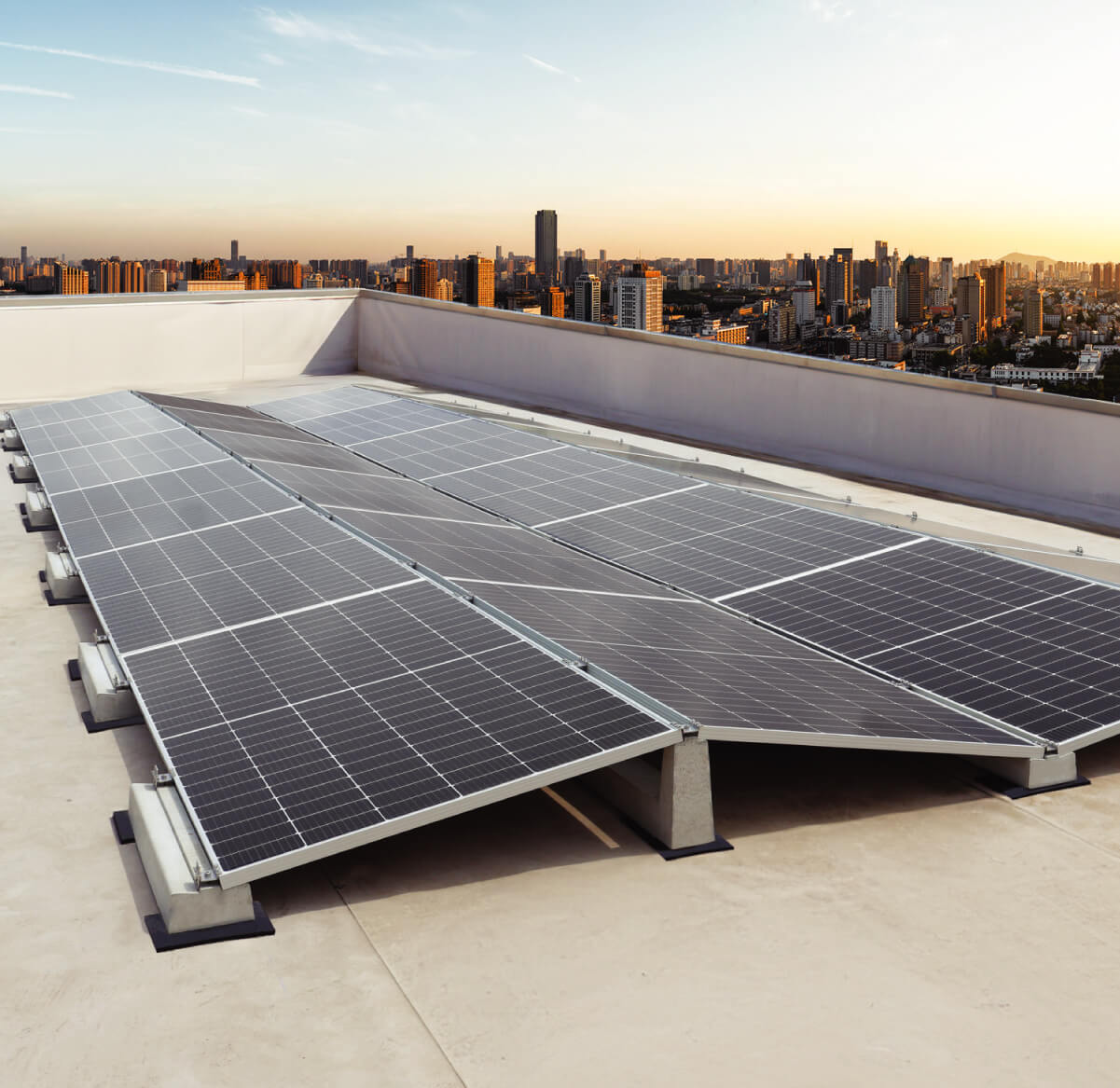
A concrete-ballasted base panel solar mounting method is built
around a simple idea: stabilize PV modules without fastening into the roof. This non-penetrating
approach is especially valuable on membranes and flat coverings where waterproof integrity is
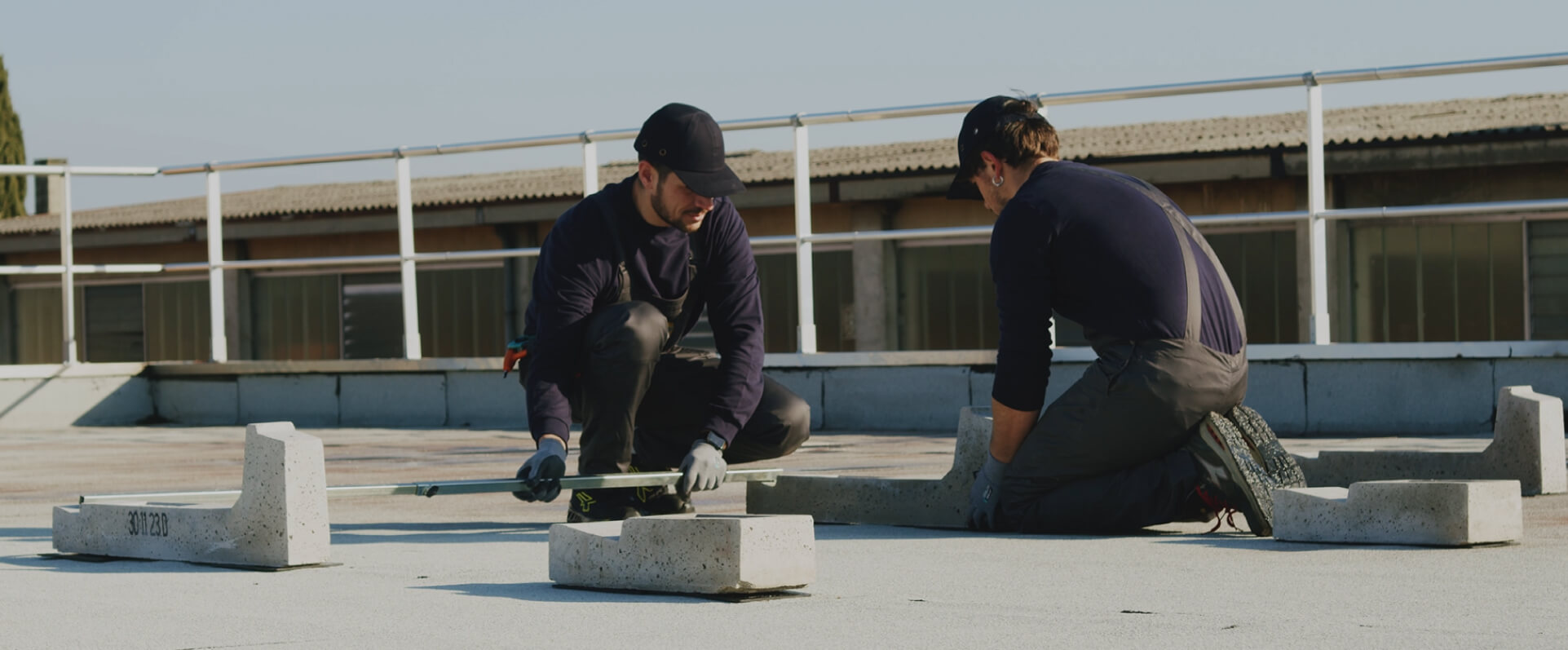
critical. With pre-engineered ballast supports, the installation becomes more intuitive—place,
align, clamp, and connect—reducing the number of components and the time spent measuring and
drilling. Because the system is designed for professional use, it supports typical flat-roof PV
needs such as correct tilt angle selection, neat cable management, and orderly row spacing to
limit shading. From a technical perspective, ballasted structures can be matched to project
requirements by considering wind exposure, building height, and roof load limits, helping
designers reduce uncertainty and documentation burden. The result is a solar racking solution
that feels practical on site and defensible on paper: robust materials, tested configurations,
and repeatable performance across different rooftops. For crews, the benefit is tangible—less
rework, fewer installation steps, and smoother coordination between mounting, electrical, and
commissioning phases. If your priority is speed without compromising safety, a concrete ballast
base panel solar setup is one of the most efficient routes to a clean flat-roof PV build.
Get a Complete Technical Partnering Model—From
Design to Execution
For B2B professionals, choosing a base panel solar system is not
only about hardware—it’s about reducing project friction. The most effective solution comes with
technical support during design, accurate system sizing, and commercial assistance that follows
the project through to execution. That kind of end-to-end help is valuable for installers who
want to close jobs faster, for engineers who need reliable inputs for load checks, and for
distributors who want a product that is straightforward to propose. On flat roofs, details
decide outcomes: correct orientation, secure module positioning, compatible clamps, and a layout
that balances energy yield with safe access paths. When these elements are supported by clear
documentation and responsive specialists, the whole supply chain benefits—fewer
misunderstandings, fewer delays, and more predictable results. A modern ballasted mounting
philosophy also aligns with today’s expectations for simplicity and innovation: systems that
install quickly, perform reliably, and keep improving over time. If you operate in the Italian
solar market and want to deliver durable PV projects with fewer headaches, adopting a
well-supported base panel solar approach can be the decisive upgrade—helping you protect the
roof, speed up installation, and meet client expectations with confidence.