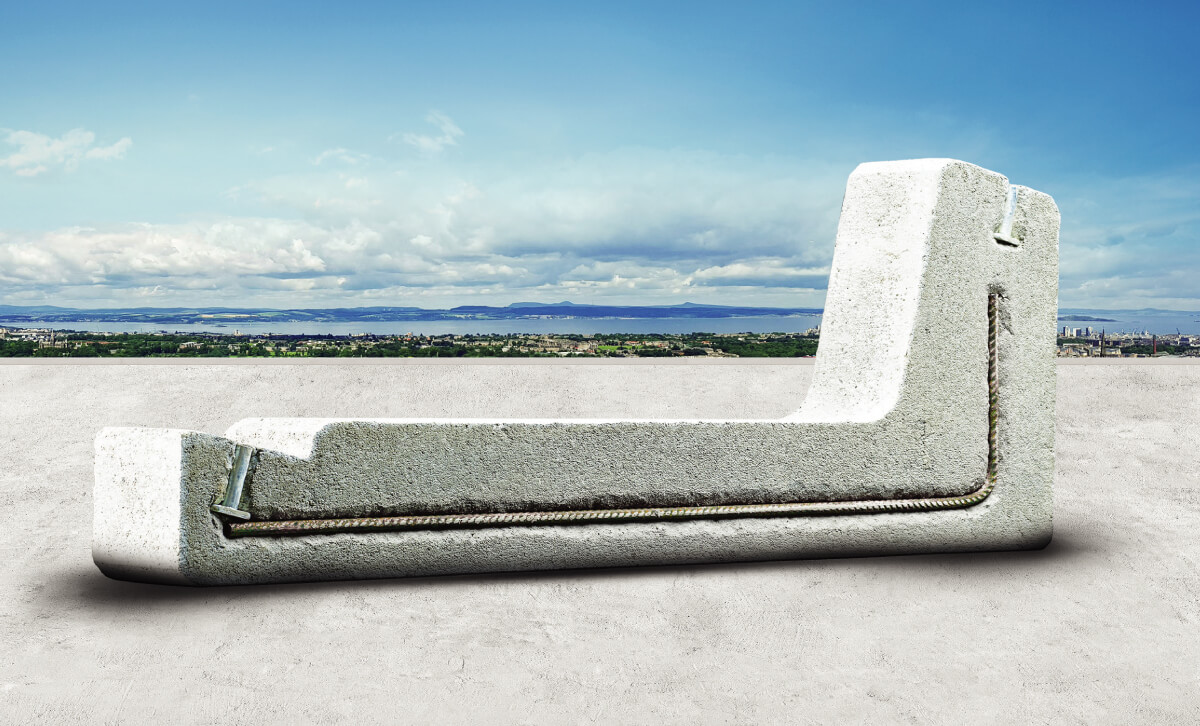
A smarter way to build PV on flat roofs in
Italy
If you work on commercial or industrial rooftops, you already know
the biggest enemy of productivity is complexity. Choosing the right ballasted standard flat roof
solar mounting manufacturer can make the difference between a smooth installation and days lost
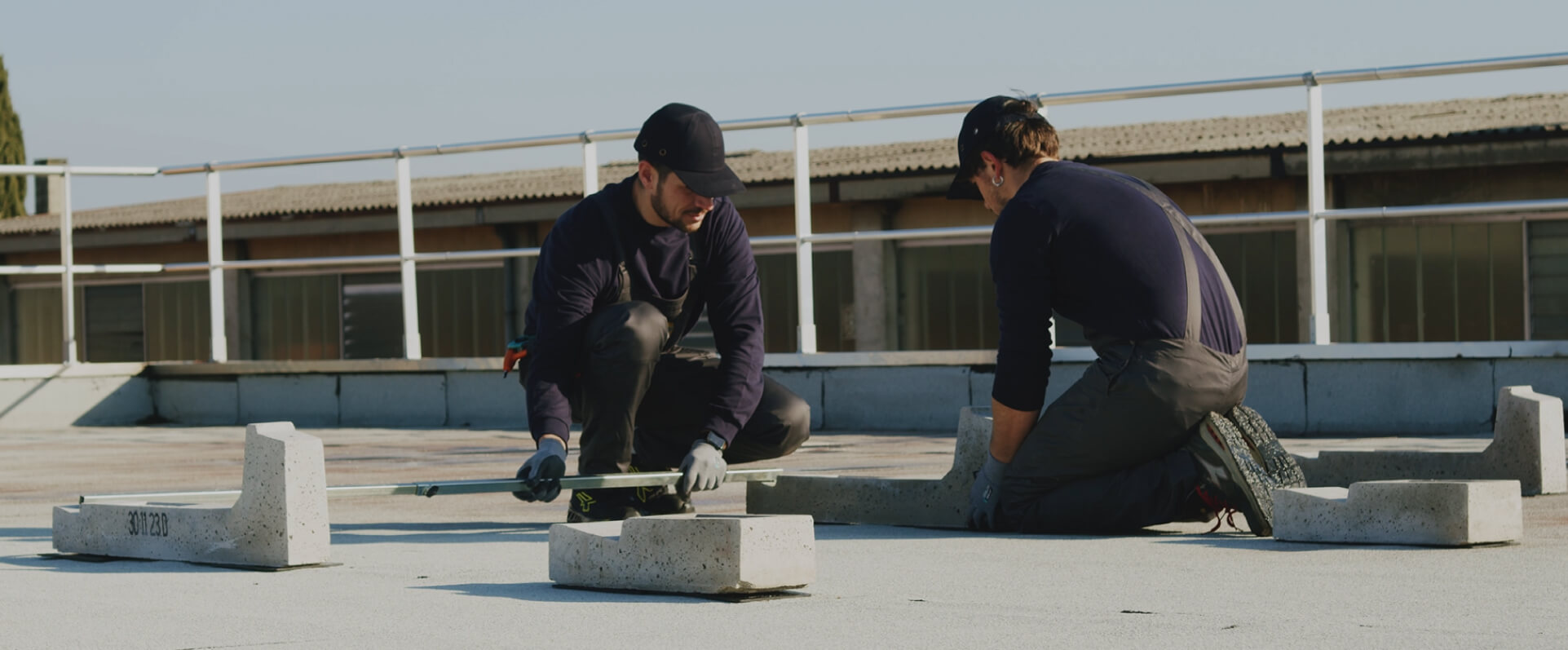
to extra parts, roof detailing, and on-site adjustments. Ballasted mounting systems are designed
to keep the waterproof layer intact, because they rely on concrete ballast rather than roof
penetrations. That means fewer risks of leaks, fewer approvals to manage, and a cleaner handover
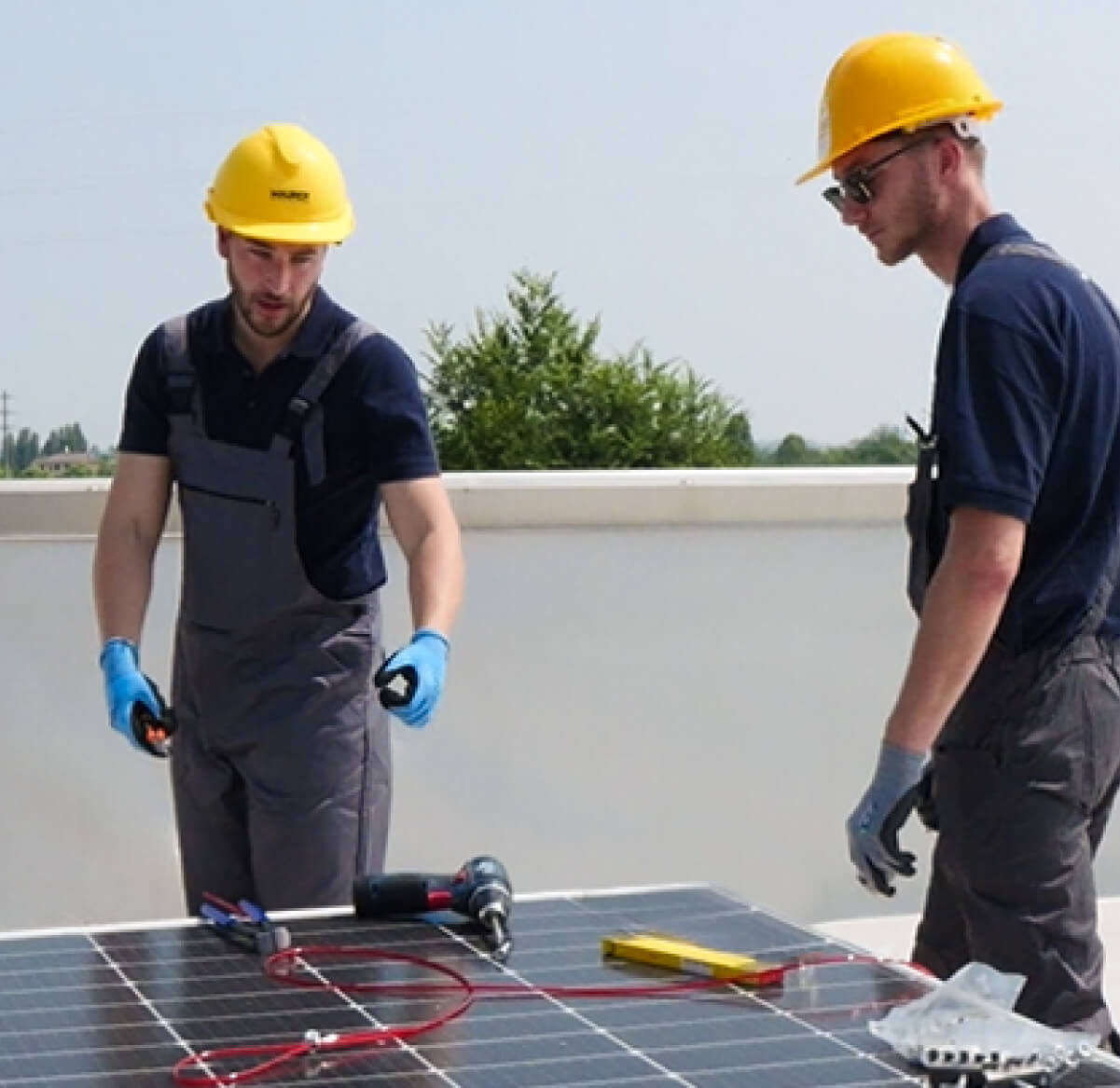
for the client. For installers, the value is immediate: faster setup, reduced component count,
and an intuitive layout that helps crews stay consistent across multiple sites. For designers
and engineers, the priority is dependable data—wind loads, structural checks, and repeatable
configurations that lower project risk. And for distributors, a recognizable, easy-to-explain
solution helps move inventory with confidence. In the Italian market, where flat roofs are
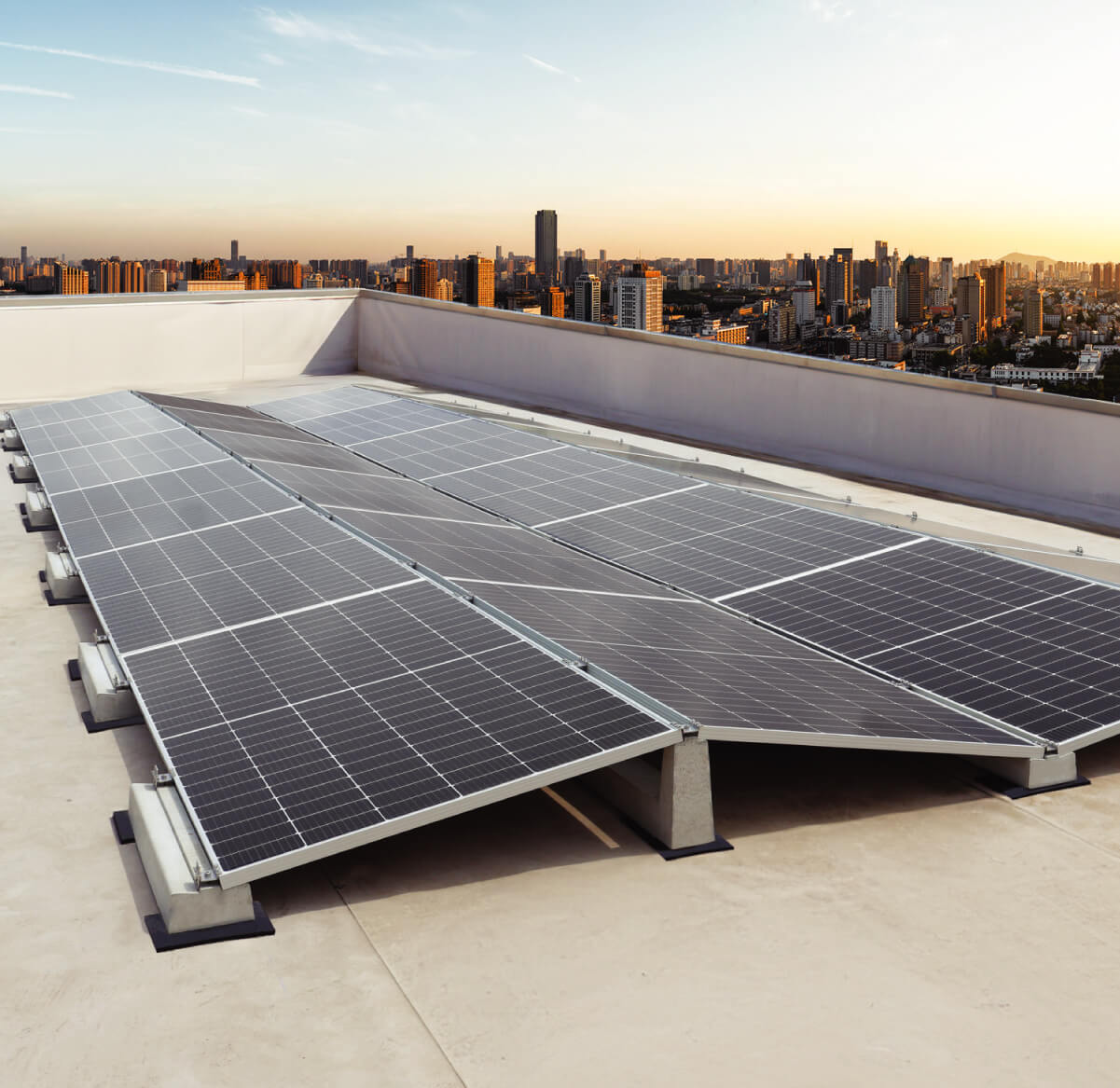
common across logistics hubs, factories, and retail buildings, a no-drill PV mounting approach
can turn rooftop solar into a predictable, scalable process. The best results come from systems
that are tested, durable, and designed specifically for flat-roof conditions, not improvised on
site. When speed, safety, and long-term reliability matter, concrete ballasted PV racking
becomes the practical standard.
Why concrete ballasted PV mounting reduces
risk and time
A ballasted solution removes one of the most common pain points on
flat roofs: fixing points through the membrane. With no roof penetration, you reduce the
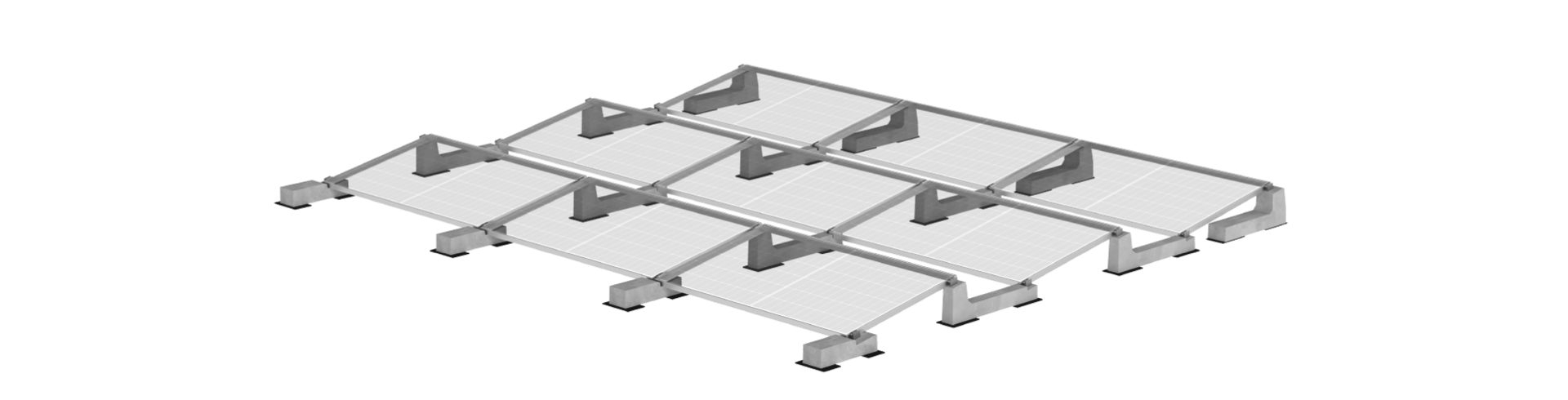
likelihood of water ingress and avoid time-consuming sealing operations. Concrete ballast blocks
also add stability and help manage wind uplift, especially when paired with pre-engineered tilt
angles and optimized panel spacing. Fewer small parts means fewer errors, quicker staging, and
smoother logistics—critical when your crew needs to finish on schedule. From a technical
perspective, reliable documentation and sizing support make it easier to validate loads and
streamline approvals. This is particularly relevant in Italy, where site conditions vary widely
and accountability often sits with the project team. A manufacturer that acts as a technical
partner—supporting design, layout, and execution—helps you deliver consistent outcomes from
feasibility to commissioning.
What to look for in a flat roof solar mounting
partner
When evaluating a ballasted standard flat roof solar mounting
manufacturer, focus on three essentials: reliability, simplicity, and ongoing innovation.
Reliability means proven, durable components and systems designed to perform over time.
Simplicity means fast installation, minimal components, and clear instructions that reduce
on-site uncertainty. Innovation means new configurations that respond to real-world
needs—different roof constraints, orientations, and project sizes. For installers, that
translates into faster builds and fewer call-backs. For engineers, it means predictable
performance backed by solid data. For distributors, it means a product that is easy to position
and consistently requested. If your goal is to make flat-roof photovoltaic projects safer and
more efficient—without drilling the roof—choose a partner that supports you beyond the hardware,
with practical engineering input and project-ready sizing.