Ballasted Standard Flat Roof Solar Mounting
Price: what you’re really paying for
If you’re comparing ballasted standard flat roof solar mounting
price options in Italy, it helps to look beyond the €/kW headline and focus on what affects
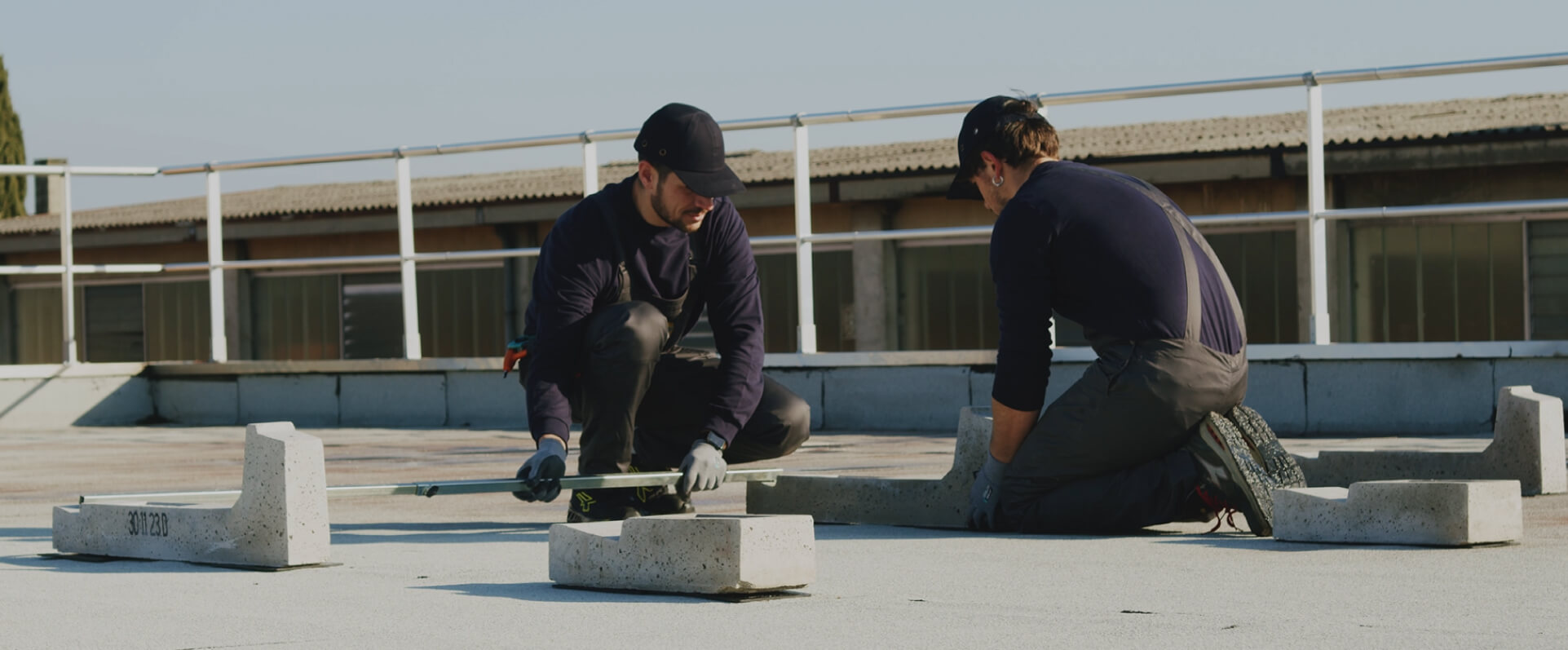
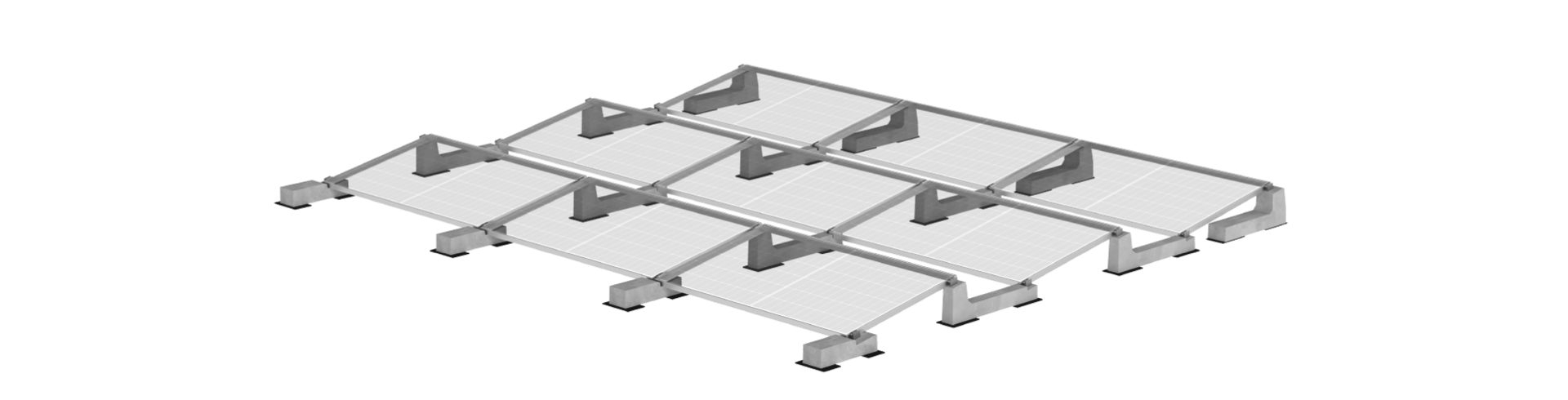
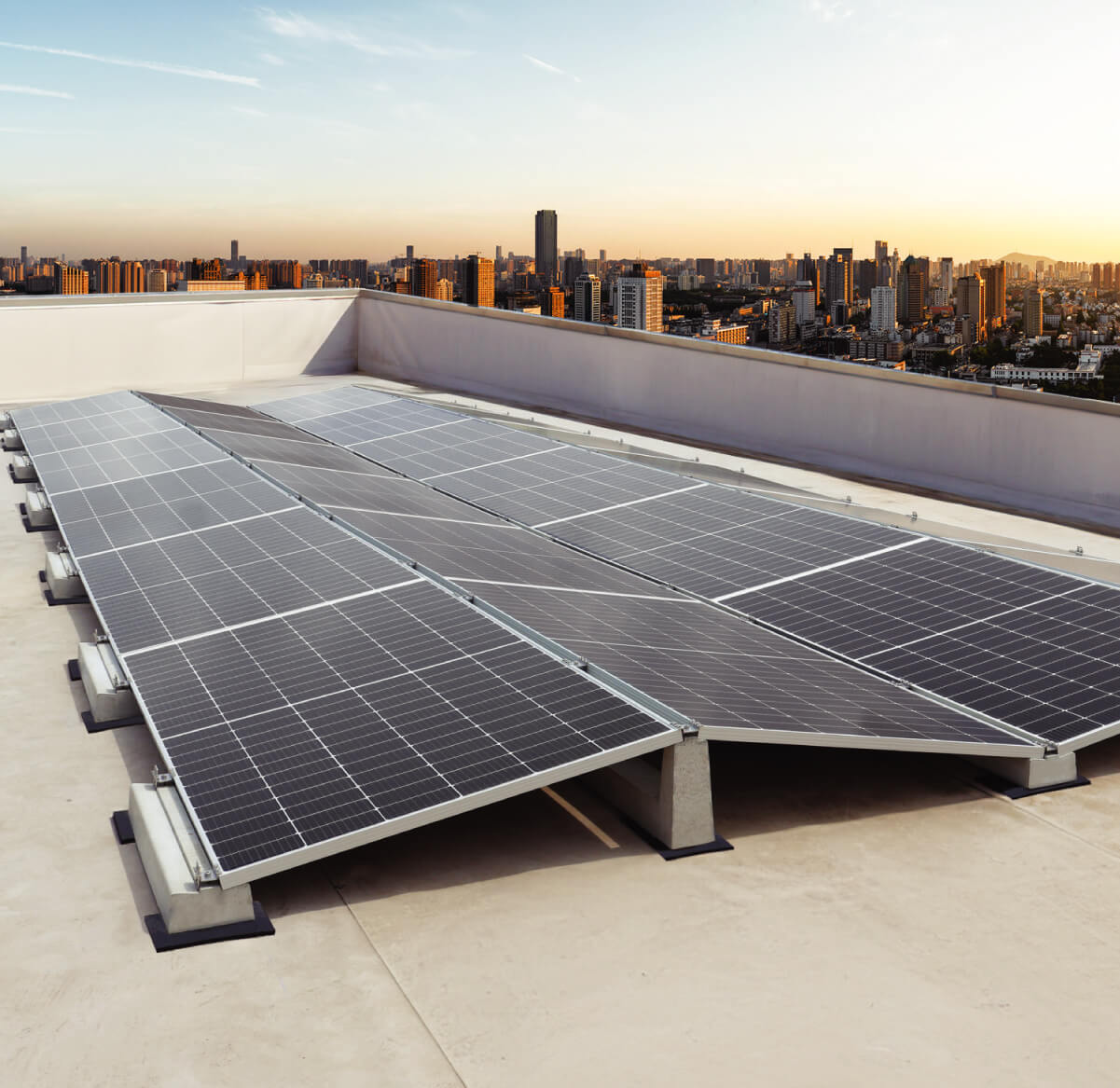
total installed cost. Ballasted mounting for flat roofs uses concrete weights to keep PV modules
stable without penetrating the waterproof membrane—meaning fewer risks of leaks, less paperwork,
and faster on-site work. Price typically reflects system geometry (east-west, south-facing
tilt), ballast mass, module size, roof type, and the wind and snow loads required by local
codes. A “standard” solution may sound simple, but real projects rarely are: parapets, setbacks,
walkways, and shaded areas can change the bill of materials. For installers, the big value
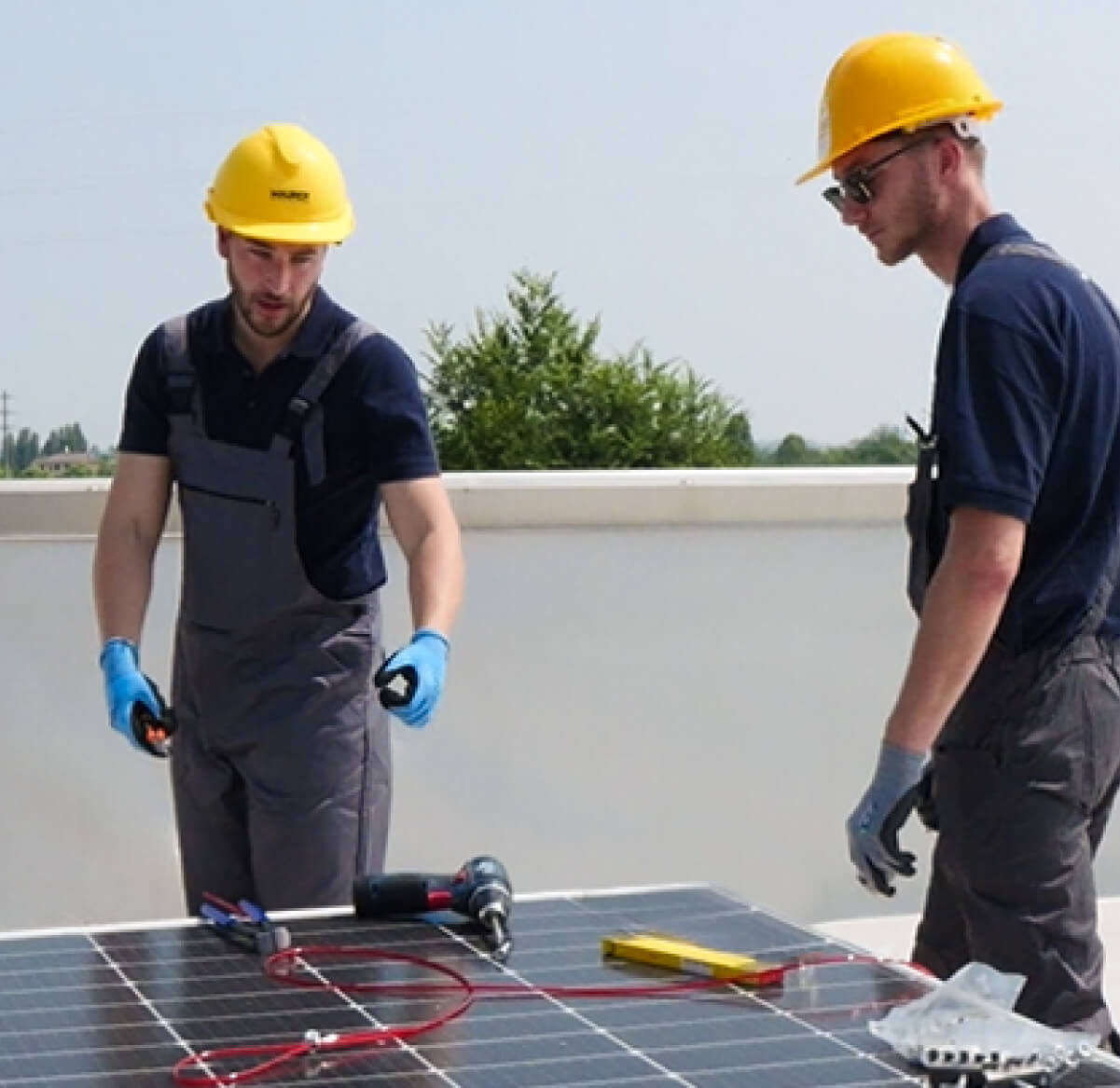
driver is speed: fewer components, intuitive assembly, and no drilling can cut labor time,
reduce tool changes, and limit costly rework. For designers, the right supplier support matters
just as much as the hardware—reliable load data, tested configurations, and clear documentation
reduce design risk and keep the project moving. In short, the best ballasted standard flat roof
solar mounting price is the one that balances material cost with predictable performance and a
smoother installation process.
Key factors that change the price on Italian
flat roofs
Several variables can shift ballasted standard flat roof solar
mounting price from “budget” to “best value.” First is wind exposure: coastal sites, higher
elevations, or open industrial zones often require more ballast or optimized aerodynamics.
Second is roof capacity—if structural limits are tight, you may need a configuration that
achieves stability with smarter distribution, not simply more concrete. Third is layout
efficiency: east-west systems can maximize kWp on limited space, while south-facing tilt may
improve yield but require different spacing to avoid inter-row shading. Cable management,
grounding, and compatibility with common module frames also influence the final kit price. Don’t
forget logistics: concrete ballast weight affects transport and rooftop handling, so simplified
packaging and fewer SKUs can reduce hidden costs. Finally, the level of technical
assistance—preliminary checks, array sizing, and project development support—can save hours
across design, procurement, and installation. When evaluating price, compare like-for-like: same
tilt, same design loads, same roof zones, and the same safety margins.
How to get a competitive quote without
sacrificing reliability
To secure a competitive ballasted standard flat roof solar
mounting price, start by sharing the right inputs with your technical partner: address and
exposure, roof build-up, available area, obstacles, desired kWp, module dimensions, and any
structural load constraints. Ask for a configuration that minimizes components while meeting
wind-load requirements, and request clear documentation for the chosen layout. For installers,
prioritize solutions that eliminate roof penetrations and reduce assembly steps—those savings
often outweigh small differences in hardware cost. For engineers and project studios, look for
tested systems with dependable calculation support so you can specify with confidence and limit
liability. For distributors, consistent product availability and an easy-to-explain value
proposition make quoting faster and close rates higher. A well-designed ballasted system on a
flat roof should feel straightforward on site: position, align, fix the modules, and move on. If
the quote also includes design support and practical guidance up to execution, you’re not just
buying hardware—you’re buying a smoother job, fewer surprises, and a better outcome for your
client.