Why a Ballasted Solar System Is the Smart
Choice for Flat Roofs in Italy
For many PV professionals in Italy, the biggest headache on flat
roofs is not the panels—it’s the mounting method. A ballasted solar system solves that problem
by keeping the structure stable through weight rather than roof penetrations. That means no
drilling, fewer waterproofing risks, and a cleaner handover for the client. Installers benefit
immediately: simpler logistics, fewer parts to assemble, and faster installation times on site.
Designers and engineers gain predictability, because the system is built around tested
configurations and repeatable load paths. In practice, a well-designed ballasted mounting
solution helps you standardize your workflow across different flat-roof projects, reducing
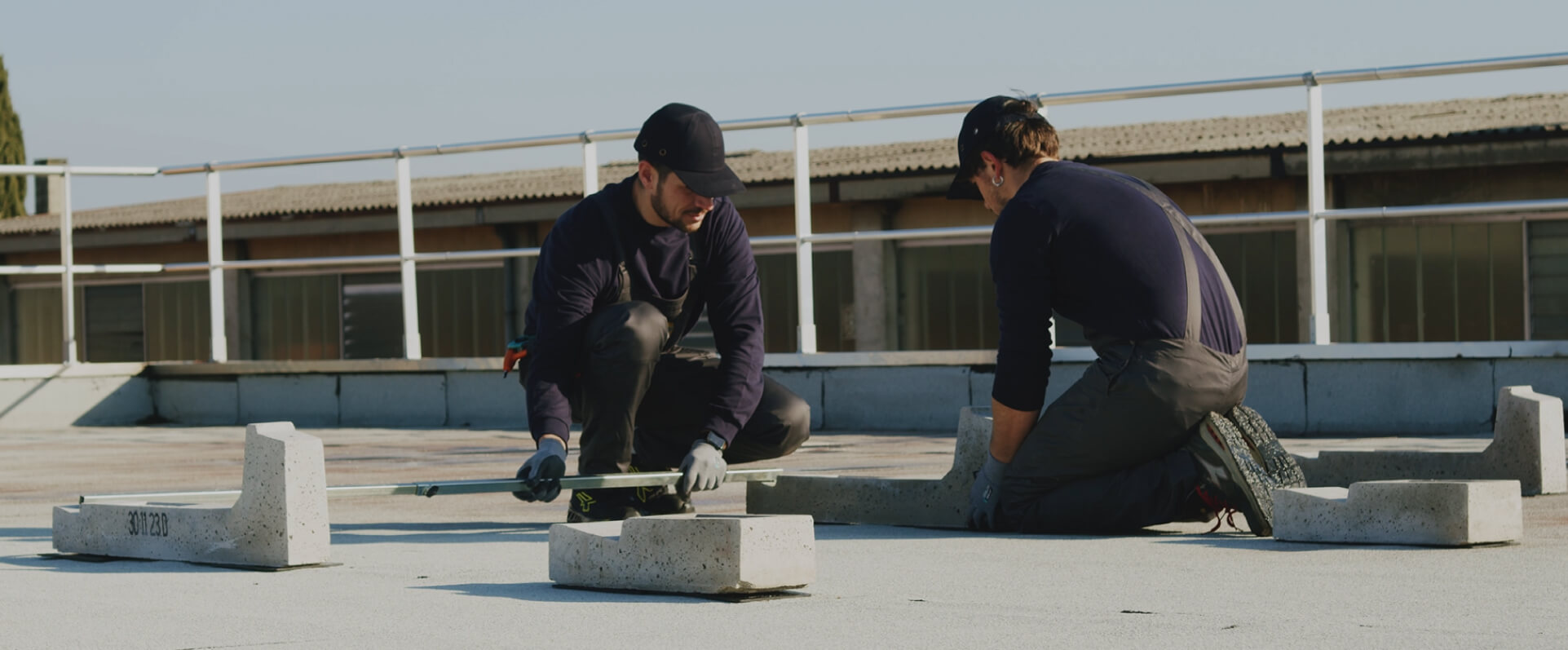
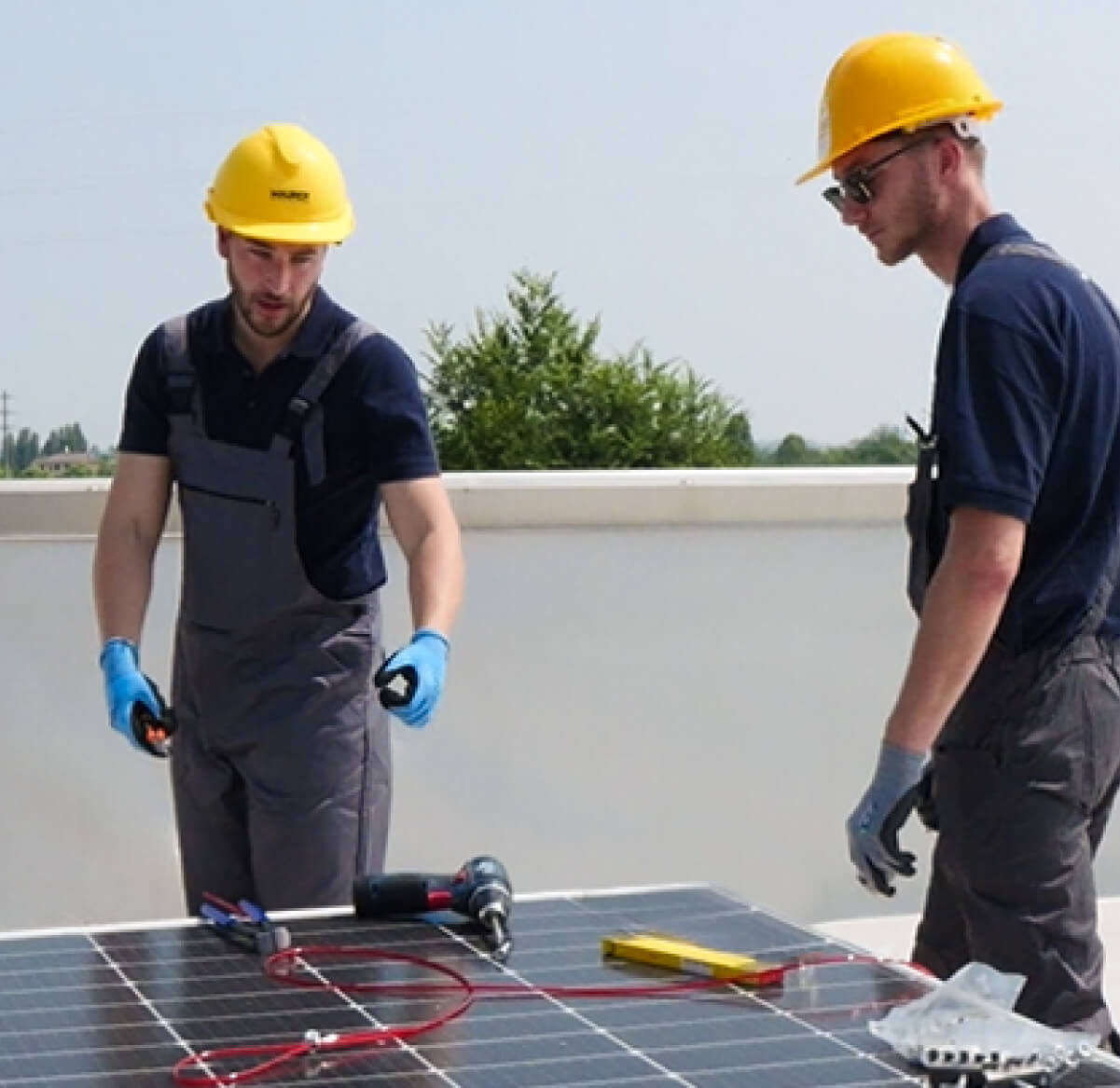
surprises that slow down commissioning. It also supports safer work on the roof, because crews
spend less time handling complex substructures and more time placing modules efficiently.
Whether you’re working on industrial buildings, commercial rooftops, or large logistics hubs,
the right solar ballast approach can reduce project friction while keeping performance and
durability at the forefront—exactly what the Italian market demands from modern photovoltaic
installations.
Speed, Simplicity, and Fewer Roof Risks for
Installers
If your priority is to install more systems per month, a ballasted
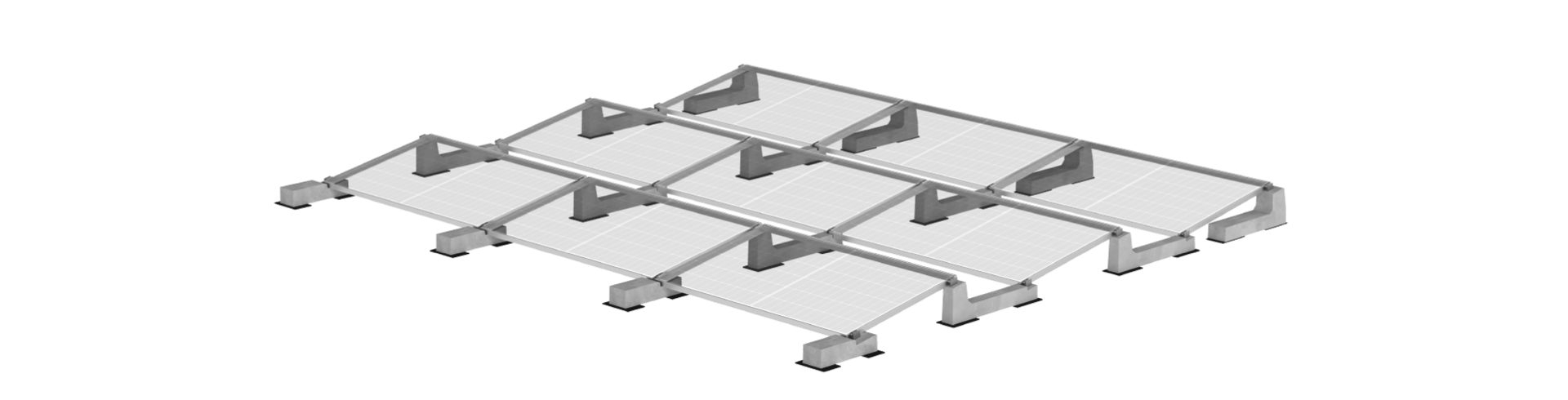
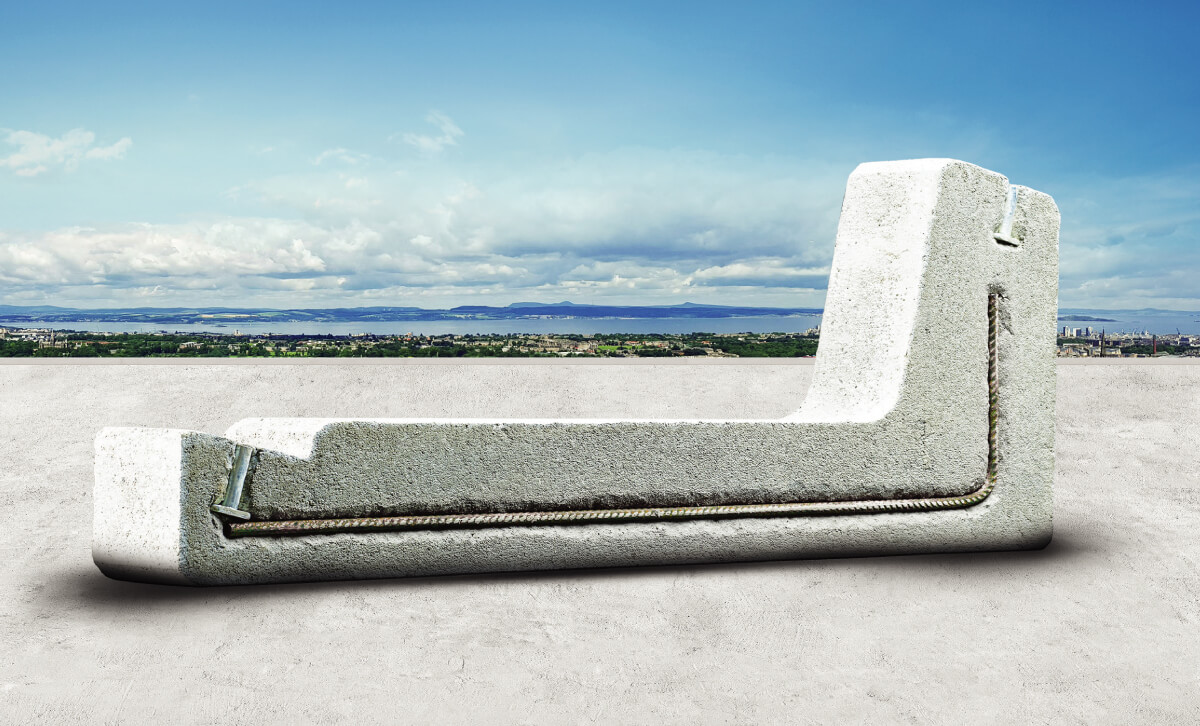
solar system is a practical advantage. With concrete ballast blocks engineered for PV, you can
avoid penetrations that often trigger extra approvals, extra materials, and extra liability. A
no-drill approach also limits the risk of leaks—one of the most common post-installation
complaints on flat roofs. Fewer components translate into faster assembly and fewer points of
failure, which matters when you’re coordinating crews, lifts, and delivery schedules. Just as
important, ballasted racking can be intuitive: align the supports, position the modules,
complete the electrical work, and move on. For distributors, these systems are easier to explain
and easier to stock because the concept is straightforward and demand stays consistent. And for
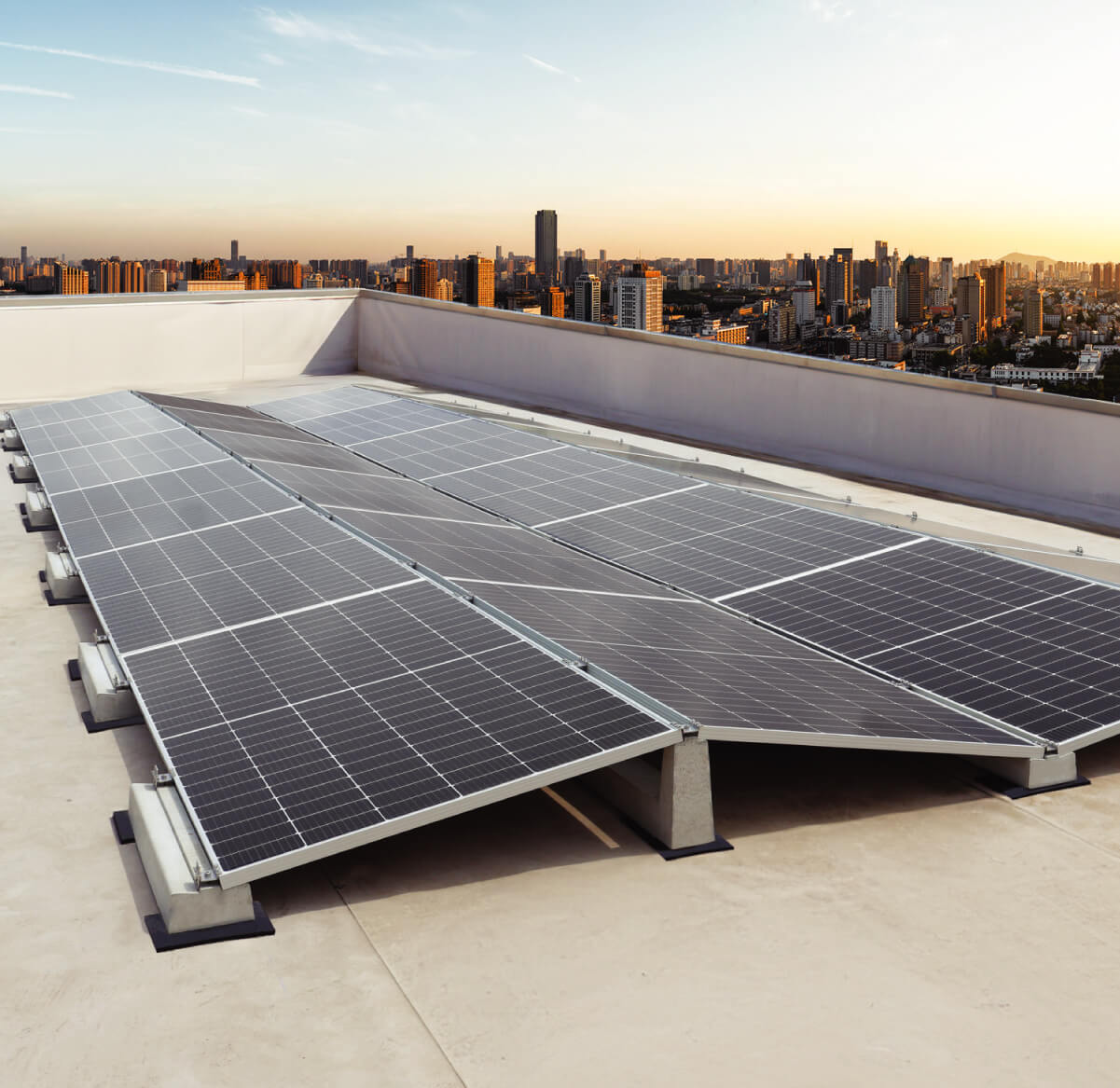
building owners, the value is clear: a photovoltaic array that’s installed quickly, with minimal
disruption, and without compromising the roof membrane.
Engineering Support and Reliable Sizing for
Wind and Loads
A ballasted solar system must be more than “heavy enough.” In
Italy, wind exposure, building height, parapets, and roof zones all influence the required
ballast and layout. That’s why professional projects benefit from technical support that
includes system sizing, design verification, and project development up to execution. For
engineers and technical offices, having access to reliable data and proven solutions reduces
calculation complexity and helps manage design responsibility. The best ballasted PV structures
are tested, durable, and designed for long-term stability, with configurations that suit common
flat-roof needs—such as optimized tilt angles, aerodynamic considerations, and efficient use of
roof space. When you combine a penetration-free mounting method with proper load assessment and
clear documentation, you get a solution that is easier to specify, easier to install, and easier
to defend in the project file. If you’re looking to streamline flat-roof photovoltaics without
adding risk, a ballasted solar system is one of the most effective ways to deliver speed,
safety, and dependable results.