Why Ballasted Solar Systems Are the Smart
Choice for Flat Roofs in Italy
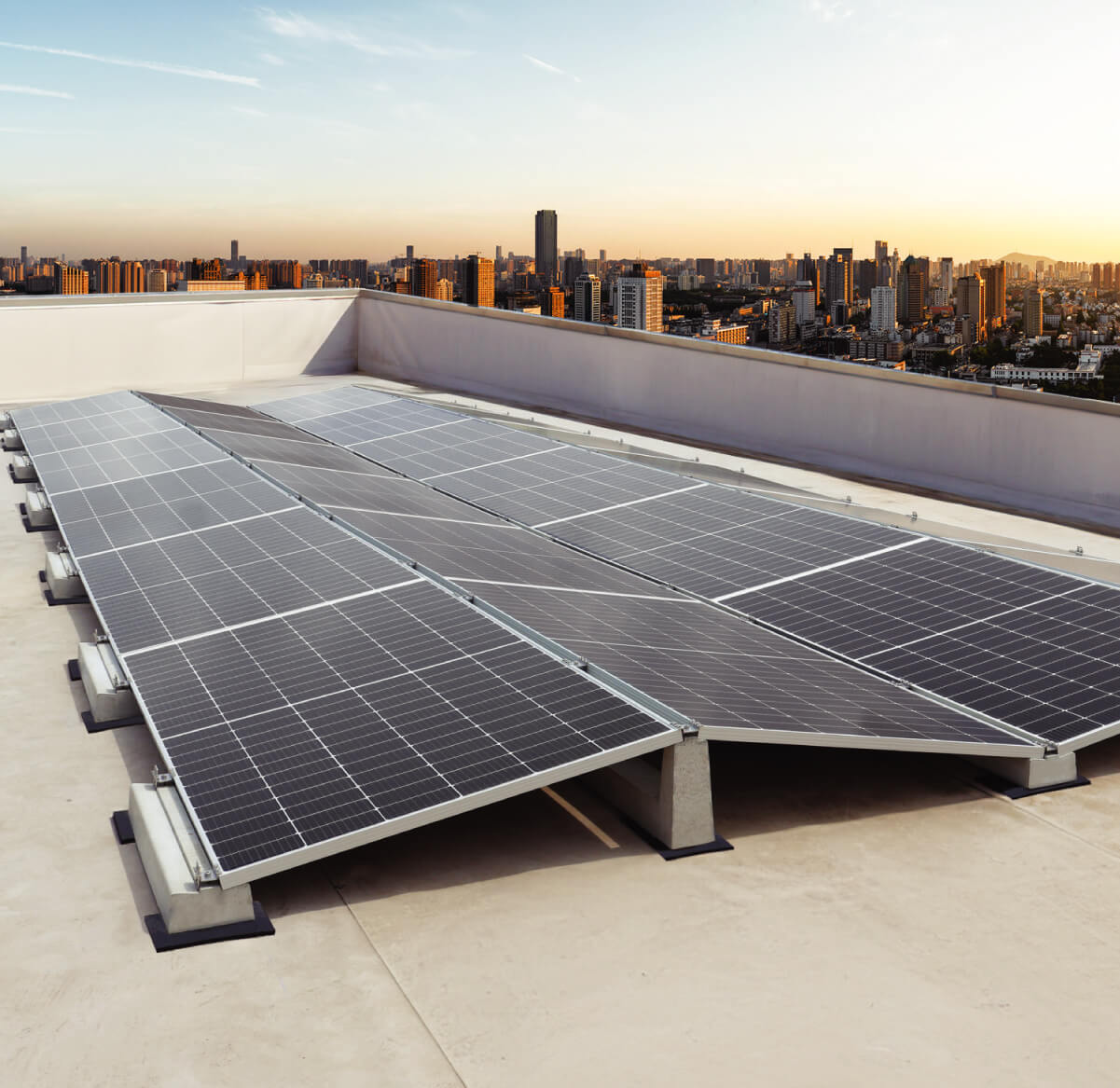
Ballasted solar systems are becoming the go-to solution for PV
installations on flat roofs across Italy, especially where speed, safety, and roof integrity
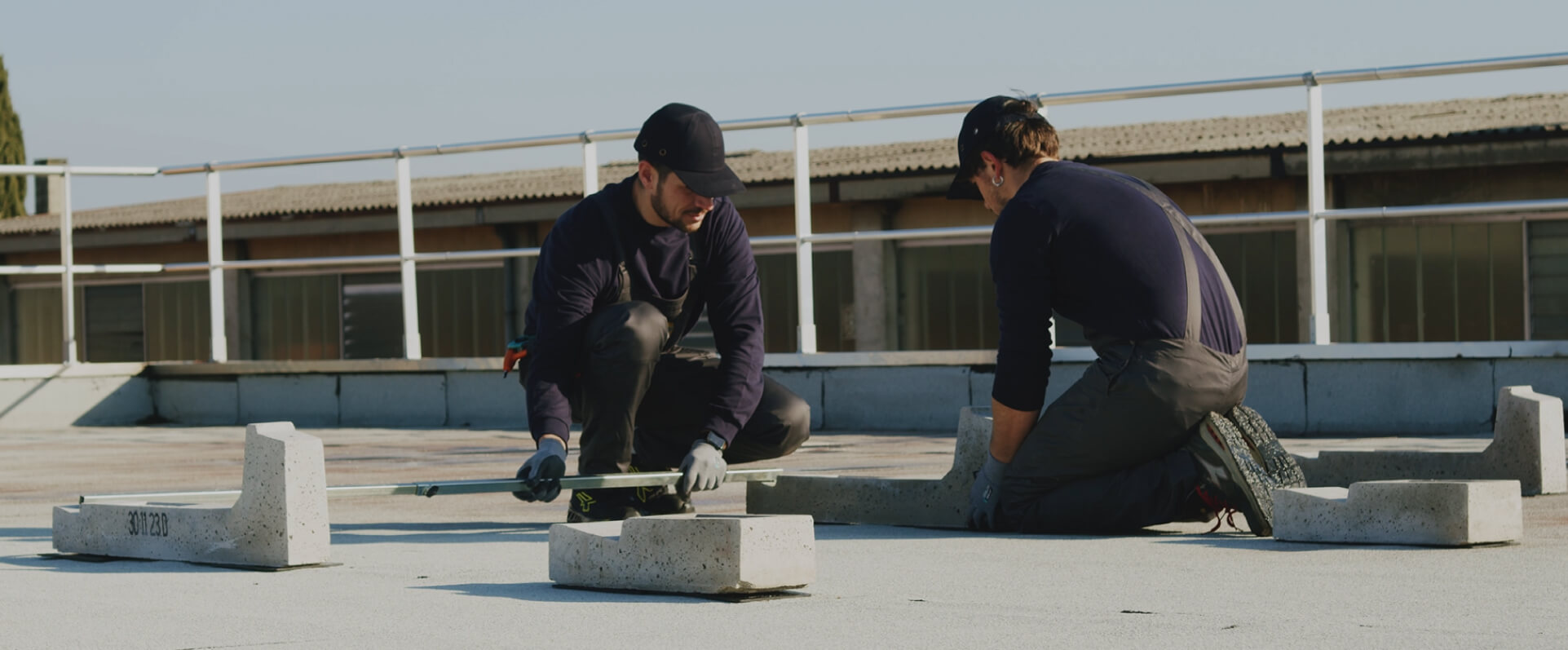
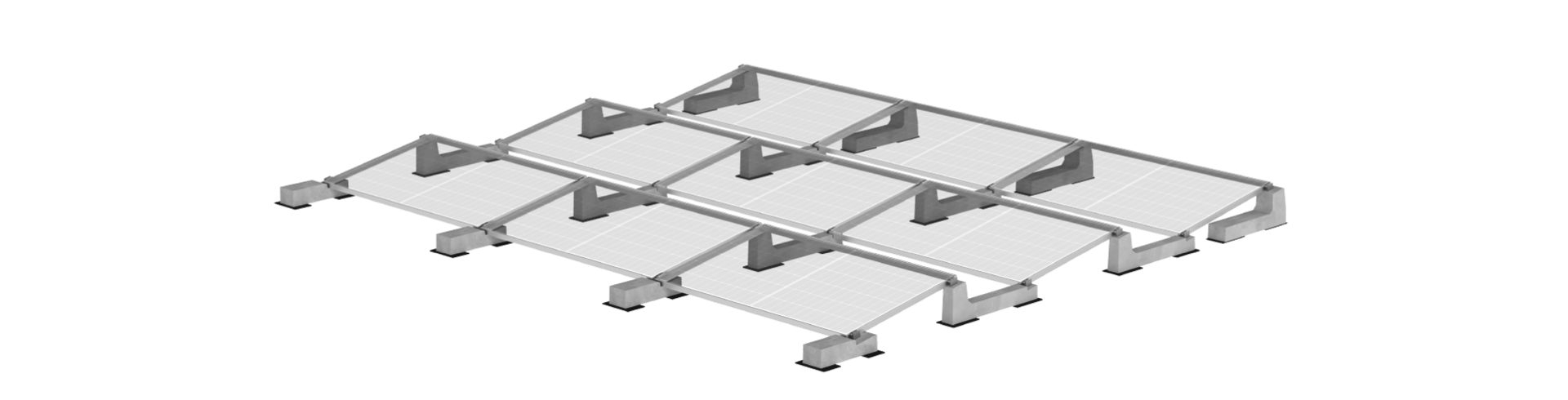
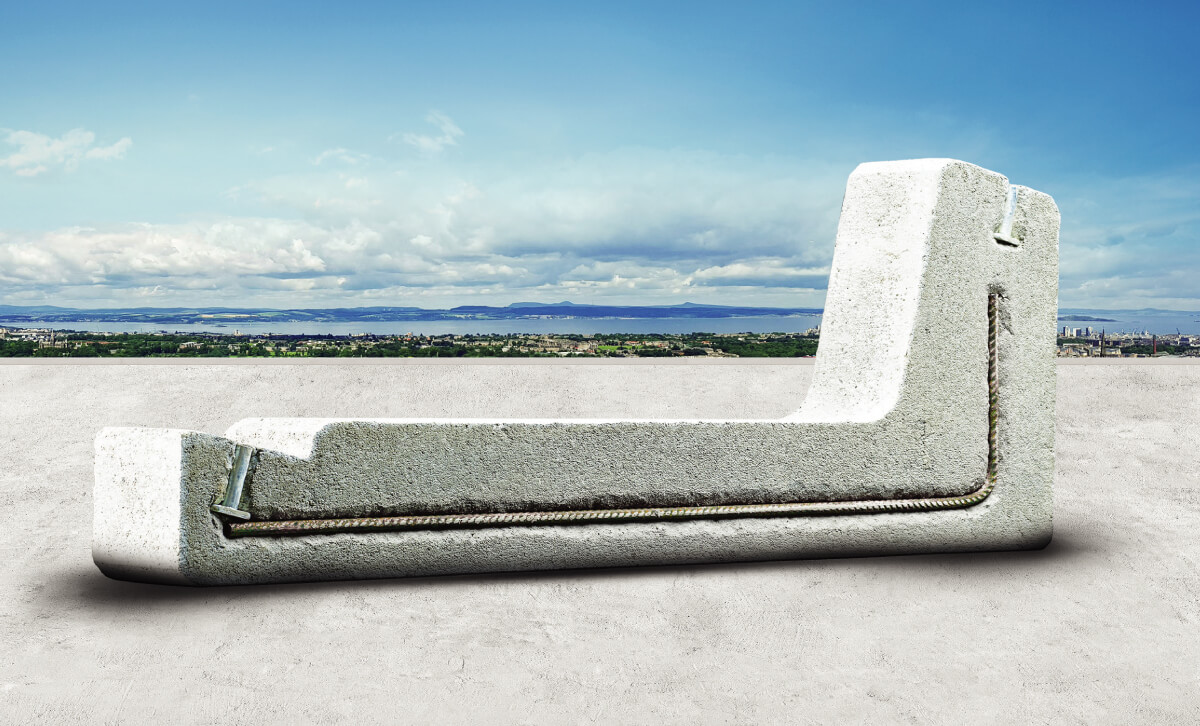
matter. Instead of drilling into the waterproof membrane, these systems use concrete ballast
blocks that keep the structure stable through weight and smart geometry. For installers, that
means fewer headaches on site: no penetrations, fewer components to manage, and a cleaner
workflow from layout to final tightening. For designers and engineers, it delivers a predictable
approach to loads and stability, with tested configurations that simplify wind calculations and
reduce project risk. The result is a PV mounting method that helps protect the roof, shortens
installation time, and supports consistent performance over the system’s life. Ballasted
mounting is also ideal for refurbishments and industrial buildings where roofing warranties,
existing membranes, or strict site rules make mechanical fixings difficult. In short, if you
want a faster flat-roof photovoltaic installation with less complexity, ballasted solar systems
offer a practical, professional answer—built for real jobsite conditions in the Italian market.
Faster Installation, Fewer Risks: What
Installers Gain
Installers choose ballasted solar systems because they reduce the
critical pain points of flat-roof work. With no roof drilling, you minimize the risk of leaks
and avoid time-consuming sealing operations. Concrete ballast solutions are designed to be
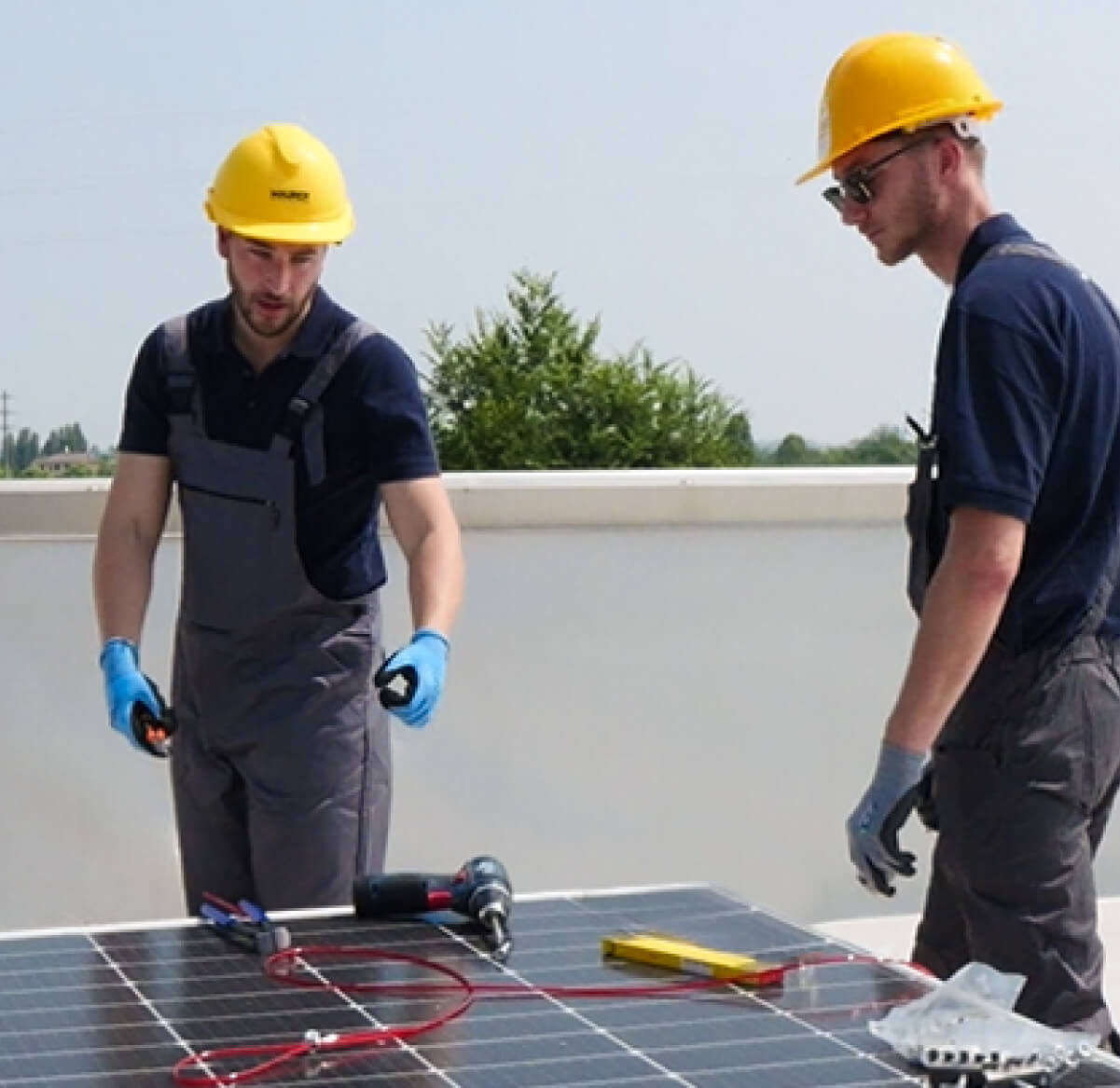
intuitive: place, align, and fix the modules with a streamlined set of parts—so crews can move
faster and complete more installs per month. That speed is not just convenience; it directly
improves margins and planning reliability. On busy rooftops, fewer parts also mean fewer
mistakes, less lost hardware, and simpler logistics. And when the mounting system is engineered
for durability—solid, tested, and long-lasting—you reduce call-backs and protect your
reputation. Ballasted PV structures can also support different tilt angles and layouts, helping
you optimize energy yield while respecting roof constraints like parapets, shading, or access
paths. If your goal is a flat-roof solar installation that’s quick, dependable, and easy to
replicate across multiple sites, ballasted solar systems are built to support that reality.
Technical Support and Design Confidence for
Engineers and Distributors
For engineering teams and technical offices, ballasted solar
systems offer more than a mounting method: they provide a clearer route to compliant, low-risk
design. Reliable data for sizing, wind action, and roof loads is essential, and proven
configurations help streamline calculations while supporting accountable documentation. Many
projects also benefit from hands-on technical assistance during the design phase, from
preliminary layout choices to system dimensioning and execution-ready planning. That
partner-style approach reduces uncertainty and speeds up approvals—especially on large
commercial roofs where details matter. Distributors and wholesalers benefit too: ballasted
solutions are easier to explain, easier to stock, and easier to recommend because the value
proposition is immediate—no penetrations, faster installation, and stable performance. If you
work in Italy’s B2B solar market and need a solution that combines simplicity, reliability, and
engineering-grade support, ballasted solar systems are a persuasive choice for flat-roof
photovoltaic projects.