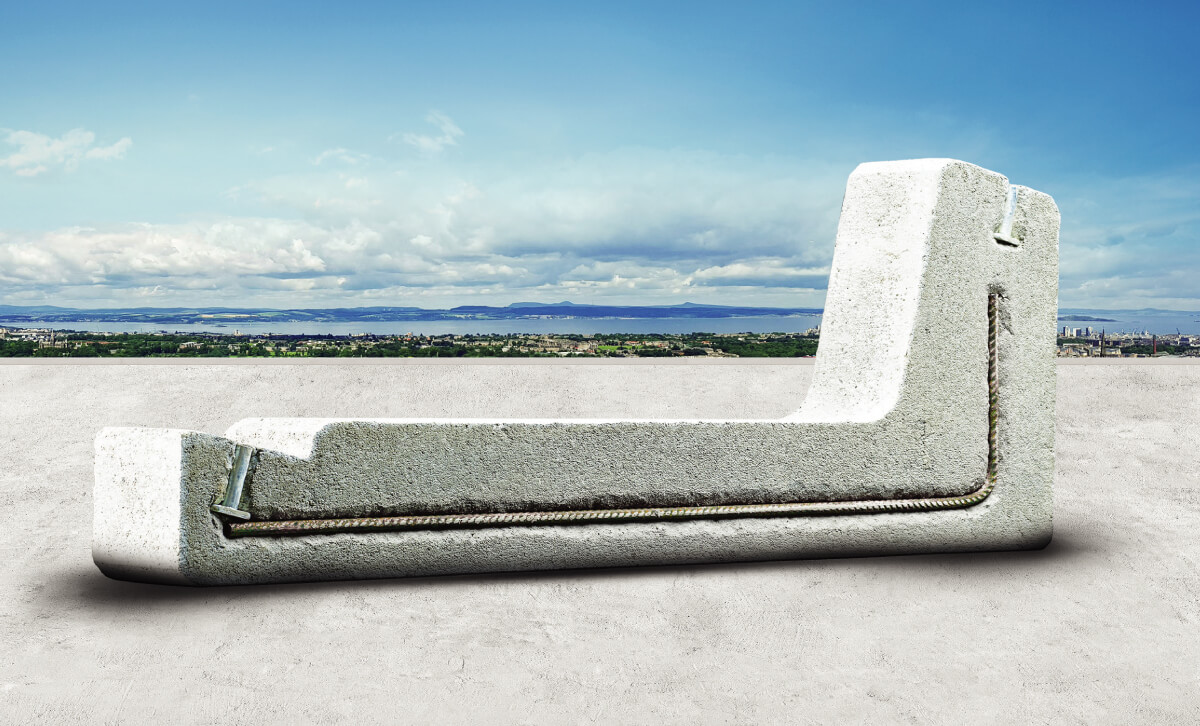
Ballasted Solar Roof Mounting: a smarter way
to build PV on Italian flat roofs
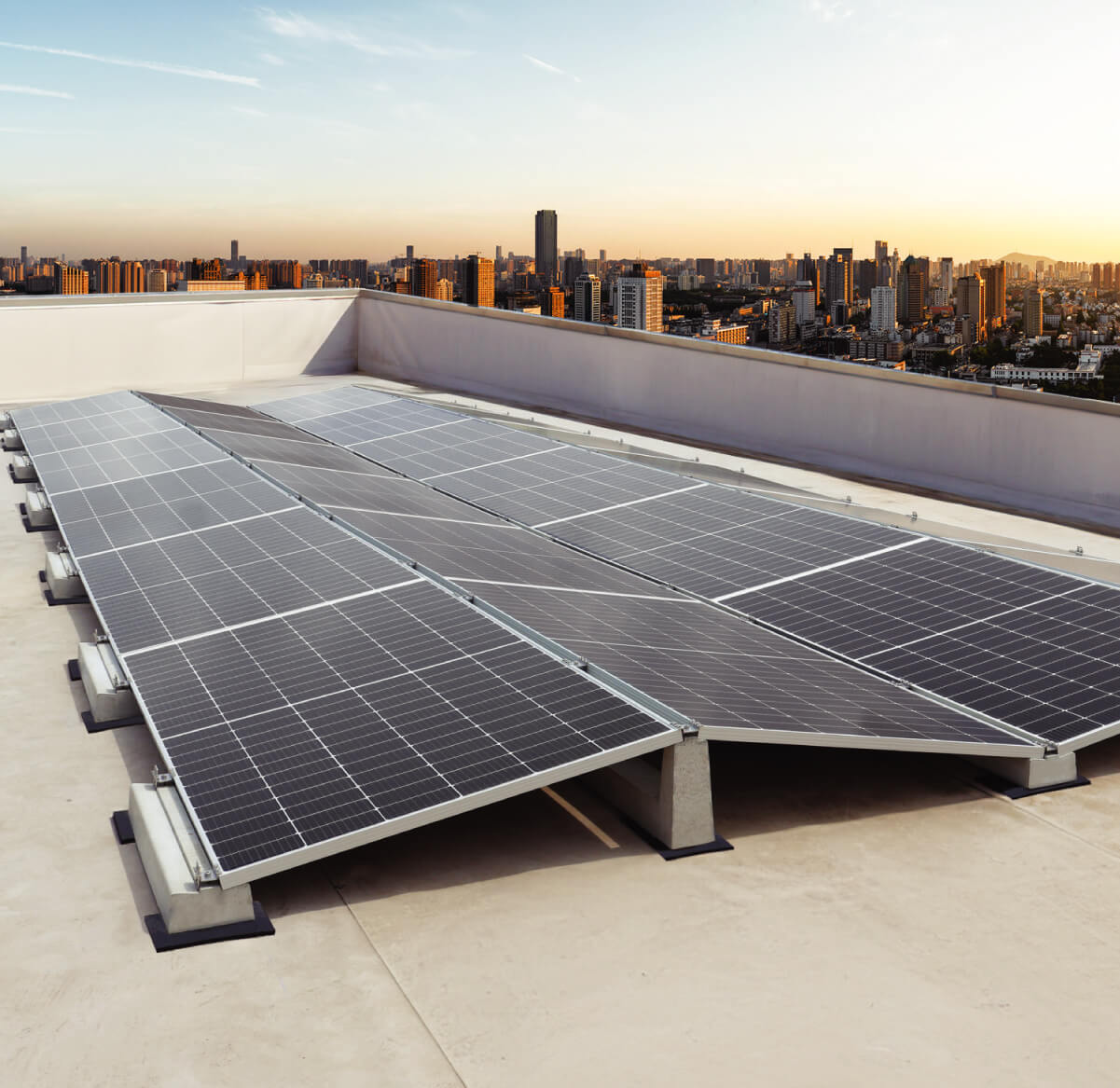
Ballasted solar roof mounting is one of the most practical
solutions for installing photovoltaic systems on flat roofs in Italy—especially when you want
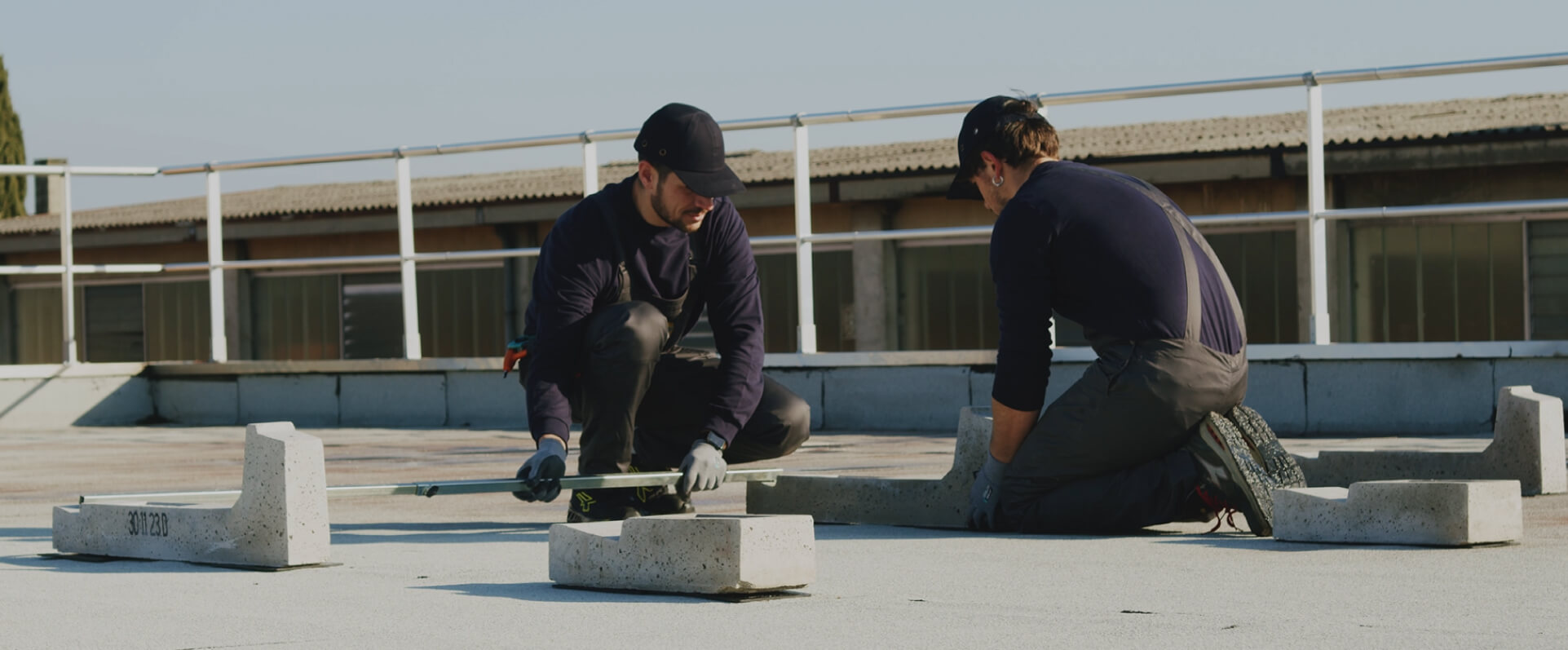
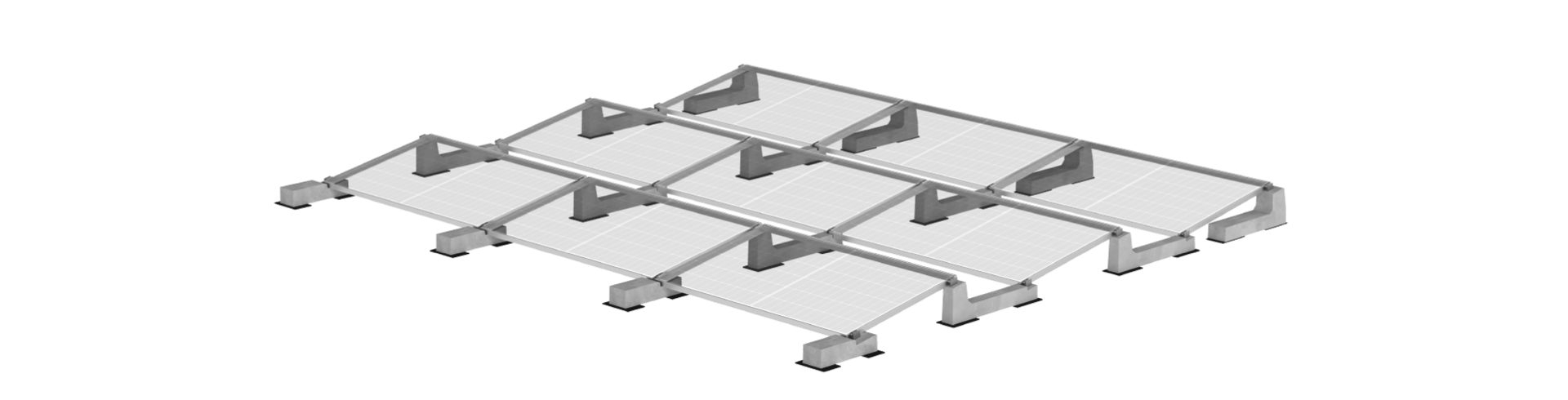
speed, safety, and fewer on-site headaches. Instead of drilling into the waterproof membrane, a
ballasted PV mounting system uses concrete weights to keep modules stable. That means no roof
penetrations, reduced risk of leaks, and simpler logistics for installers working on commercial
buildings, warehouses, and industrial rooftops.
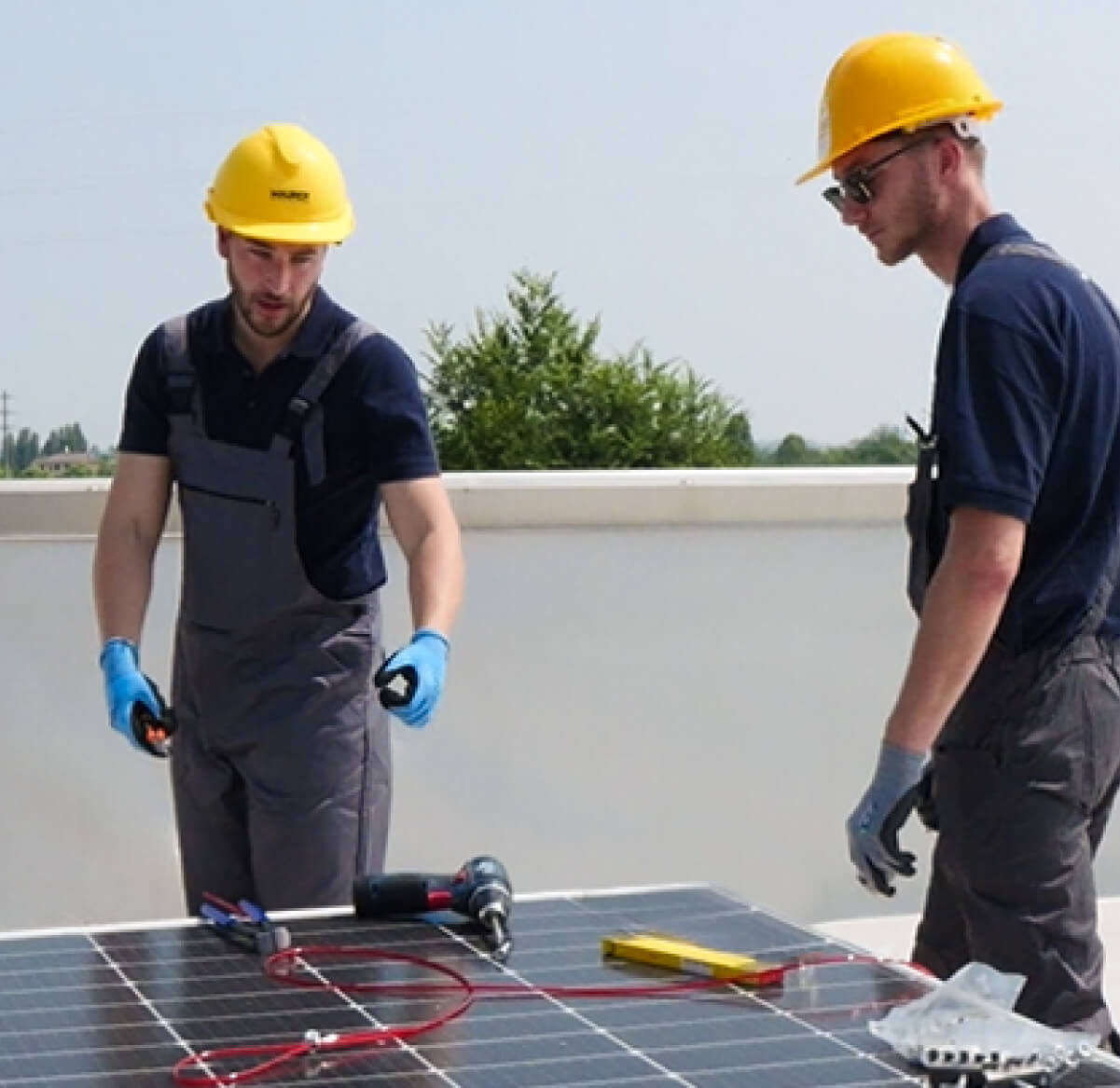
For PV installers, the biggest advantage is time: fewer components, intuitive assembly, and
predictable workflows. For designers and engineers, the value is confidence—clear technical
data, verified performance, and support with wind load and roof load calculations. In many
projects, avoiding mechanical fixings also helps preserve existing roof warranties and reduces
the coordination needed with roofing contractors.
A well-designed ballasted system is not “one-size-fits-all.” Tilt angle, module layout,
parapets, exposure category, and local wind conditions all matter. That’s why professional
support during the design phase is essential: correct sizing, optimized ballast distribution,
and a layout that respects both structural limits and energy yield goals.
If you operate in the B2B PV market—installers, EPCs, technical offices, or
distributors—ballasted solar roof mounting can become a competitive edge. You deliver a clean
installation, minimize risk, and keep crews productive. The result is a flat-roof PV solution
that feels straightforward on site, yet engineered to perform for the long term.
Why installers choose ballasted PV mounting
systems
On site, every extra bracket, every drilling step, and every
unexpected roof detail can slow the job down. With ballasted solar roof mounting, the process
becomes more streamlined: position the supports, place the modules, manage cable routing, and
keep the site moving. Because the structure relies on ballast rather than anchors, you reduce
the number of tools and operations required on the roof.
Key benefits that matter to Italian PV installers include: rapid installation, fewer components
to handle, improved jobsite safety (less drilling and fewer risky maneuvers), and easier
planning for material delivery. For many flat roofs, this approach also reduces the need for
intrusive roof works, helping avoid disputes about waterproofing responsibilities.
Distributors appreciate that a recognizable ballasted mounting solution is easier to stock and
explain: it addresses a common market need—flat-roof solar—while offering a clear value
proposition. When the product is backed by technical assistance, it becomes even easier to
propose to EPCs and engineering firms that need reliable documentation and fast answers.
Engineering support and performance: getting
wind and load right
A successful ballasted solar roof mounting project depends on more
than just “adding weight.” Professionals must balance wind uplift resistance, roof load limits,
and array geometry. That’s where proper design support makes the difference: site-specific
checks, ballast sizing, and layouts that account for edges, corners, and rooftop obstacles.
For engineering teams, having tested solutions and dependable design inputs can reduce project
risk and speed up approvals. For installers, it translates into fewer changes on site and fewer
surprises during commissioning. And for building owners, it means a robust PV system that
respects the roof and is built to last.
If you’re planning flat-roof photovoltaic installations in Italy, ballasted solar roof mounting
offers a persuasive mix of speed, simplicity, and reliability—especially when paired with
technical guidance from concept to execution.