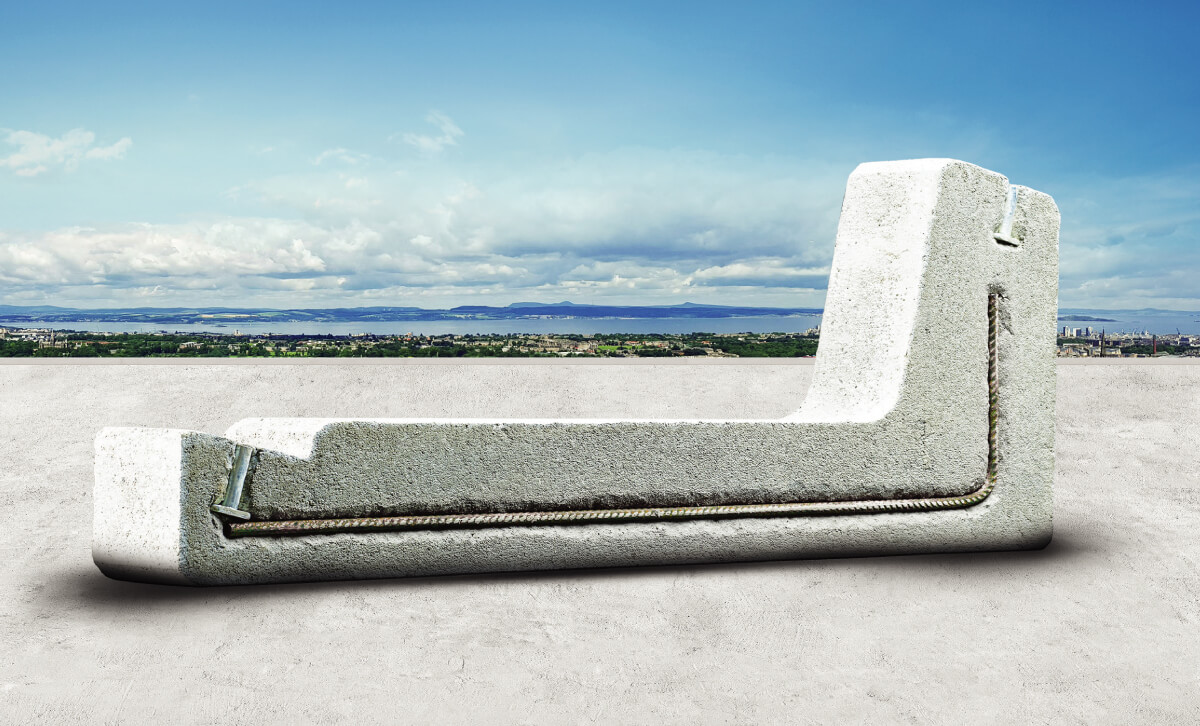
Why a Ballasted Solar Roof Mount Makes
Flat-Roof PV Easier in Italy
Installing PV on flat roofs in Italy often means working under
tight deadlines, strict load limits, and zero tolerance for water ingress. A ballasted solar
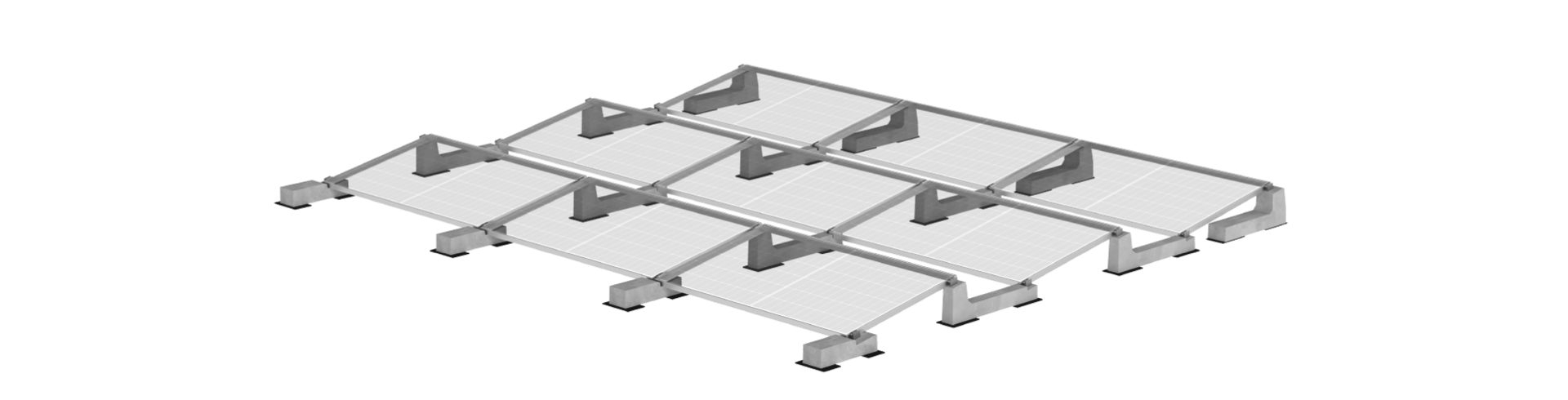
roof mount is designed to remove one of the biggest site risks: roof penetrations. By using
engineered concrete ballast blocks to secure the modules, you can avoid drilling through the
waterproofing layer and reduce the chance of leaks, call-backs, and costly repairs. For
installers, this translates into simpler logistics on the roof, fewer parts to manage, and
faster assembly—especially when crews need repeatable, predictable steps. For designers and
engineers, a ballasted solution helps streamline the specification process thanks to tested
configurations and clear load distribution on the roof deck. It also supports cleaner project
planning: fewer unknowns, less coordination with roofing contractors, and smoother handover. And
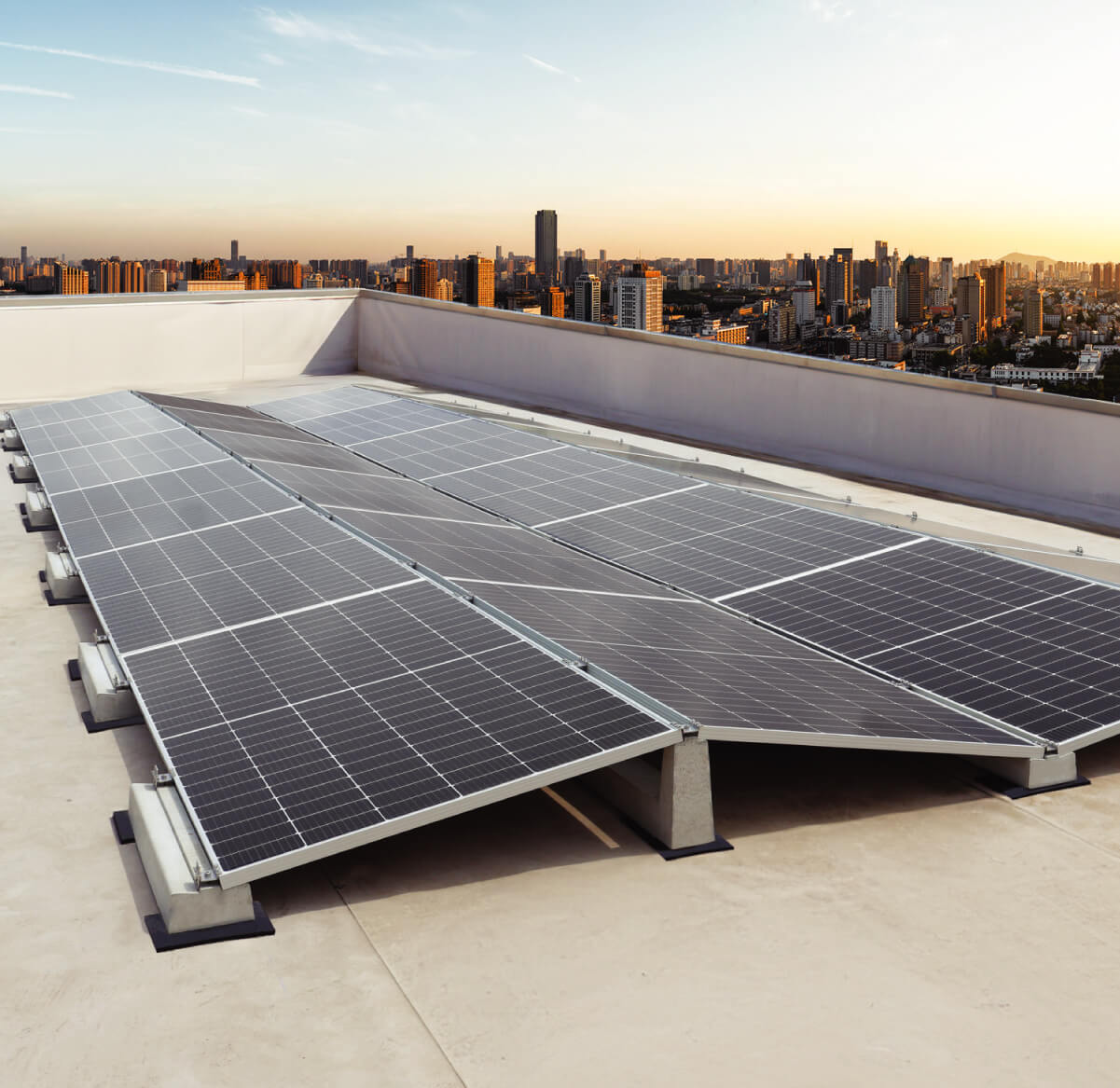
because many Italian commercial buildings have large, unobstructed flat surfaces, a
ballast-based approach can be a practical way to scale systems without complicating the roof
structure. If your goal is to deliver reliable performance while keeping installation time and
on-site complexity under control, a ballasted solar roof mount is a smart foundation for modern
flat-roof photovoltaic projects.
Speed, Safety, and Fewer Site Headaches for
Installers
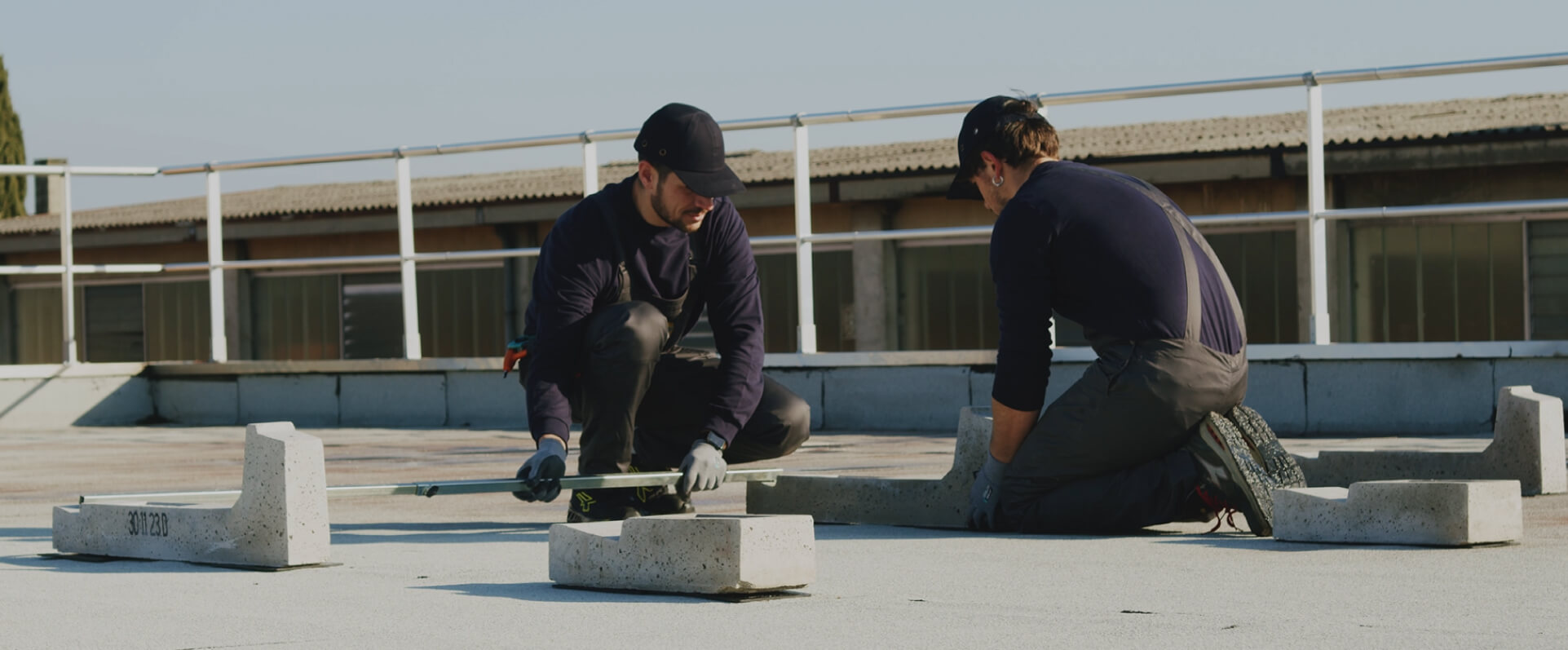
PV installers choose a ballasted solar roof mount when they need
speed without sacrificing reliability. With no mechanical fixings through the membrane, you can
minimize risk during installation and avoid the extra steps that come with sealing penetrations.
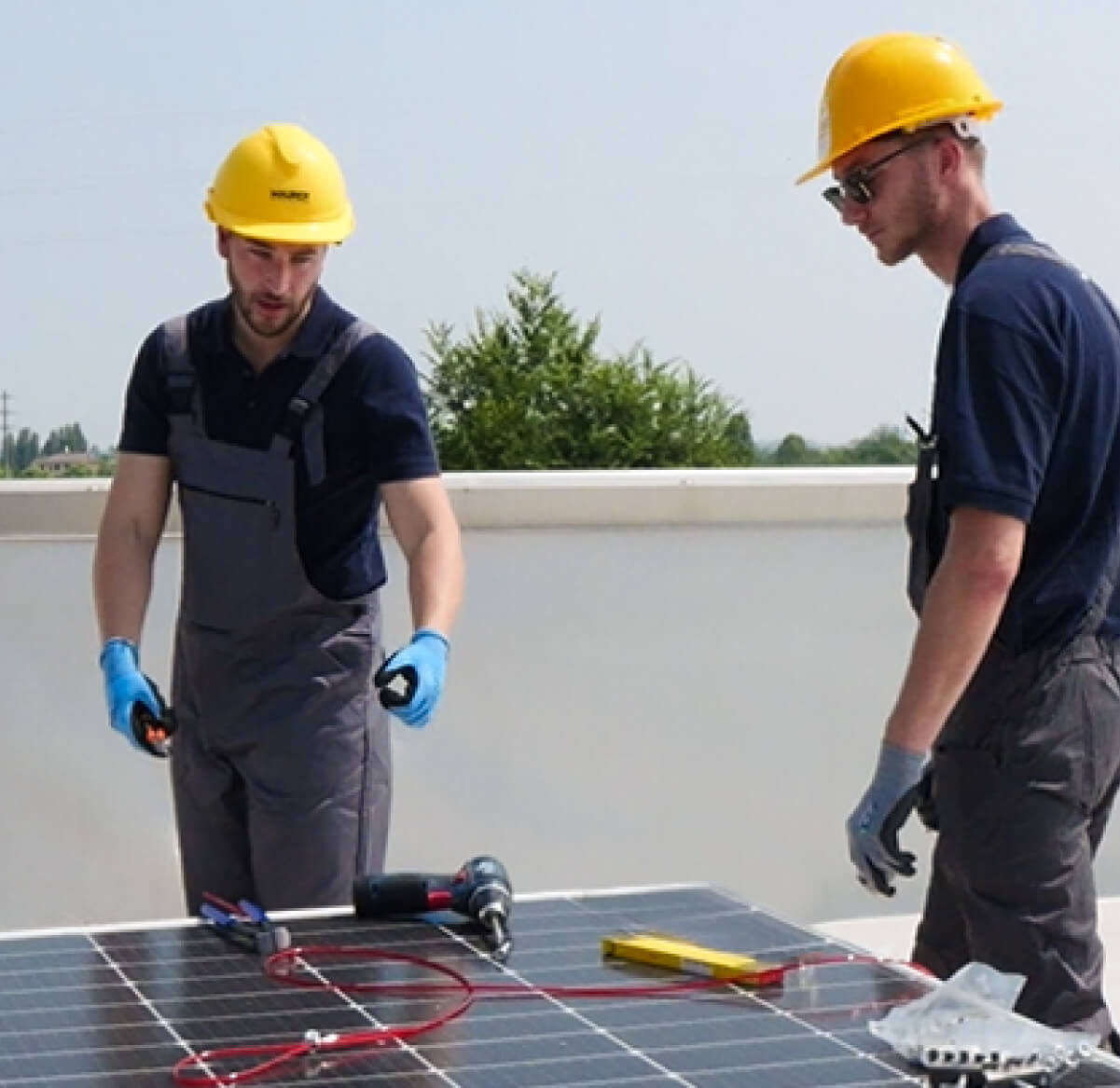
The result is a cleaner workflow: position the supports, align the photovoltaic modules,
complete the electrical stringing, and move to the next row. Fewer components also mean fewer
opportunities for missing parts, wrong fasteners, or time lost on improvisation. On busy
rooftops—where access, lifting, and weather windows can all be limiting—every simplification
matters. A ballast mounting system is also helpful when the roof owner demands a reversible
solution: remove the PV array in the future with minimal impact on the building envelope. For
distributors and wholesalers, these systems are easier to explain and easier to stock because
the value proposition is straightforward: fast installation, reduced leak risk, and consistent
results. When your crews can complete more kilowatts per day with fewer surprises, margins
improve and customer satisfaction rises—project after project across the Italian market.
Technical Confidence: Wind Loads, Roof Loads,
and Design Support
For engineering teams, the key question is never only “will it
fit?” but “will it withstand Italian wind conditions and roof constraints?” A well-designed
ballasted solar roof mount addresses both by combining stable geometry with predictable ballast
behavior and verified performance. Proper system sizing considers wind uplift, perimeter
effects, roof height, exposure category, and allowable roof load—factors that can otherwise make
flat-roof PV design time-consuming. With a ballast-based mounting approach, the load is
distributed and managed through dedicated supports, helping reduce point stresses and
simplifying structural checks. Designers also benefit from having dependable technical
assistance during the planning phase: selecting the right tilt, optimizing row spacing to limit
shading, and balancing energy yield against ballast quantity. This kind of support reduces
responsibility risk and speeds up approvals. If you are specifying a flat-roof PV system for a
warehouse, industrial facility, or commercial building in Italy, choosing a ballasted solar roof
mount can deliver a rare combination: faster installation, safer waterproofing, and engineering
clarity—without turning the roof into a complex construction site.