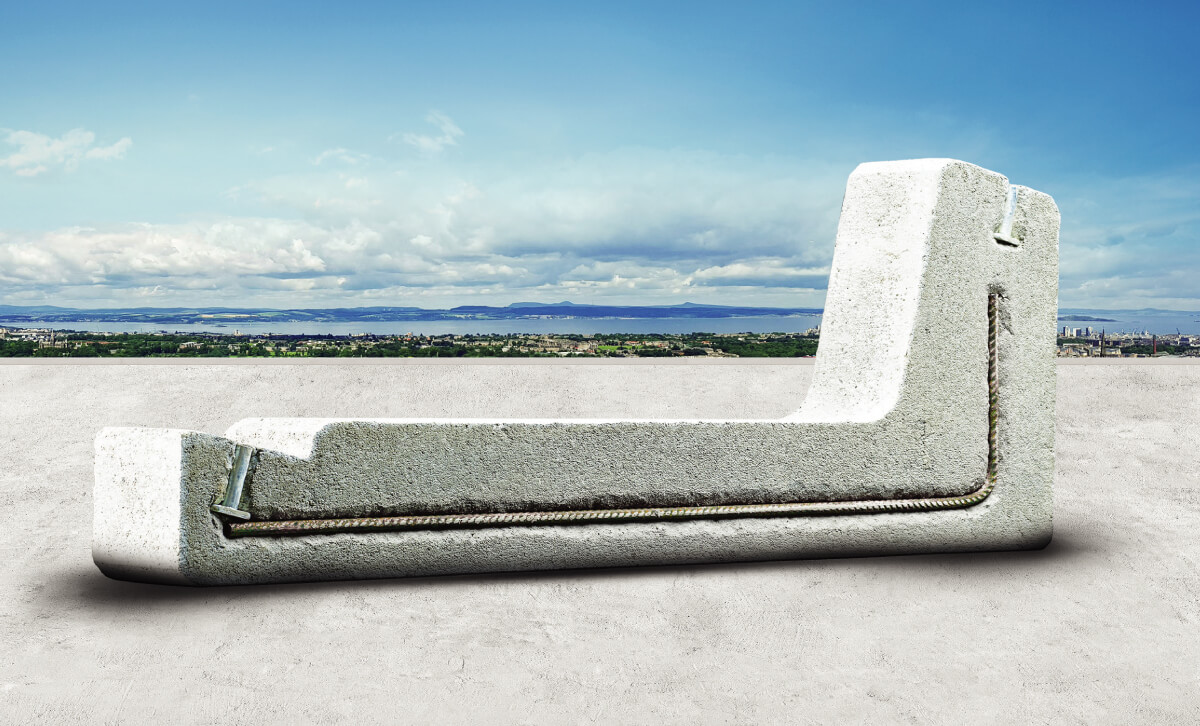
Why Ballasted Solar Panels Are the Smart
Choice for Flat Roofs
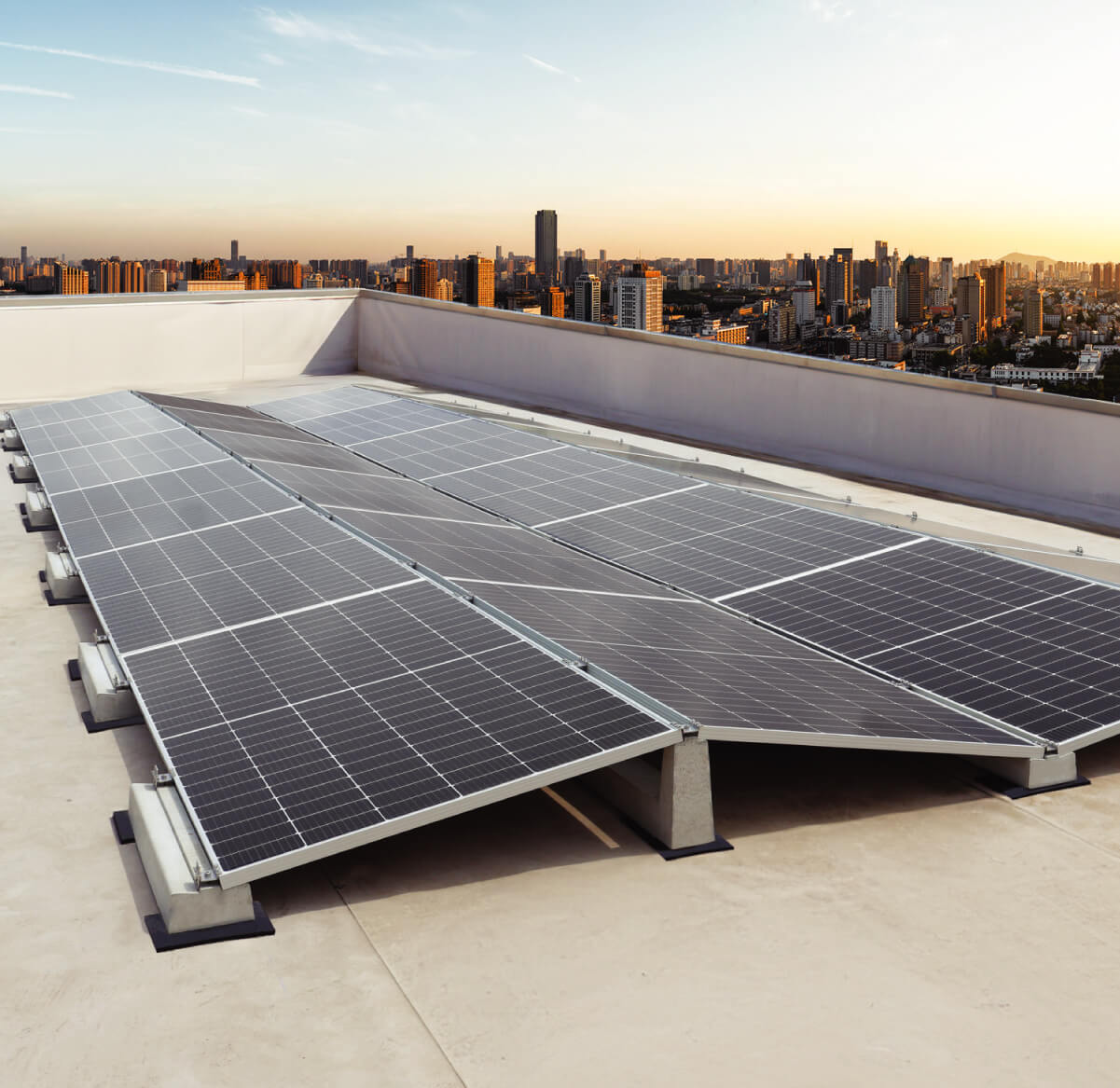
Ballasted solar panels are becoming the go-to solution for flat
roofs across Italy because they simplify what used to be the hardest part of a PV project:
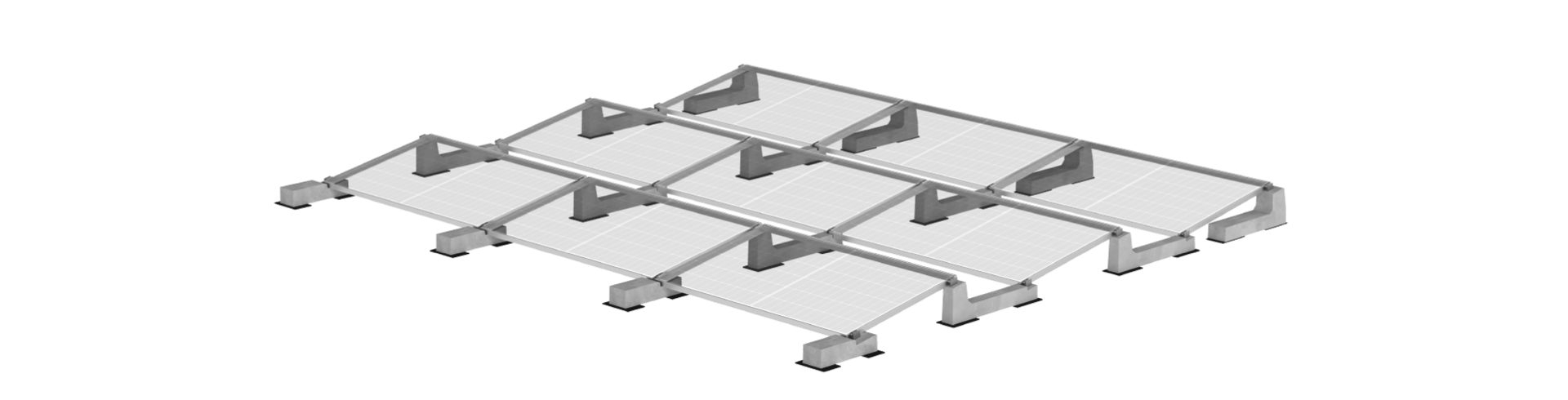
mounting. Instead of drilling through the waterproof membrane, a ballasted PV system uses
weight—typically concrete ballast blocks—to keep the array stable. For installers, this means
fewer components to manage, quicker staging on site, and a cleaner workflow from layout to final
tightening. For designers and engineers, it means a predictable support system with clear load
paths, repeatable configurations, and easier coordination with roof constraints like drains,
skylights, and parapets. The result is a mounting method that reduces the risk of leaks, limits
disruption to existing roofing, and speeds up project delivery. Whether you’re working on
industrial buildings, logistics hubs, or commercial rooftops, ballasted mounting helps you
standardize installation practices and cut the “unknowns” that drive delays and callbacks. When
your priority is a secure flat-roof solar installation without penetrations, ballasted solar
panels offer a practical, field-proven route to safer projects and happier clients.
Faster Installation, Fewer Risks, More
Predictable Performance
On the jobsite, every extra bracket and every roof penetration
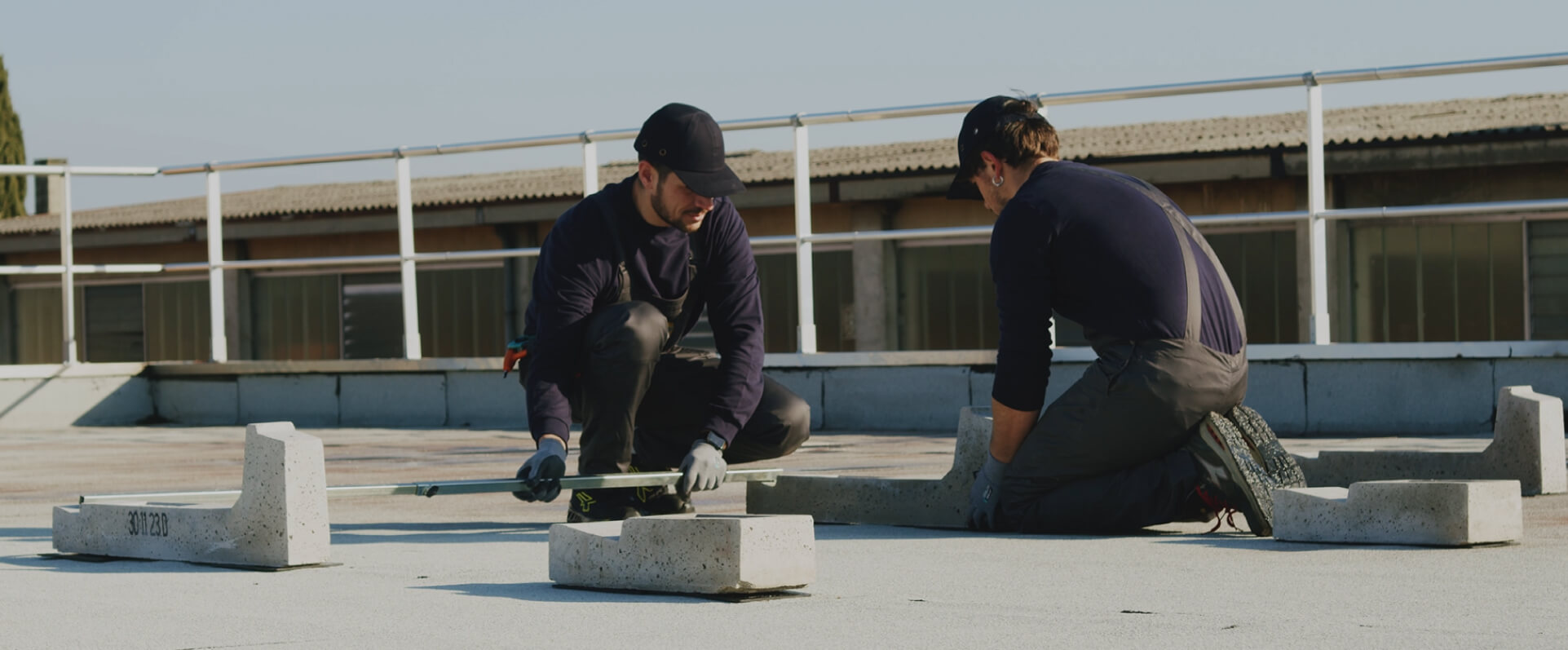
adds time, cost, and responsibility. With ballasted solar panels, the installation process is
typically more intuitive: position the supports, place the modules, manage cable routing, and
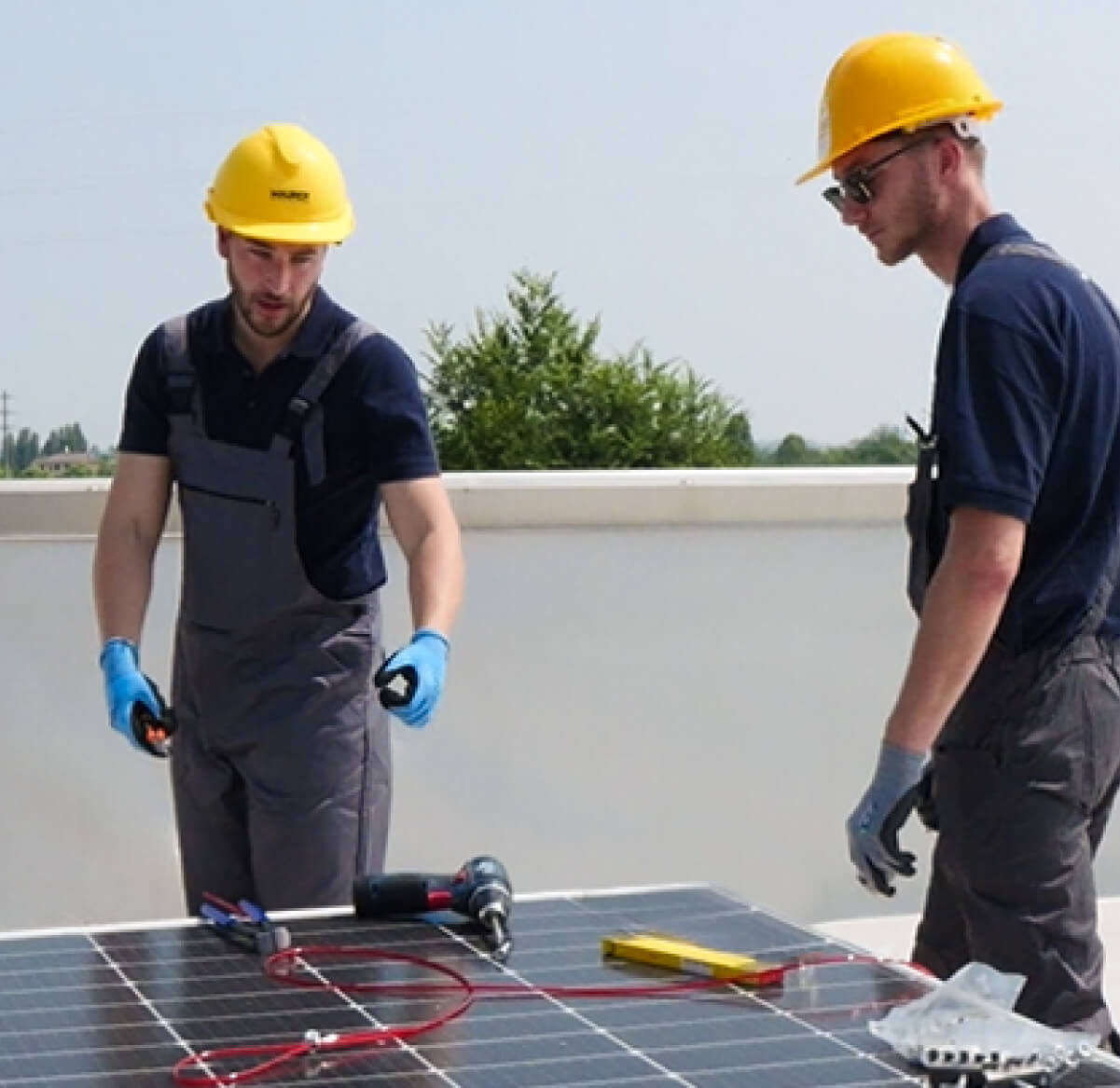
complete the array with minimal hardware. That simplicity can translate into shorter
installation times and easier crew training—especially valuable when you’re scaling multiple
rooftops. From a technical standpoint, ballasted systems are designed around wind resistance and
roof load distribution, helping teams address key variables such as wind uplift, ballast
requirements, and structural constraints. Having access to engineering support and dependable
sizing data makes it easier to select the right configuration—tilt angle, spacing, and
layout—while staying aligned with Italian project expectations and safety standards. For
distributors, ballasted mounting is also easier to present: it’s a recognizable solution that
solves common objections like “Will it damage the roof?” or “How long will it take to install?”
In short, you reduce complexity without compromising reliability.
A Complete B2B Solution: Technical Support
from Design to Execution
Choosing ballasted solar panels isn’t just about buying a rooftop
mounting system—it’s about delivering a complete flat-roof PV solution that works in real
conditions. The most effective approach combines robust concrete ballast supports with
professional guidance during the design phase, accurate system dimensioning, and practical
assistance all the way to execution. That partnership mindset matters when you’re balancing
tight timelines, roof limitations, and the pressure to get calculations right the first time.
With tested, durable components and clear installation logic, teams can focus on quality and
speed instead of troubleshooting. Installers benefit from fewer surprises on site; engineers
gain confidence with validated solutions and support for wind/load checks; distributors get a
product that’s easy to specify and consistently in demand. If your next project requires a
non-penetrating mounting option for flat roofs, ballasted solar panels can help you deliver
safer installations, streamline operations, and build long-term trust with your B2B
customers—without turning every rooftop into a custom engineering challenge.