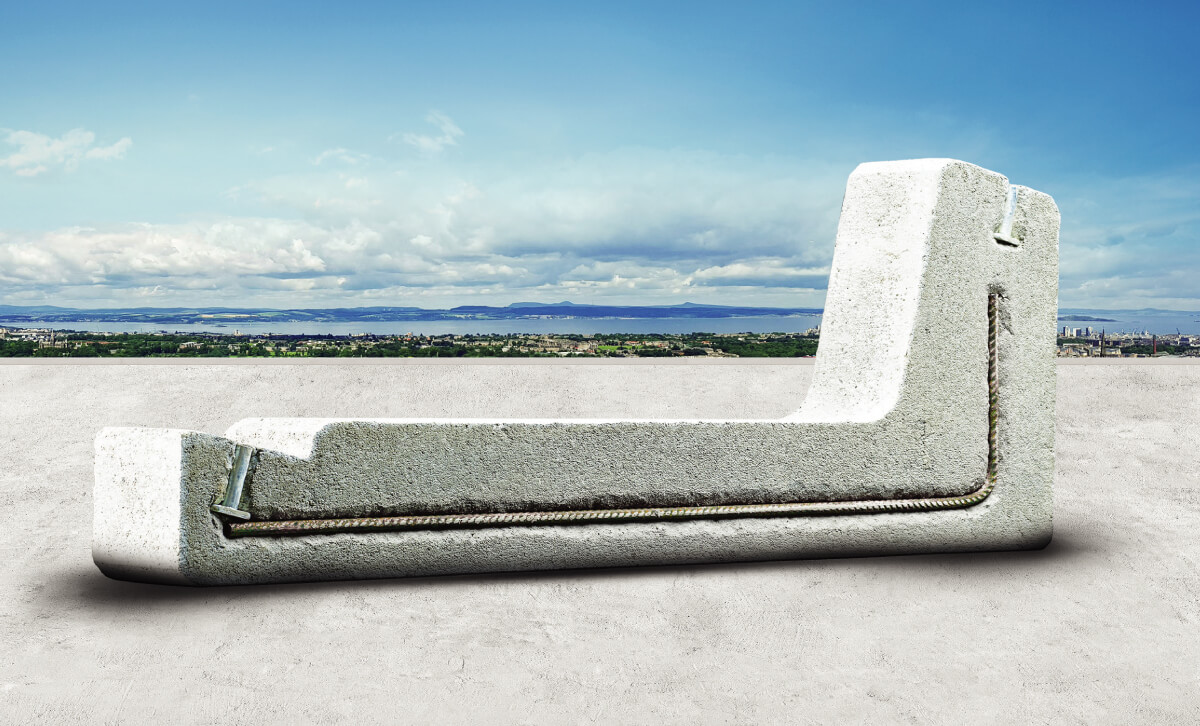
Why a Ballasted Solar Panel System Makes Sense
on Italian Flat Roofs
Choosing a ballasted solar panel system is often the smartest
route for flat roofs across Italy, especially when you want speed, safety, and fewer surprises
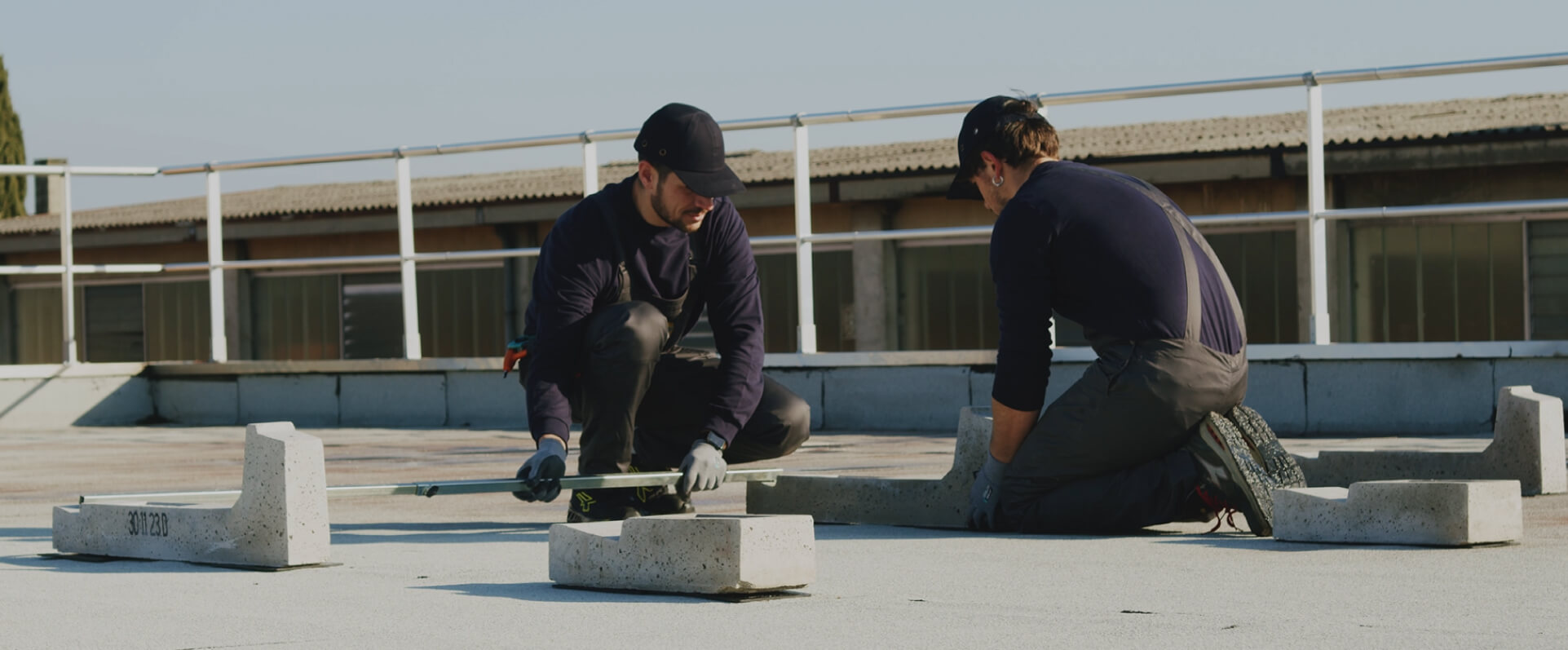
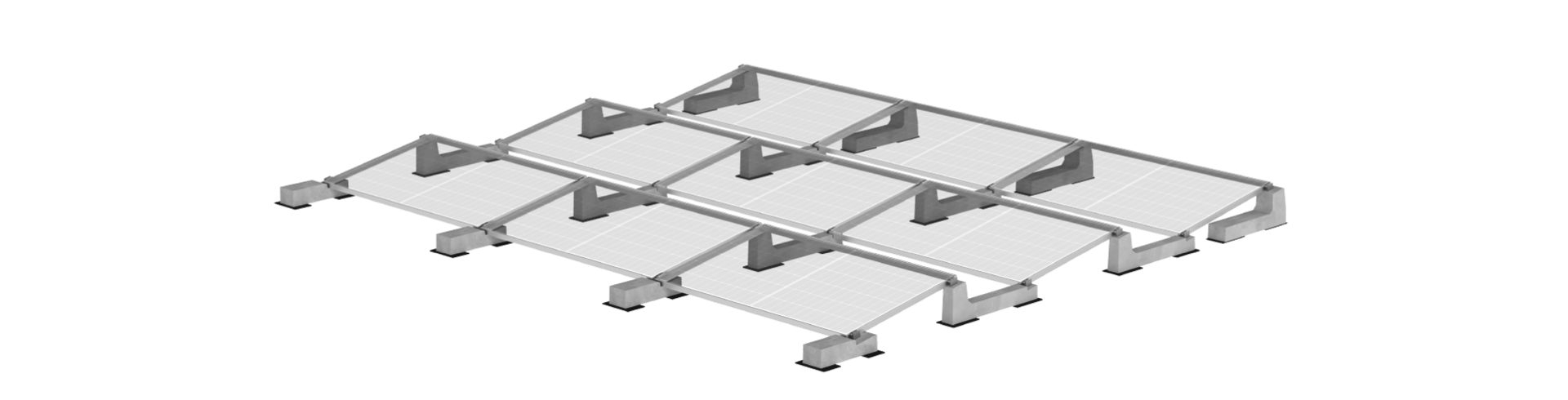
on site. Instead of drilling through the waterproof membrane, the structure is held in place by
engineered concrete ballast, helping protect the roof and reduce the risk of leaks. For
photovoltaic installers, that means fewer steps, fewer components to manage, and a cleaner
workflow from layout to final tightening. For designers and engineers, it means a mounting
solution that can be evaluated through clear technical data, wind exposure checks, and load
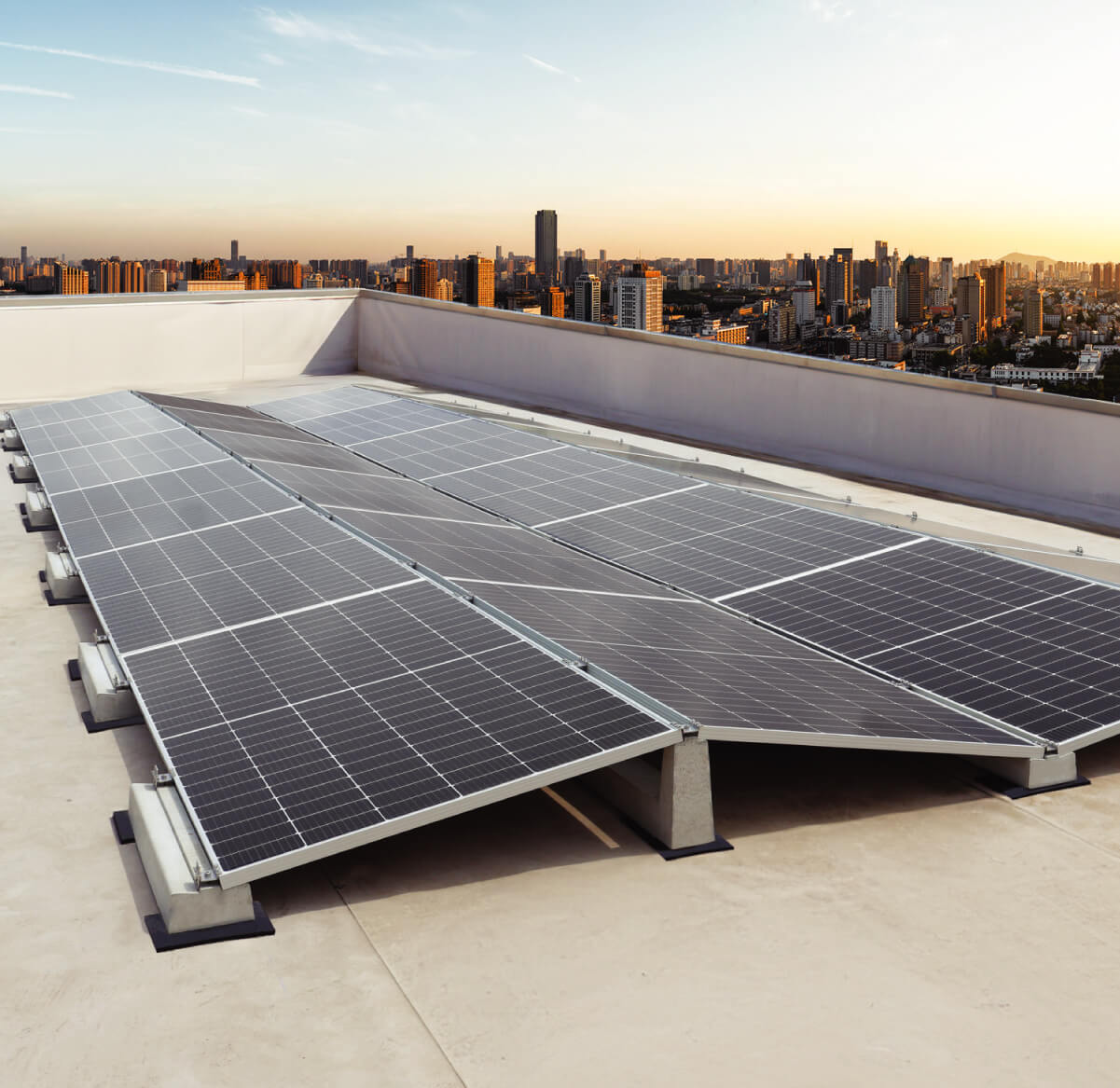
distribution on the roof. A well-designed ballasted PV mounting system can also support
different panel orientations and tilt angles, helping you balance energy yield with spacing and
shading constraints. In short, this approach is built around practical needs: faster
installation times, predictable performance, and a reliable way to secure solar modules without
penetrations. If your projects include commercial warehouses, industrial buildings, or any large
flat surface where downtime and roof integrity matter, a concrete ballast racking solution can
streamline the entire job—while keeping the roof intact and the installation process
straightforward.
Key Benefits for Installers: Faster Builds,
Fewer Risks, Cleaner Sites
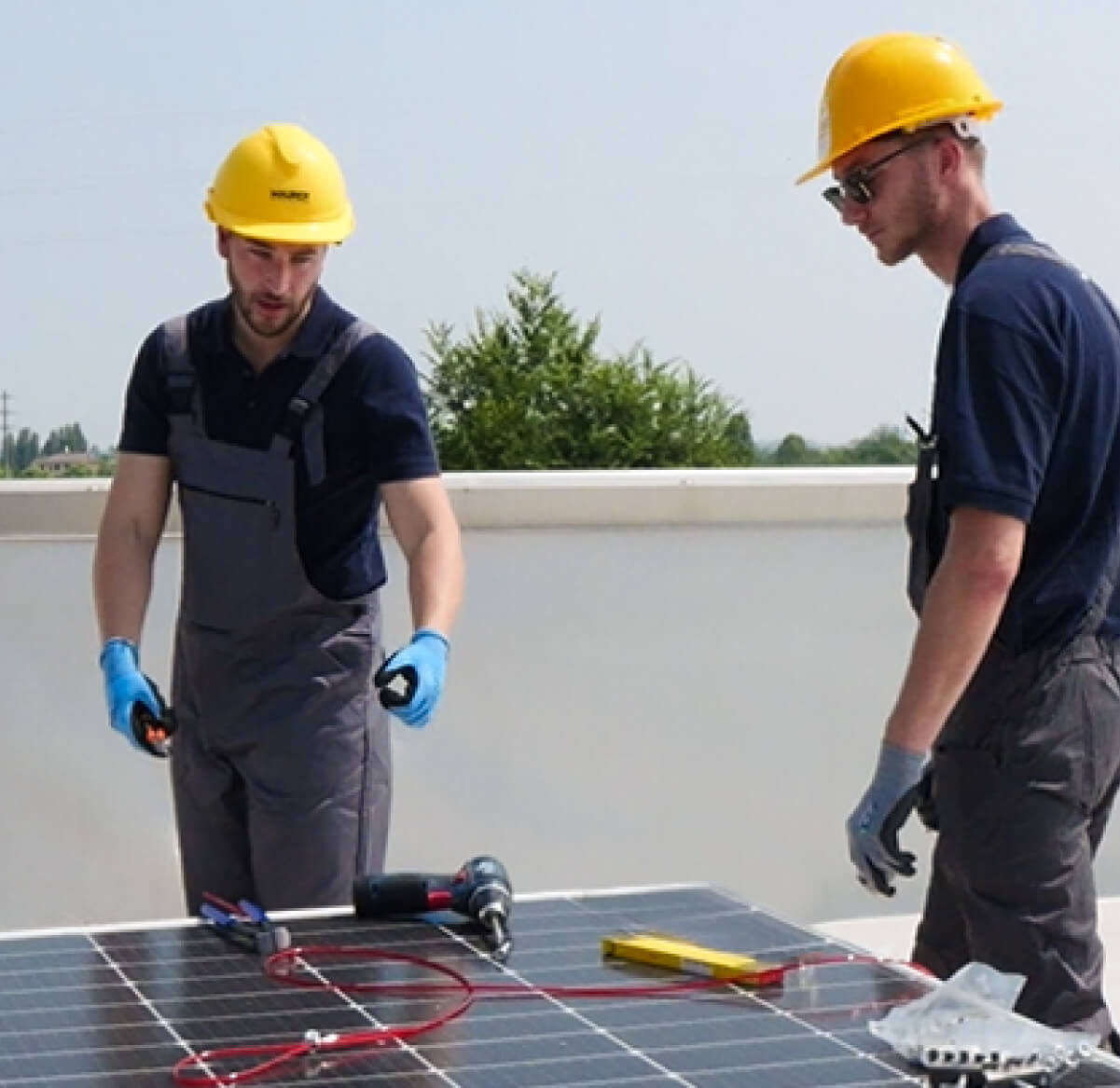
Installers pick a ballasted solar panel system because it removes
common bottlenecks. No penetrations typically means less coordination with roof specialists and
fewer waterproofing concerns. Pre-engineered elements can cut assembly time, reduce the number
of small parts, and simplify logistics on the rooftop. That translates into faster
commissioning, better crew productivity, and fewer callbacks. Another big advantage is
stability: concrete ballast solutions are designed to counter wind uplift and keep the PV array
secure when correctly sized for the site conditions. With the right technical guidance, you can
match the mounting configuration to the roof’s load limits and the local wind zone, helping you
work confidently and consistently. For B2B projects, reliability is everything: a robust
ballasted structure reduces on-site improvisation and supports repeatable results across
multiple buildings. When you can install quickly, avoid roof damage, and rely on a system built
for flat-roof photovoltaics, you deliver a more professional project—on time and with fewer
headaches.
Design & Sizing Support: Turning a Mounting
System into a Real Project Solution
Beyond the hardware, the real value of a ballasted solar panel
system emerges when it’s backed by proper design support. Engineers and technical studios need
dependable inputs: roof loads, ballast distribution, wind calculations, and layout guidance that
aligns with codes and project responsibilities. When those elements are handled with a
structured approach, the result is a safer PV installation and a smoother approval process.
Distributors also benefit from offering a recognizable solution that is easy to specify, easy to
stock, and easier to explain to professional customers. Look for a partner that treats ballasted
mounting not as a single product, but as a complete flat-roof PV solution: technical assistance
during planning, system sizing, commercial support, and help taking the project from concept to
execution. This is how you reduce complexity while improving outcomes—helping installers build
faster, designers mitigate risk, and the end client get solar energy without unnecessary roof
interventions. For the Italian market, where flat-roof PV is growing quickly, choosing the right
ballasted racking approach can be the difference between a complicated build and a clean,
repeatable installation.