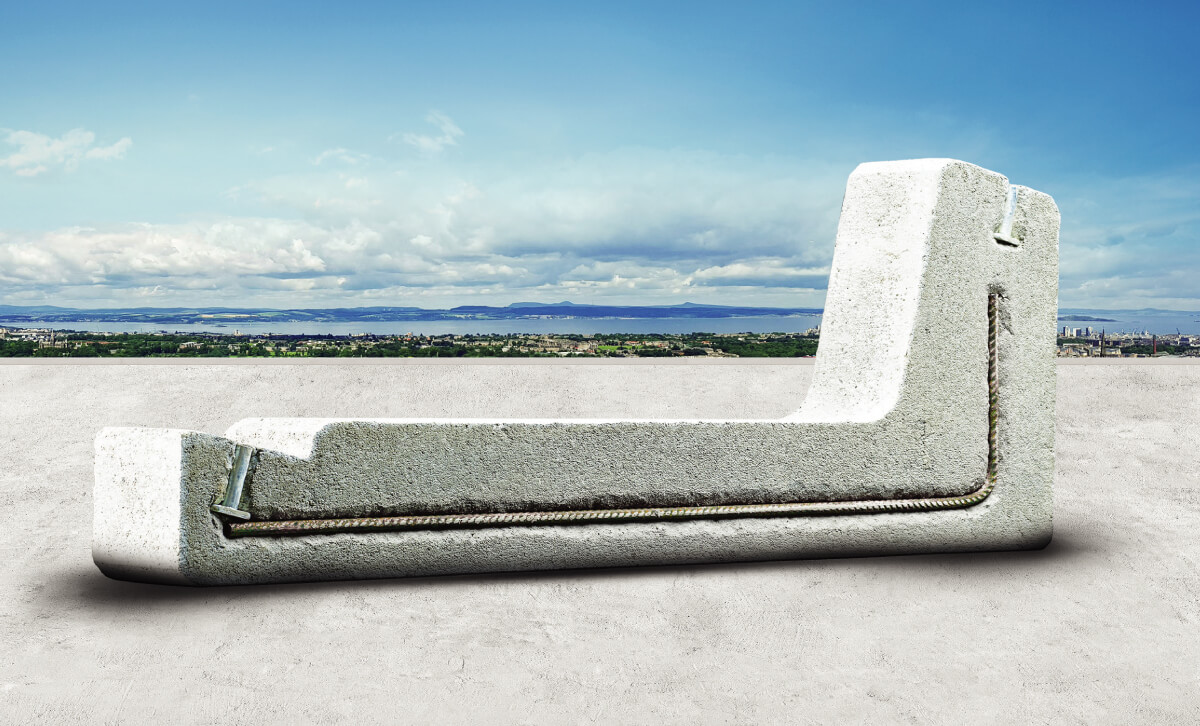
Ballasted Solar Panel Racking: the Smart
Choice for Italian Flat Roofs
For many PV installers in Italy, the biggest bottleneck on flat
roofs is not the module—it’s the mounting method. Ballasted solar panel racking solves the
common pain points of traditional fixed structures by eliminating roof penetrations and reducing
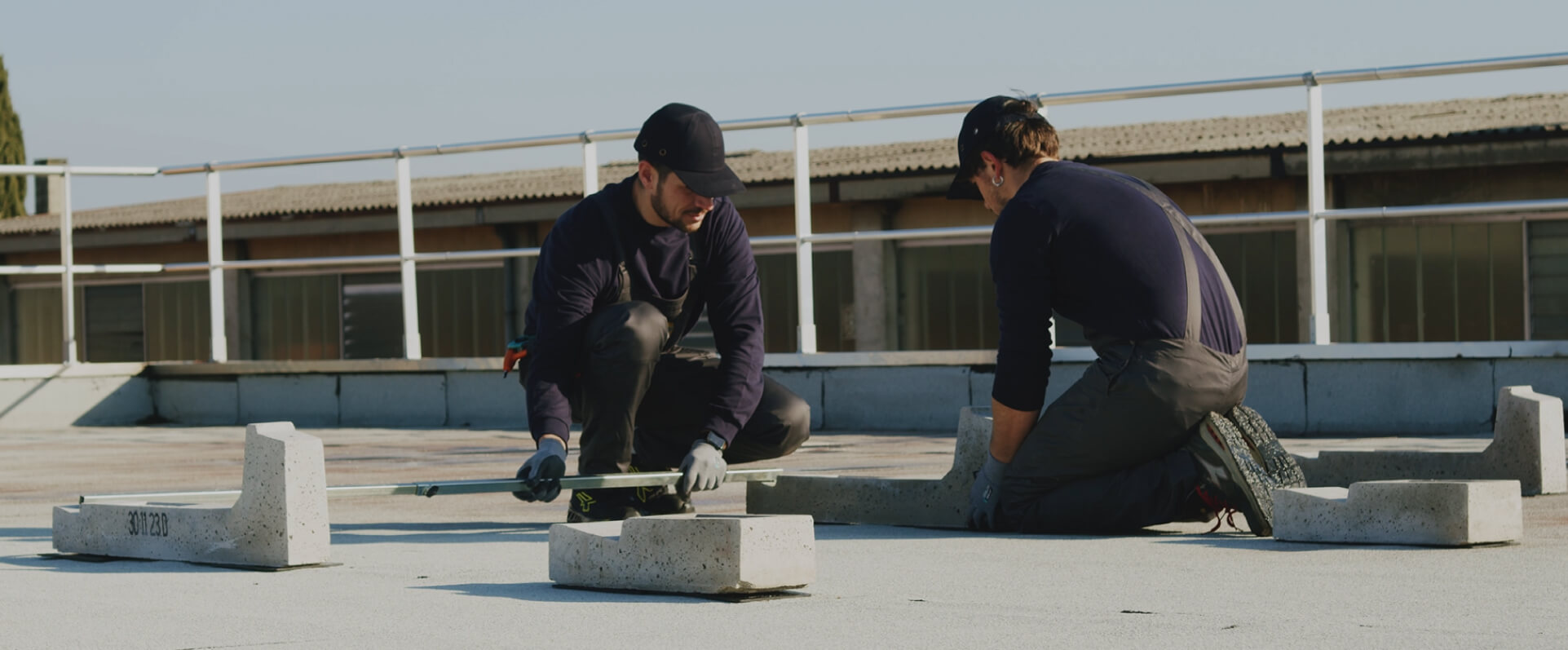
on-site complexity. Instead of drilling, sealing, and managing waterproofing risks, you can
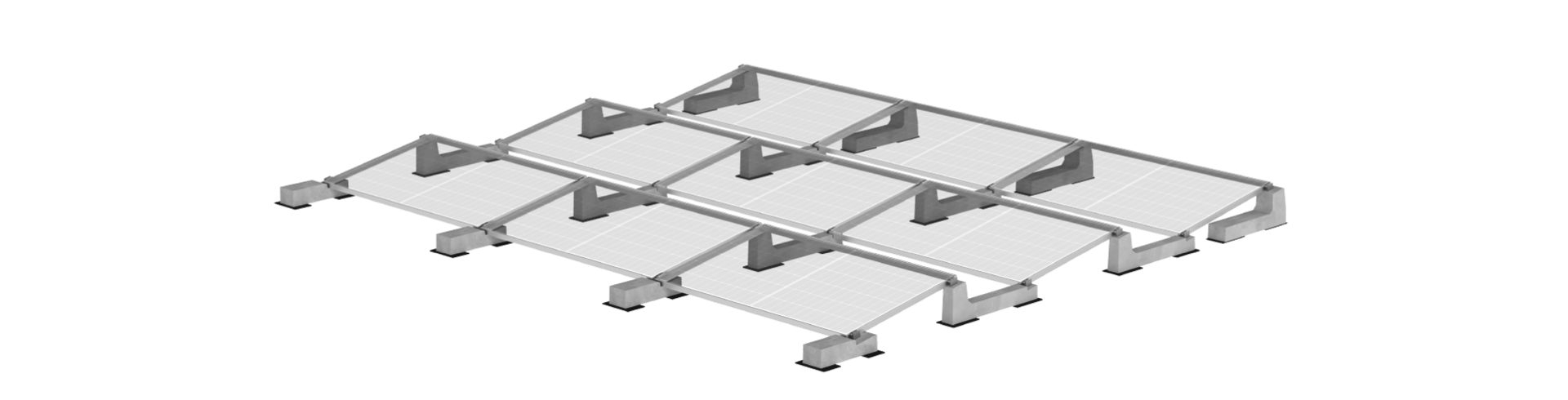
position pre-engineered concrete ballast supports, set the tilt, and move straight to electrical
work. The result is a cleaner workflow, fewer components to handle, and faster commissioning.
This approach is especially valuable on industrial buildings, logistics hubs, and commercial
rooftops where downtime matters and roof integrity is non-negotiable. A well-designed ballasted
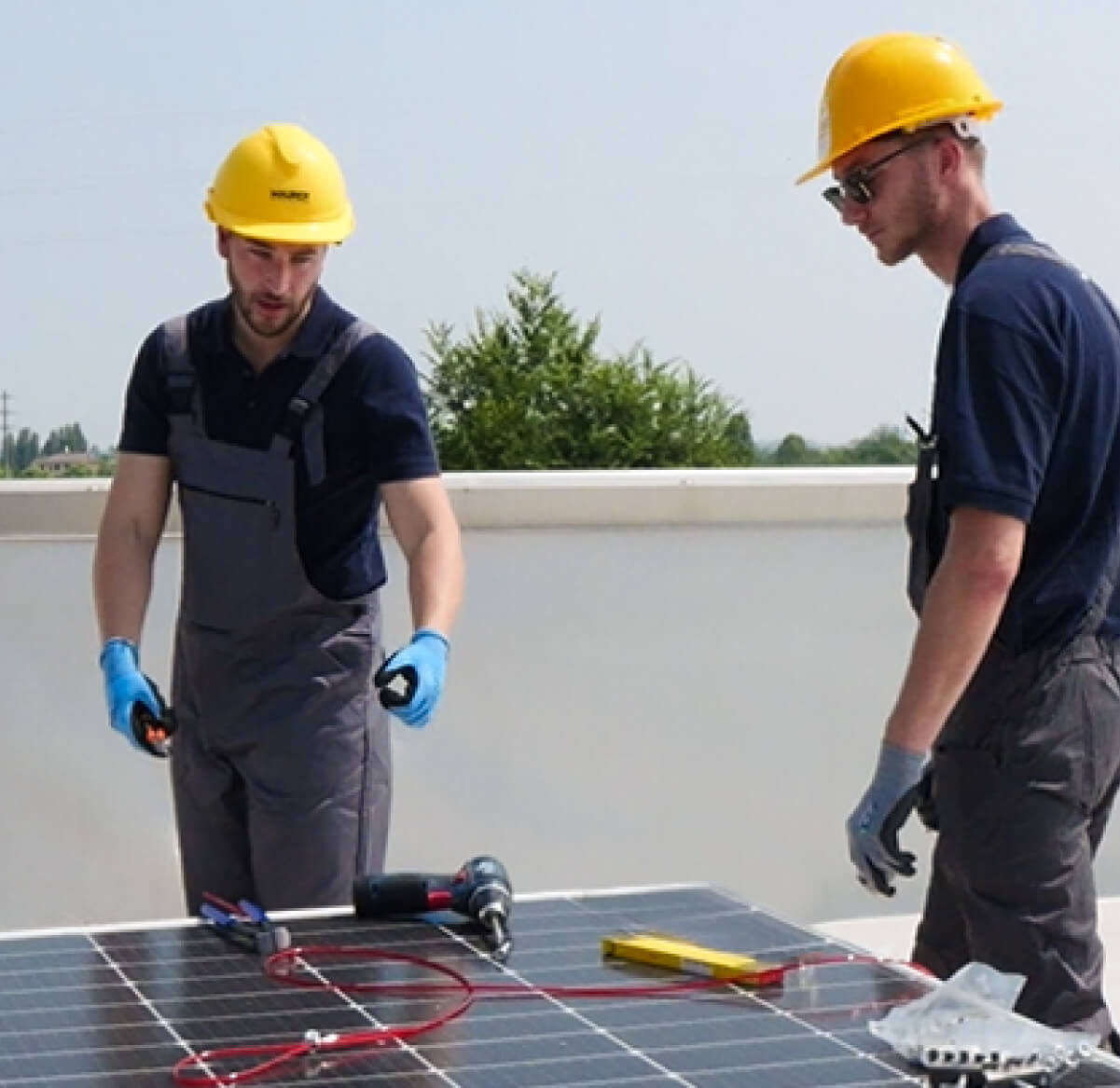
PV mounting system also helps standardise installations across multiple sites, making crew
training easier and job planning more predictable.
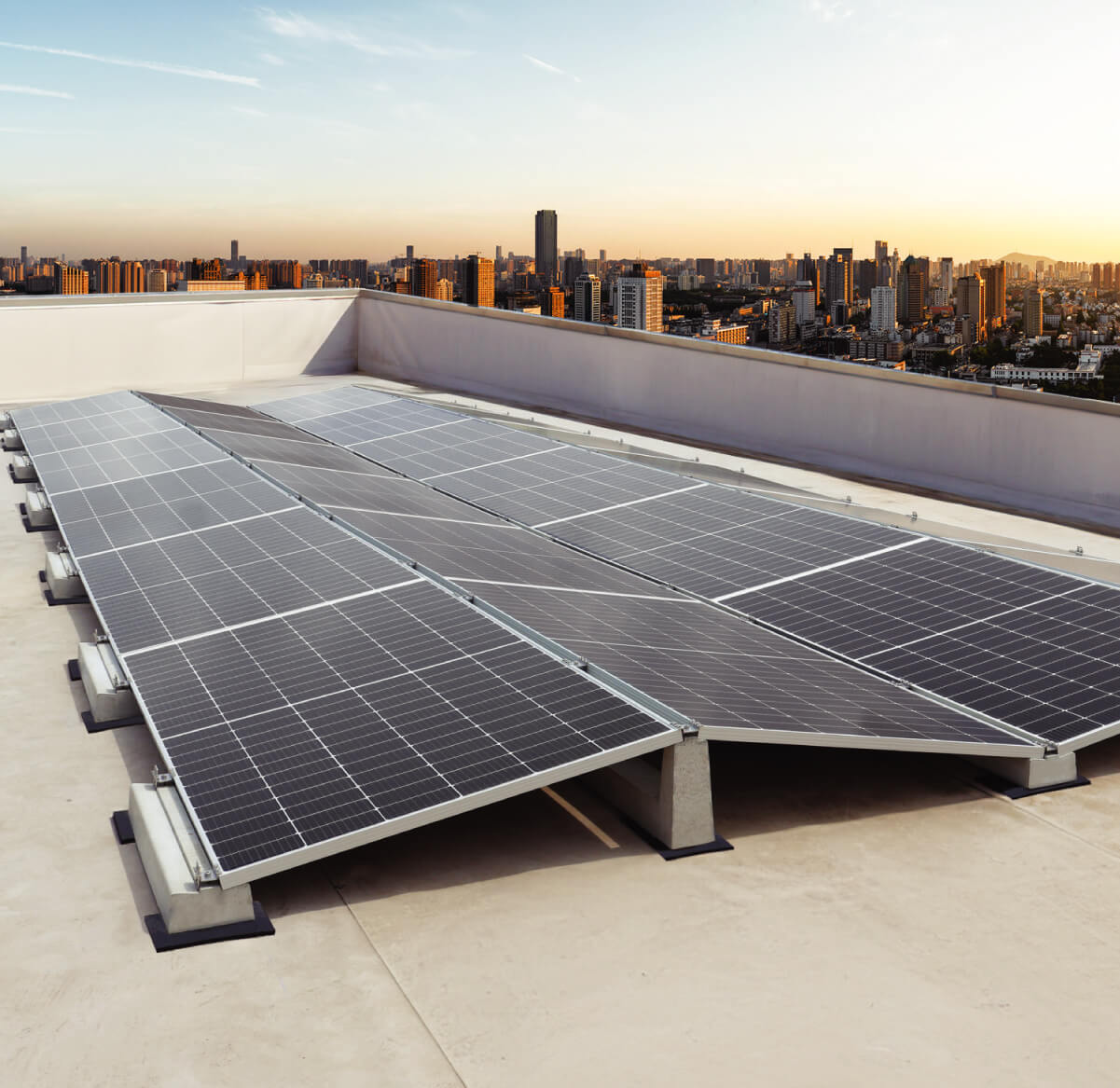
Beyond speed, the real advantage is confidence: reliable load distribution, stable support on
flat membranes, and reduced risk of leaks over the system’s lifetime. When paired with solid
technical documentation and proven testing, ballasted solar panel racking becomes a practical
way to deliver safe, repeatable results—site after site—without turning every roof into a
custom, high-risk engineering exercise.
Faster Installation, Fewer Risks: What
Installers Need
Installers choose ballasted solar panel racking because it
simplifies what usually slows a job down. No penetrations means fewer approvals, fewer
waterproofing details, and fewer surprises when the roof build-up doesn’t match drawings. With
concrete ballast blocks, the structure arrives ready to place, helping crews reduce assembly
time and minimise loose hardware on the roof.
For Italian weather conditions, wind uplift is a key concern. A quality ballasted racking
solution supports accurate wind and load calculations, enabling you to size the layout correctly
and avoid over-ballasting. That translates into smoother logistics, safer handling, and more
efficient use of roof space. It also helps reduce callbacks: fewer moving parts, fewer
installation errors, and a stable array that stays aligned.
Just as important, good technical support during design and pre-sizing can remove pressure from
the installer—especially on complex roofs with parapets, obstacles, or multiple exposure zones.
When your racking choice makes the site easier to manage, you can deliver more projects per
month without sacrificing quality.
A Complete Flat-Roof Solution: Technical
Support from Design to Execution
In the Italian B2B solar market, ballasted solar panel racking is
not only a product decision—it’s a project strategy. Engineers and designers need dependable
data for structural checks, wind zones, and ballast configuration; installers need a system that
is intuitive on-site; distributors need a solution that is easy to specify and consistently in
demand. The strongest outcomes happen when racking, documentation, and pre-installation guidance
are aligned.
A flat-roof PV solution based on concrete ballast can be engineered to meet performance goals
while keeping installation simple: optimised tilt options, predictable component counts, and
layouts that respect roof constraints. This reduces design risk and speeds up procurement
because the system is built around repeatable modules rather than improvised assemblies.
If your next rooftop PV project requires speed, reliability, and a no-penetration approach,
ballasted solar panel racking is a persuasive choice for Italy—helping teams work safer, finish
sooner, and protect the roof for the long term. Explore technical resources and flat-roof
solutions at www.sunballast.com.