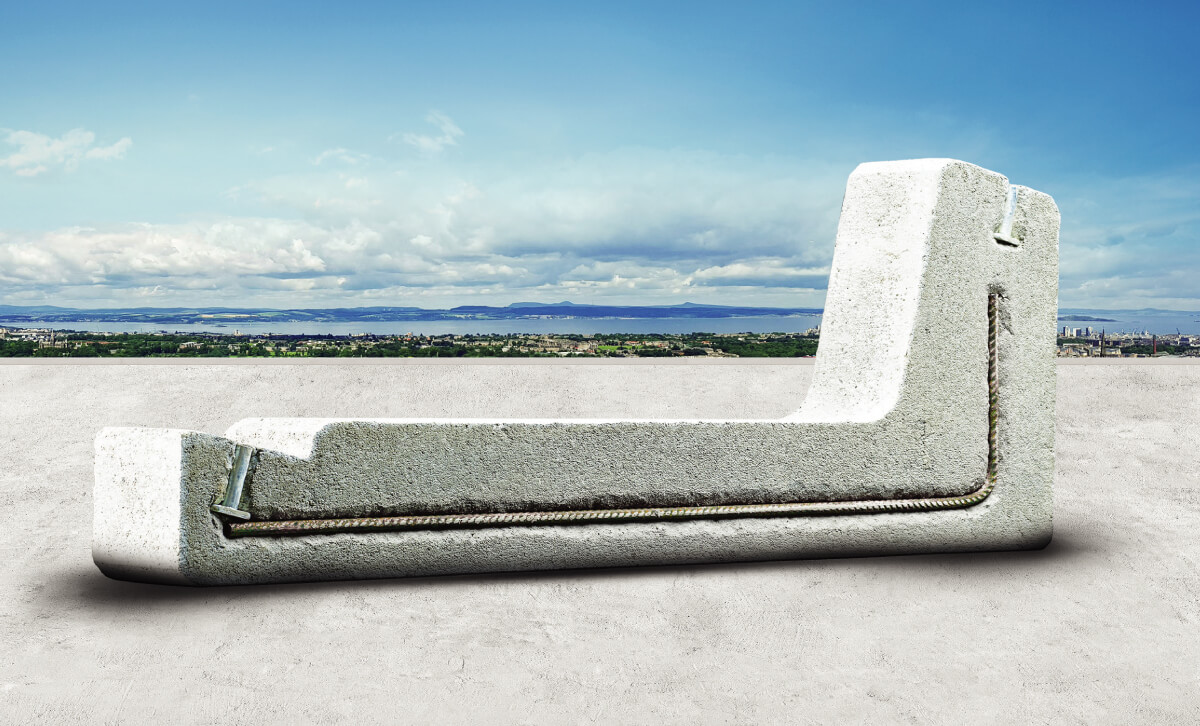
Why a Ballasted Solar Panel Mount Makes Sense
on Italian Flat Roofs
In Italy, flat-roof PV projects often come with a familiar
dilemma: how do you secure modules without turning the waterproofing layer into a long-term
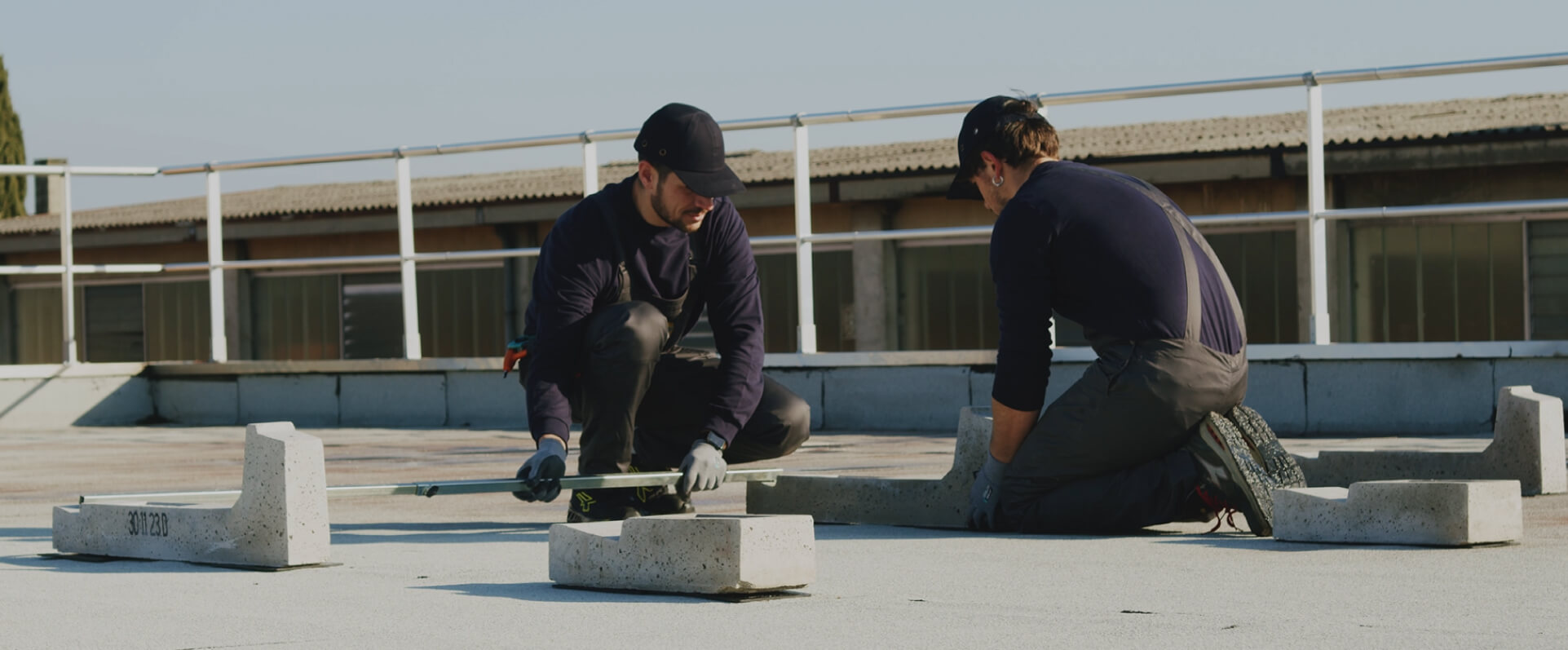
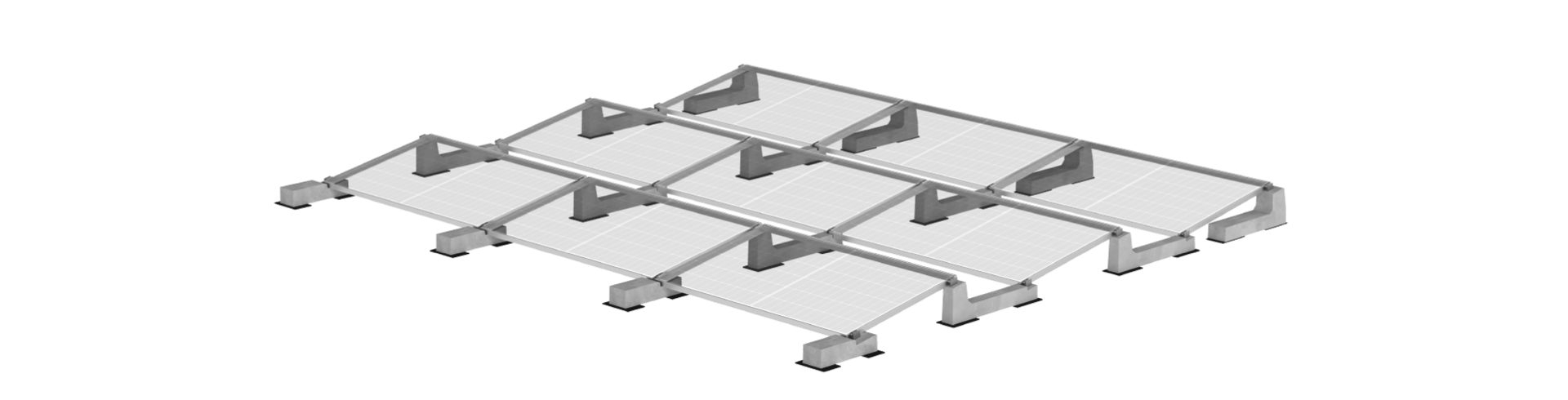
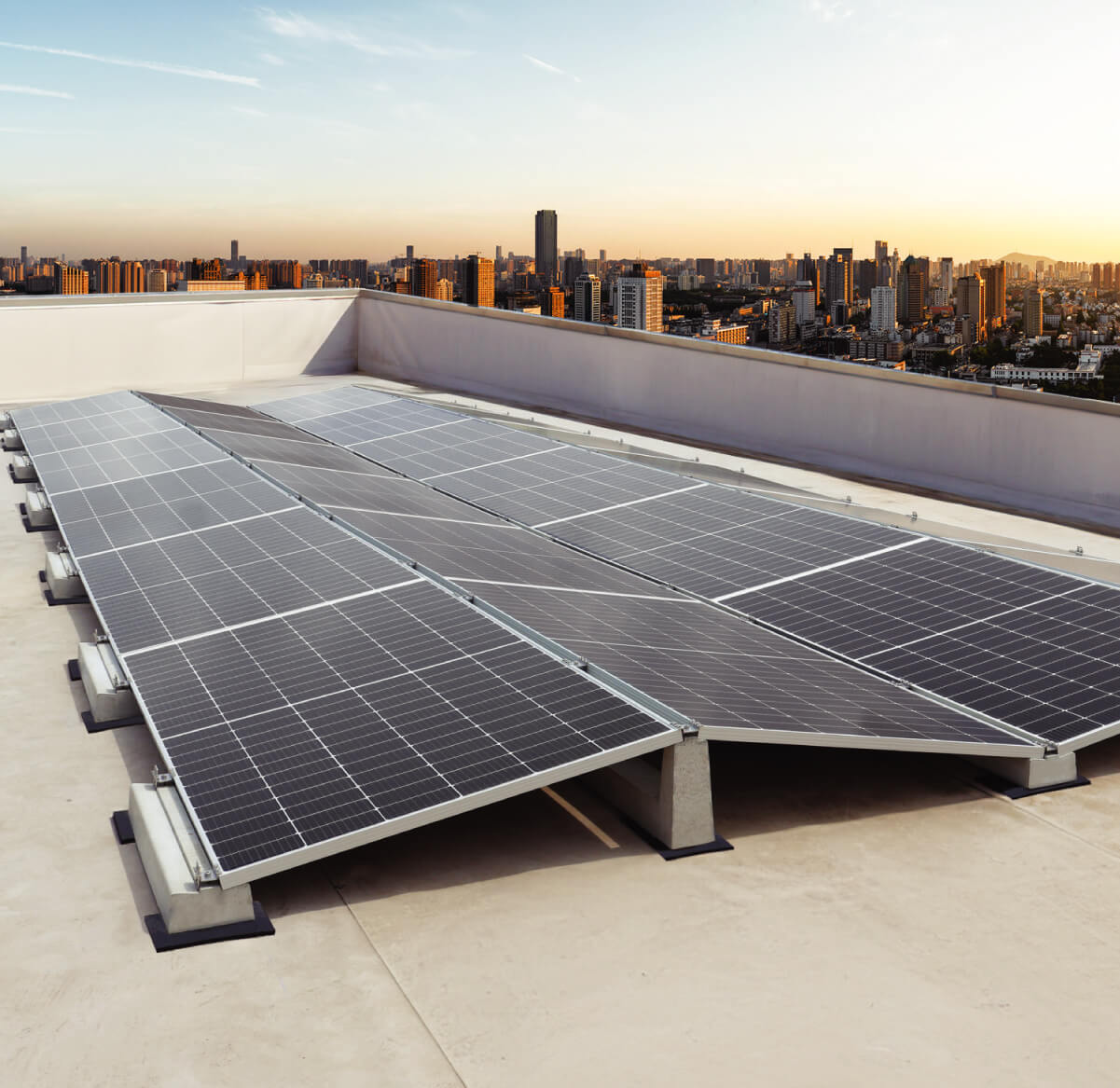
risk? A ballasted solar panel mount solves this challenge by using calibrated weight—typically
concrete ballast—to keep the array stable without drilling through the roof membrane. For
installers, that means fewer components to handle, fewer on-site surprises, and faster assembly
times. For designers and engineers, it means a predictable solution that can be sized against
wind uplift, roof load limits, and layout constraints. On commercial rooftops—warehouses,
logistics hubs, and industrial sheds—speed and repeatability matter, especially when access
windows are tight and safety requirements are strict. A well-engineered ballast mounting system
helps streamline installation while preserving the roof’s integrity. It also supports clean
cable management, consistent tilt geometry, and neat rows that simplify maintenance over time.
If your goal is a reliable, low-complication PV structure for flat roofs, the right ballasted
mounting solution is one of the most practical routes—especially when paired with solid
technical documentation and project support tailored to the Italian market.
Key Benefits for Installers: Faster Builds,
Fewer Risks
Installers choose a ballasted solar panel mount because it removes
common bottlenecks. No roof penetrations means no time lost to coordinating fixings, sealing, or
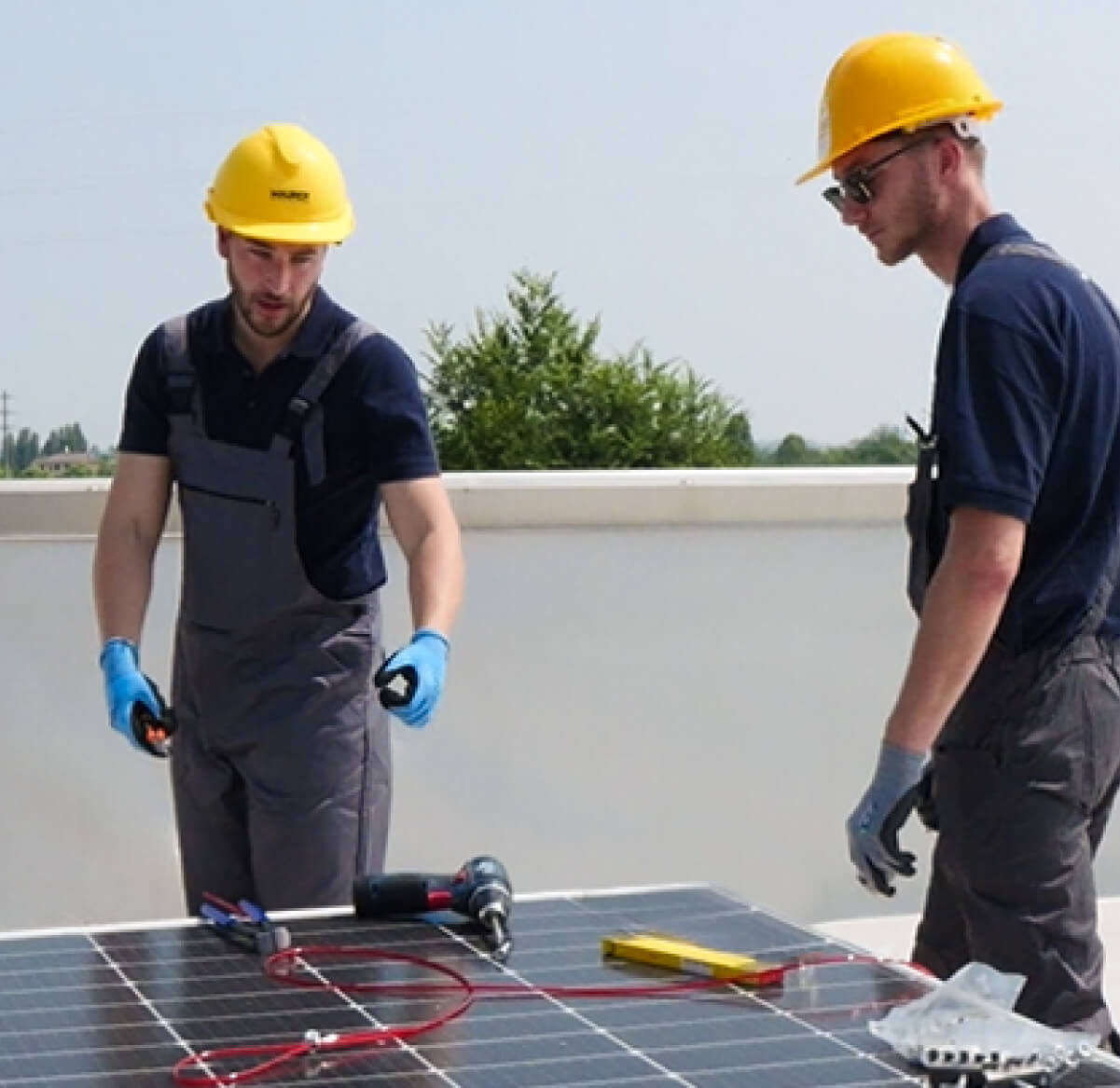
waiting on extra approvals—just position, align, and assemble. With fewer parts and intuitive
modular elements, crews can reduce labor hours and keep the jobsite organized. That also lowers
the risk of call-backs linked to water ingress or poorly executed fixings. For flat roofs with
sensitive membranes, aging covers, or strict building rules, ballasted PV mounting is often the
safest approach. It supports quick staging, predictable lifting plans, and smoother logistics
for large arrays. The result is a more profitable install: shorter timelines, less complexity,
and a mounting approach that feels straightforward even under pressure.
Designed Support: Engineering Help from Design
to Execution
A ballasted solar panel mount performs best when the project is
properly sized and documented. That’s why professional support matters—especially for wind
calculations, load distribution, and array configuration. Technical teams can help with system
sizing, layout optimization, and selecting the right concrete ballast solution for your roof
type, exposure class, and module format. For distributors, a recognizable flat-roof mounting
concept backed by dependable data is easier to specify and sell. For engineering studios, having
tested, durable components and clear project inputs reduces responsibility stress and speeds up
approvals. Ultimately, the real advantage is confidence: a flat-roof PV mounting solution that
is solid, fast to deploy, and built around the needs of Italian solar professionals—without ever
compromising the roof.