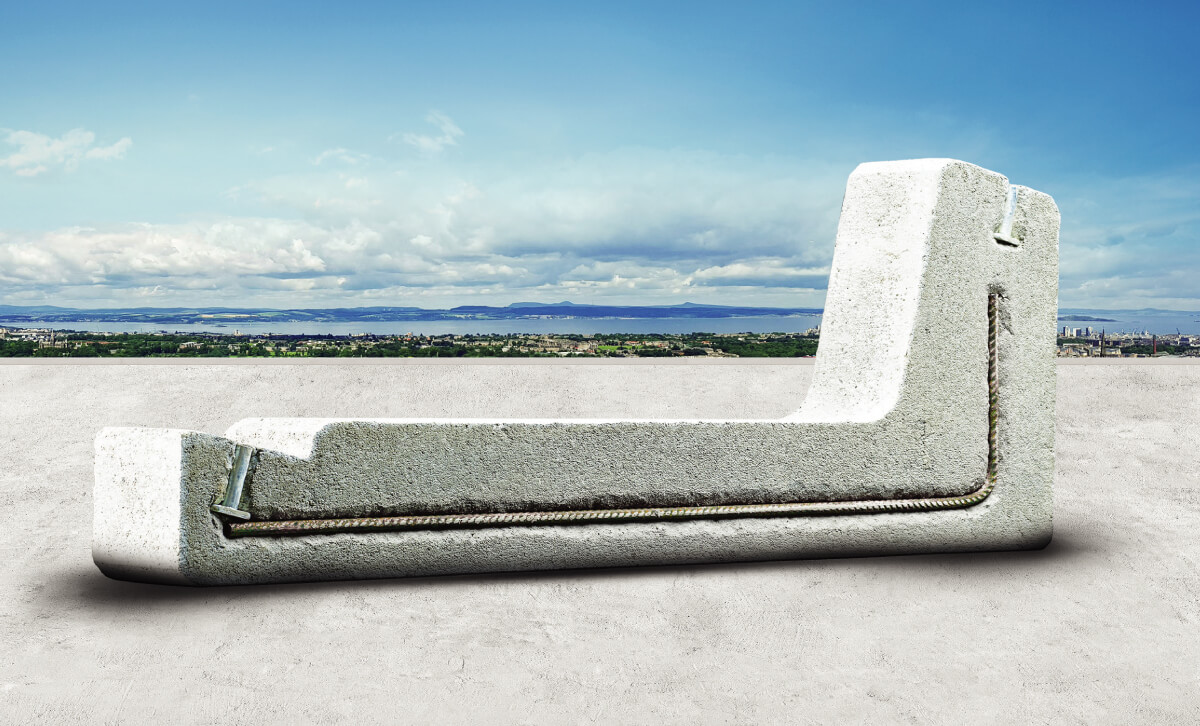
A Faster Way to Build PV on Flat Roofs—Without
Penetrating the Membrane
In Italy’s flat-roof PV market, speed and certainty on site matter
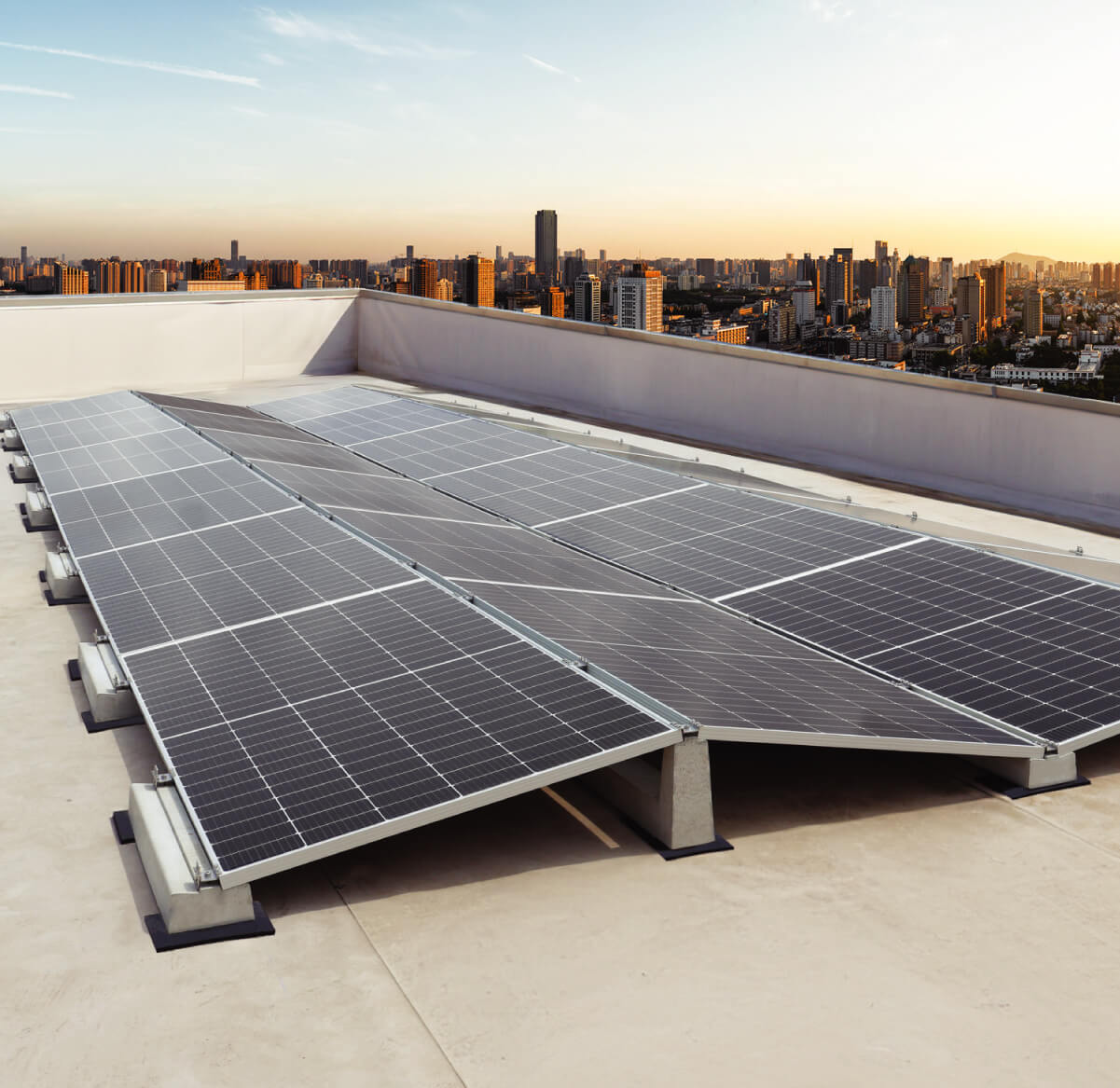
as much as energy yield. A ballasted solar panel ballast mounting system is designed to keep
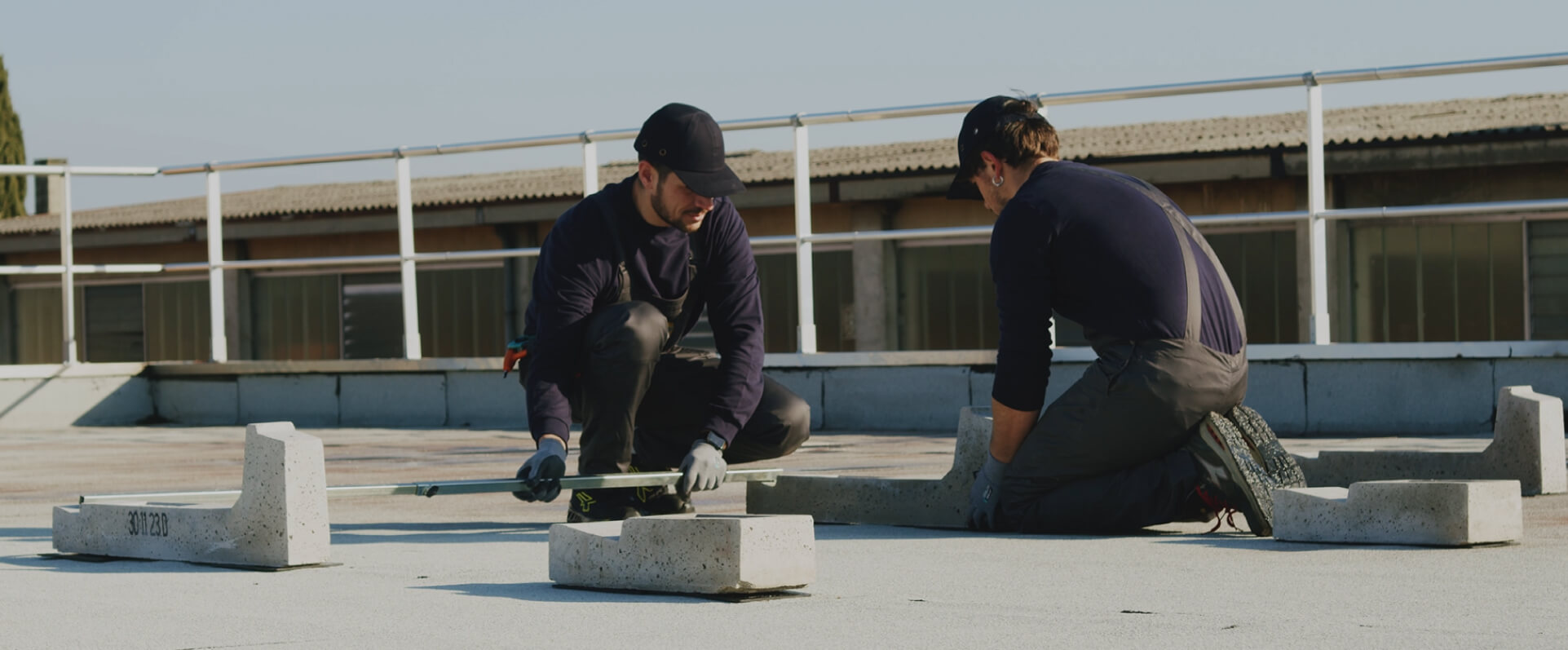
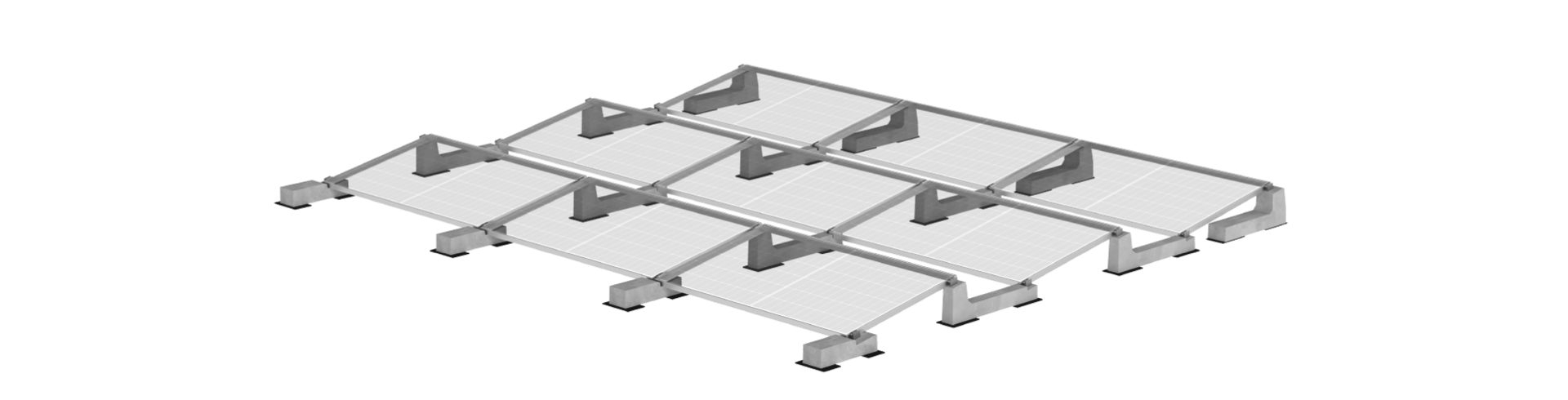
installation practical: the modules are secured using precast concrete weights rather than roof
penetrations, helping you avoid risky waterproofing details and the delays that often follow.
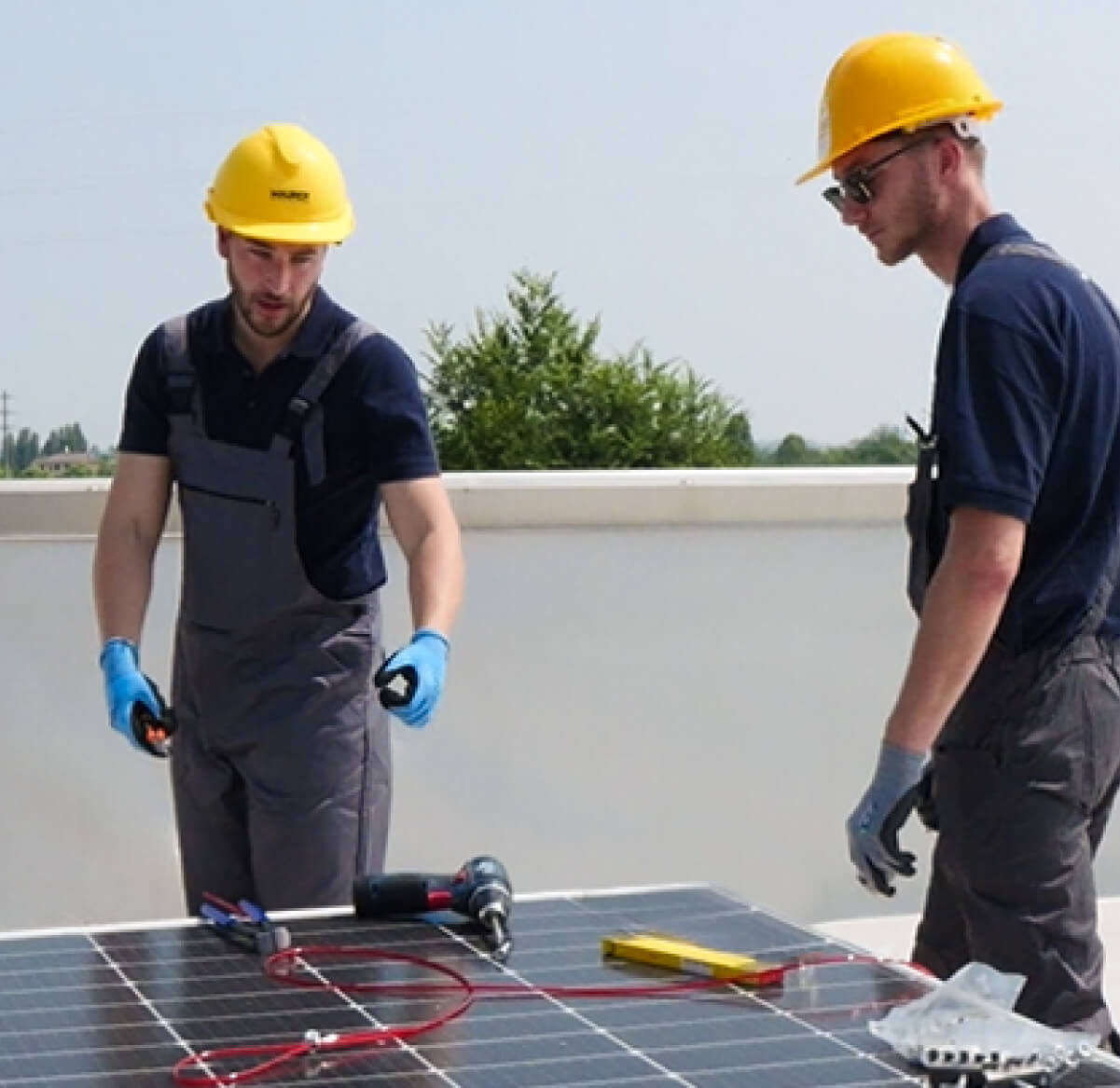
For installers, that translates into fewer components to manage, clearer assembly steps, and
shorter time per row—especially on large commercial roofs. For designers and engineers, the
appeal is just as strong: repeatable, tested solutions with predictable dead loads and a
straightforward path to wind verification. Instead of building a bespoke structure every time,
you can rely on a system approach that supports accurate layout planning, string organization,
and safe maintenance access. Because the roof stays intact, you reduce the likelihood of future
leaks and the disputes that can come with them. And since ballasted PV mounting for flat roofs
typically requires minimal tooling, crews can work efficiently even when logistics are tight. If
you’re distributing PV components, a recognizable ballast solution is easier to explain, quote,
and stock—making it simpler to meet steady demand. Ultimately, choosing the right ballasted
racking is about reducing complexity while maintaining performance: stable support, clean cable
management options, and dependable results across Italian industrial buildings, warehouses, and
other flat-roof sites.
Key Benefits Installers and Engineers Look For
A high-quality ballasted solar panel ballast mounting system
should deliver three things: reliability, simplicity, and confidence in calculations. Look for
robust concrete ballast blocks engineered for photovoltaic applications, along with
configurations that support common tilt angles and orientations. The best solutions minimize
parts count, speed up alignment, and reduce on-roof fabrication. From an engineering standpoint,
wind action and roof load distribution are central—so having verified data, clear installation
manuals, and support during system sizing can significantly reduce design risk. On site, “no
drilling” means fewer critical points to seal, less chance of membrane damage, and faster
handover. For flat roof solar mounting, it also helps to consider walkways, setbacks, and
maintenance paths early, so the plant remains accessible and compliant. When technical support
is included—layout guidance, dimensioning help, and project development up to execution—teams
can solve issues before they become costly change orders.
How to Choose the Right System for Your Next
Flat-Roof Project
Start by mapping the roof constraints: membrane type, parapets,
drainage, and available surface area. Then evaluate wind exposure and load limits to confirm the
ballasted PV mounting approach is appropriate. A dependable ballasted solar panel ballast
mounting system should offer standardized solutions that still adapt to real roofs—allowing
efficient row spacing, optimized tilt, and secure module clamping. Prioritize systems with a
proven track record, durable materials, and clear documentation for installers and inspectors.
Finally, consider the partner behind the hardware: responsive technical assistance, accurate
dimensioning support, and practical guidance can save hours in design and days on site—helping
you deliver a cleaner, safer, and faster installation across Italy’s flat-roof PV market.