Why ballasted solar mounting systems are the
smart choice for flat roofs
In the Italian PV market, flat roofs are everywhere—from logistics
hubs to industrial sheds—and installers need solutions that are fast, predictable, and safe.
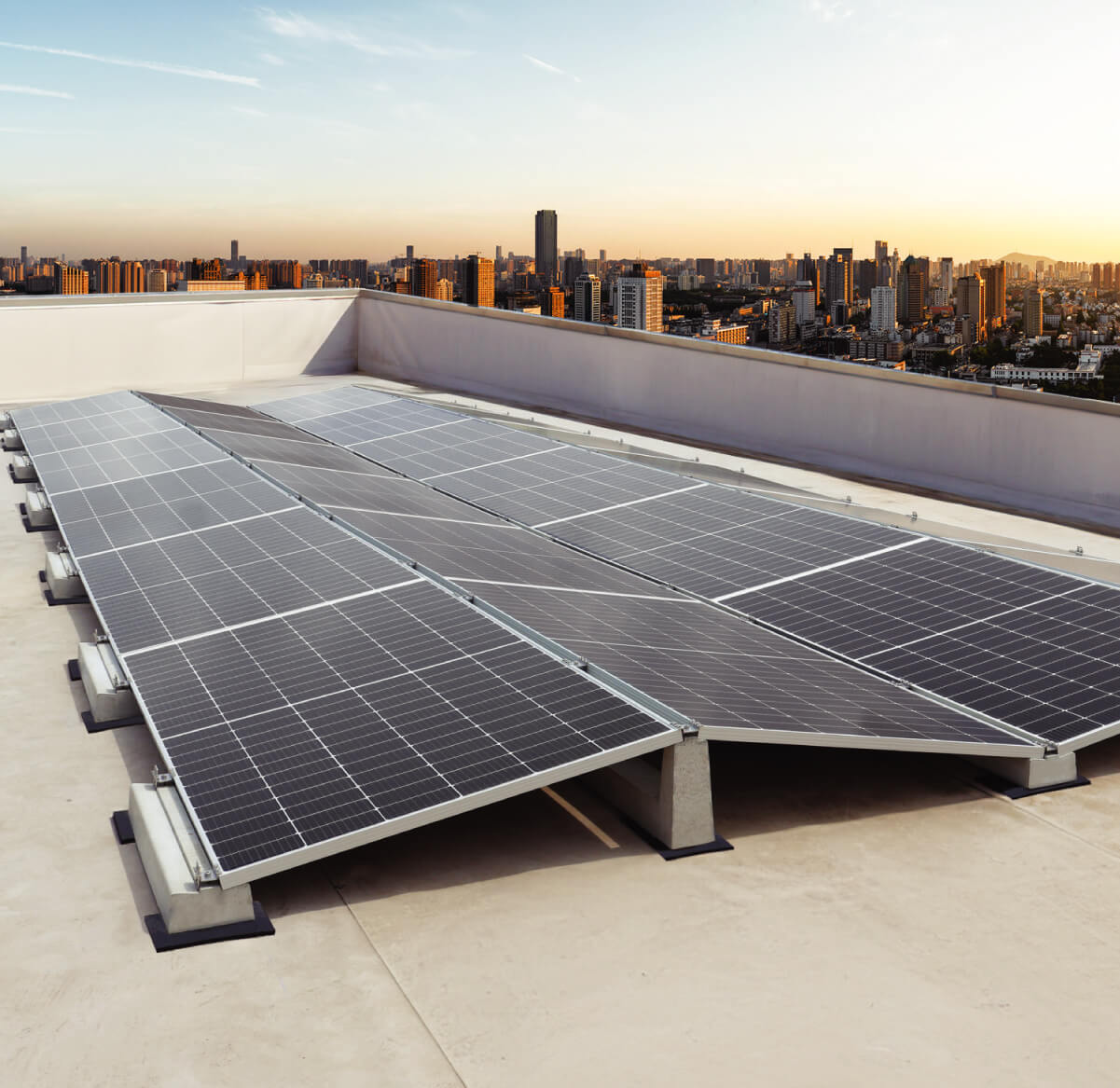
Ballasted solar mounting systems answer that need by securing modules with weight rather than
roof penetrations. That means fewer waterproofing risks, fewer on-site surprises, and a cleaner
handover for the client. For installers, the real win is time: fewer components, intuitive
assembly, and a workflow that scales across multiple rooftops. For designers and engineers, the
advantage is control: tested configurations, clear load paths, and dependable data for wind and
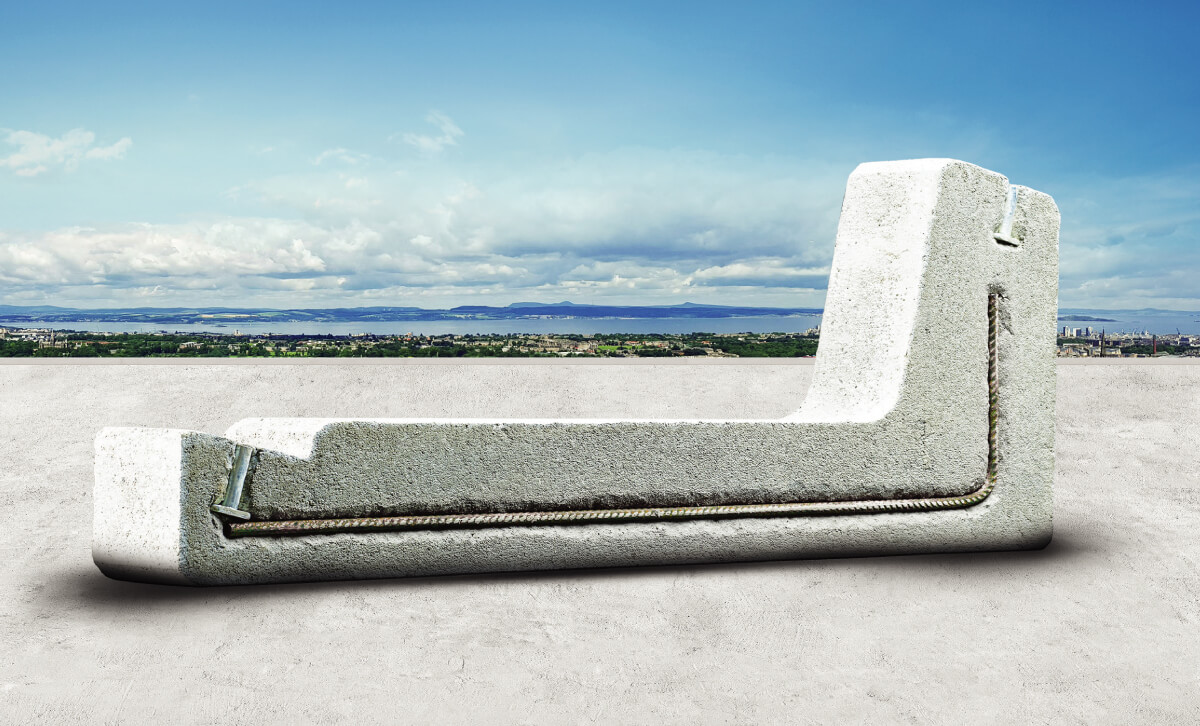
ballast calculations. Concrete ballast structures are especially valuable on membrane roofs
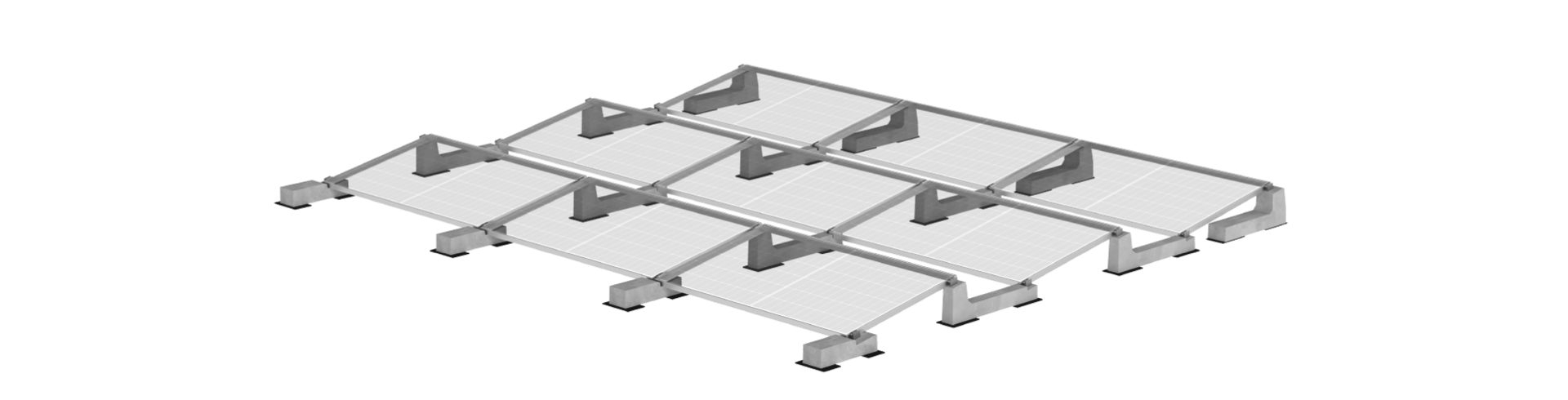
where drilling can be a liability. With the right layout, you can optimize tilt angle, row
spacing, and shading management without turning the roof into a construction site. Distributors
also benefit from a product category that is easy to specify and consistently requested. If your
priority is to accelerate commissioning while keeping the roof intact, ballasted solar mounting
systems are one of the most practical foundations for flat-roof photovoltaics in Italy.
Built for installers: fewer parts, faster
work, fewer risks
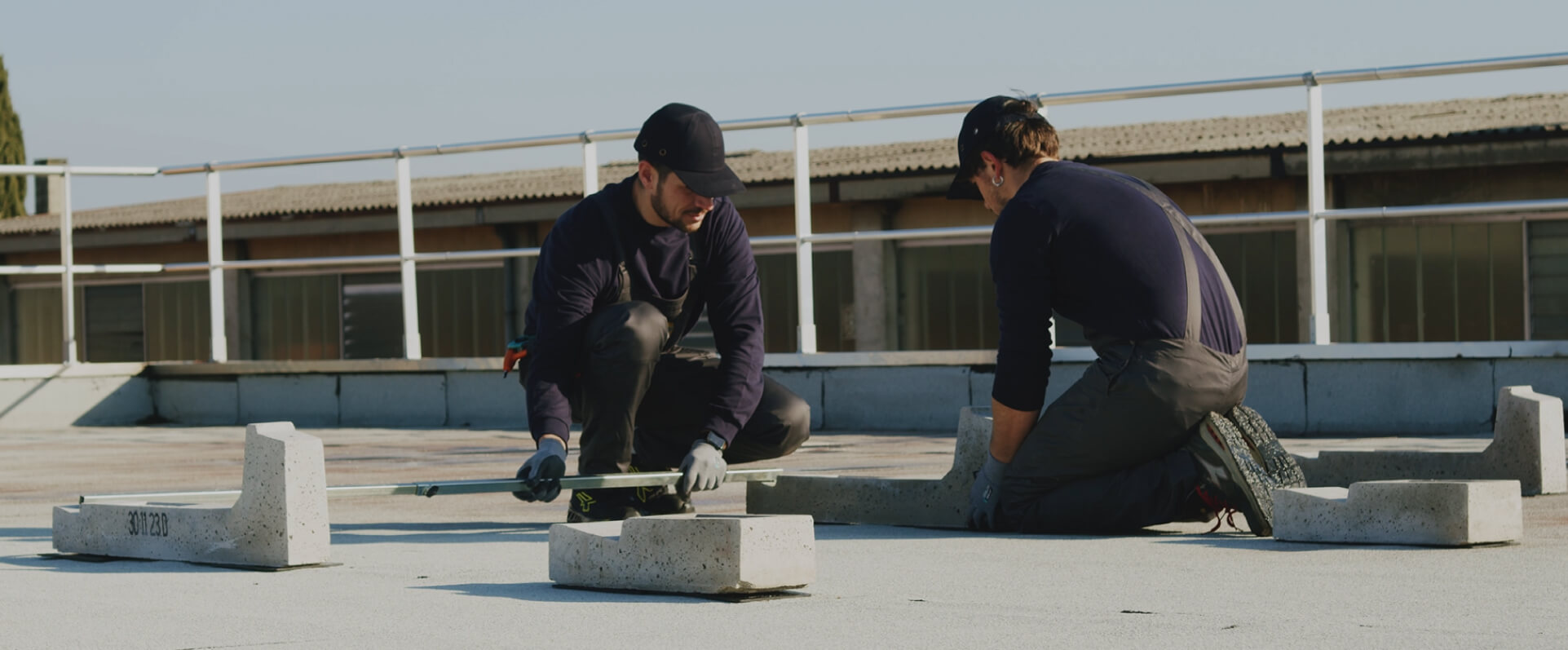
Every hour on the roof matters. A well-designed ballast solution
reduces handling, simplifies positioning, and helps crews repeat the same steps across the
array. Because the system avoids anchoring, you reduce the chance of leaks and the downtime that
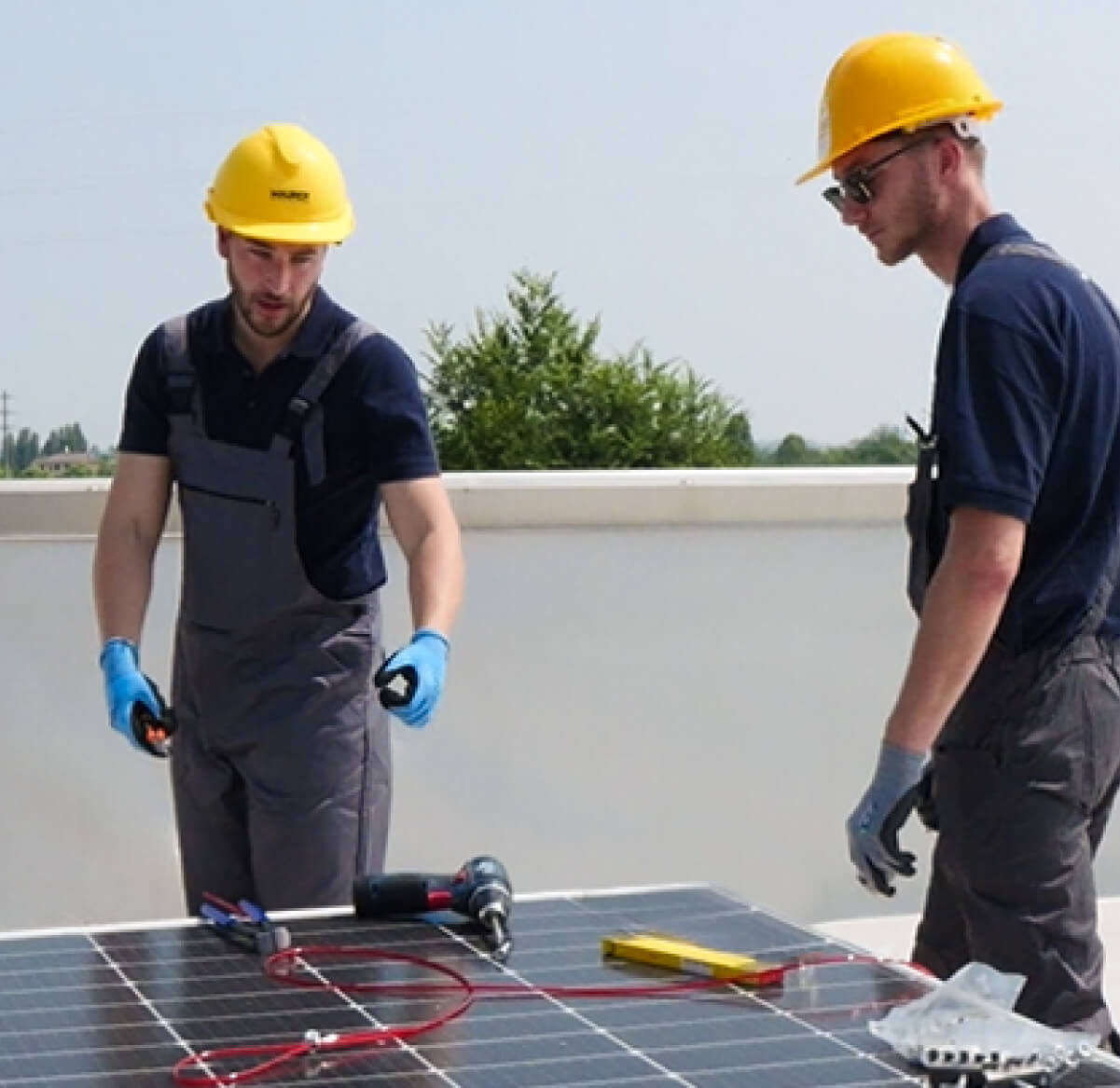
comes with corrective works. On site, that translates to smoother logistics: place the supports,
align the modules, and complete electrical connections with less structural complexity. It’s
also easier to plan staffing and timelines when the mounting method is standardized. Look for
flat roof PV mounting options with pre-engineered elements, clear installation manuals, and
compatible accessories for cable management and module clamps. The result is a mounting
structure that supports productivity without compromising safety.
Engineering confidence: sizing support,
verified performance, real project peace of mind
For technical offices, the key question is reliability under wind
uplift and roof load limits. Quality ballasted solar mounting systems are developed around
verified test data and practical rooftop constraints, helping you size ballast correctly and
document choices. A strong technical partner can support you from early design to execution:
layout optimization, load checks, and assistance with project development. That reduces design
burden and helps minimize risk, especially on large commercial rooftops. When you combine
certified components, robust concrete ballast, and responsive technical guidance, you get a
flat-roof PV solution that is efficient to install and easier to justify in project
documentation. If you want fewer uncertainties and a faster path from design to commissioning,
choose a ballasted approach that is engineered, tested, and supported—without ever needing to
drill the roof.