Why a Ballasted Solar Mounting System Is the
Smart Choice for Flat Roofs in Italy
For PV professionals working on flat roofs in Italy, every hour on
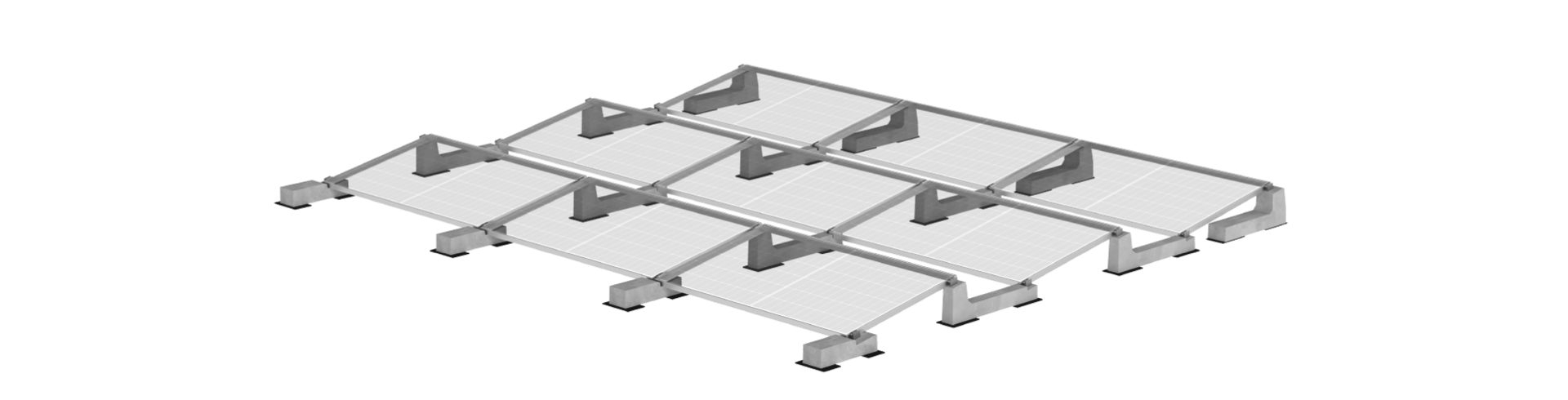
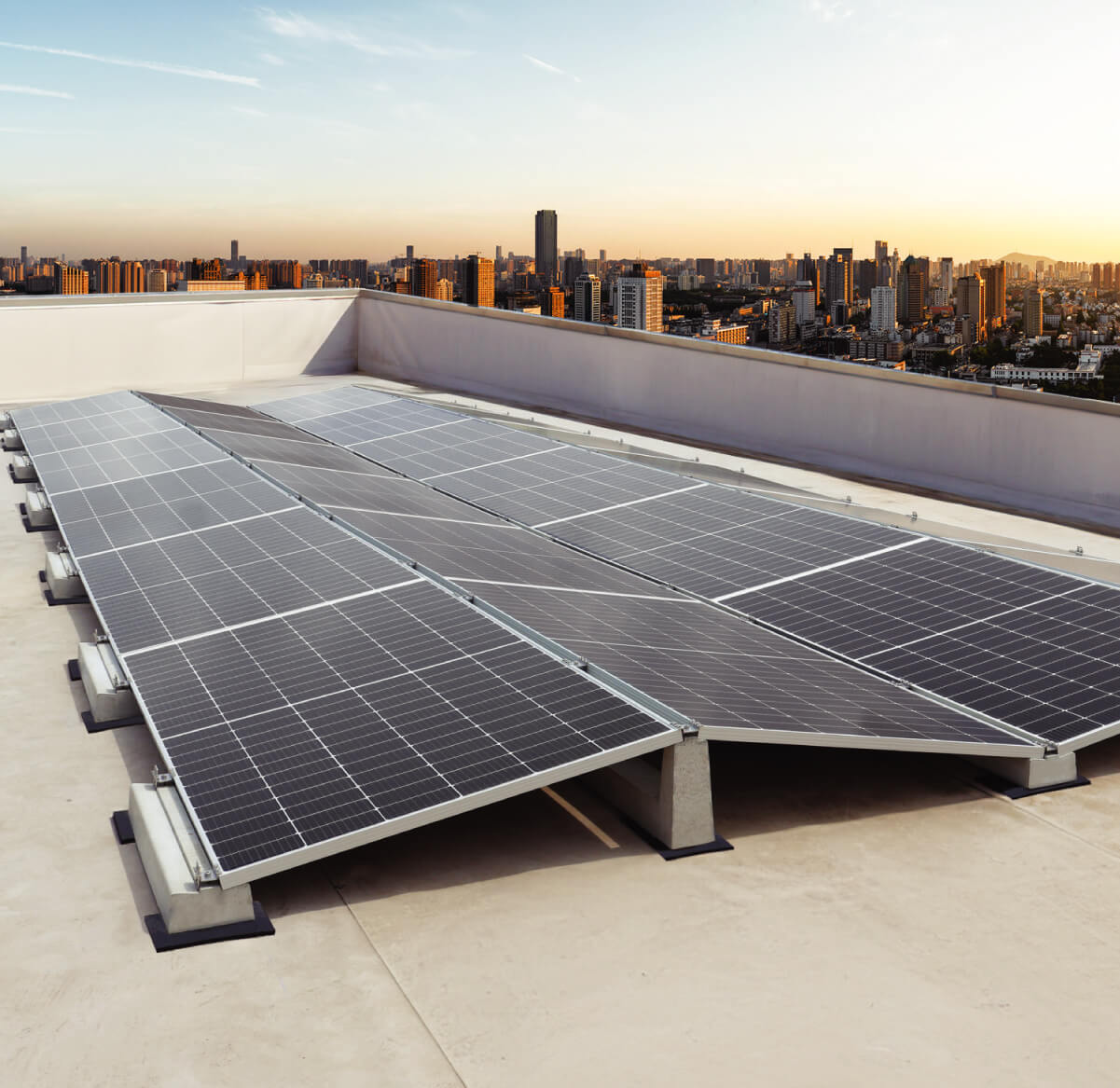
site and every risk to the waterproofing membrane matters. A ballasted solar mounting system is
designed to solve both challenges by securing modules with concrete ballast rather than roof
penetrations. That means fewer potential leak points, faster workflows, and a cleaner
installation process—especially on industrial sheds, commercial buildings, and large logistics
roofs.
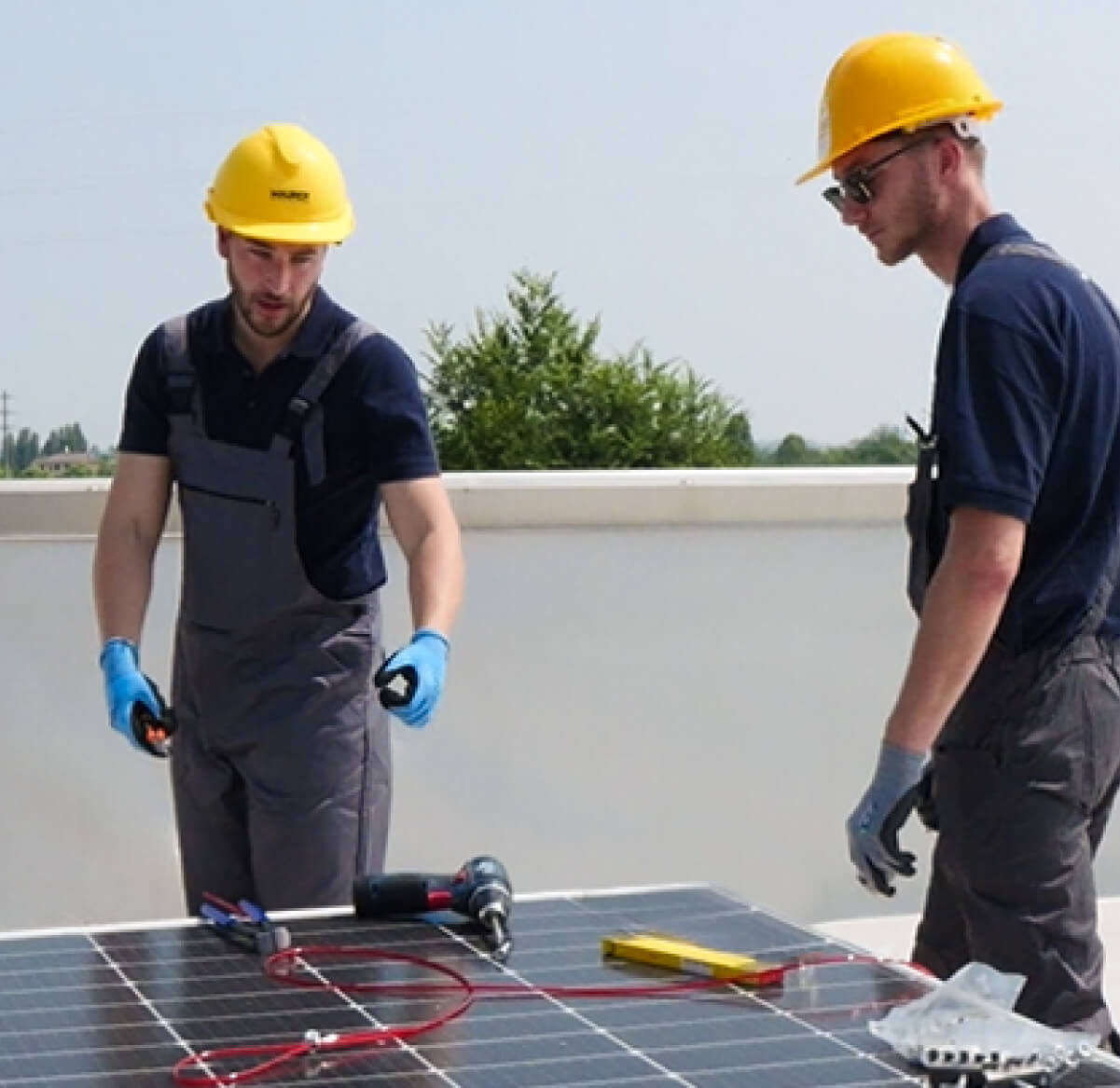
Installers appreciate the practical advantages right away: fewer components to handle, intuitive
assembly, and reduced dependency on complex substructures. With a no-drill approach, you can
often minimize disruption to existing roofing layers and speed up handover. The result is a
system that feels straightforward on site but still delivers the stability required for
real-world conditions.
Because flat roofs vary widely in surface type and layout, ballasted PV mounting is also valued
for its adaptability. Whether you are planning standard rows, optimizing spacing, or working
around rooftop obstacles, a ballast-based solution supports flexible array design. In short, if
your priority is to install more systems per week while keeping risk low, a ballasted solar
mounting system is a strong starting point for flat-roof projects across the Italian market.
Faster Installation, Fewer Problems: What
Installers Actually Need
A successful flat-roof PV job is rarely about the modules
alone—it’s about eliminating friction on site. The main reason many installers choose a
ballasted solar mounting system is speed: fewer roof fixings, fewer specialized tools, and fewer
steps that slow the crew down. Concrete ballast blocks are engineered to provide the necessary
counterweight, helping the structure resist uplift without anchoring into the roof.
This approach also reduces the typical headaches linked to penetrations: sealing details,
membrane warranties, and coordination with roof contractors. When the mounting strategy avoids
drilling, the worksite becomes simpler to manage and easier to schedule.
For distributors and wholesalers, the value is just as clear: a recognizable, high-demand
solution that is easier to explain and faster to move. A standardized, modular mounting concept
supports repeatable jobs and predictable stock planning.
From a performance standpoint, installers still need confidence in durability. A quality
ballasted photovoltaic mounting solution is built for long service life, robust materials, and
stable geometry—helping keep the array aligned, secure, and tidy over time. If your teams are
aiming to reduce callbacks and complete more rooftops with less complexity, ballast-based
mounting is designed for exactly that reality.
Engineering Support and Reliable Sizing:
Reducing Design Risk
For engineers and technical offices, the biggest concern is not
just “Will it fit?” but “Will it hold?” Wind exposure, building height, parapets, roof zones,
and load limits all influence the final configuration. Choosing a ballasted solar mounting
system becomes far more effective when it is paired with solid technical guidance: clear load
data, layout recommendations, and support during the sizing phase.
In the Italian context—where rooftop conditions can change dramatically from coastal areas to
inland industrial zones—having dependable inputs for ballast calculations and array geometry
helps reduce design risk. A well-supported process can streamline decision-making on tilt angle,
row spacing, and roof load distribution, while keeping installation practical for crews.
Equally important is project continuity: from preliminary design to execution, professionals
benefit from coordinated technical and commercial assistance that prevents delays and rework.
Instead of treating mounting as a commodity, the best outcomes come when the mounting solution
is approached as a complete system—engineered, tested, and supported.
If you are planning flat-roof PV projects and want a faster, safer route with less on-site
uncertainty, a ballasted solar mounting system delivers the balance B2B professionals look for:
speed for installers, confidence for designers, and consistency for the supply chain.