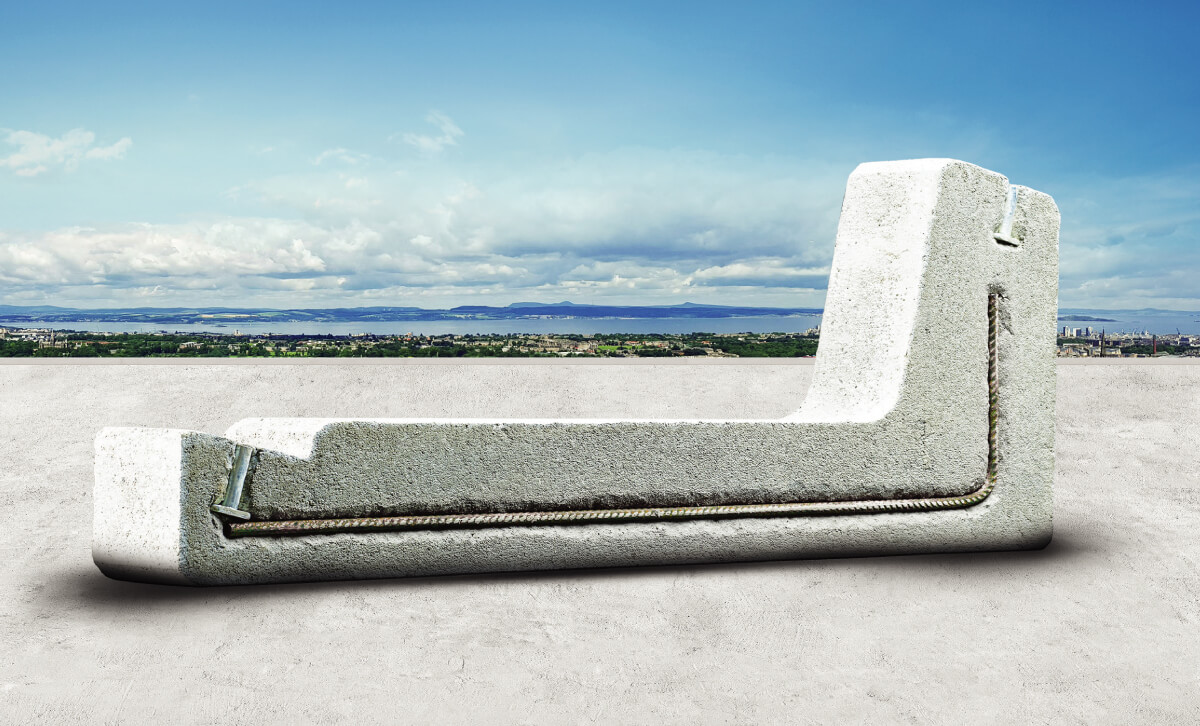
Why a Ballasted Solar Mounting System for Flat
Roofs Is the Smart Choice in Italy
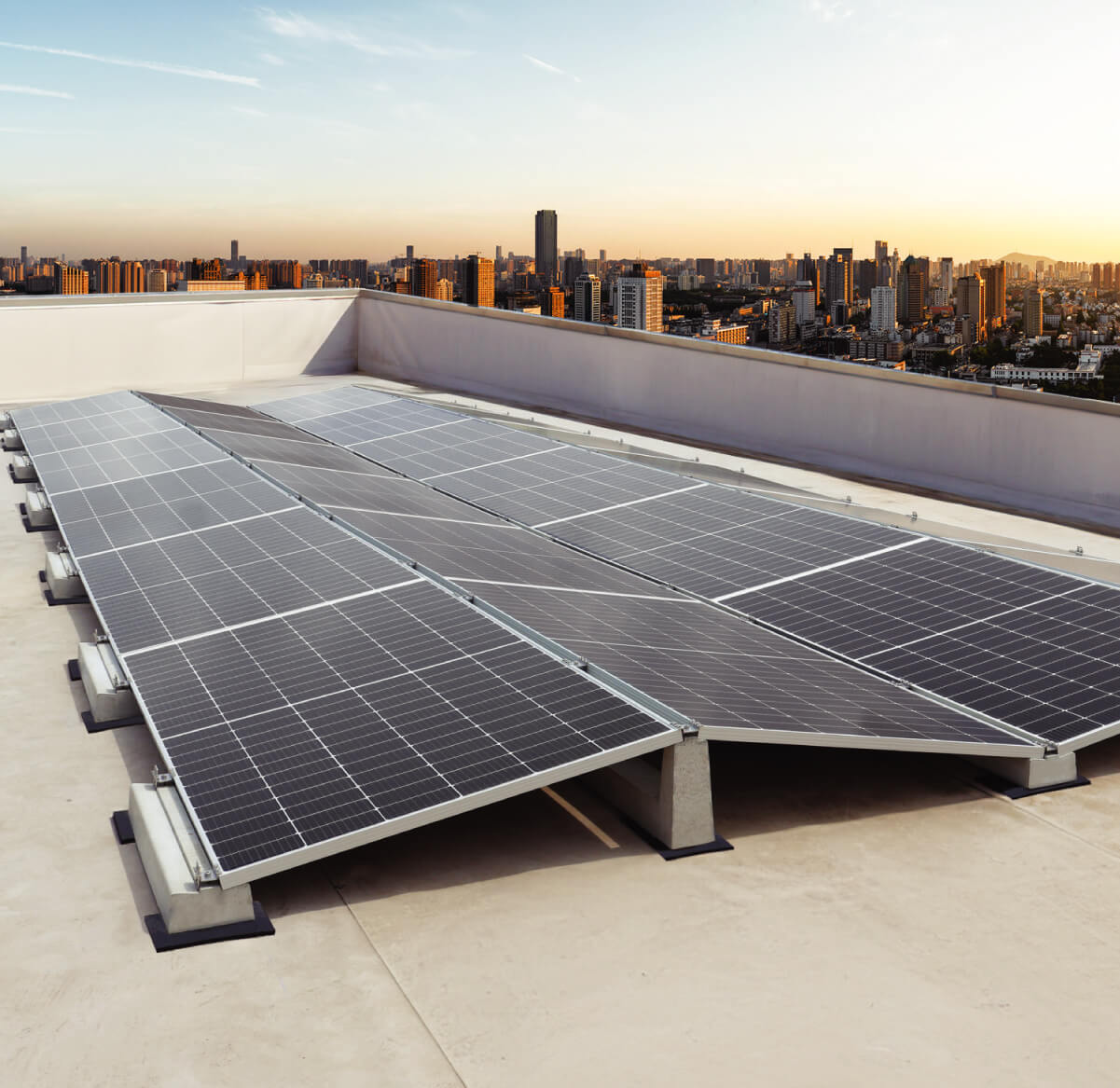
Choosing a ballasted solar mounting system for flat roofs is often
the simplest way to install PV on Italian industrial buildings, warehouses, and commercial
rooftops—especially when you want speed and peace of mind. Instead of drilling into the
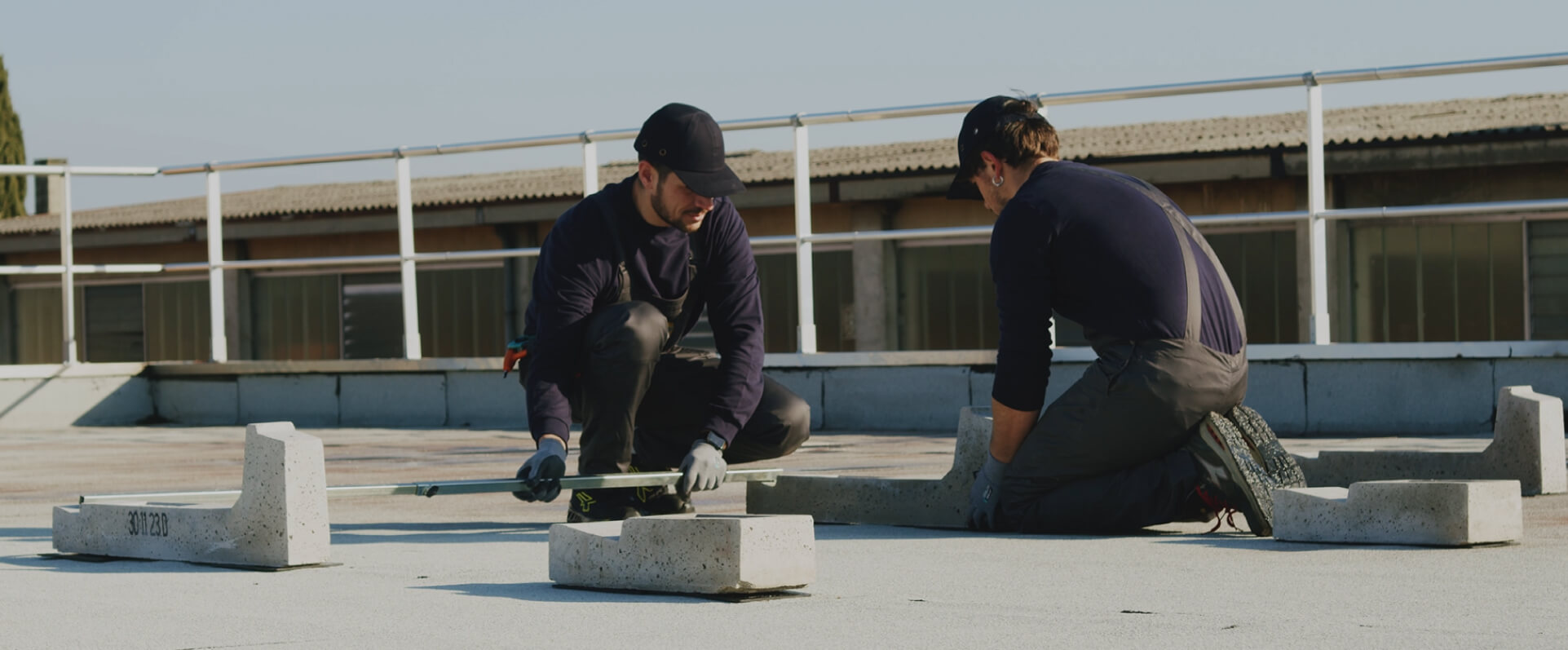
membrane, ballasted solutions use concrete weights to keep modules stable, helping you avoid
waterproofing risks and expensive rework. For installers, that means fewer critical steps on
site, faster assembly, and a cleaner workflow with fewer components to manage. For designers and
engineers, it means a predictable approach to rooftop loads, wind uplift, and layout planning,
with reliable technical data to support calculations and compliance. A well-designed flat-roof
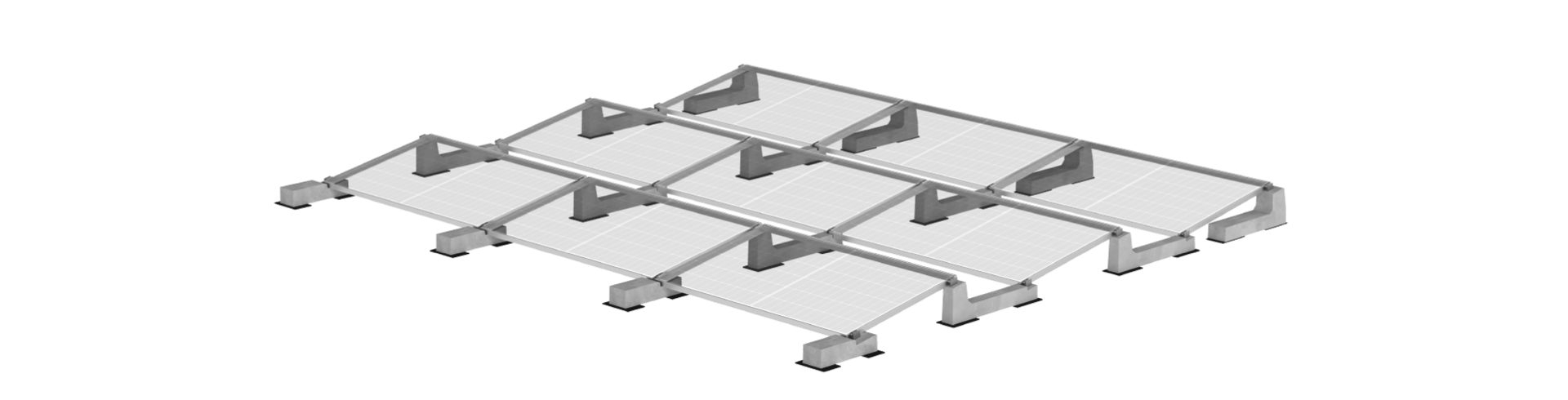
PV racking solution can also improve logistics: pre-defined angles, tidy cable management, and
straightforward positioning reduce surprises during installation. In practice, this is what
makes ballasted systems so popular across Italy—many rooftops cannot be penetrated, or the
building owner simply prefers a non-invasive method. When the structure is engineered around
proven concrete ballast blocks and tested configurations, you get a mounting solution that’s
robust, durable, and easier to standardize across multiple projects. The result is a persuasive
combination: quicker installs, lower operational complexity, and a safer path from design to
execution. If your goal is to deliver more systems per month without compromising quality, a
ballasted solar mounting system for flat roofs is a practical, performance-focused foundation
for your next project.
Key Benefits for Installers: Faster Jobs,
Fewer Risks, More Repeatable Results
Installers choose a ballasted solar mounting system for flat roofs
because it removes one of the biggest site headaches: roof penetrations. No drilling means fewer
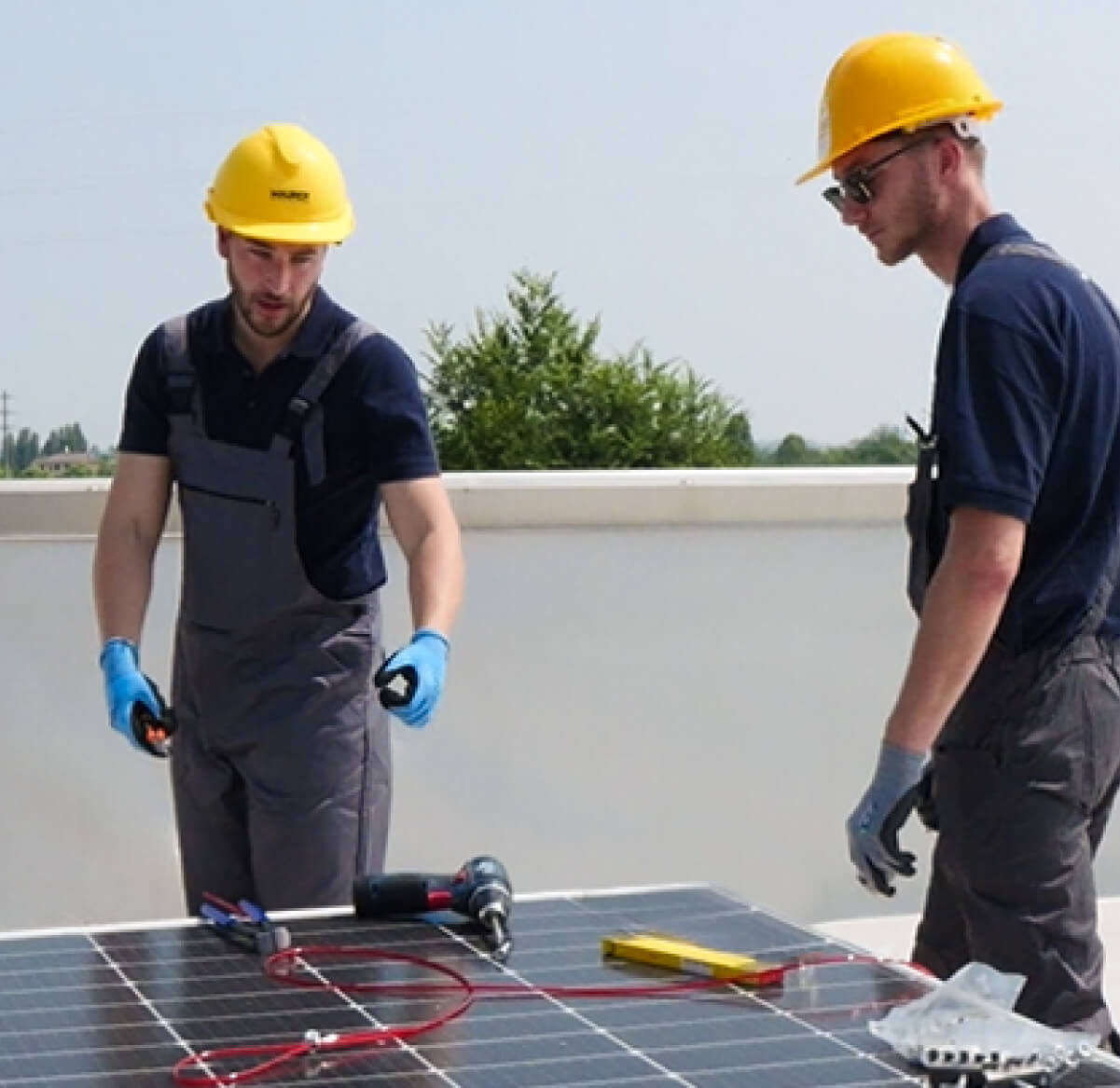
waterproofing variables, less downtime, and reduced risk of callbacks. With fewer parts and an
intuitive assembly sequence, teams can move quickly from staging to module placement, even on
large surfaces. This kind of flat-roof PV mounting system is built to be repeatable—helping you
standardize installation times, train crews faster, and quote jobs with greater confidence.
Concrete ballast provides stability without complex anchoring, while optimized module
inclination supports efficient space use and neat row alignment. For projects where access,
safety, and speed matter, ballasted racking is a practical way to keep schedules on track.
Technical Support Matters: From Design Sizing
to Execution-Ready Layouts
For engineers, EPCs, and technical offices, a ballasted solar
mounting system for flat roofs is most valuable when it comes with solid engineering support.
Wind load assessment, ballast sizing, roof load distribution, and project documentation can
quickly become time-consuming—especially when you’re managing multiple sites. Working with a
solution that provides dependable data, tested configurations, and assistance from the early
design phase helps reduce responsibility-related stress and improves approval confidence.
Distributors benefit too: a recognizable, easy-to-explain rooftop solar mounting solution is
simpler to stock and sell when demand is steady and technical questions are handled efficiently.
Ultimately, the winning formula is clear: a non-penetrating, concrete-ballasted approach that
supports fast installation, reliable performance, and a smoother path from concept to
commissioning across the Italian market.