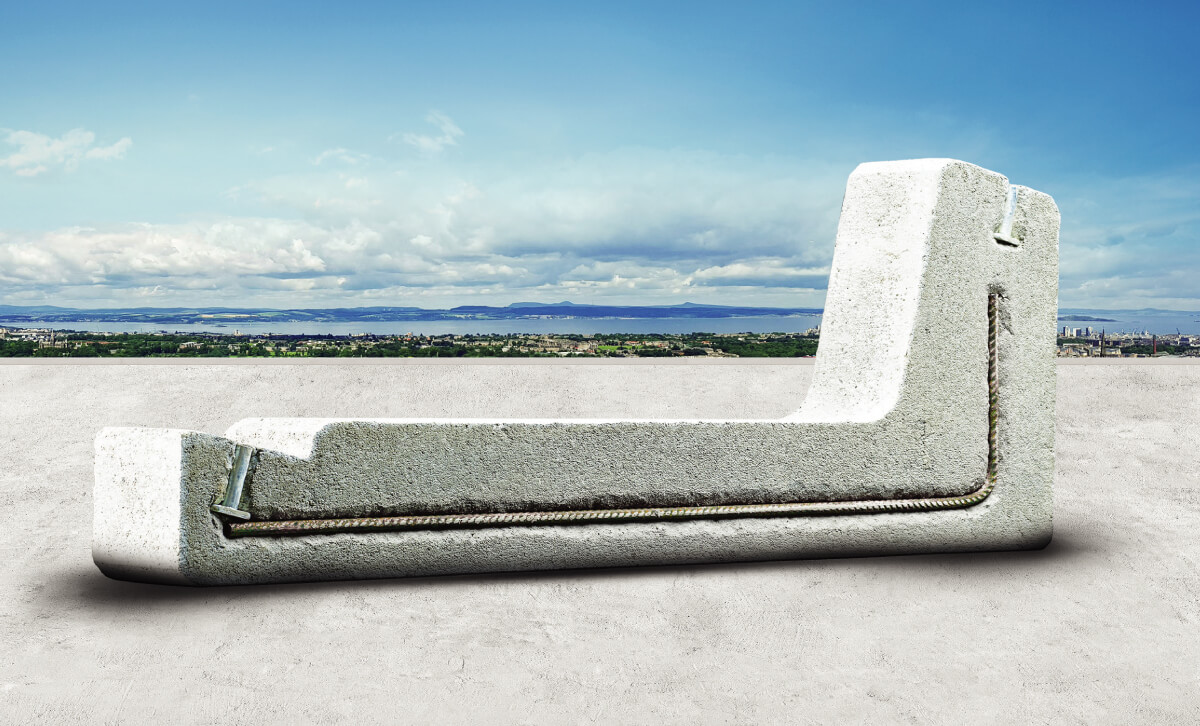
Why a Ballasted Solar Mount Makes Flat-Roof PV
Easier in Italy
In Italy, flat-roof photovoltaic projects often run into the same
bottlenecks: waterproofing concerns, long installation times, and complex on-site assembly. A
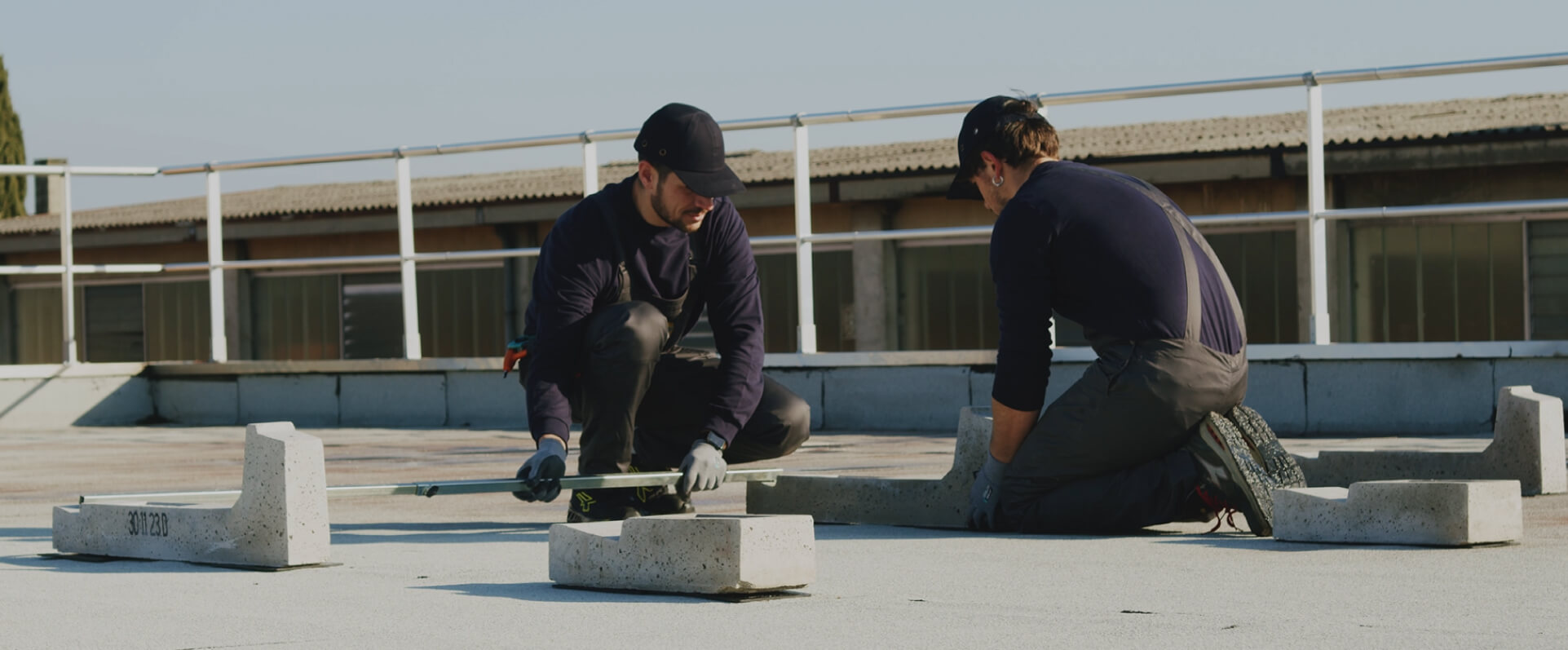
ballasted solar mount tackles these issues head-on by keeping the roof intact—no drilling, no
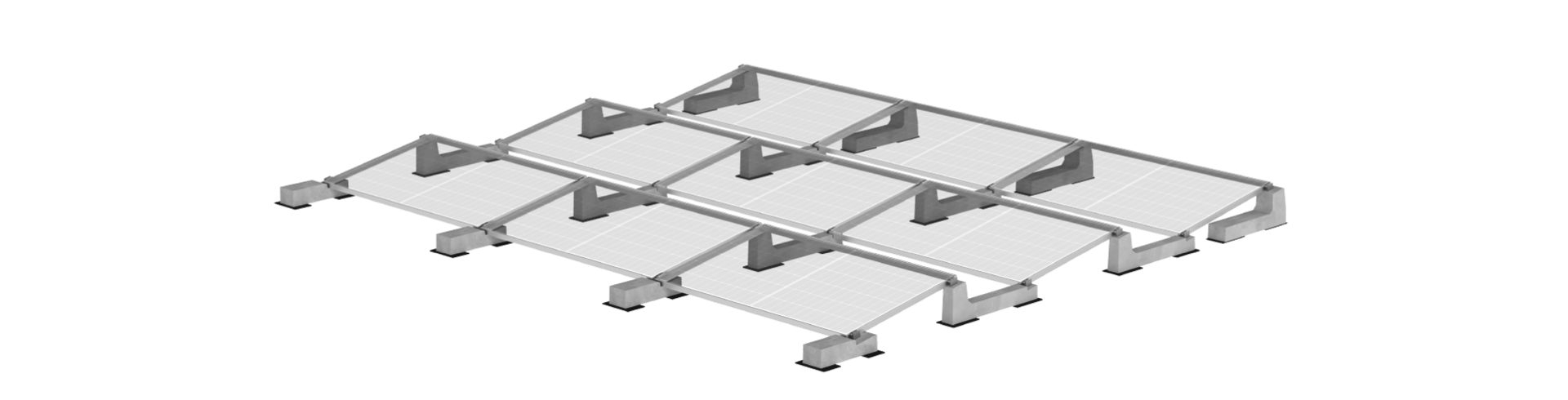
penetrations, and far fewer opportunities for leaks. Instead of anchoring into the membrane, the
system uses engineered concrete ballast to secure the PV structure, helping installers move
faster and with more confidence.
For professionals, speed is not just convenience—it’s margin. With a ballasted solar mount,
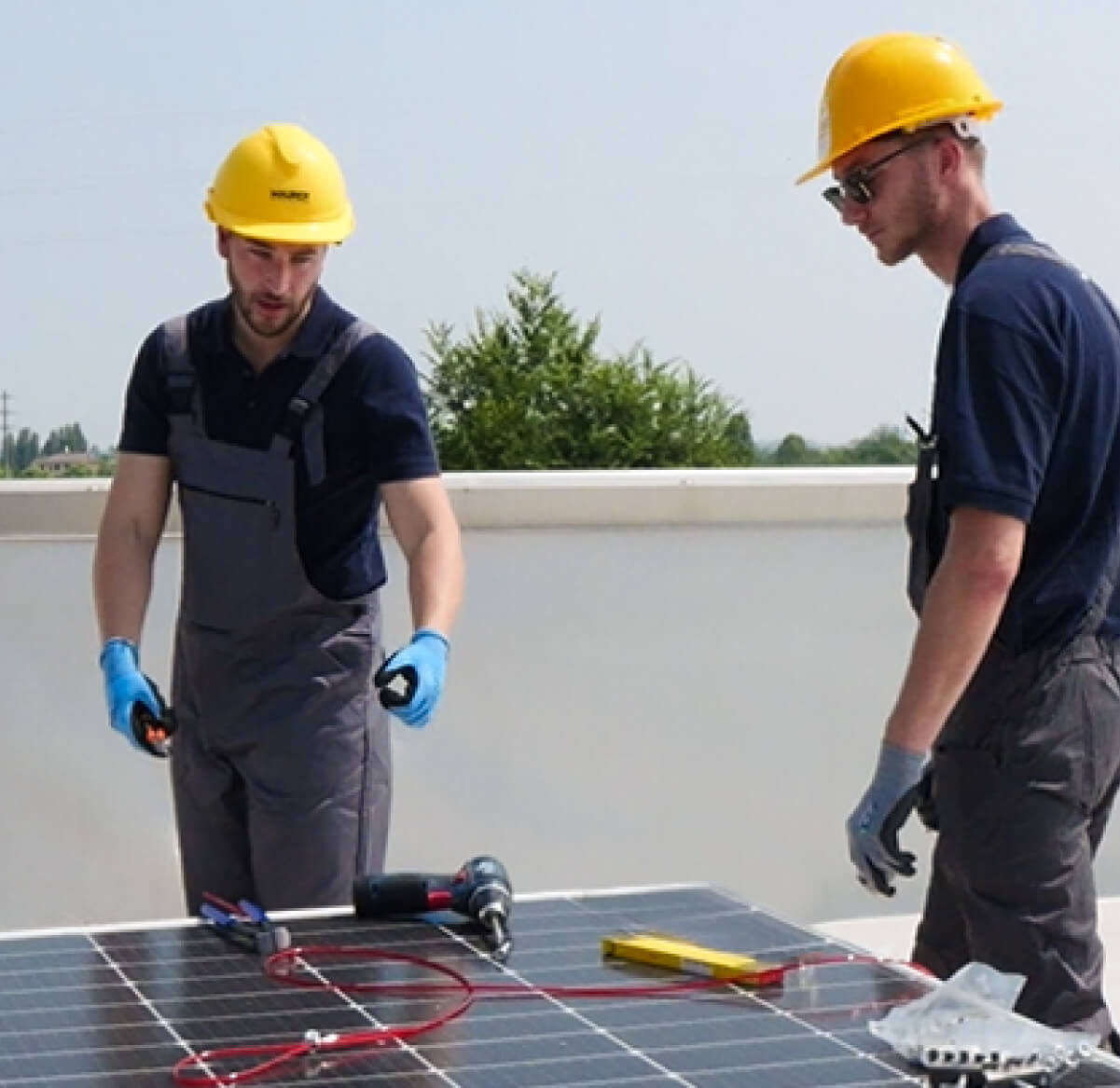
crews typically handle fewer components, reduce roof-prep tasks, and simplify logistics on
commercial rooftops and industrial buildings. The result is a cleaner workflow from unloading to
final tightening, especially on large, repetitive layouts.
Just as important, these solutions are designed for real rooftop conditions: uneven surfaces,
parapets, and varying exposure. When paired with correct layout planning, row spacing, and cable
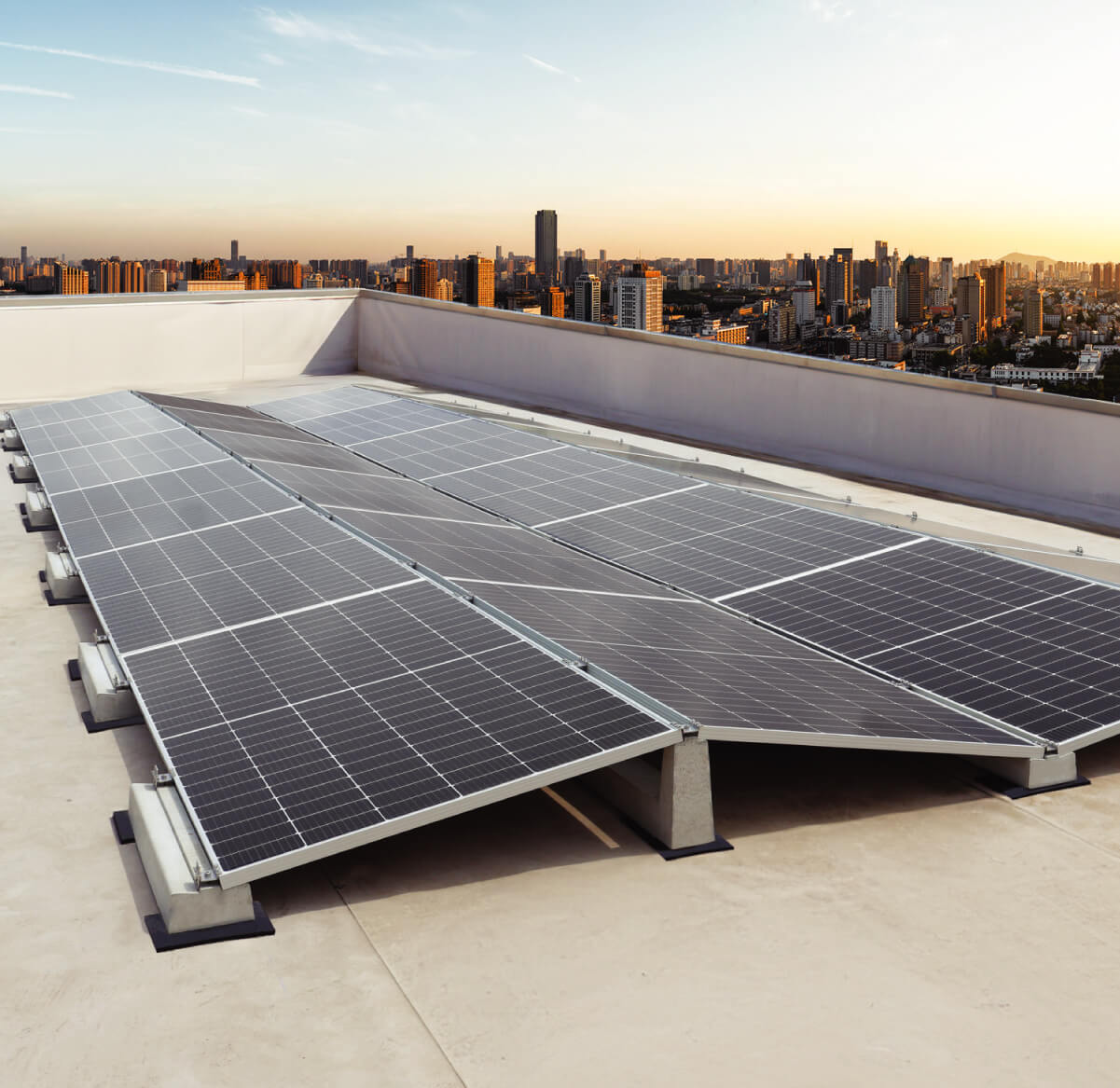
management, a ballasted approach can deliver a robust flat-roof PV installation that feels
straightforward on site. If your priority is to protect the roof, reduce risk, and install more
kilowatts per week, a ballast-based mounting strategy is often the most practical route.
Performance You Can Design Around: Wind Loads,
Weights, and Compliance
Choosing a ballasted solar mount is not only a construction
decision—it’s a design decision. Engineers and technical offices need dependable data for wind
uplift, dead loads, and roof capacity checks. A well-engineered ballast system is developed to
provide predictable behavior under wind conditions common across Italy’s coastal areas, plains,
and elevated zones.
Because ballast directly affects roof loading, correct sizing is essential. That means
evaluating exposure category, building height, edge zones, module tilt, and array geometry.
Instead of improvising on site, professionals benefit from technical support that helps define
the right configuration, verify load distributions, and document assumptions for project
responsibility.
A further advantage is consistency: when the mounting concept is based on standardized concrete
elements, the installation outcome is repeatable across multiple sites. That repeatability helps
reduce design uncertainty, supports safer procurement, and keeps projects aligned with typical
permitting expectations. In short, a ballasted solar mount can be a strong choice when you need
both installation simplicity and an engineering-ready solution for flat-roof PV.
Built for Pros: Faster Installs, Fewer
Headaches, Complete Project Support
Installers, designers, and distributors all value the same thing:
solutions that work the first time. A ballasted solar mount helps by removing one of the biggest
sources of jobsite risk—roof fixings—while keeping the system intuitive. Fewer parts and a
gravity-based approach can translate into quicker positioning, easier alignment, and less
rework, especially on large commercial rooftops.
Beyond the hardware, what makes the difference is having a partner-like workflow: support during
the design phase, help with system sizing, commercial assistance, and guidance that carries the
project through execution. That end-to-end approach reduces back-and-forth, prevents delays
caused by missing details, and helps teams deliver on deadlines.
For distributors, a ballasted solar mount is also easier to position: it’s a recognizable
flat-roof PV category with strong demand, clear benefits (no-drill, fast install), and a track
record of reliability. If you want a mounting solution that’s solid, tested, and designed to
simplify rooftop solar in Italy, a ballast-based system is a compelling choice for B2B
professionals.