Why a Ballasted Solar Array Is the Smart
Choice for Flat Roof PV
Installing photovoltaic systems on flat roofs in Italy often means
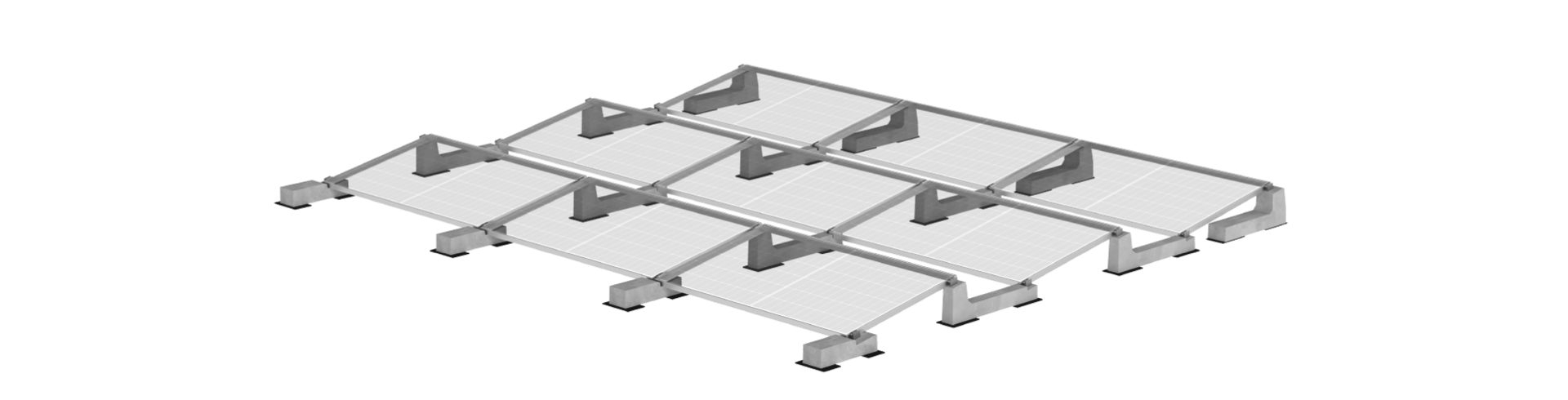
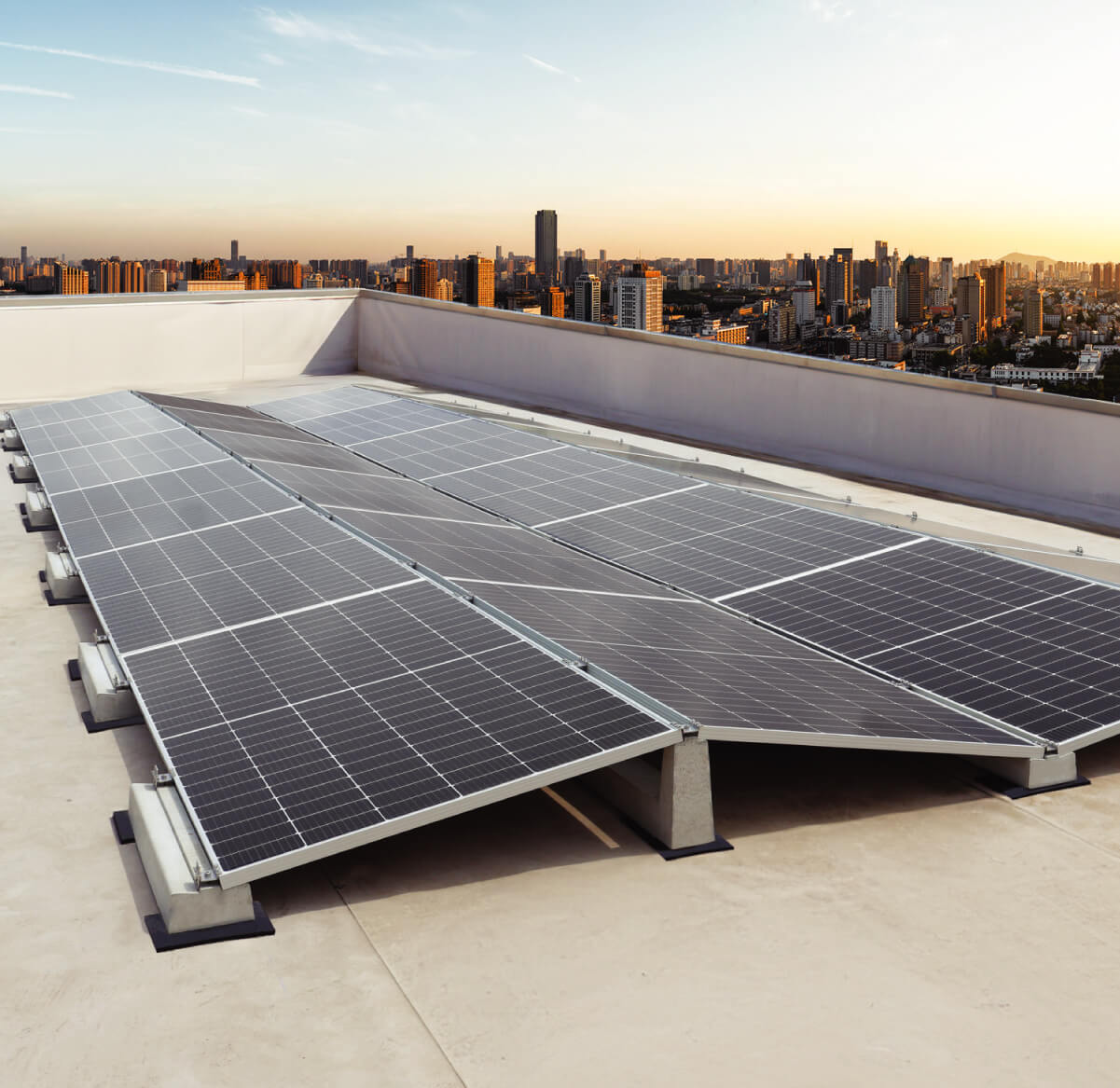
balancing speed, safety, and long-term reliability. A ballasted solar array is designed to make
that balance easier: instead of drilling into the roof membrane, the structure is held in place
by engineered concrete ballast. For installers, this translates into fewer unknowns on site—no
waterproofing repairs, no worries about penetrations, and a cleaner, faster workflow from
unloading to commissioning. For designers and engineers, the appeal is equally practical:
predictable load paths, clear technical documentation, and solutions that can be dimensioned for
wind and roof loads without reinventing the wheel each time. A well-designed ballasted PV
mounting system also reduces the number of components and tools needed, helping teams keep
installations consistent across multiple projects. The result is a flat-roof solar mounting
approach that supports higher productivity while lowering operational risk. Whether you are
working on industrial rooftops, commercial buildings, or large logistics hubs, choosing a
ballasted solar array can mean shorter installation timelines, simpler site management, and a
more straightforward path to a robust, compliant photovoltaic installation.
Key Benefits for Installers, Designers, and
Distributors
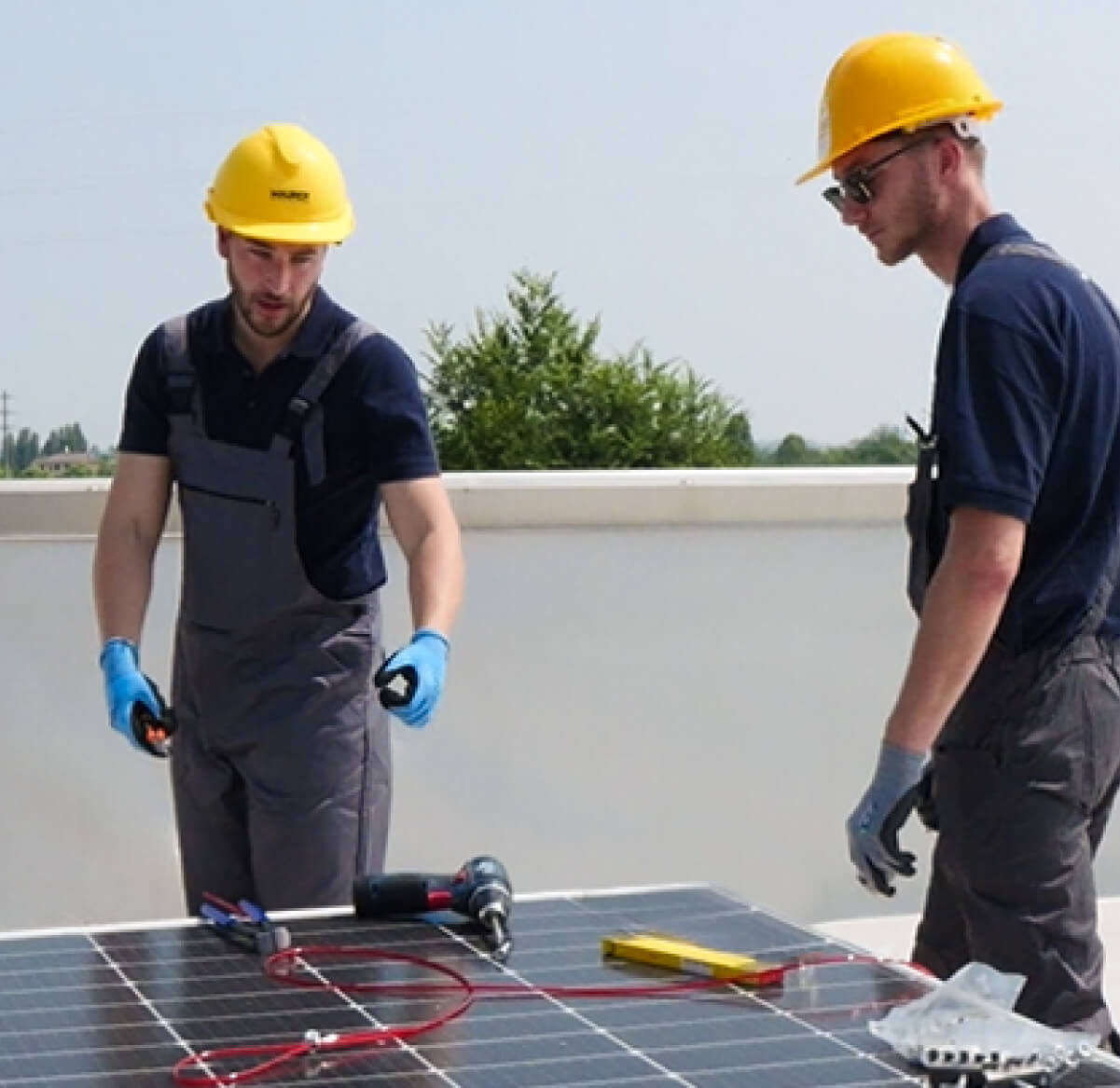
For PV installers, the biggest advantage of a ballasted solar
array is speed with confidence. Pre-engineered concrete ballast blocks and simplified mounting
geometries can reduce assembly time and limit on-roof improvisation. With no roof drilling, you
also minimize the chance of leaks—one of the most common headaches after handover. For technical
offices and engineers, support during design is crucial: wind calculations, roof load checks,
and layout optimization can be handled with structured technical assistance, making it easier to
deliver safe, verifiable solutions. Distributors benefit from a product category that is easy to
explain and increasingly requested in the Italian market: flat-roof photovoltaic mounting that
is quick to stock, quick to quote, and easier for customers to install. Related solutions like
non-penetrating PV racking, concrete ballast solar mounting, and flat roof solar structures all
point to the same priority—reducing complexity without sacrificing performance.
How to Choose the Right Ballasted Solar Array
Configuration
Not all flat roofs are the same, so selecting the right ballasted
solar array starts with real project constraints: roof type and membrane, allowable loads, wind
exposure, and desired tilt angle for energy yield. A good approach is to work with a technical
partner that can support layout design and correct dimensioning from the early stages, so the
installation team receives clear drawings, bill of materials, and practical assembly guidance.
Look for solutions that have been tested, offer durable materials, and keep the system
intuitive—especially when you manage multiple crews or tight deadlines. When the configuration
is properly engineered, a ballasted solar array becomes more than “panels on weights”: it is a
complete flat-roof PV mounting solution that helps you install faster, reduce on-site risk, and
deliver a cleaner, more reliable photovoltaic system for your client.