Why ballasted solar flat roof racking is the
smart choice for Italian flat roofs
Installing PV on a flat roof in Italy often means working against
tight schedules, strict safety requirements, and the constant worry of waterproofing. Ballasted
solar flat roof racking solves these pain points by keeping the roof membrane intact: panels are
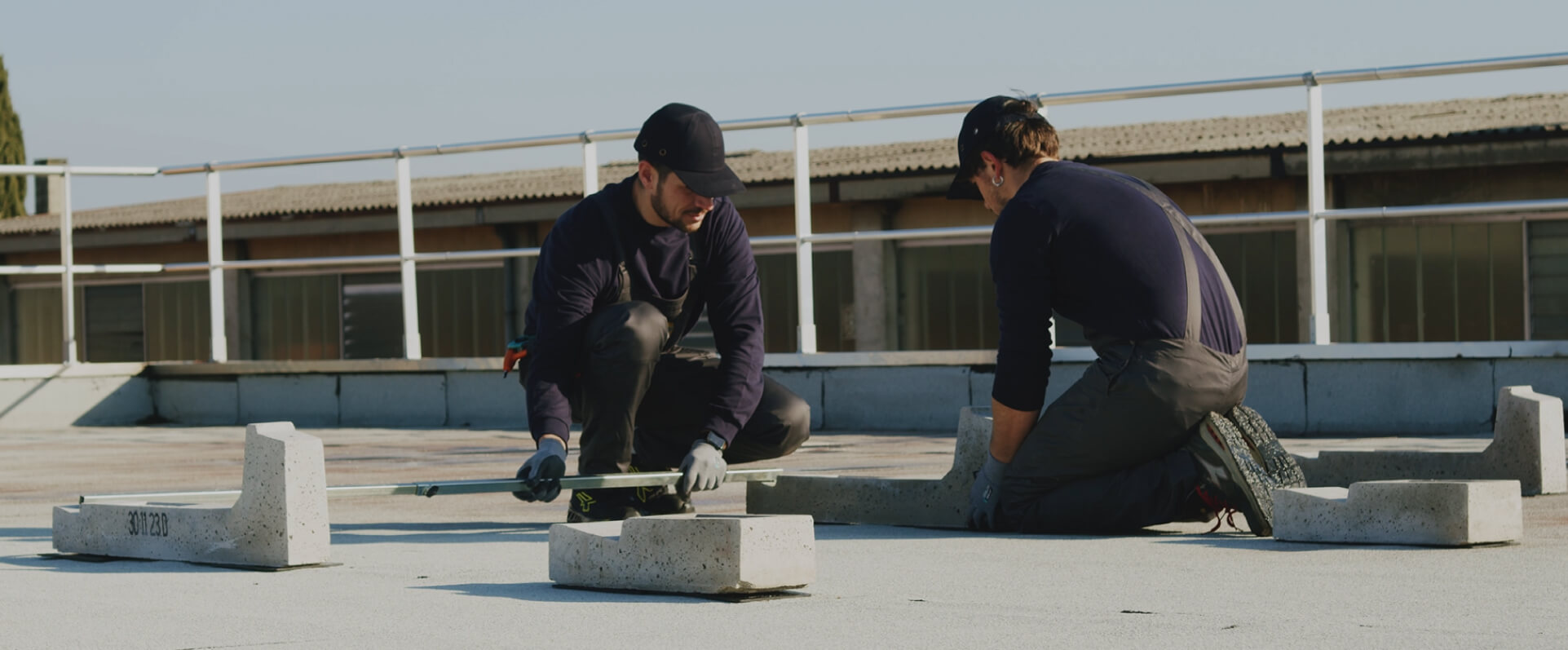
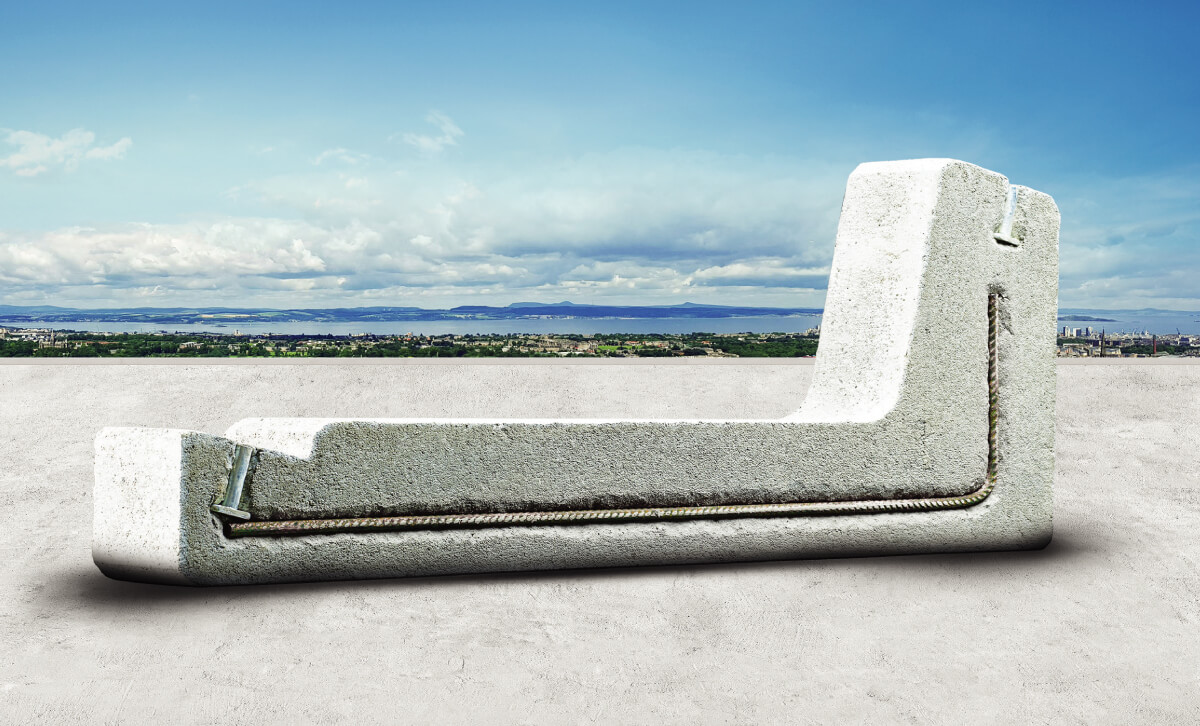
secured with engineered concrete ballast rather than penetrations. For installers, that
translates into fewer steps on site, fewer components to manage, and a cleaner workflow from
delivery to commissioning. For designers and engineers, it means a mounting solution developed
for predictable loads and repeatable results, helping reduce risk during wind-load and
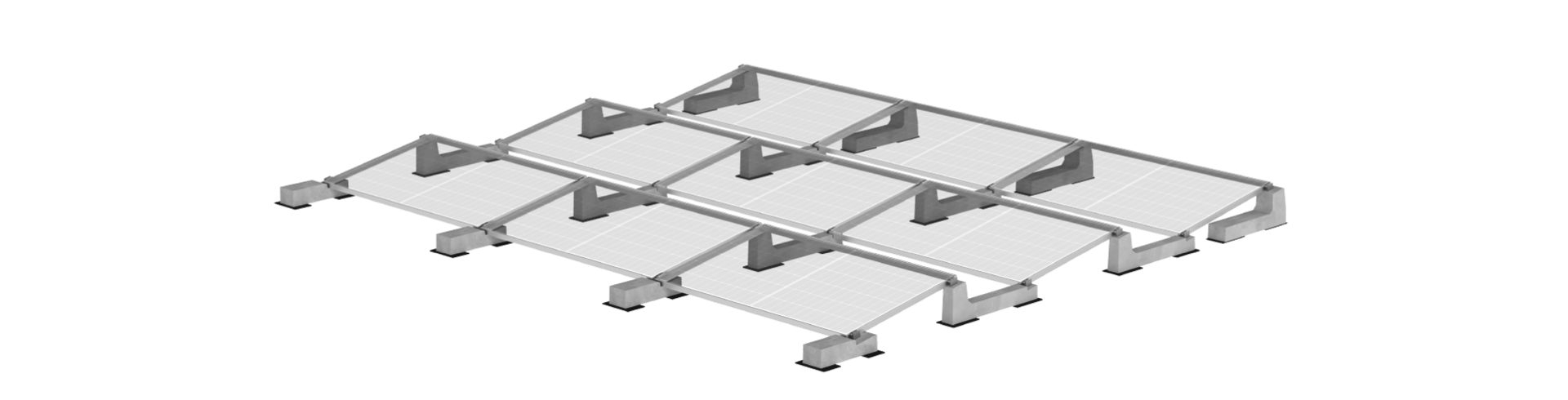
structural checks. A good ballasted PV racking system is not only about “holding modules down”;
it’s about optimizing tilt, spacing, and layout to boost production without turning the roof
into a complex construction project. This approach is especially valuable on commercial
buildings, warehouses, and industrial sheds where downtime is costly and access must stay safe.
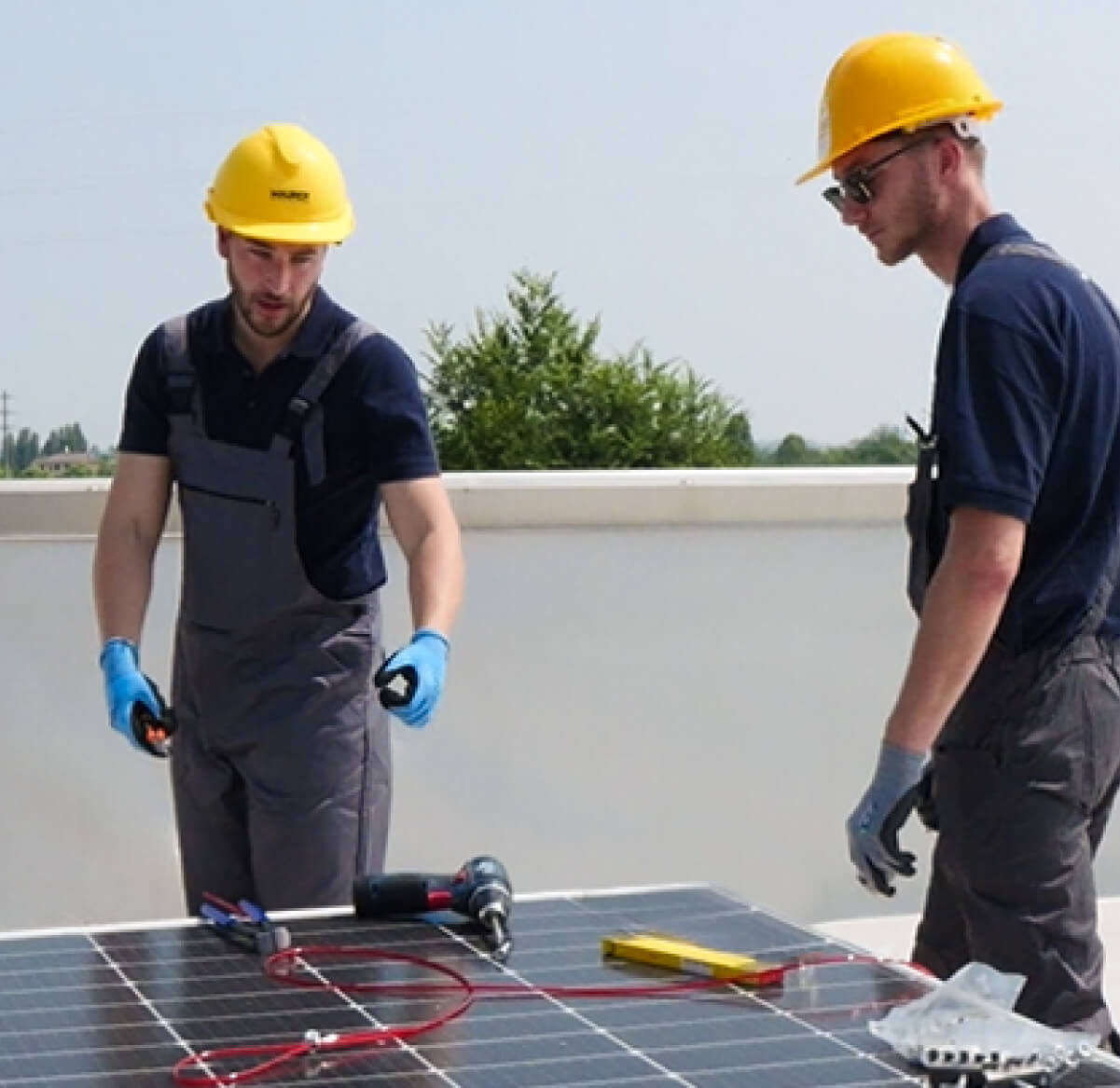
With pre-defined configurations and clear assembly logic, crews can move faster, avoid mistakes,
and keep the roof warranty conversation simple. If your goal is to deliver reliable flat-roof
solar with less hassle, ballasted solar flat roof racking is the practical, field-proven
route—built for speed, stability, and peace of mind on Italian rooftops.
Key benefits: speed, simplicity, and no roof
penetrations
The biggest advantage of a ballasted system is straightforward: no
drilling through the roof. By avoiding penetrations, you reduce leak risks and the time usually
spent on sealing details and inspections. On site, installers appreciate modular parts,
intuitive positioning, and the ability to stage materials efficiently. Many projects also
benefit from flexible tilt angles, allowing you to choose a geometry that balances energy yield,
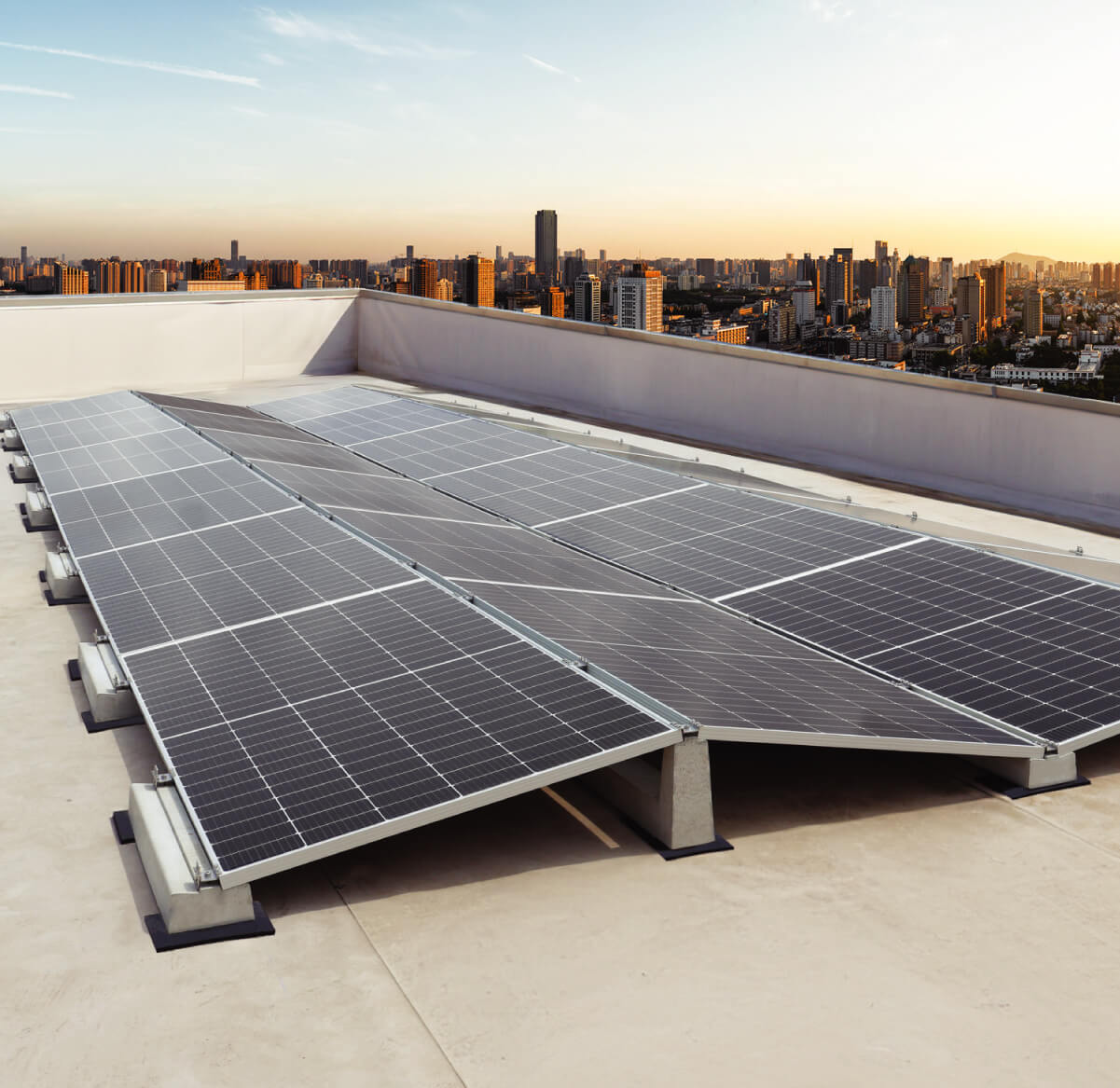
shading management, and rooftop constraints. For flat-roof PV mounting, concrete ballast offers
a robust, durable base that performs well over time, with minimal maintenance and excellent
resistance to weather exposure. From a commercial standpoint, this makes proposals easier to
explain to end clients: a cleaner installation process, fewer unknowns, and a system designed
specifically for flat roofs. When paired with solid documentation, a ballasted solar flat roof
racking solution can streamline approvals and reduce back-and-forth between installer, designer,
and the customer’s facility team—helping you close projects faster and execute with confidence.
Technical support and sizing: make every
project easier
Flat roofs are never “standard”: parapets, drains, HVAC units,
load limits, and wind zones all affect the final layout. That’s why choosing ballasted solar
flat roof racking should also mean getting real technical help, not just hardware. With proper
support, you can size the system accurately, verify ballast requirements, and define the right
configuration for the site—reducing redesigns and last-minute changes on the roof. For
engineering teams, having reliable data simplifies calculations and helps demonstrate compliance
with project specifications. For installers, clear layouts and optimized bill of materials keep
crews productive and prevent missing parts from slowing down the job. If you’re operating in the
Italian market and want a partner-style approach—from early design guidance to project
execution—focus on solutions that combine tested flat-roof racking, concrete ballast stability,
and hands-on technical assistance. It’s the most effective way to deliver safe, efficient
rooftop solar while saving time and cutting operational complexity.