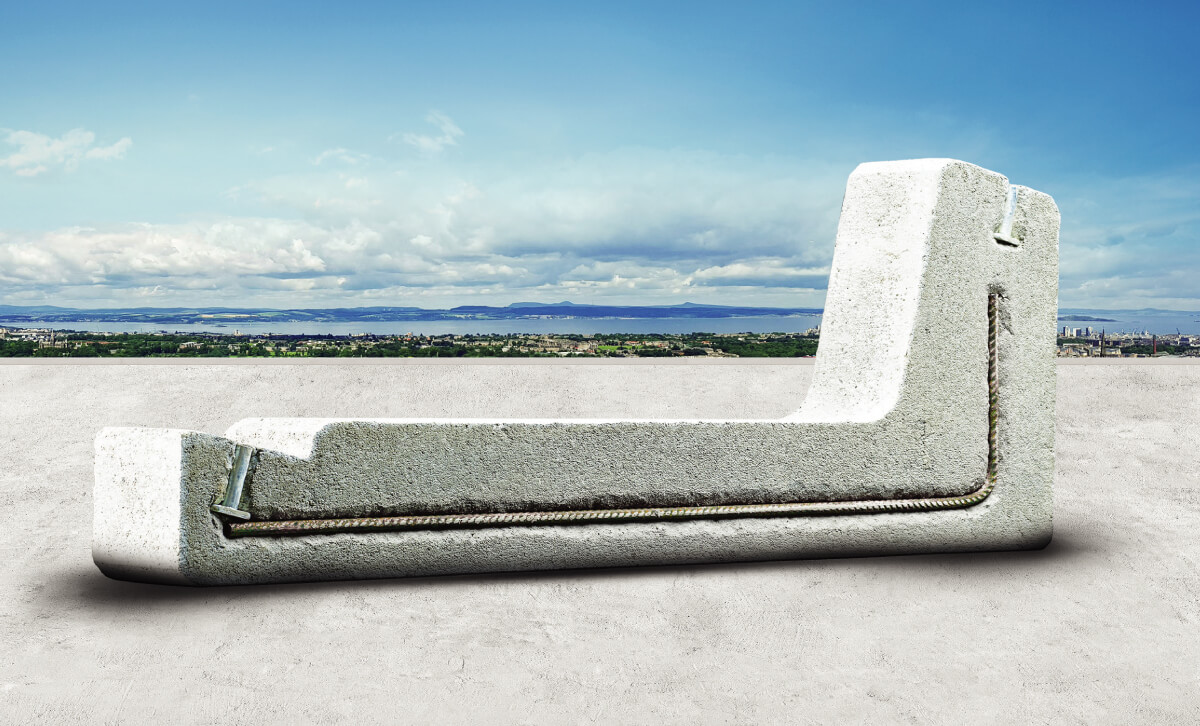
Ballasted Roof Mount Racking: a Smarter Way to
Build PV on Flat Roofs
In Italy, flat-roof photovoltaic projects often face the same
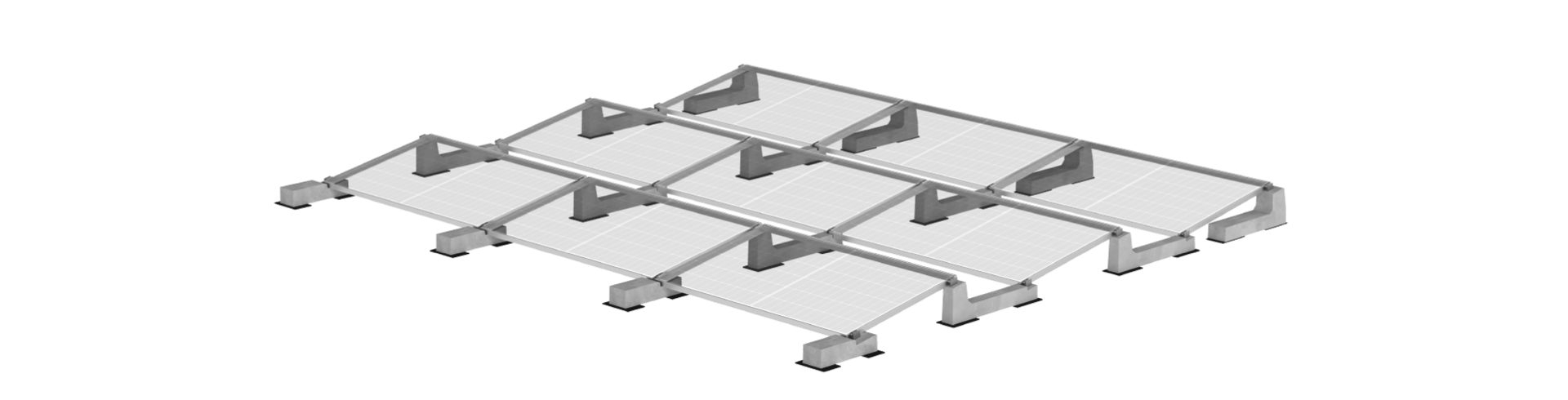
dilemma: install quickly without compromising the roof. Ballasted roof mount racking solves this
by using concrete ballast to secure modules without drilling or penetrating the waterproof
membrane. For installers, that means fewer risks of leaks, fewer on-site surprises, and a faster
workflow with fewer components to handle. For designers and engineers, it means a predictable
structure with reliable load distribution, supporting safer choices in wind and mechanical
calculations. Unlike traditional anchored systems, a ballasted PV mounting system can reduce
installation complexity on industrial rooftops, logistics sites, and commercial buildings where
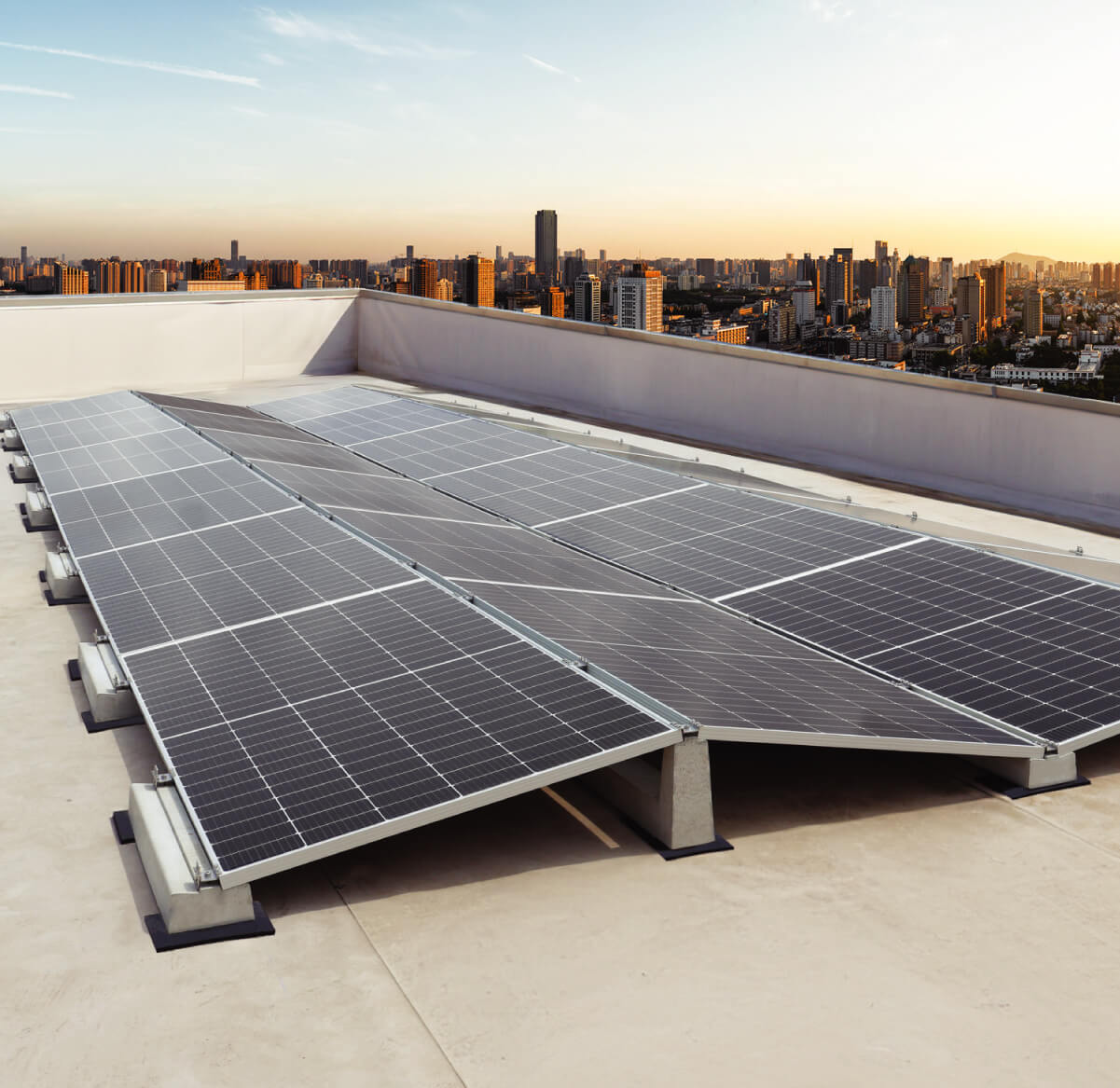
access and downtime matter. The result is a clean rooftop layout, improved jobsite efficiency,
and a solution that fits the realities of Italian flat roofs—where waterproofing integrity,
speed, and long-term durability are non-negotiable. If your goal is to deliver more projects
with less friction, ballasted roof mount racking is a practical foundation for repeatable,
professional installations.
Why Installers Prefer No-Penetration Concrete
Ballast Solutions
Every installer knows the hidden cost of roof penetrations: extra
checks, extra sealing steps, higher liability, and higher chances of callbacks. With ballasted
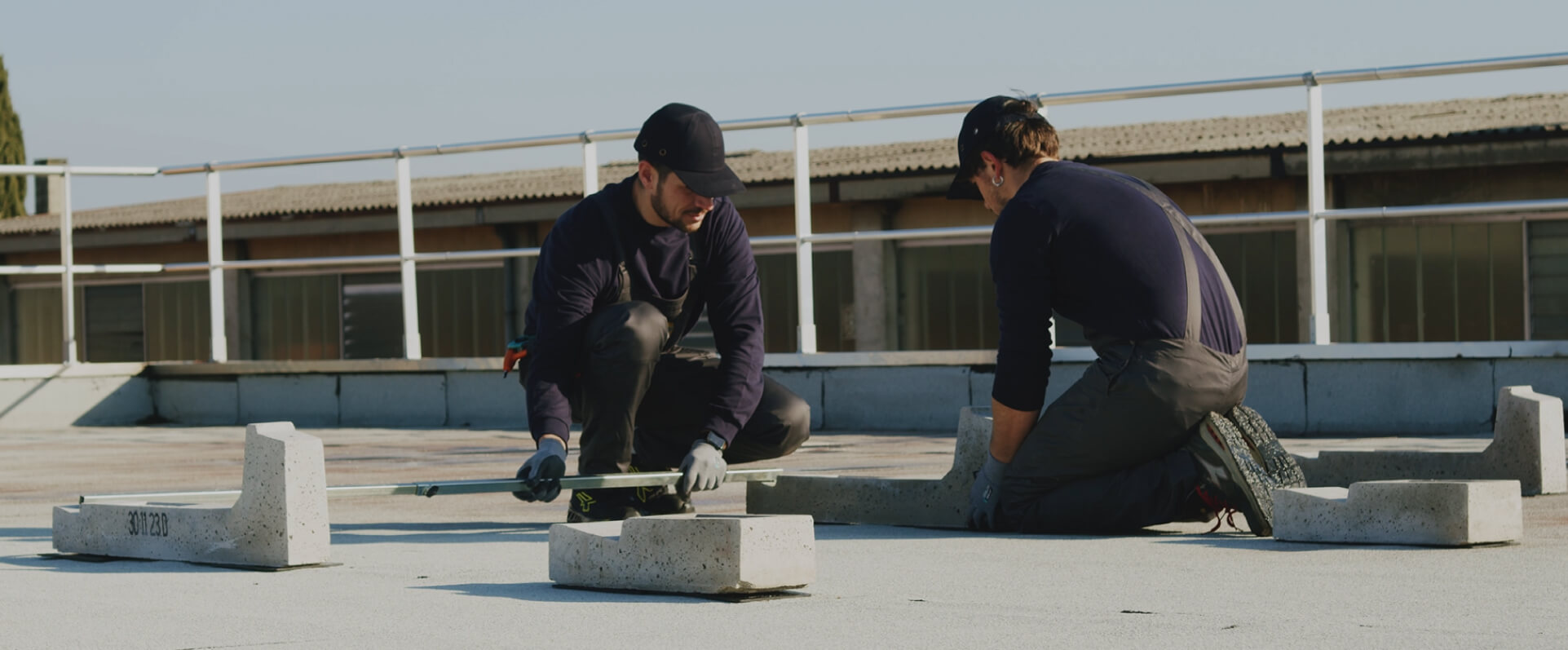
roof mount racking, the core advantage is simple—no holes in the roof. Concrete ballast blocks
provide stability while keeping the waterproof layer intact, helping you avoid time-consuming
anchoring operations and reducing the risk profile of the job. Because the system is designed
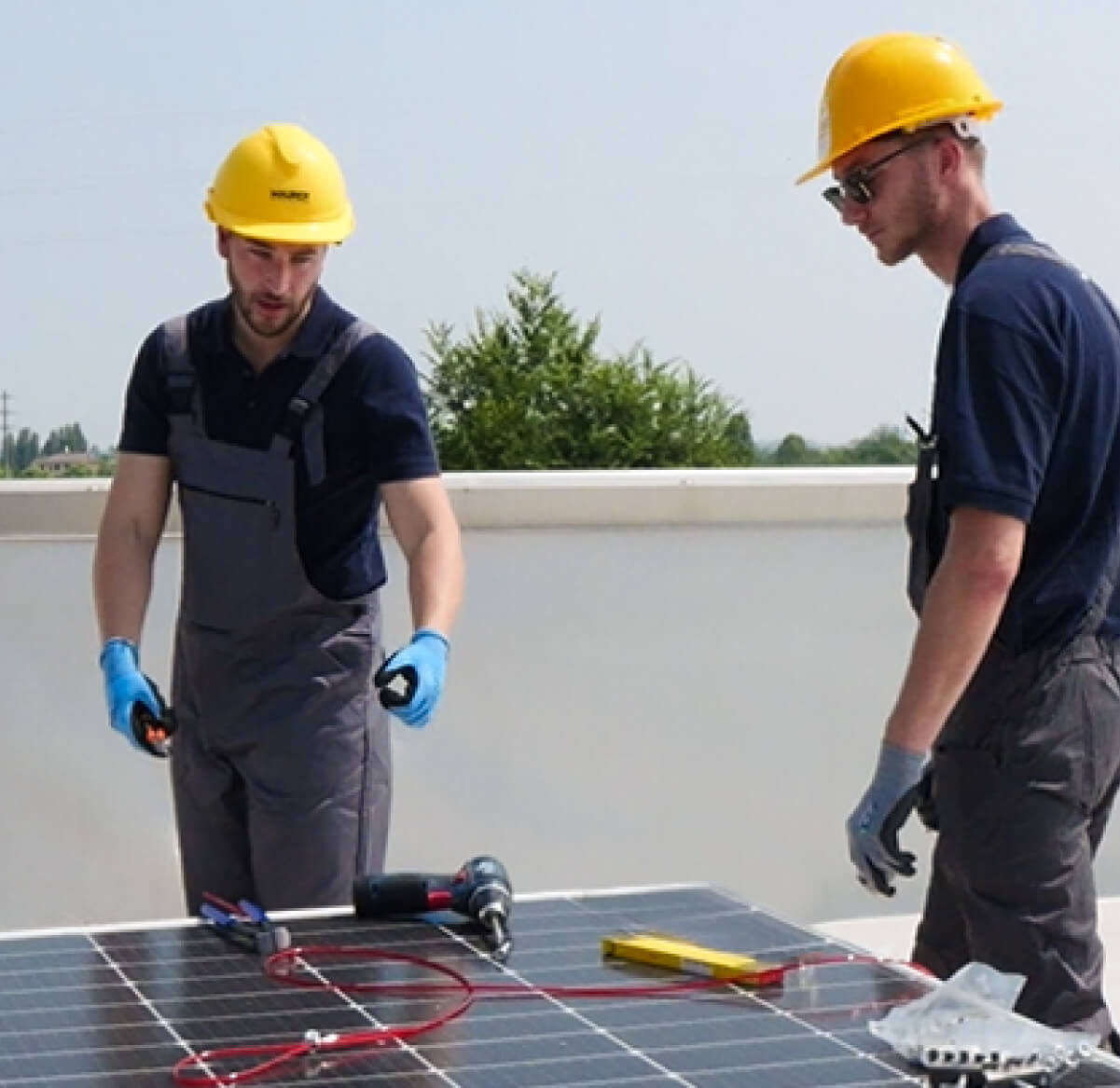
for straightforward assembly, crews can move faster from delivery to commissioning, even on
large flat roofs. Fewer parts and an intuitive layout also mean fewer mistakes and easier
training for new team members. In practice, ballasted mounting is especially valuable when
working on existing buildings, where owners want minimal disruption and where roof warranties
must be protected. If you want to standardize your installation process, increase daily
productivity, and keep the jobsite under control, a ballasted roof mount racking approach
supports all three—without sacrificing strength or stability.
Technical Support and Sizing: Turn a Mounting
System into a Complete Solution
A reliable ballasted roof mount racking project is not only about
hardware—it is about design certainty. Wind exposure, roof loads, module orientation, and row
spacing can quickly turn into complex decisions, especially for engineers responsible for
compliance and safety. Choosing a partner-style approach with technical support during design
helps reduce risk and saves valuable time. Accurate sizing, verified data, and project
assistance up to execution make it easier to deliver consistent results across multiple
rooftops. This is also a strong advantage for distributors: a recognizable flat-roof PV solution
that is easier to explain, easier to quote, and backed by dependable technical documentation.
When concrete ballast systems are engineered for real-world rooftop constraints, they help
professionals meet deadlines, protect roofs, and build long-lasting solar arrays. For your next
Italian flat-roof installation, ballasted roof mount racking is a persuasive choice because it
combines speed, simplicity, and the confidence of a system designed to perform.