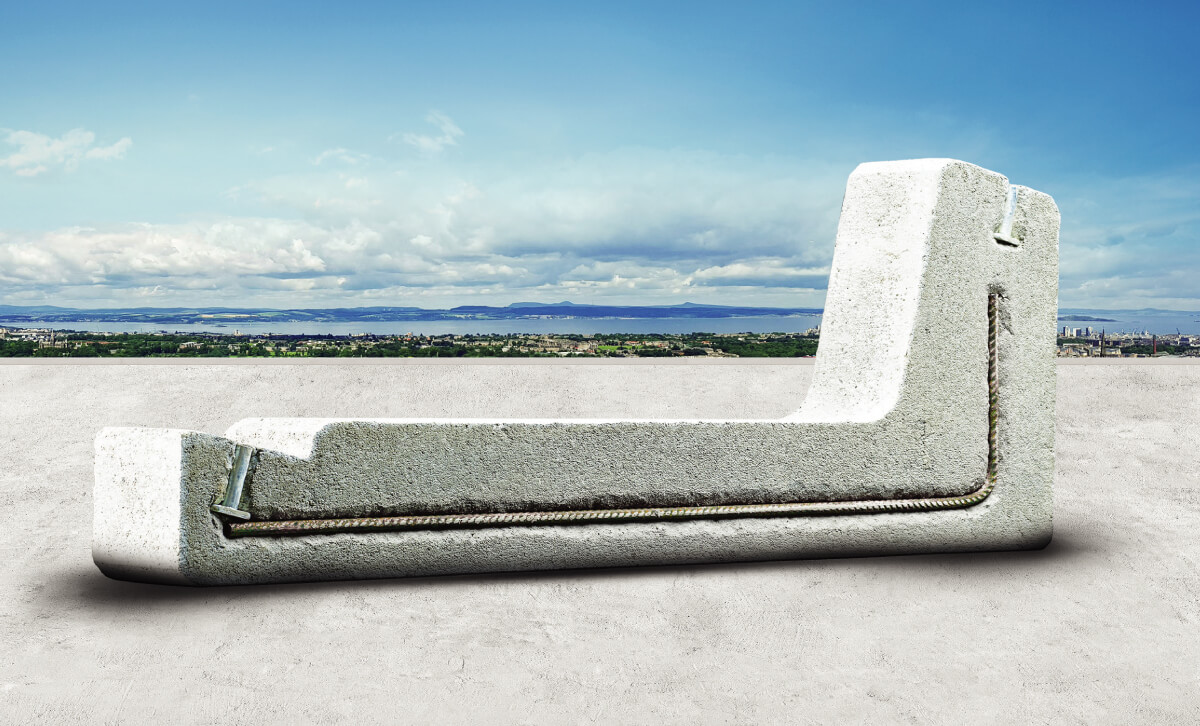
Ballasted racking system for PV: the smart
choice for Italian flat roofs
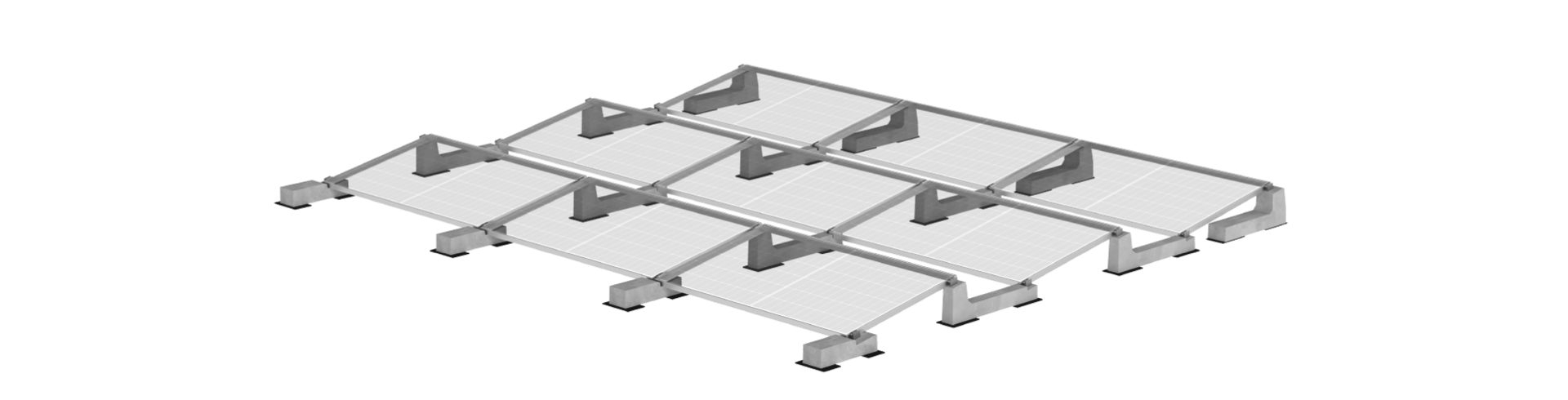
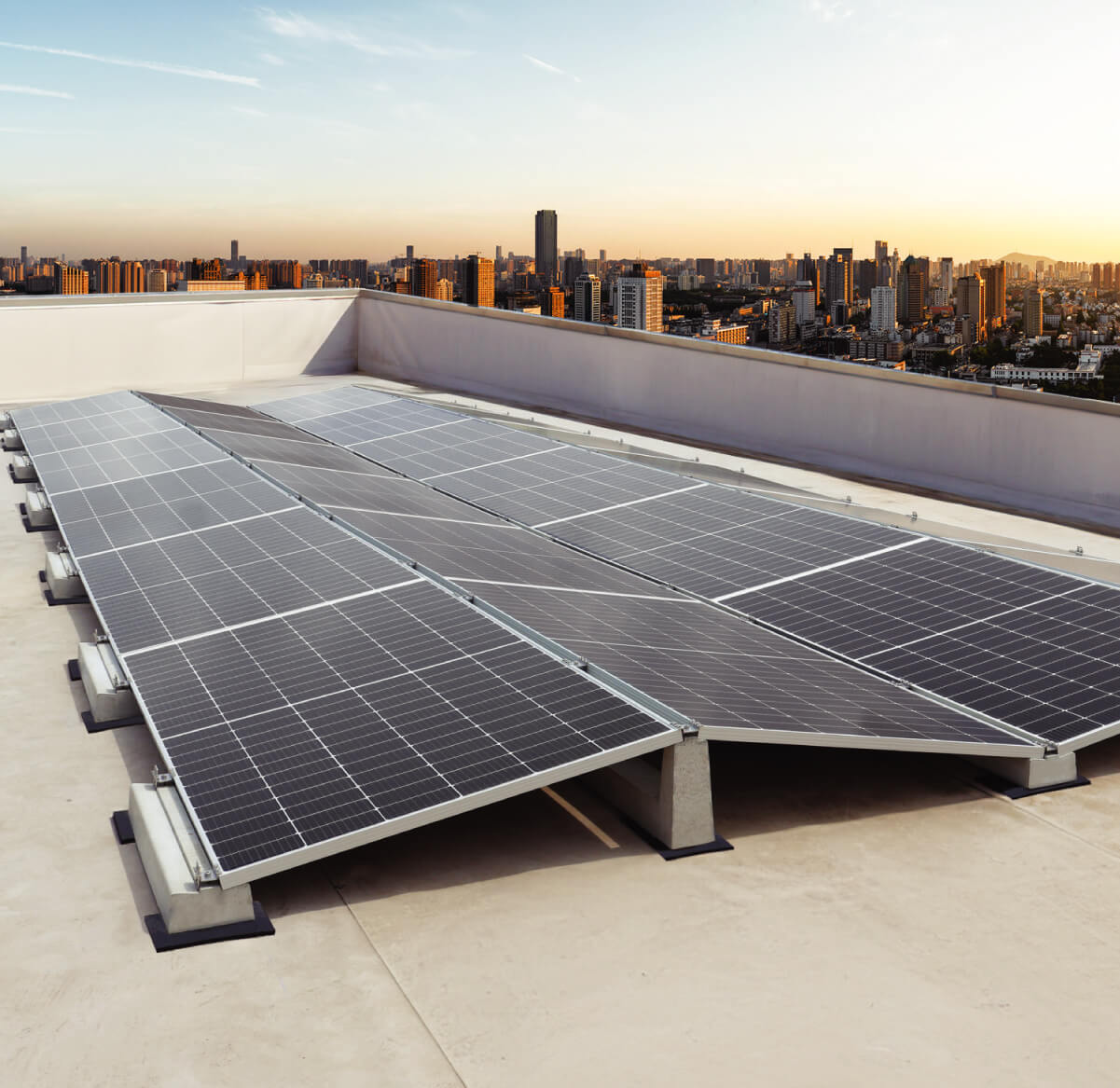
Choosing a Ballasted racking system for PV is one of the fastest
ways to simplify flat-roof solar projects in Italy. Instead of drilling through membranes and
worrying about waterproofing details, installers can rely on concrete ballast solutions that
keep modules stable without roof penetrations. The result is fewer on-site risks, cleaner work,
and shorter installation times—especially valuable when crews need to complete more jobs with
the same resources.
For EPCs and installers, a no-penetration PV mounting approach means less coordination with roof
contractors and fewer unexpected delays. For designers and engineers, it offers a clear path to
safer structural planning thanks to tested configurations and predictable loads. And for
distributors, it’s a product category that’s easy to explain: robust, durable, and optimized for
flat rooftops across commercial and industrial buildings.
In practice, the right ballasted PV racking system reduces components, speeds up layout, and
supports common flat-roof constraints such as limited access, tight deadlines, and the need to
protect existing roofing. If you want a mounting solution that feels straightforward on site—yet
remains technically sound—ballast-based racking is a strong starting point.
Faster installation, fewer complications:
built for installers and EPC teams
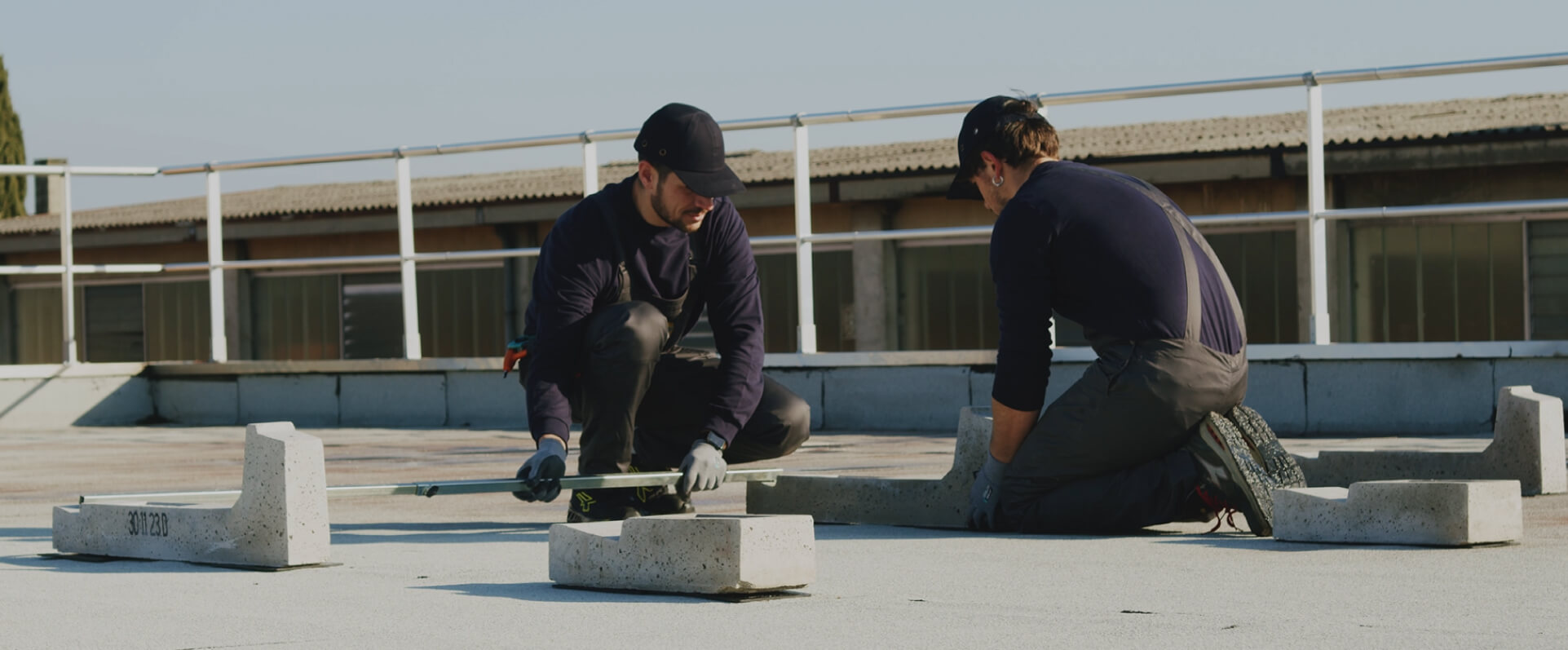
On flat roofs, time is money. A Ballasted racking system for PV is
designed to streamline daily site operations by minimizing hardware, simplifying alignment, and
avoiding mechanical fixings that can slow you down. With ballast-based supports, crews can move
from delivery to assembly quickly, keeping the workflow consistent even on large rooftop arrays.
Because there are no roof penetrations, you also reduce common pain points: sealing checks,
leakage concerns, and post-install inspections tied to fastening points. That translates into
fewer callbacks and a smoother handover. Many systems also allow flexible orientations and tilt
options, helping installers optimize spacing, shading, and maintenance access without
overcomplicating the build.
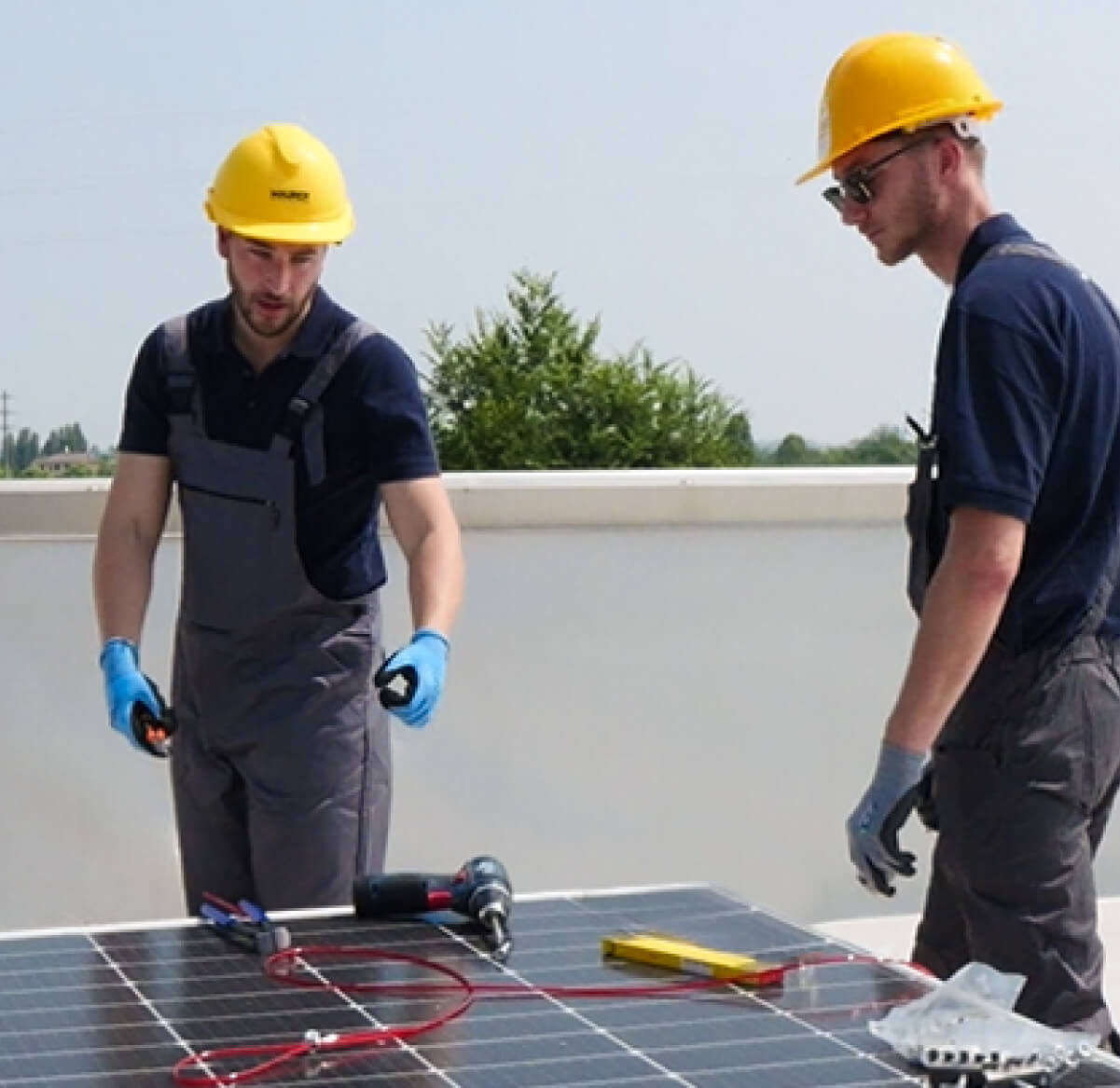
For Italian projects where scheduling is tight and weather windows are limited, a reliable
ballasted PV mounting structure helps you stay on track. Less complexity on the roof means fewer
errors, faster commissioning, and a more predictable installation process—exactly what
professional teams need when scaling operations across multiple sites.
Technical confidence for designers: sizing
support, loads, and long-term reliability
Engineering confidence matters as much as installation speed. A
Ballasted racking system for PV supports design teams with a clearer approach to wind exposure,
roof load distribution, and array stability—key topics for flat-roof photovoltaic systems in
Italy. When racking configurations are tested and based on proven solutions, designers can
reduce uncertainty and improve project documentation quality.
Concrete ballast PV systems are valued for durability and long service life, making them
suitable for commercial rooftops that must remain operational for decades. With proper project
development support—covering layout, system sizing, and build-ready documentation—engineers and
installers can collaborate more efficiently and reduce responsibility-related stress.
If your goal is to deliver PV plants that are quick to install, safe on the roof, and dependable
over time, choosing a well-designed ballasted PV racking solution is a practical step. For
professional B2B teams, it’s not just a product—it’s a complete, buildable approach to flat-roof
solar that helps you reduce risk and move projects forward with confidence.