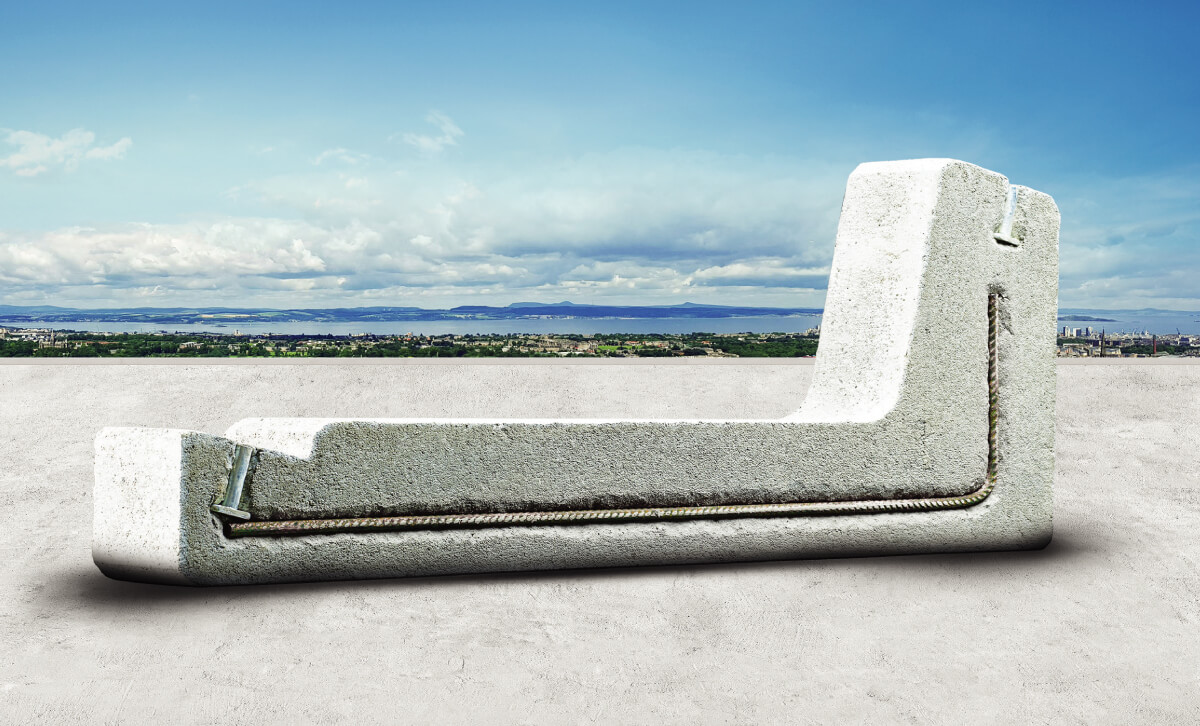
Why a Ballasted PV System Is the Smart Choice
for Flat Roof PV in Italy
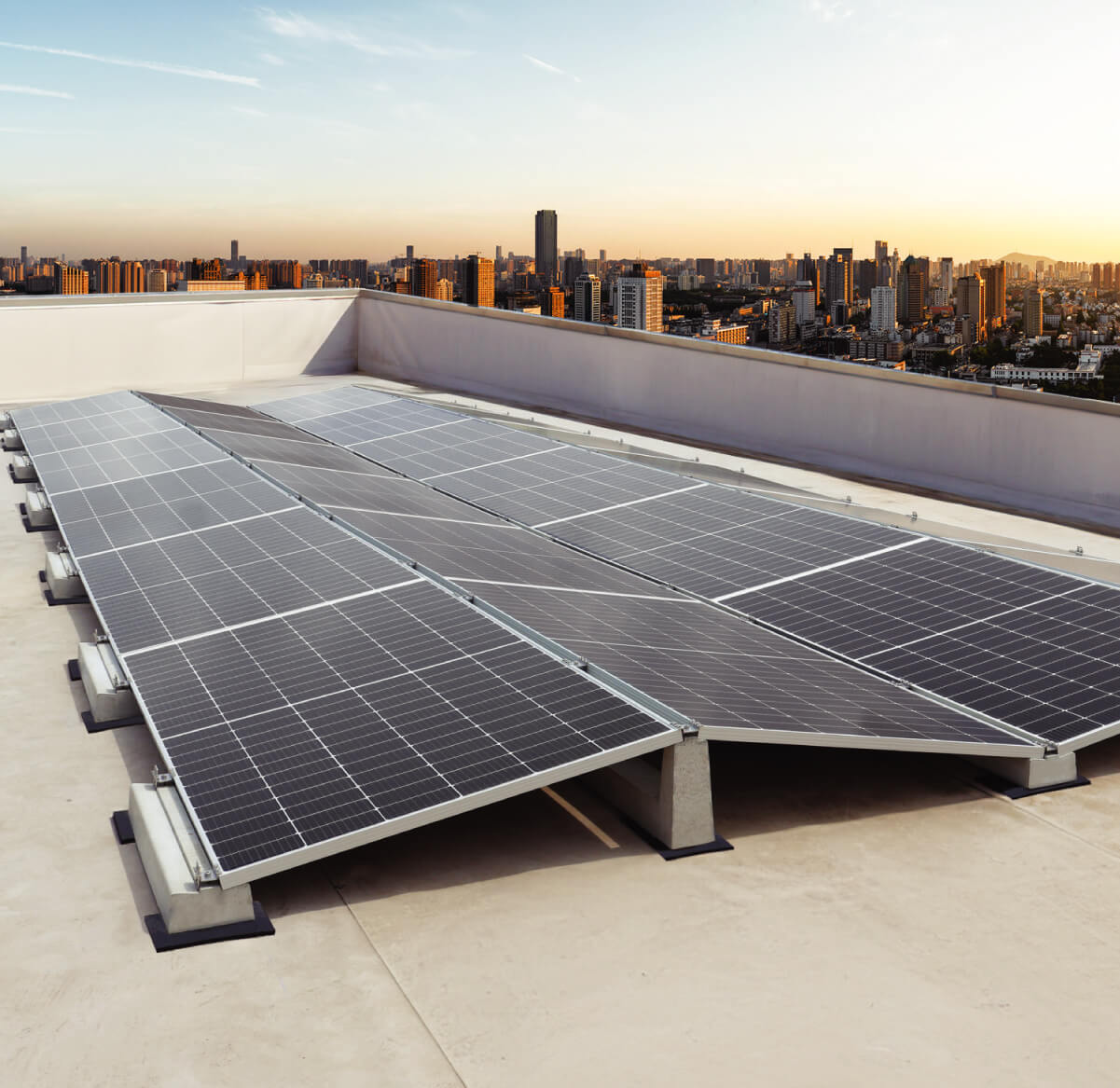
Choosing a ballasted PV system is often the most practical way to
install solar on flat roofs across Italy, especially when you want speed, safety, and minimal
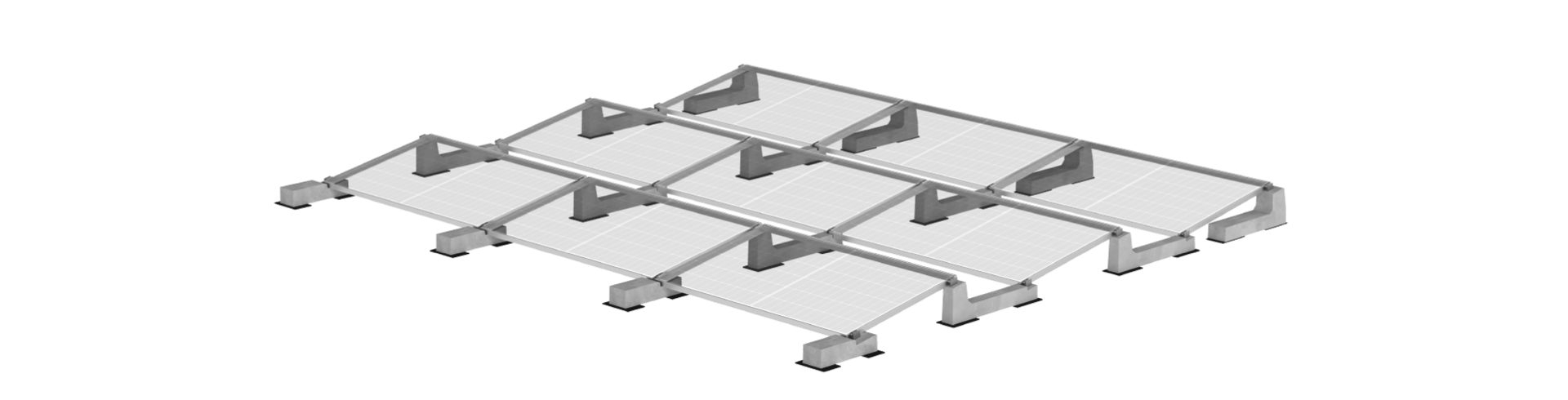
site risk. Unlike penetrative mounting solutions, a ballasted approach uses weight and
engineered geometry to keep modules stable without drilling into the roof membrane. That means
fewer waterproofing concerns, less disruption for building owners, and a cleaner installation
workflow for crews. For PV installers, the benefit is immediate: fewer parts to manage, faster
positioning on the roof, and a straightforward layout that reduces errors under time pressure.
For designers and engineers, a ballasted PV system can simplify decision-making thanks to
pre-defined configurations, repeatable assembly, and clear technical inputs for wind uplift,
roof load distribution, and tilt selection. This is particularly valuable on industrial
buildings, logistics hubs, and commercial properties where downtime and roof integrity matter.
With the right concrete ballast solution, you can also optimize spacing, row alignment, and
cable routing while keeping maintenance access in mind. In short, a well-designed ballasted PV
system supports reliable performance, protects the roof, and helps teams deliver projects on
schedule—without compromising on structural confidence or long-term durability.
Faster Installation, Fewer Headaches: Built
for Installers
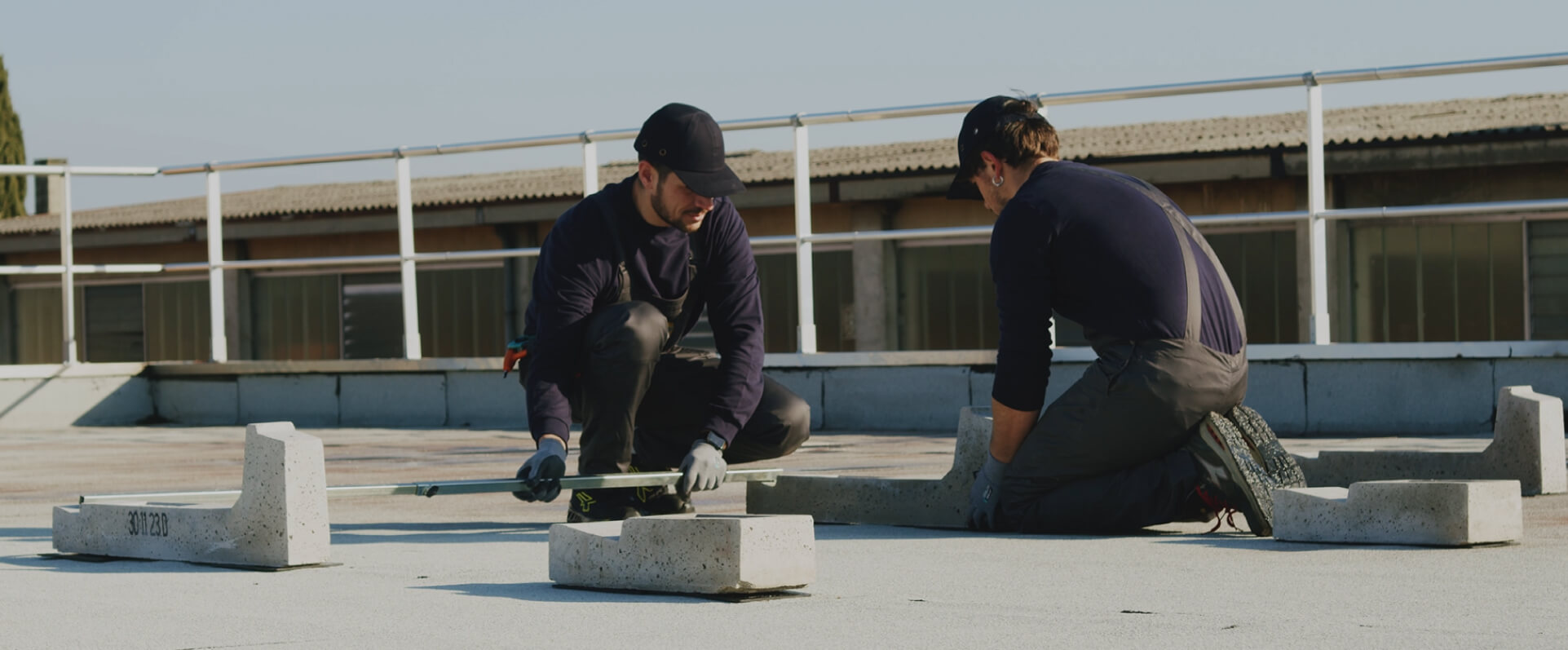
On site, time is money. A ballasted PV system tailored for flat
roofs is designed to cut installation time by reducing component count and eliminating complex
roof anchoring steps. With no penetrations required, you avoid drilling, sealing, and the
typical coordination issues that come with roofing warranties. The result is a faster, cleaner
workflow: place the supports, align the modules, secure the system, and move on. This approach
is especially persuasive for crews handling multiple rooftops, tight deadlines, or variable roof
conditions. Fewer specialized tools, fewer failure points, and simpler logistics also translate
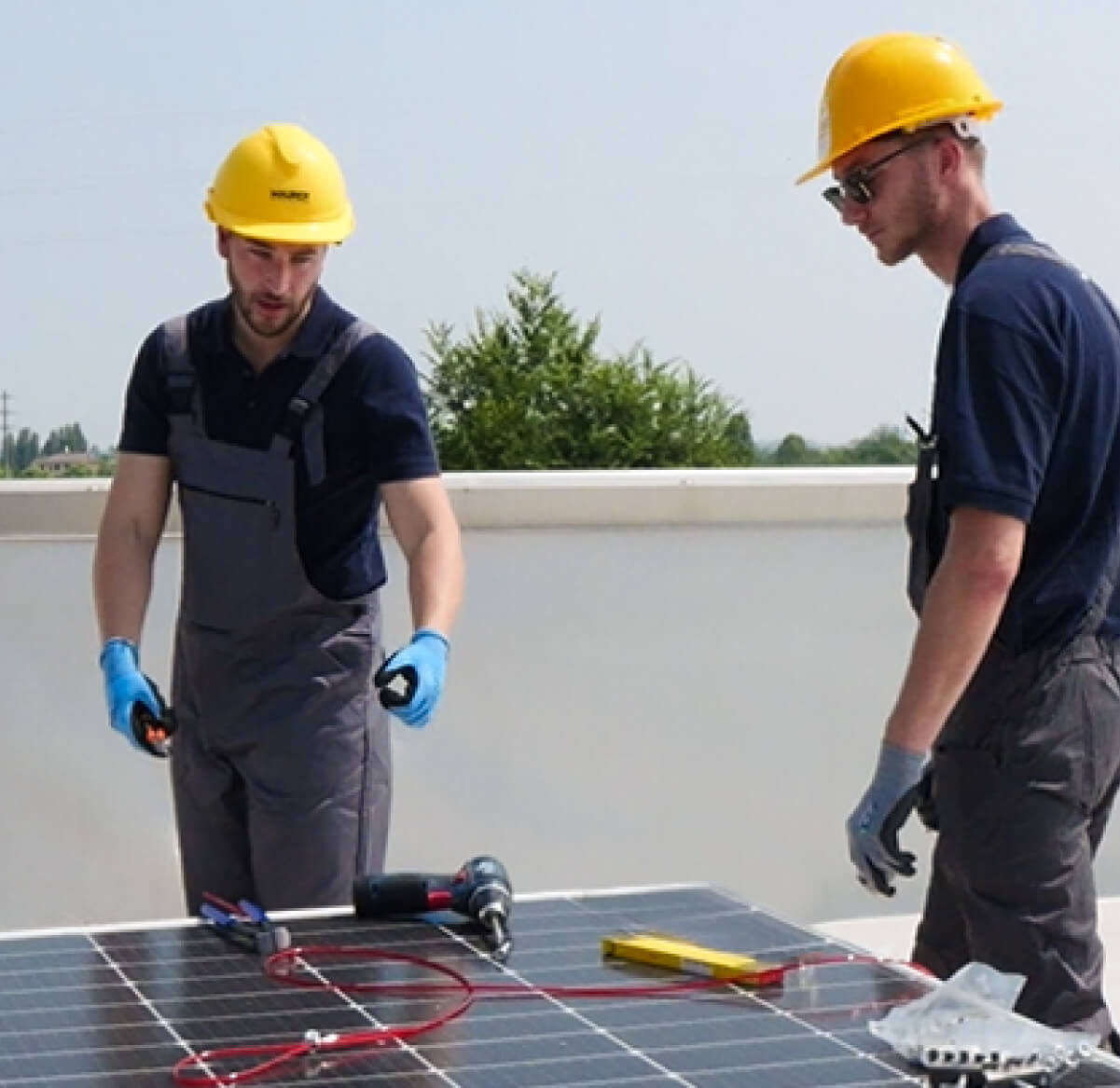
into lower risk during commissioning. Installers benefit from an intuitive system that helps
standardize repeatable setups, making training easier and quality more consistent across teams.
Whether the job calls for a low-tilt layout, optimized orientation, or a solution that respects
parapets and obstacles, a ballasted PV system can be configured to match the roof’s constraints
while keeping stability front and center. When you can deliver a robust structure with less
complexity, your margin improves—and your reputation does too.
Technical Support and Reliable Sizing for
Engineers and Distributors
For technical offices and distribution partners, the real
advantage of a ballasted PV system is predictability: tested solutions, dependable data, and
support that helps projects move from concept to execution. Wind loads, ballast requirements,
and roof bearing capacity are not areas where anyone wants uncertainty—especially in a market
like Italy, where conditions vary by region, altitude, and building type. A proven ballasted PV
system provides a clearer path to correct dimensioning, reducing design risk and helping
professionals document decisions with confidence. From preliminary layouts to final
configuration, technical assistance can speed up approvals and prevent costly redesigns.
Distributors also benefit because a recognizable, easy-to-explain solution is simpler to stock
and sell: it answers common objections (roof penetrations, installation time, reliability) with
a straightforward value proposition. If your goal is to deliver flat-roof PV that is safe,
durable, and quick to deploy, choosing a ballasted PV system is a strategic move—one that
supports installers in the field and engineers at the desk, while meeting the growing demand for
efficient rooftop solar in Italy.