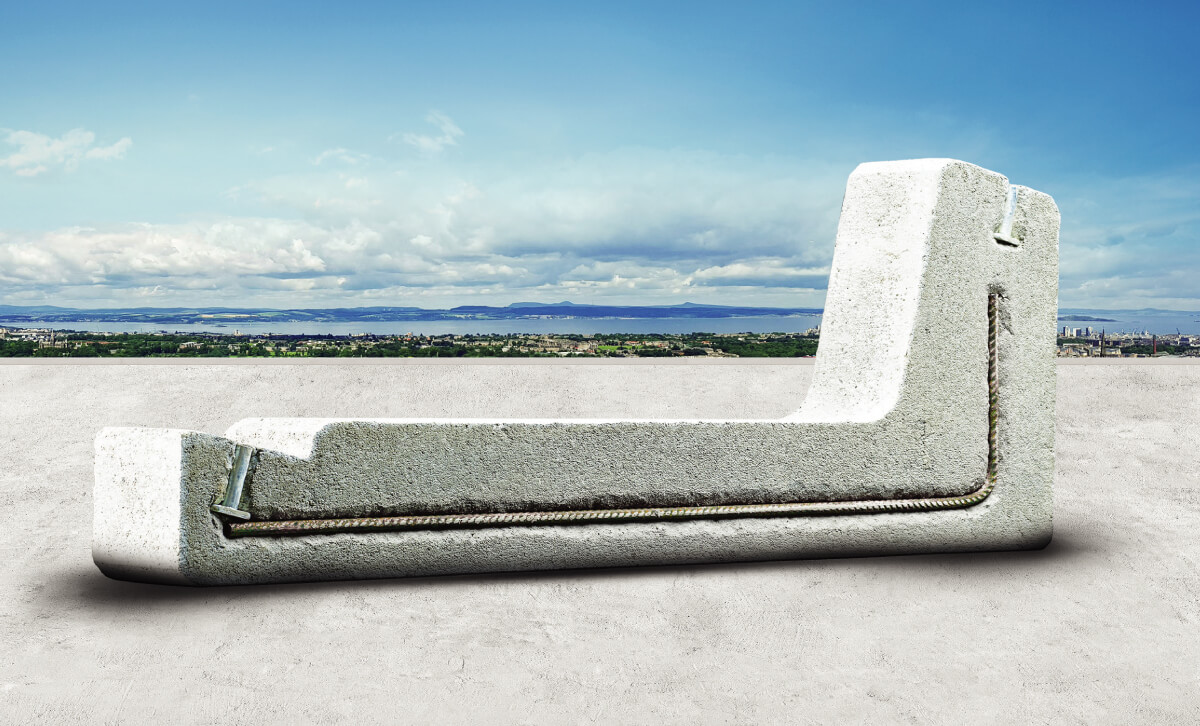
Ballasted PV Panels: the Fastest Route to
Flat-Roof Solar in Italy
In Italy’s commercial and industrial solar market, speed and roof
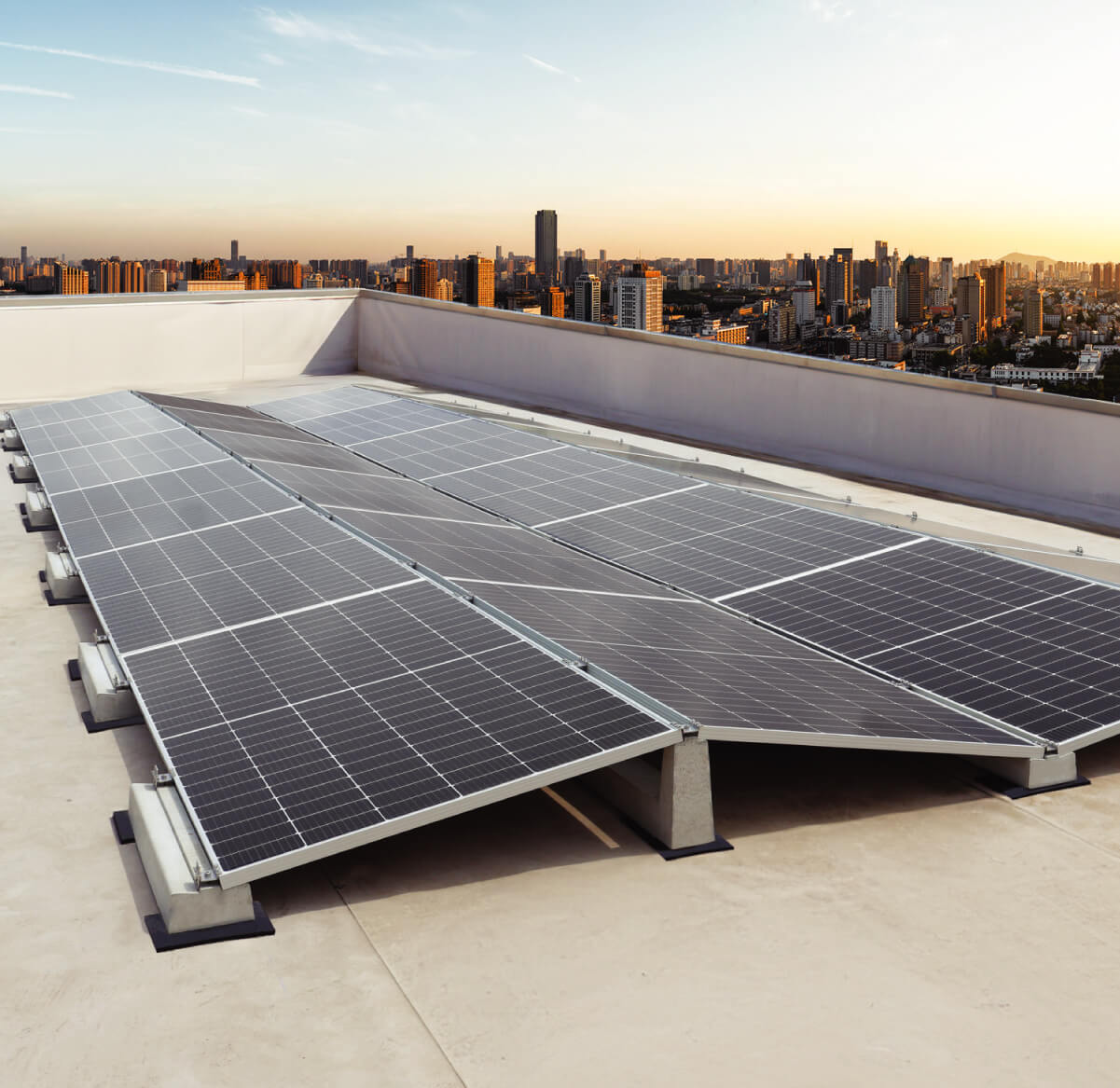
safety matter. Ballasted PV panels are a smart solution for flat roofs because they let you
install photovoltaic modules without penetrating the waterproof membrane. That means fewer risks
of leaks, fewer approvals, and less time spent managing complex roof details on site. For
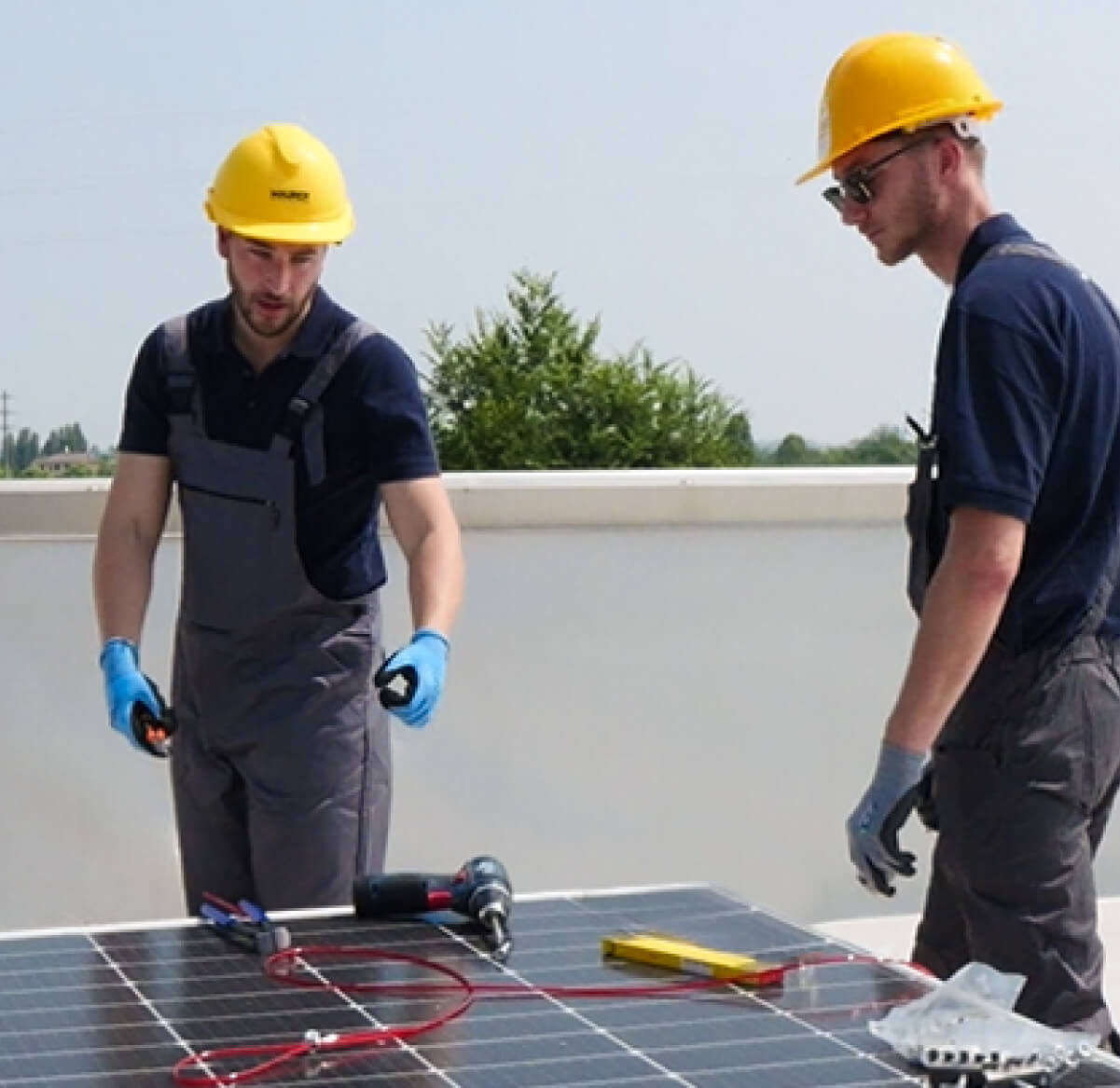
installers, the benefit is immediate: a simpler mounting approach with fewer components to
handle, quicker layout, and a cleaner workflow from delivery to commissioning. For designers and
engineers, ballasted systems make it easier to manage project constraints by working with
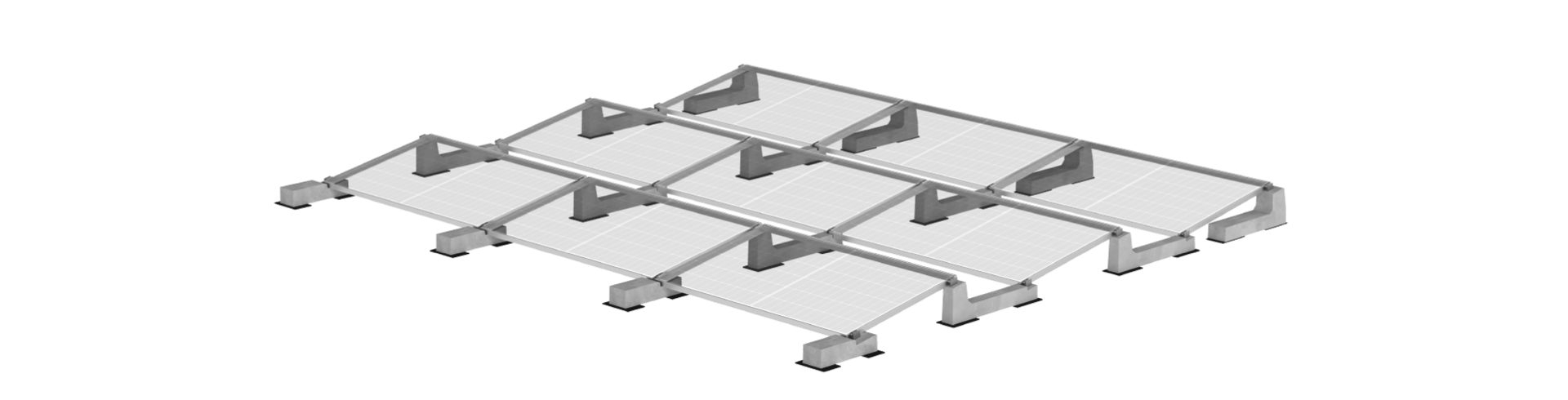
controlled loads and proven structural concepts. Instead of drilling and anchoring, the system
relies on concrete ballast to provide stability, helping reduce operational complexity and
potential liability tied to roof fixings. Whether you are working on warehouses, logistics hubs,
or large retail roofs, ballasted PV panels support a reliable, repeatable installation
method—especially where the client wants minimal disruption and maximum safety. With the right
design assistance, you can align module tilt, row spacing, shading management, and wind exposure
requirements to your specific site conditions. The end result is a flat-roof PV plant that is
efficient, tidy, and built for long-term performance in real Italian weather conditions.
No Roof Penetrations: Lower Risk, Cleaner
Sites, Happier Clients
A key advantage of ballasted PV panels is the no-penetration
installation. Avoiding roof holes can dramatically reduce the chance of water ingress and the
downstream costs of inspections, sealing, and maintenance call-backs. This is especially
valuable on existing flat roofs where the membrane is aging, warranties are strict, or downtime
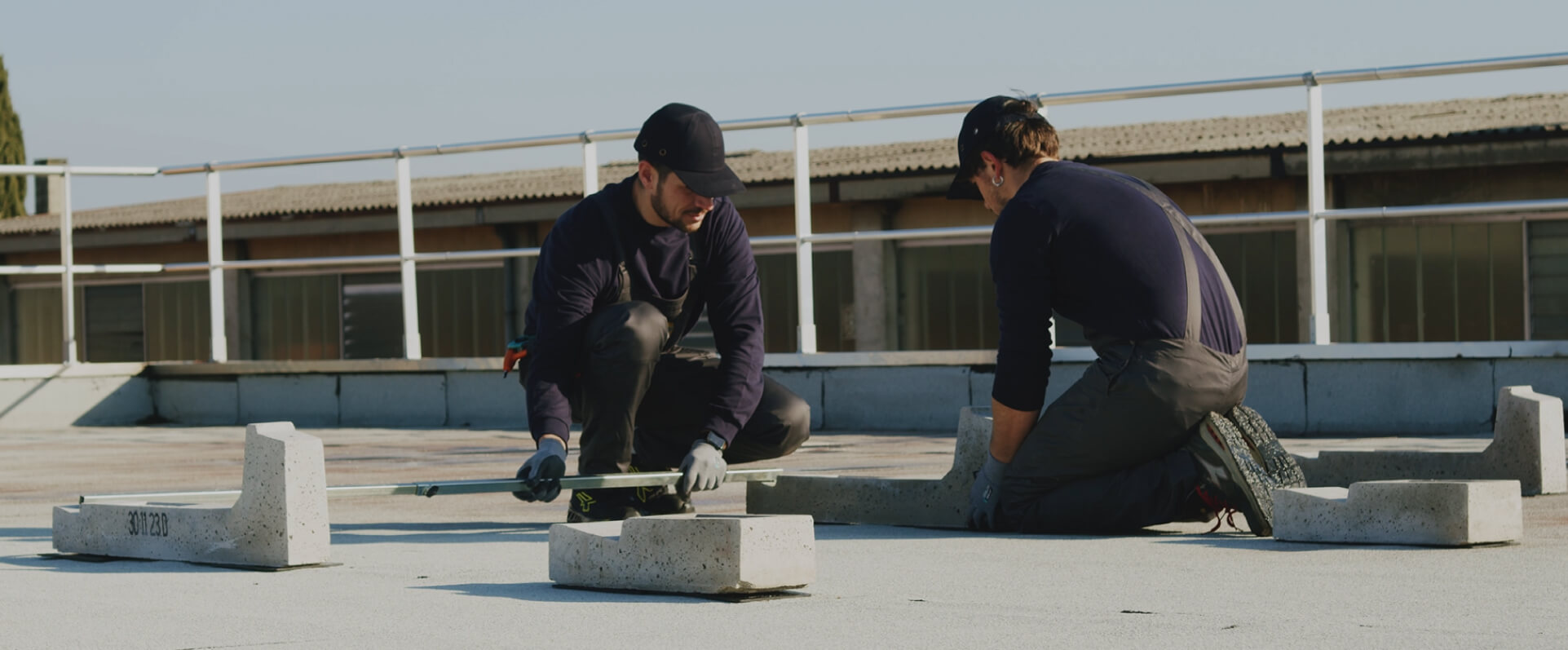
is expensive. For PV installers, a ballasted mounting strategy also improves jobsite efficiency:
less drilling equipment, fewer fixing accessories, and simpler logistics. Because the structure
is designed around ballast blocks, the system can be organized quickly, keeping crews focused on
alignment and electrical work rather than structural improvisation. Terms you’ll often evaluate
in these projects include wind uplift resistance, roof load distribution, module orientation,
tilt angle, and drainage compatibility. When these factors are considered upfront, ballasted PV
panels become a dependable choice for professional-grade installations in Italy—supporting
predictable timelines and consistent quality from one site to the next.
Built for Professionals: Technical Support,
Sizing, and Project Confidence
Choosing ballasted PV panels is not only about the hardware—it’s
about delivering a complete, professional result. Installers want a solution that minimizes
surprises in the field, while engineers need trustworthy data for sizing and verification.
That’s why the best ballasted solutions come with strong technical guidance: help during the
design phase, system dimensioning, and commercial assistance that follows the project from
concept to execution. With experienced support, you can assess site exposure, optimize layout,
and select configurations that balance energy yield with structural requirements. This approach
reduces risk, speeds up decision-making, and improves coordination between installer, designer,
and distributor. For Italian B2B projects, that “technical partner” mindset is what turns a
mounting system into a competitive advantage. If your goal is to deliver flat-roof PV plants
faster, with fewer roof-related issues and a robust, tested setup, ballasted PV panels are a
persuasive choice—practical on site, reassuring on paper, and efficient in the long run.