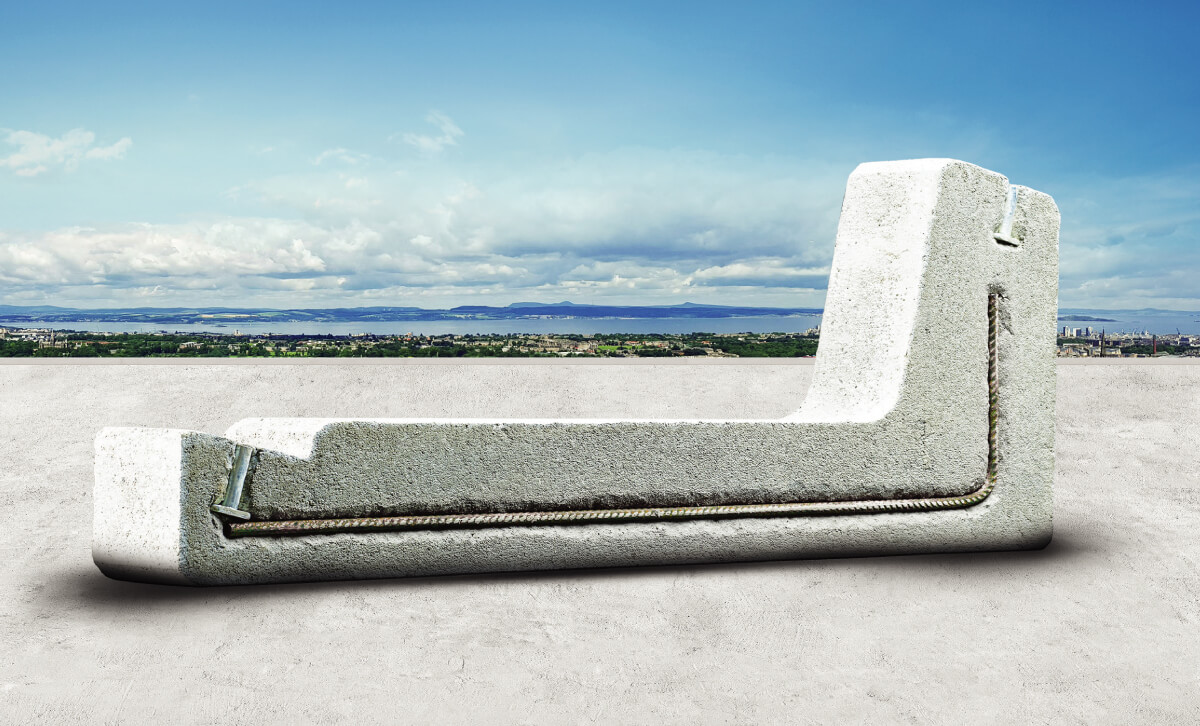
Why a Ballasted PV Mounting System Is a Smart
Choice for Flat Roofs
Choosing the right ballasted PV mounting system can make or break
a flat-roof solar project in Italy. Installers and designers often face the same headaches: long
assembly times, too many small components, and the constant worry of roof penetrations causing
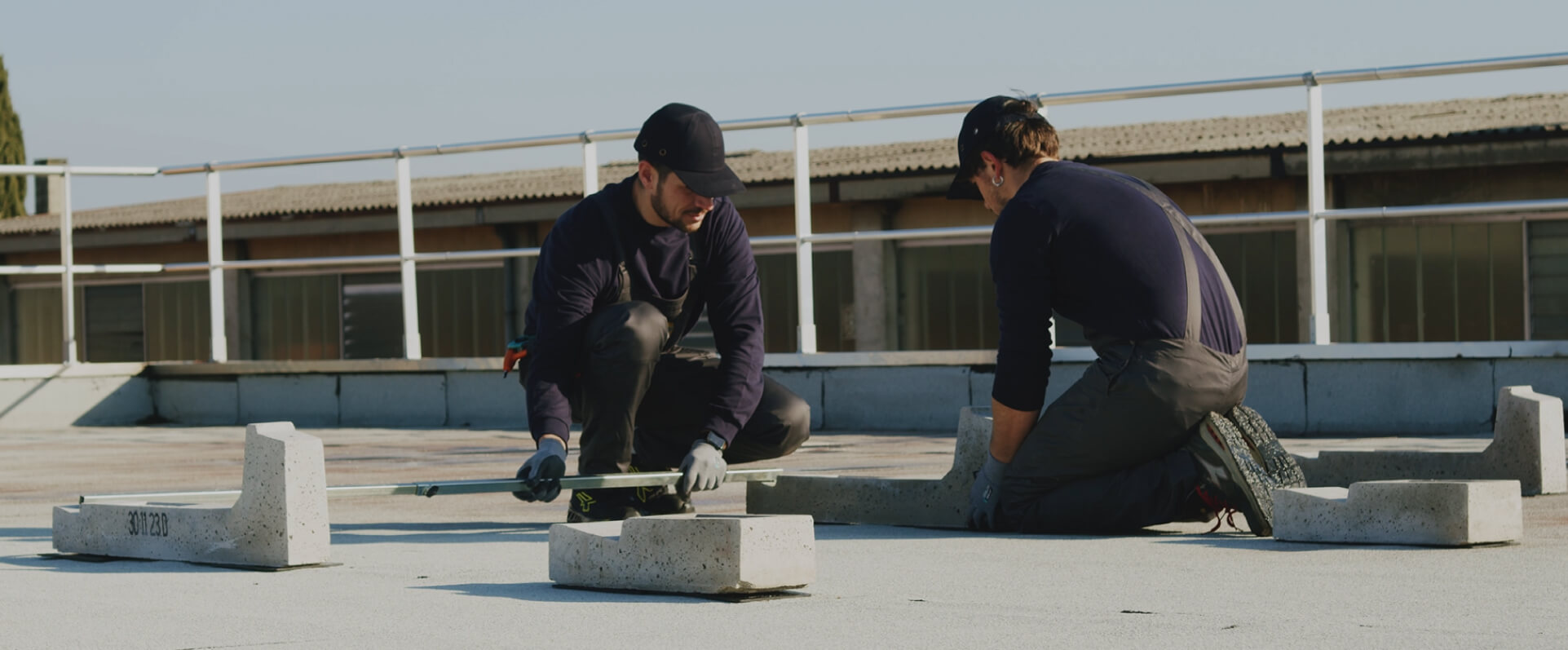
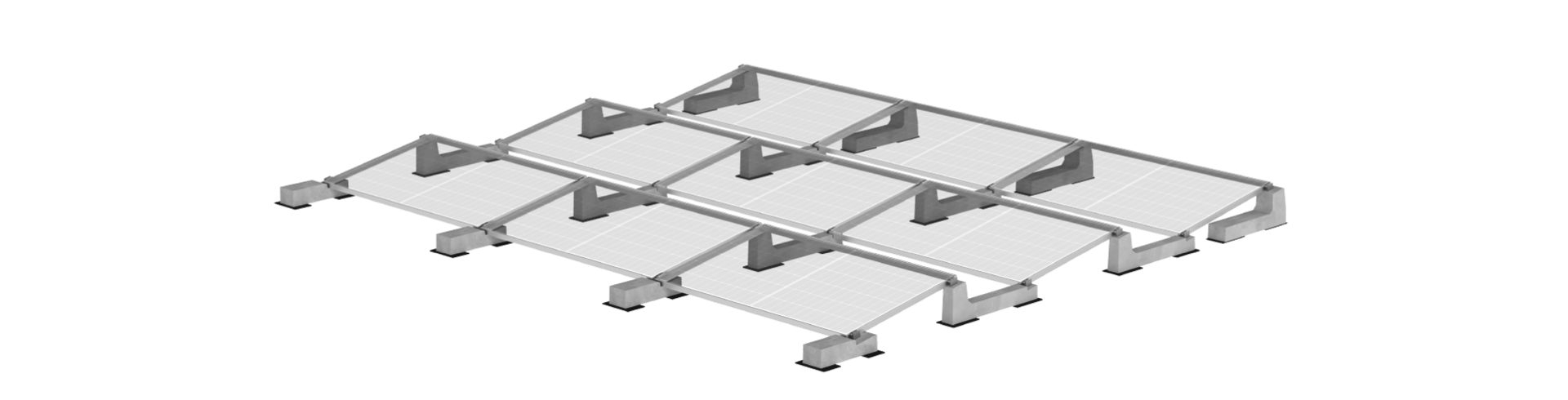
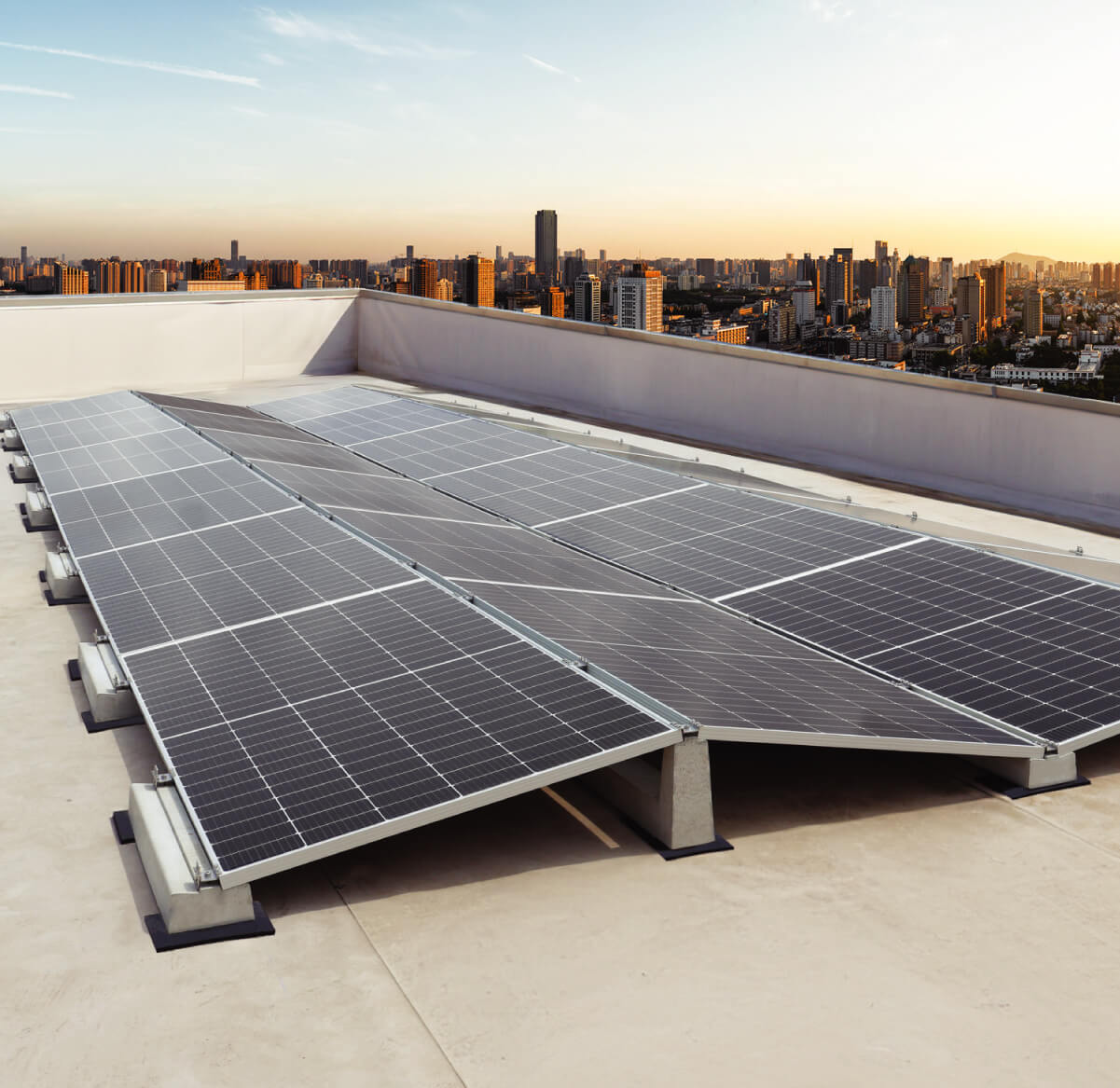
leaks or callbacks. A concrete-ballast solution changes the game because it secures photovoltaic
panels without drilling into the roof membrane. That means fewer risks during installation, less
disruption on site, and a cleaner path from design to commissioning.
For professionals, the real value is practical: faster workflows, predictable logistics, and a
mounting structure that feels intuitive even under tight deadlines. Because the system relies on
weight and engineered geometry, it can be ideal for many commercial rooftops where preserving
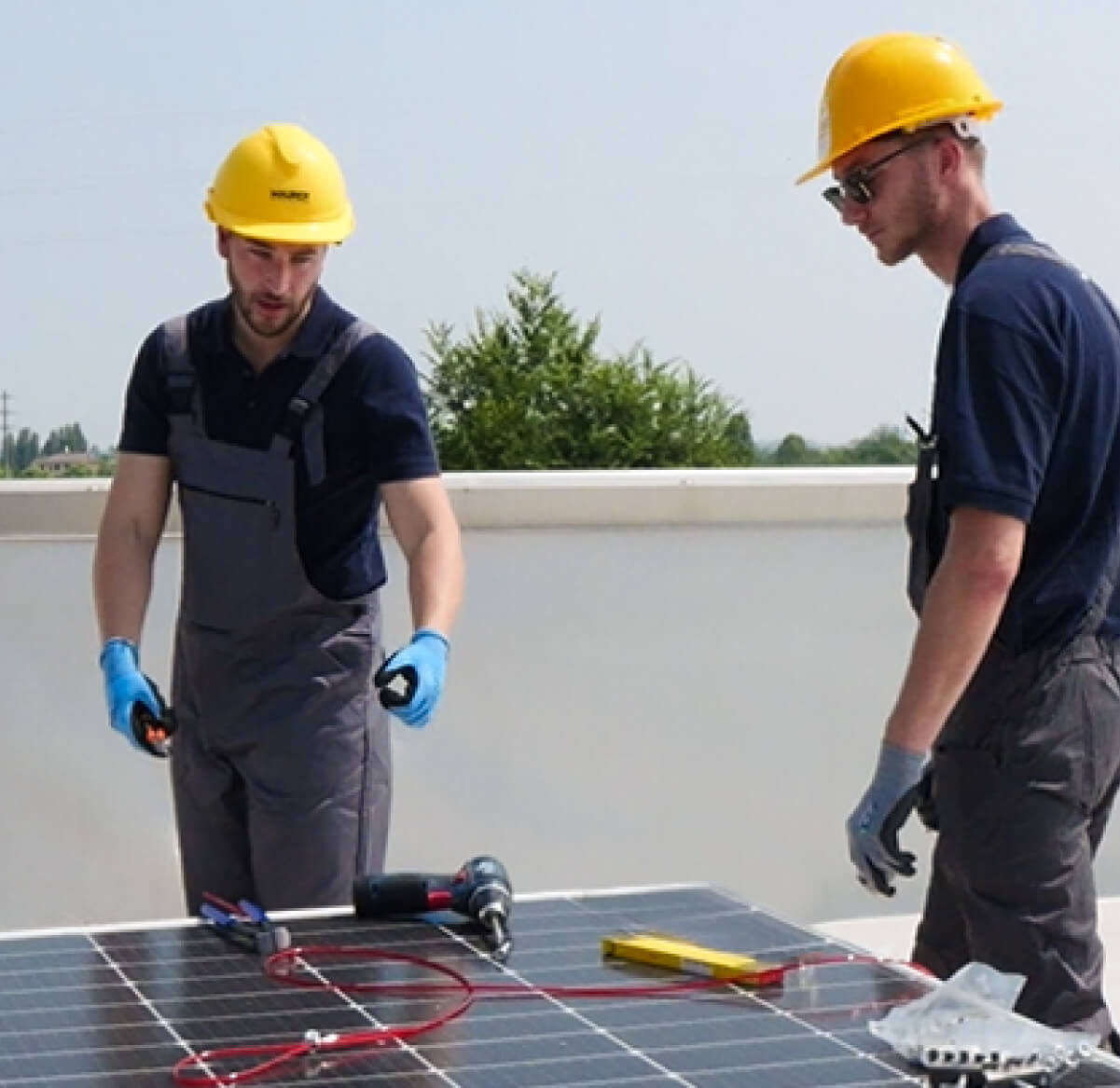
waterproofing is a top priority. With fewer fastening operations, teams can reduce labor hours
and keep crews focused on panel placement, cable management, and overall quality.
A well-designed ballasted PV mounting system also supports consistent results across multiple
sites, which is essential for B2B operators managing portfolios of buildings. When every roof is
different, a solution that simplifies installation while keeping performance and safety at the
forefront becomes a strong competitive advantage.
Performance, Safety, and Faster Installation
for Installers and Designers
For PV installers, speed matters—but not at the expense of
reliability. A ballasted PV mounting system built around precast concrete weights helps reduce
on-roof complexity: fewer parts to assemble, fewer fixings to align, and fewer opportunities for
mistakes. This translates into quicker installs and smoother handovers, especially on large flat
roofs such as warehouses, logistics hubs, and industrial buildings.
For engineers and technical offices, the key is confidence. Wind uplift, roof loads, and layout
optimization are not optional details; they define project responsibility. That’s why technical
support and dependable sizing data are crucial when selecting a flat-roof solar racking
solution. With tested configurations and project assistance, designers can streamline
calculations and mitigate risk, while still meeting safety expectations and site constraints.
Beyond speed and structural considerations, a quality PV mounting solution should support clean
cable routing, stable module positioning, and repeatable installation standards. When a
ballasted approach is engineered specifically for flat roofs, it offers a balanced mix of
durability, simplicity, and system performance—exactly what professionals need to deliver
projects on time and with fewer surprises.
A Complete Flat-Roof Solution: From Sizing to
On-Site Execution
A ballasted PV mounting system is more than a product—it’s a
process that should help you move from concept to installation with less friction. In the
Italian B2B solar market, distributors, installers, and designers benefit most from solutions
that are easy to specify, easy to stock, and straightforward to deploy on site. Concrete ballast
supports are especially appreciated when the goal is to avoid roof penetrations, protect
waterproofing layers, and reduce installation steps.
The strongest approach combines hardware with real technical partnership: layout support, system
sizing, and guidance through project development up to execution. This kind of end-to-end
assistance helps teams handle variables like wind exposure, roof constraints, and module
orientation, while keeping the installation method simple and repeatable.
If your priority is to save time, reduce on-site complexity, and deliver flat-roof PV systems
with confidence, choosing a proven ballasted PV mounting system can be a decisive advantage.
With reliable, durable components and practical project support, professionals can work faster,
lower risk, and build solar plants that perform consistently over time.