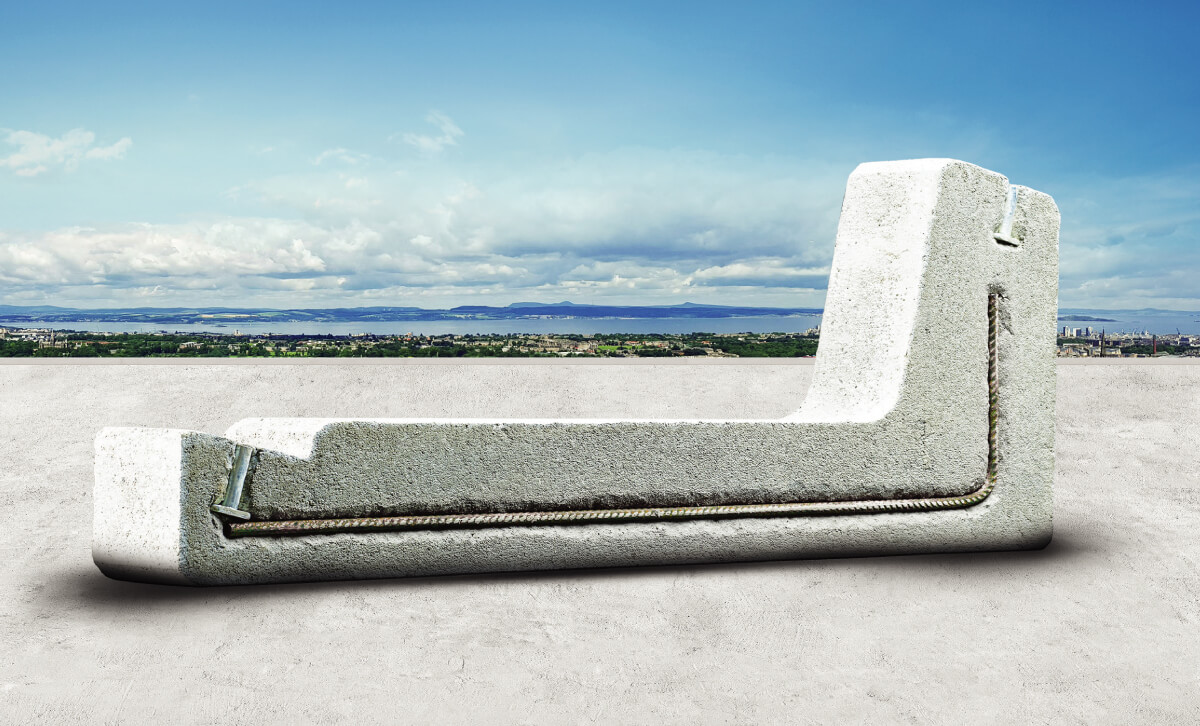
Why Ballasted Mounting Systems Are the Smart
Choice for Flat Roof PV
In Italy’s fast-moving solar market, installers and designers need
solutions that reduce site risk and accelerate delivery. Ballasted mounting systems are built
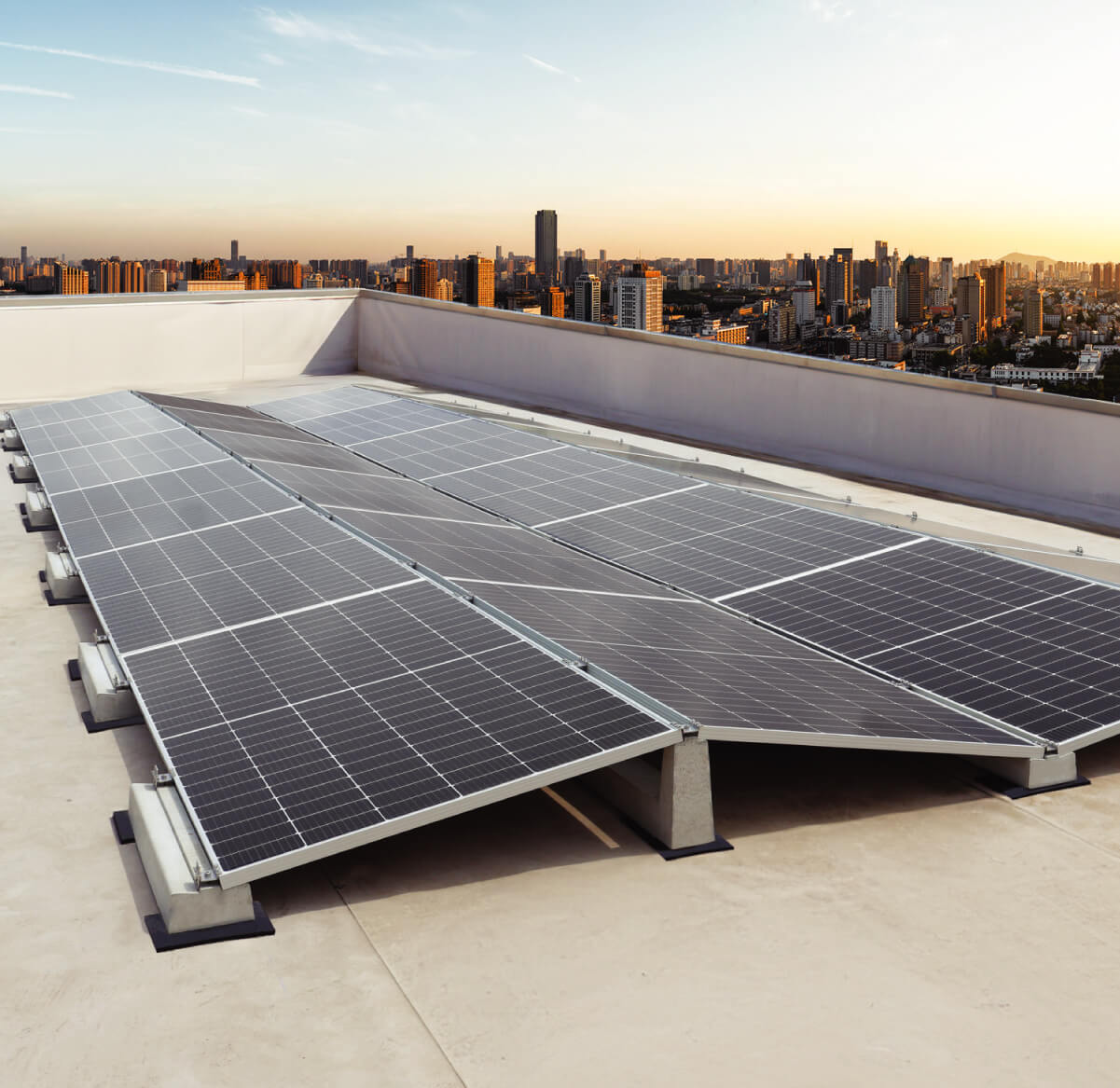
for exactly that: secure photovoltaic panel support on flat roofs without drilling the
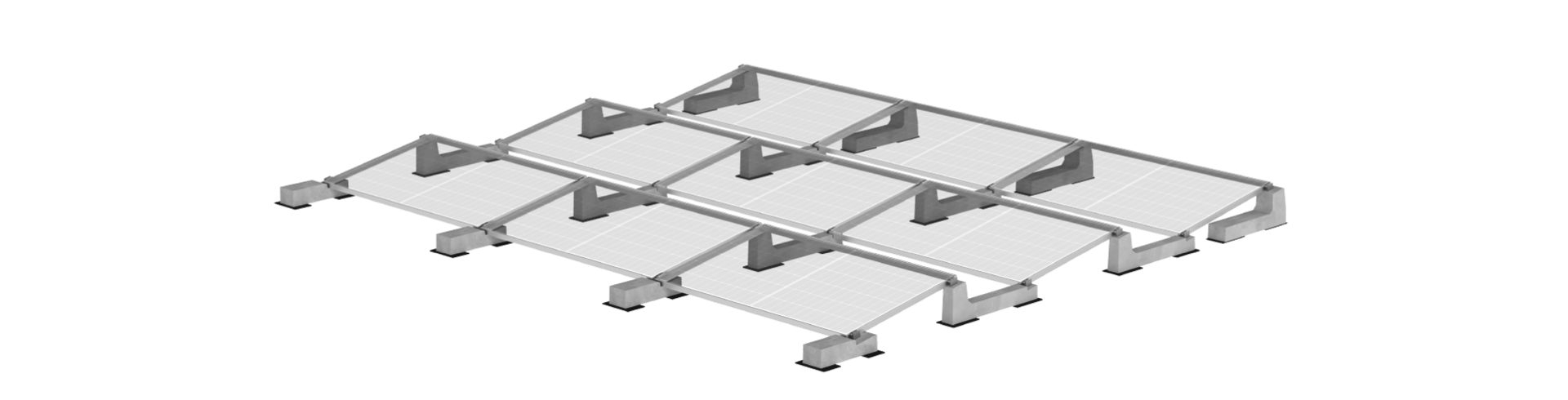
waterproof membrane. By relying on concrete ballast blocks and optimized geometry, these systems
help protect roof integrity while keeping installation straightforward. Fewer components, fewer
tools, and fewer surprises on site translate into shorter install times and cleaner handovers.
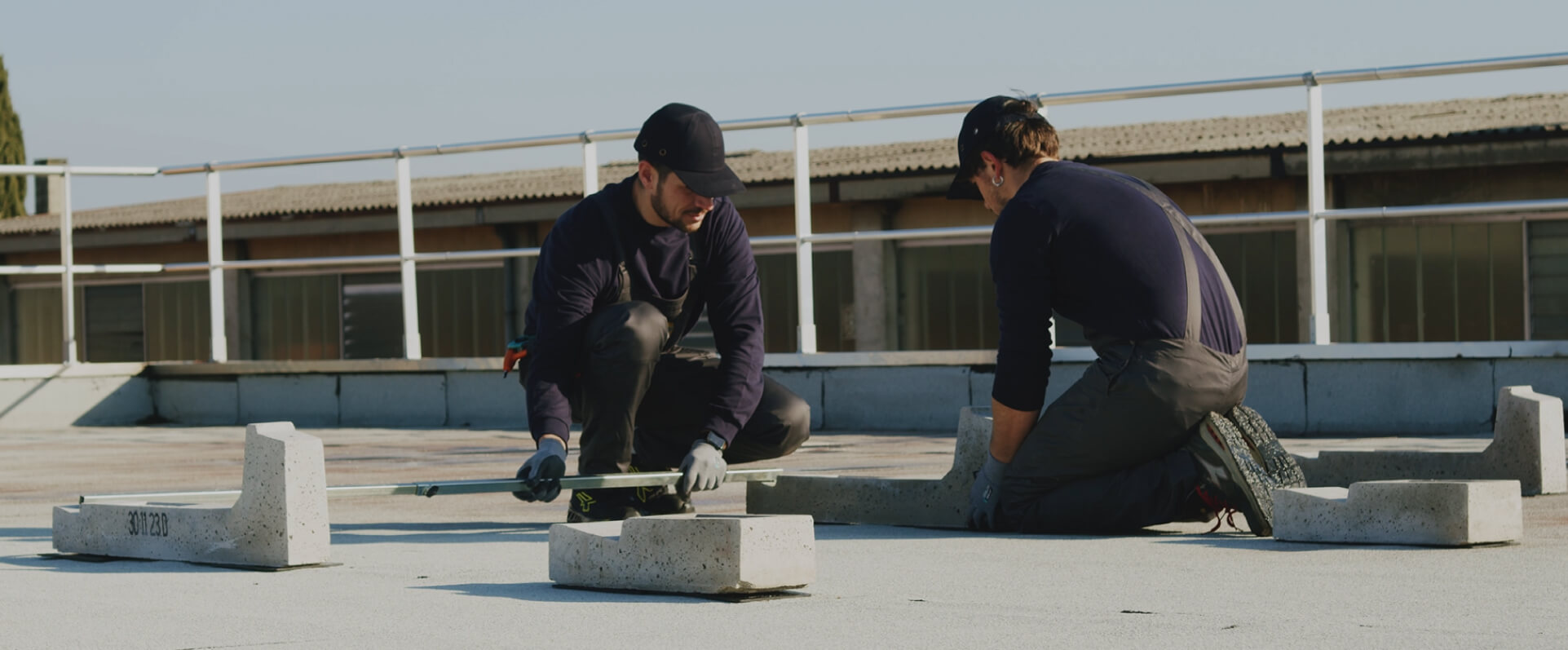
For installers, the biggest win is practicality: positioning modules, aligning rows, and
completing mechanical assembly can be done quickly, even on large commercial rooftops. For
engineers and technical offices, the advantage is predictability—tested configurations,
consistent load paths, and clearer data for wind and weight checks. When you choose a
no-penetration PV mounting approach, you’re also reducing common headaches: leaks, complex
flashing details, and time-consuming roof approvals. The right ballasted solution is not just
“heavy enough”; it is engineered to balance uplift resistance, roof load distribution, and
efficient module spacing. This is especially valuable on industrial buildings, logistics
centers, and flat-roof warehouses where downtime is costly and access windows are tight.
Ultimately, ballasted mounting systems support safer workflows, simpler project management, and
more repeatable quality across multiple installations.
Designed for Speed on Site—and Confidence in
the Design Phase
A strong ballasted mounting system is more than concrete weight on
a roof. It’s a complete flat-roof solar mounting strategy that combines reliable components with
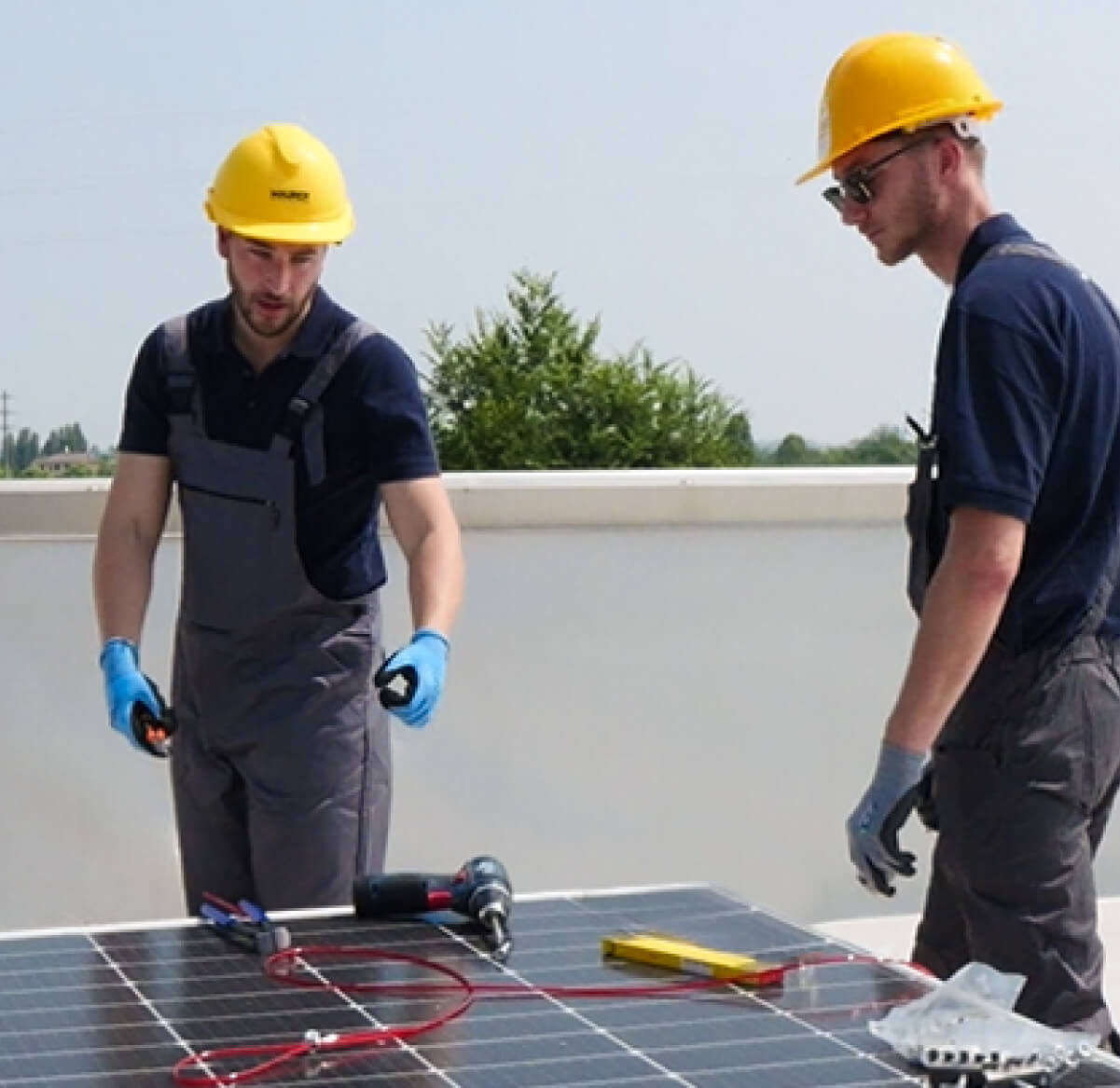
technical guidance. Installers benefit from an intuitive setup: minimal parts, rapid
positioning, and a structure that avoids roof penetrations. That means fewer coordination steps
with roofing contractors and less exposure to weather-related delays. For designers, accurate
dimensioning matters—wind zones, parapet effects, roof height, and module layout can change the
required ballast and row configuration. Having access to engineering support, verified
calculations, and tested solutions reduces design responsibility pressure and helps projects
move from concept to execution faster. In B2B distribution channels, the value is equally clear:
a recognizable solution that is easy to specify, explain, and deliver, with steady demand in the
Italian PV sector. By focusing on durability, repeatability, and streamlined logistics, these
systems become a dependable choice for professionals who install and specify solar every day.
Key Benefits to Look For in Ballasted Mounting
Systems
When evaluating ballasted mounting systems for a flat roof PV
project in Italy, prioritize features that genuinely reduce complexity and risk. First, insist
on no-penetration installation to protect the roof membrane and avoid leak liabilities. Second,
look for fewer components and clear assembly steps—this directly impacts labor cost and
installation speed. Third, ensure the concrete ballast is engineered for long-term durability
and consistent performance, not improvised on site. Fourth, confirm that technical support is
available for layout optimization and wind/load sizing, so the solution is safe, compliant, and
easy to document. Finally, choose configurations that support efficient module orientation and
row spacing, helping maximize energy yield without complicating the build. For installers, that
means finishing more projects with the same crew. For engineers, it means clearer calculations
and lower risk. For distributors, it means a product that sells because it solves real problems.
If your next flat-roof solar job needs a faster path from planning to commissioning, ballasted
mounting systems are the practical, professional answer.