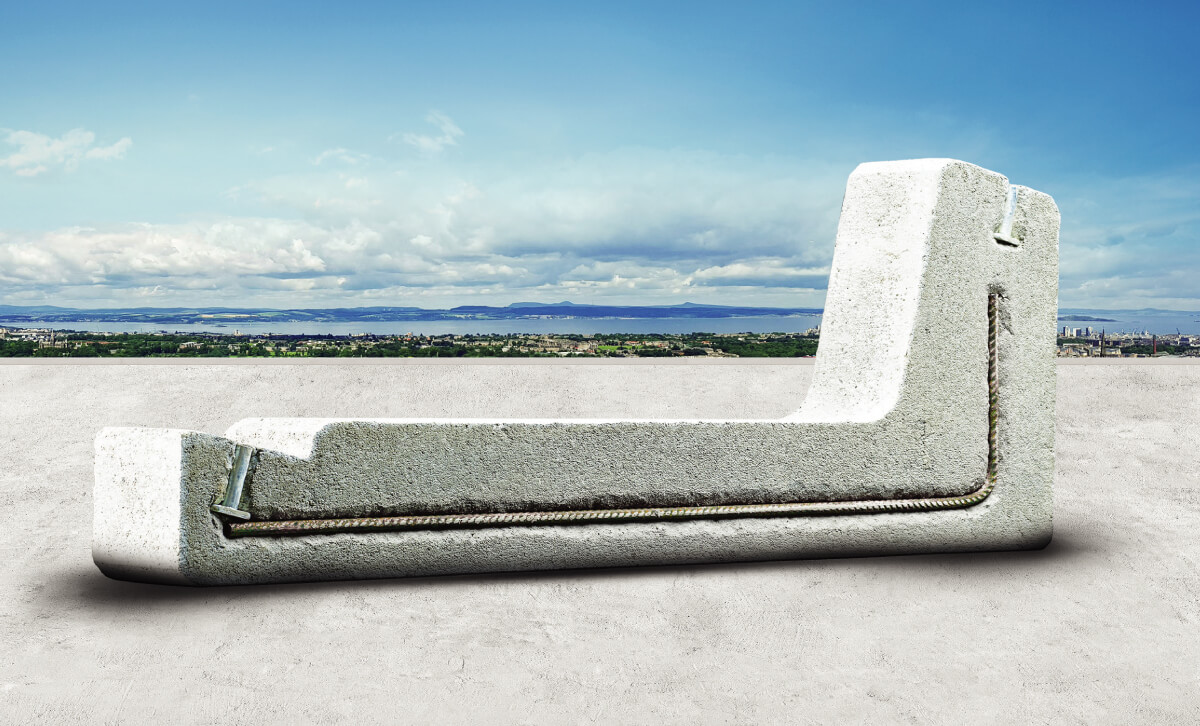
Why a Ballasted Mounting System Makes
Flat-Roof PV Easier
In the Italian solar market, flat roofs are a huge opportunity—but
only if installation is fast, predictable, and low-risk. A ballasted mounting system answers
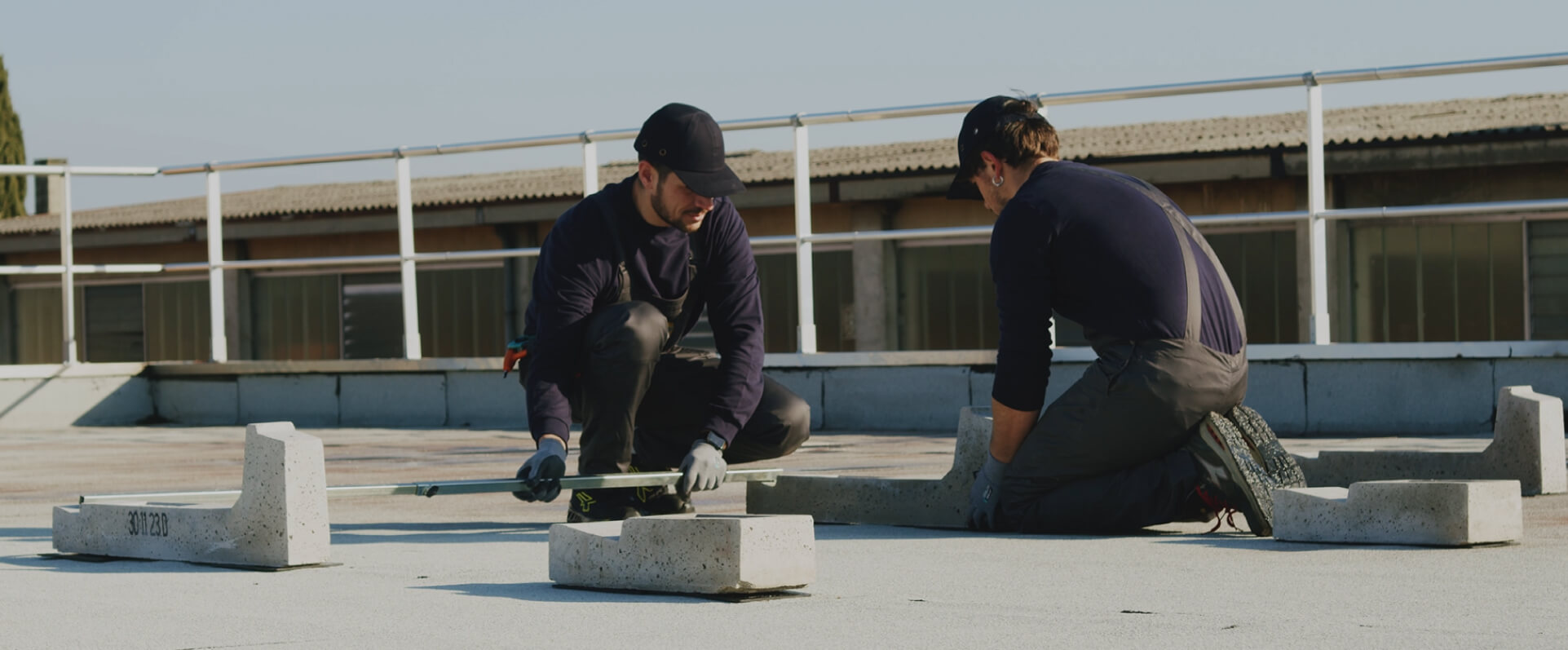
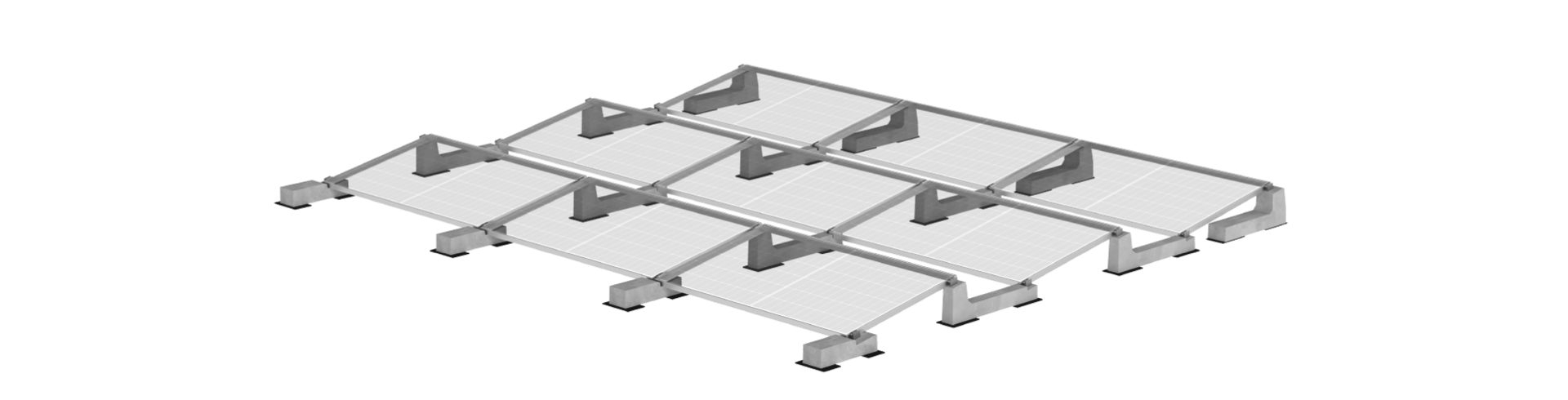
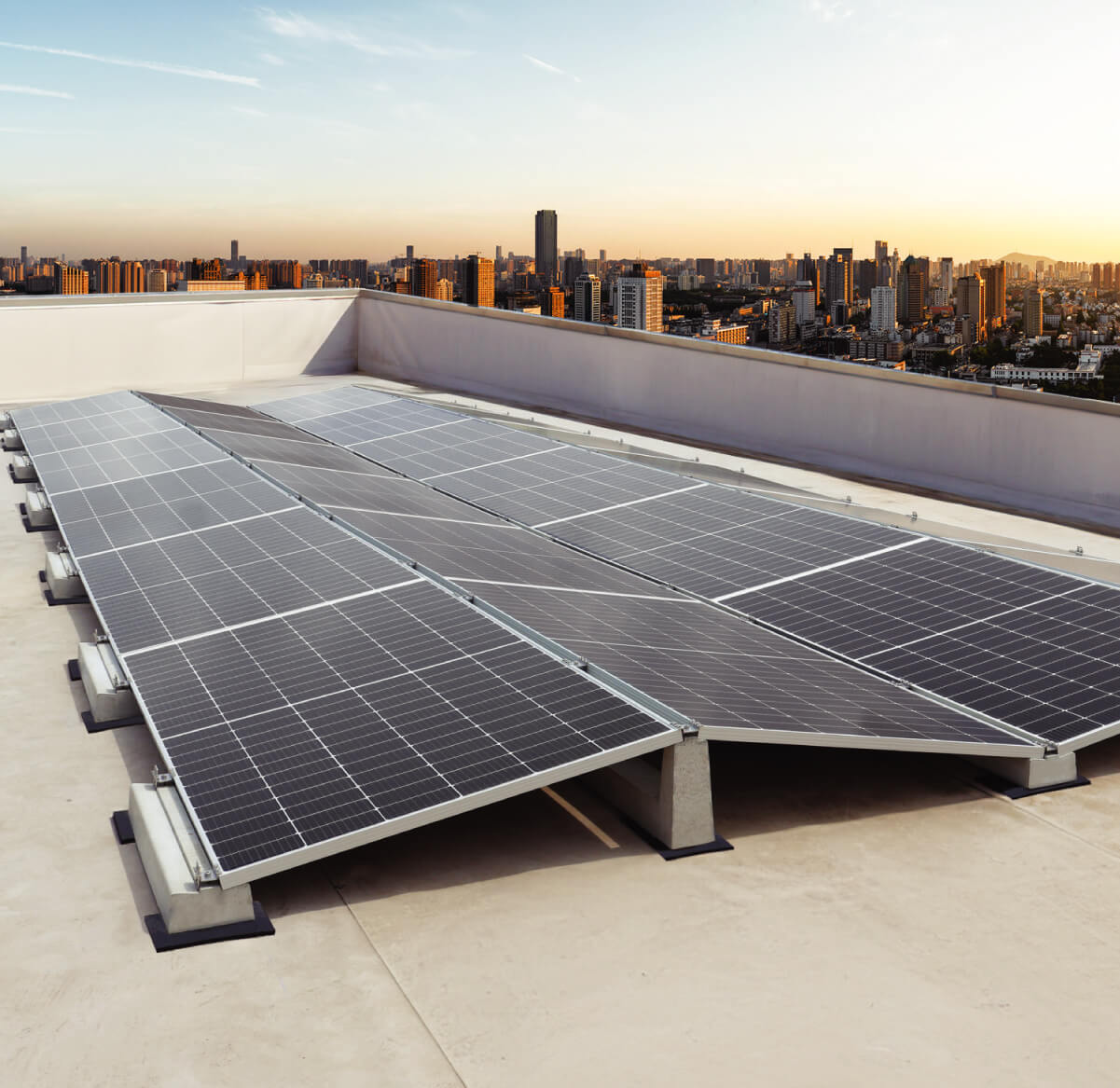
these needs by securing PV modules with pre-engineered concrete weights instead of roof
penetrations. For installers, that means fewer components to assemble, fewer chances of
waterproofing issues, and a cleaner workflow on site. For designers and engineers, it brings a
more controlled approach to wind loads, roof load distribution, and system layout. Modern
flat-roof PV mounting solutions built around ballast are designed to reduce uncertainty: no
drilling, no anchors, and less dependence on roof condition. That translates into shorter
installation times, fewer call-backs, and smoother commissioning. Beyond speed, the real value
is reliability—solid, durable supports that stay stable over time while keeping the roof intact.
If you manage multiple projects, a ballasted racking solution also simplifies logistics:
repeatable configurations, clear documentation, and straightforward on-roof handling. Whether
you are working on industrial buildings, warehouses, or commercial rooftops, choosing the right
ballasted mounting system can be the difference between a job that drags on and a job that
closes on schedule. Add in professional support for preliminary design and array sizing, and you
get a complete, contractor-friendly solution rather than “just a structure.” In short,
ballast-based solar mounting is a practical way to make flat-roof PV safer, faster, and more
efficient in real Italian jobsite conditions.
Key Benefits for Installers, Designers, and
Distributors
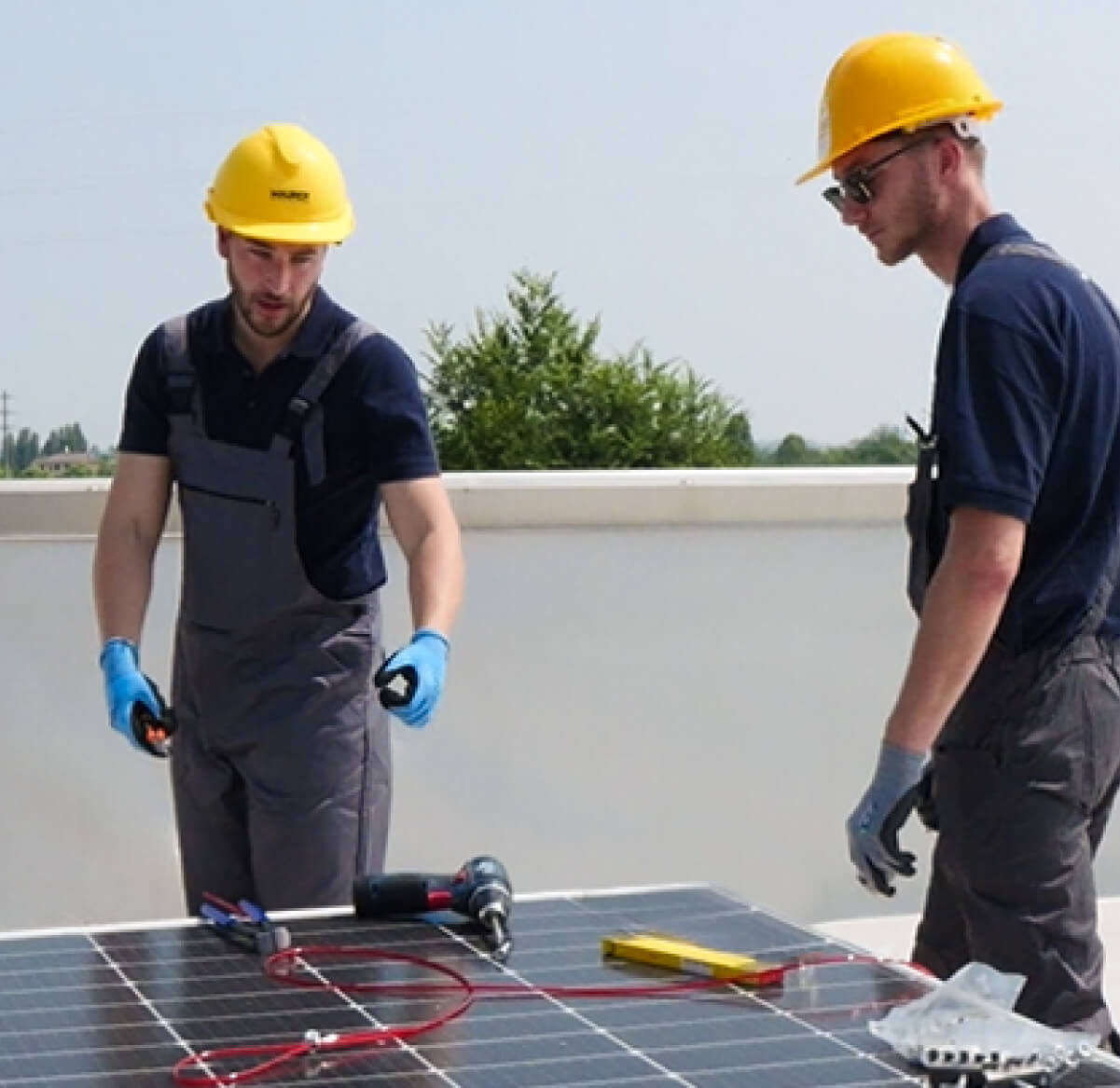
For PV installers, the biggest advantage of a ballasted mounting
system is speed with fewer headaches. With no roof perforations, you avoid the most common risk
on flat roofs: leaks and costly remediation. The system’s intuitive assembly reduces on-site
complexity, helping crews install more kWp per day and keep labor costs under control. For
technical offices, ballast-based solar structures support confident design decisions: verified
configurations, consistent load paths, and dependable data for wind and structural checks. That
reduces the engineering burden and the responsibility linked to bespoke solutions. Distributors
benefit too: a recognizable product category with stable demand, easier training, and fewer
returns thanks to robust, jobsite-proven components. In practice, these solutions fit a wide
range of flat-roof applications in Italy—from small commercial rooftops to large industrial
plants—while keeping operations simple. Related terms you may evaluate when selecting a solution
include flat roof solar mounting, PV ballast blocks, non-penetrating racking, wind deflectors,
tilt angles, and load distribution. The right choice will streamline procurement, minimize
missing parts, and make installation planning more predictable. When technical support is
available from early-stage sizing through execution, your team can move faster with fewer design
iterations and fewer surprises on the roof. This is why many professionals see ballast not as a
compromise, but as a strategic upgrade in flat-roof photovoltaic projects.
How to Choose the Right Solution for Italian
Flat Roof Projects
Choosing a ballasted mounting system should start with your
project’s real constraints: roof membrane type, allowable loads, parapet height, wind exposure,
and maintenance pathways. Look for solutions engineered specifically for flat roofs, with
durable concrete ballast and layouts that simplify cable management and module positioning. A
strong system should help you optimize tilt, row spacing, and shading management—without turning
the job into a custom fabrication exercise. For engineers, the priority is documentation and
tested performance: clear technical sheets, repeatable configurations, and support for wind-load
and structural verification. For installers, prioritize ease of handling, reduced part count,
and a sequence that works on busy sites—especially when you’re coordinating deliveries, cranes,
and safety requirements. It also pays to consider scalability: can the same approach cover
different module formats and project sizes without reinventing your workflow? In the Italian
market, where timelines are tight and roofs vary widely, the best results come from combining a
non-penetrating PV mounting approach with expert technical assistance—from initial design to
final installation. That partnership mindset helps you reduce risk, speed up approvals, and
deliver a cleaner handover to the client. If your goal is to install faster, protect the roof,
and keep performance dependable over time, a well-designed ballasted mounting system is one of
the most practical choices for flat-roof solar in Italy.