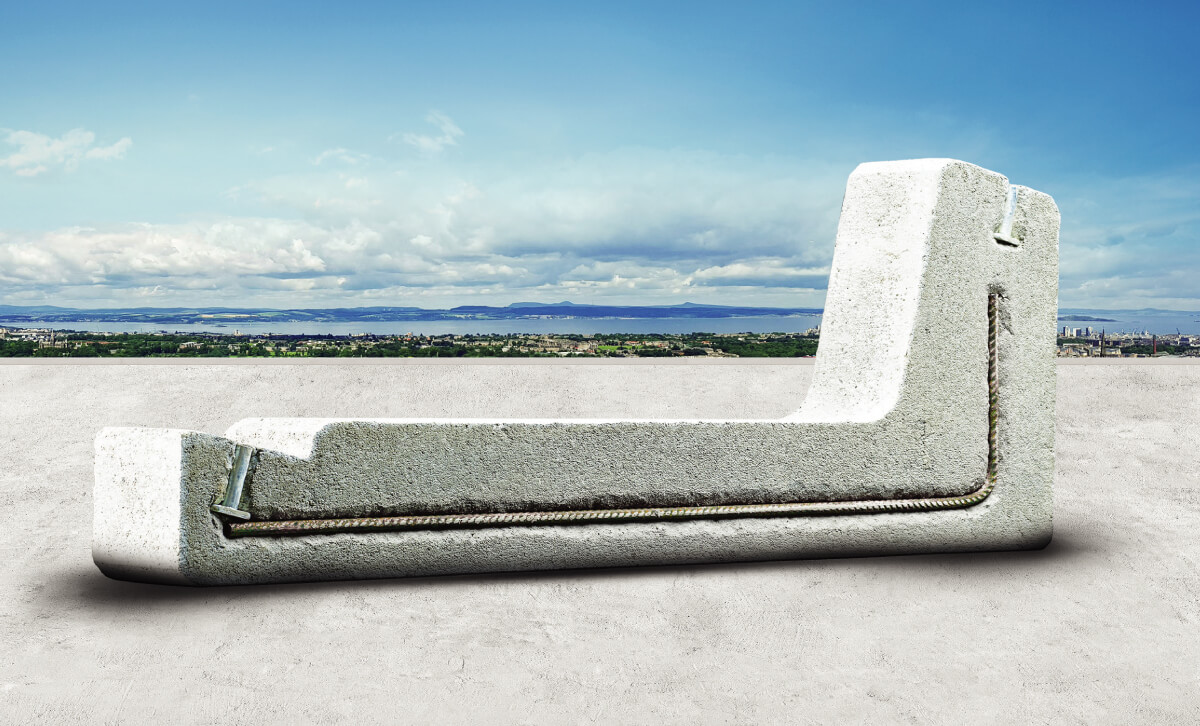
Ballasted Flat Roof Racking: the Smart Choice
for Italian Flat Roof PV
Choosing ballasted flat roof racking is one of the fastest ways to
simplify photovoltaic installations on flat roofs in Italy—especially when you want performance
without compromising the waterproofing layer. Instead of drilling into the roof, a ballasted PV
mounting system relies on engineered weight and aerodynamics to keep modules stable, reducing
the risks linked to penetrations, membrane damage, and future leaks. For installers, that means
fewer surprises on site, shorter installation times, and a cleaner workflow with fewer
components to manage. For designers and engineers, it means a predictable solution with clear
data for wind uplift, loads, and layout planning, helping reduce design responsibility and
project uncertainty. And for distributors, it’s a product category with consistent demand: flat
roof solar is growing across industrial buildings, logistics warehouses, and commercial sites
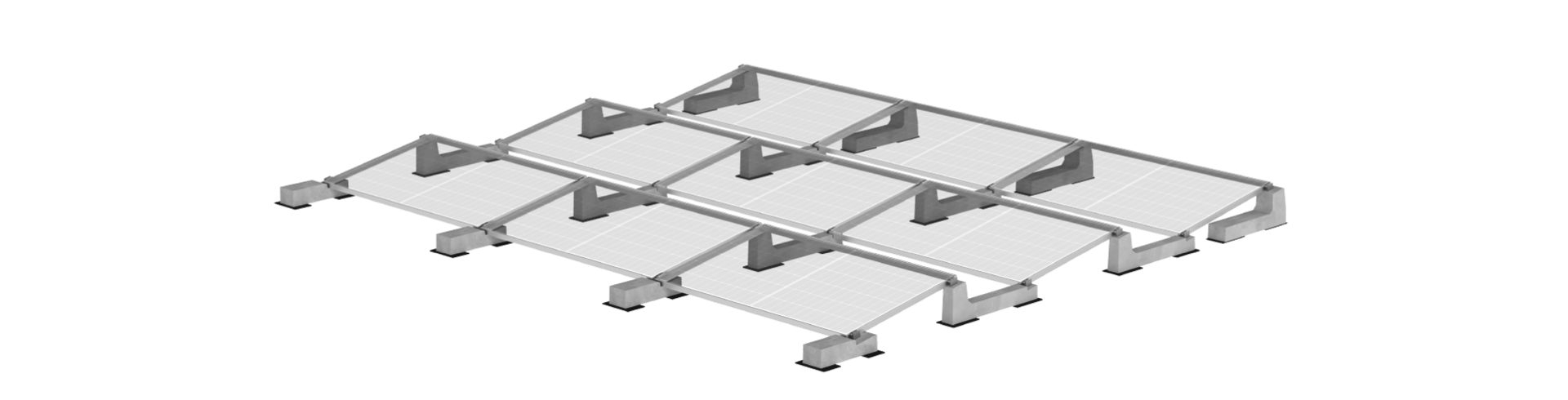
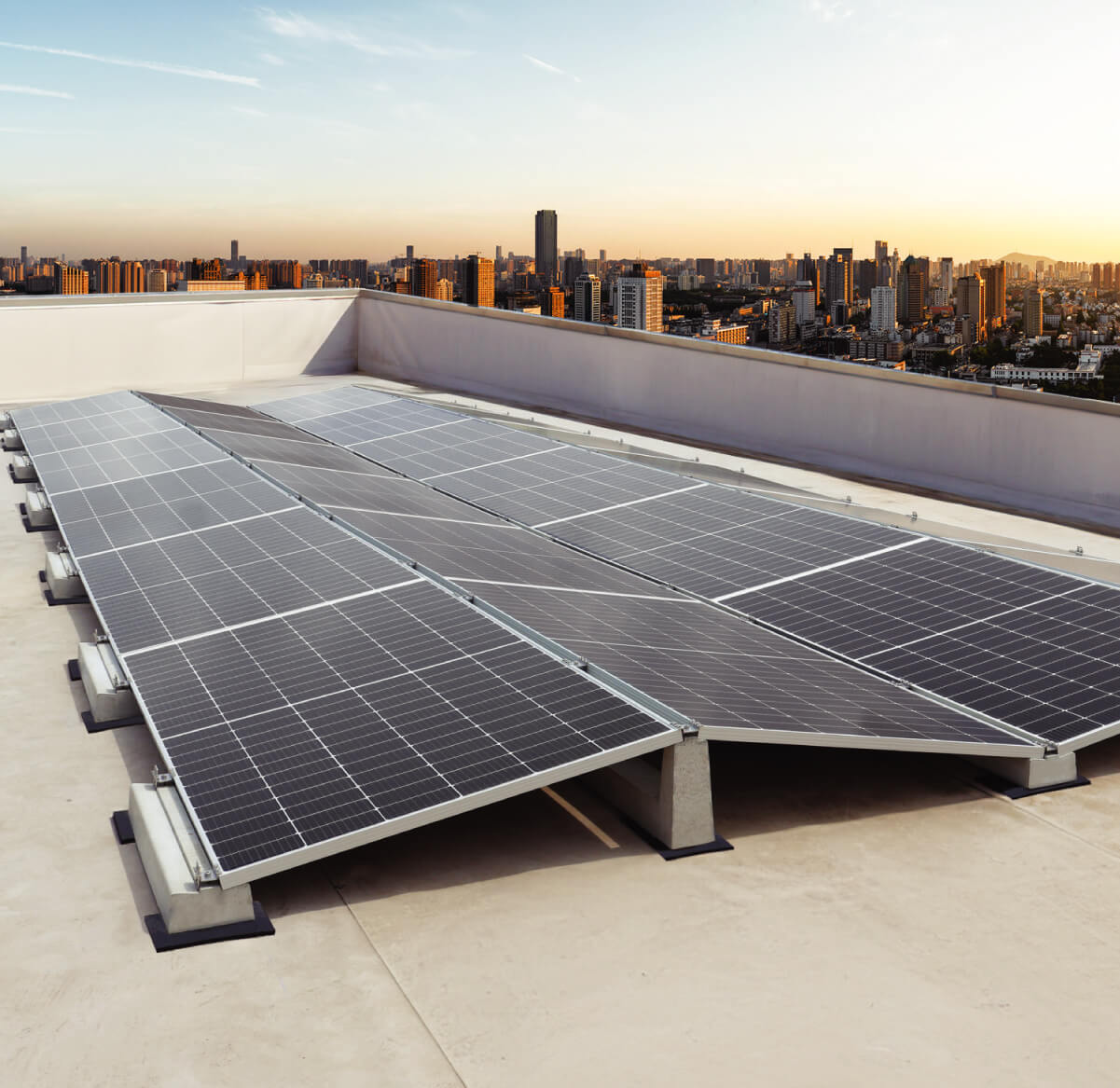
where downtime and roof maintenance are critical. In practice, modern concrete ballast solutions
are designed to integrate mounting, tilt, and spacing into a single, robust system that supports
different orientations and optimises energy yield. When you specify ballasted flat roof racking,
you’re not just selecting hardware—you’re choosing a complete installation approach focused on
reliability, speed, and safety. If your priority is to deliver more projects per month while
keeping quality high, non-penetrating racking is a proven path to reduce complexity and protect
the roof from day one.
Why Installers Prefer Non-Penetrating Concrete
Ballast Systems
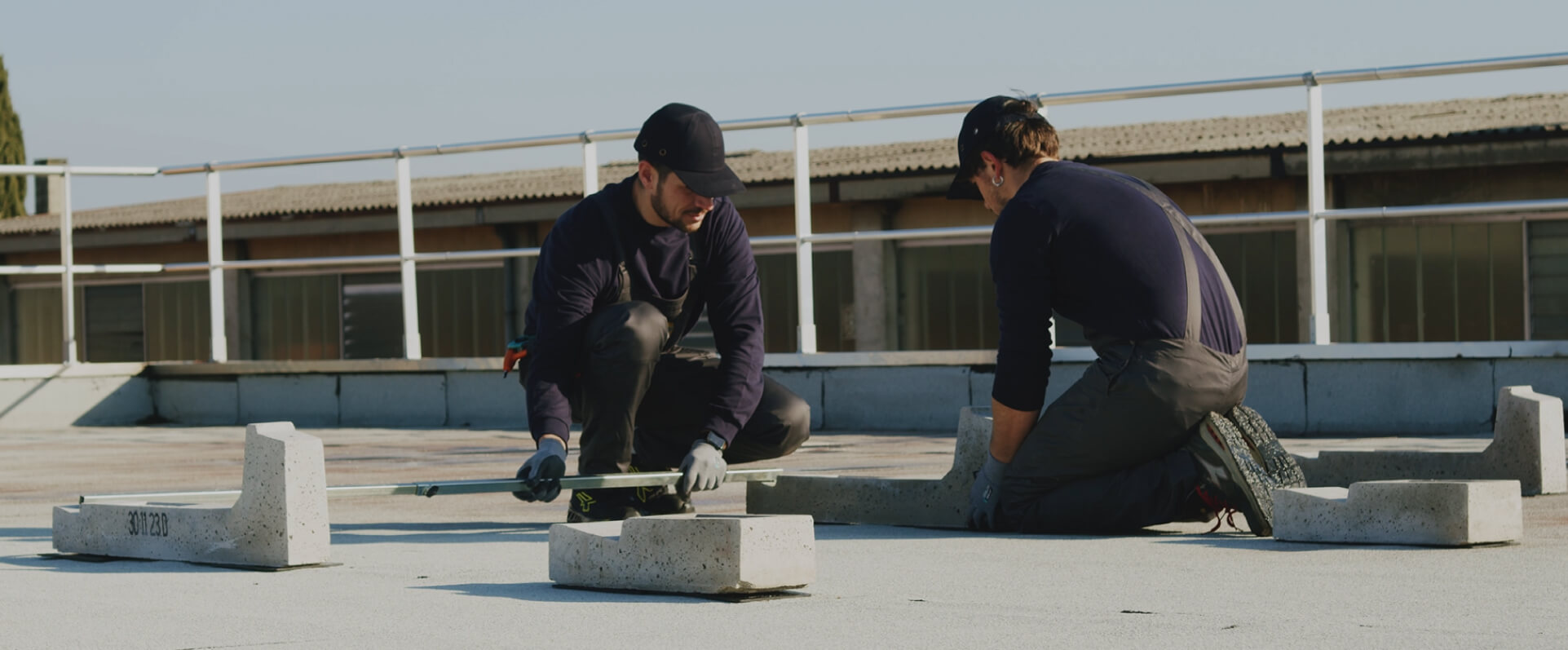
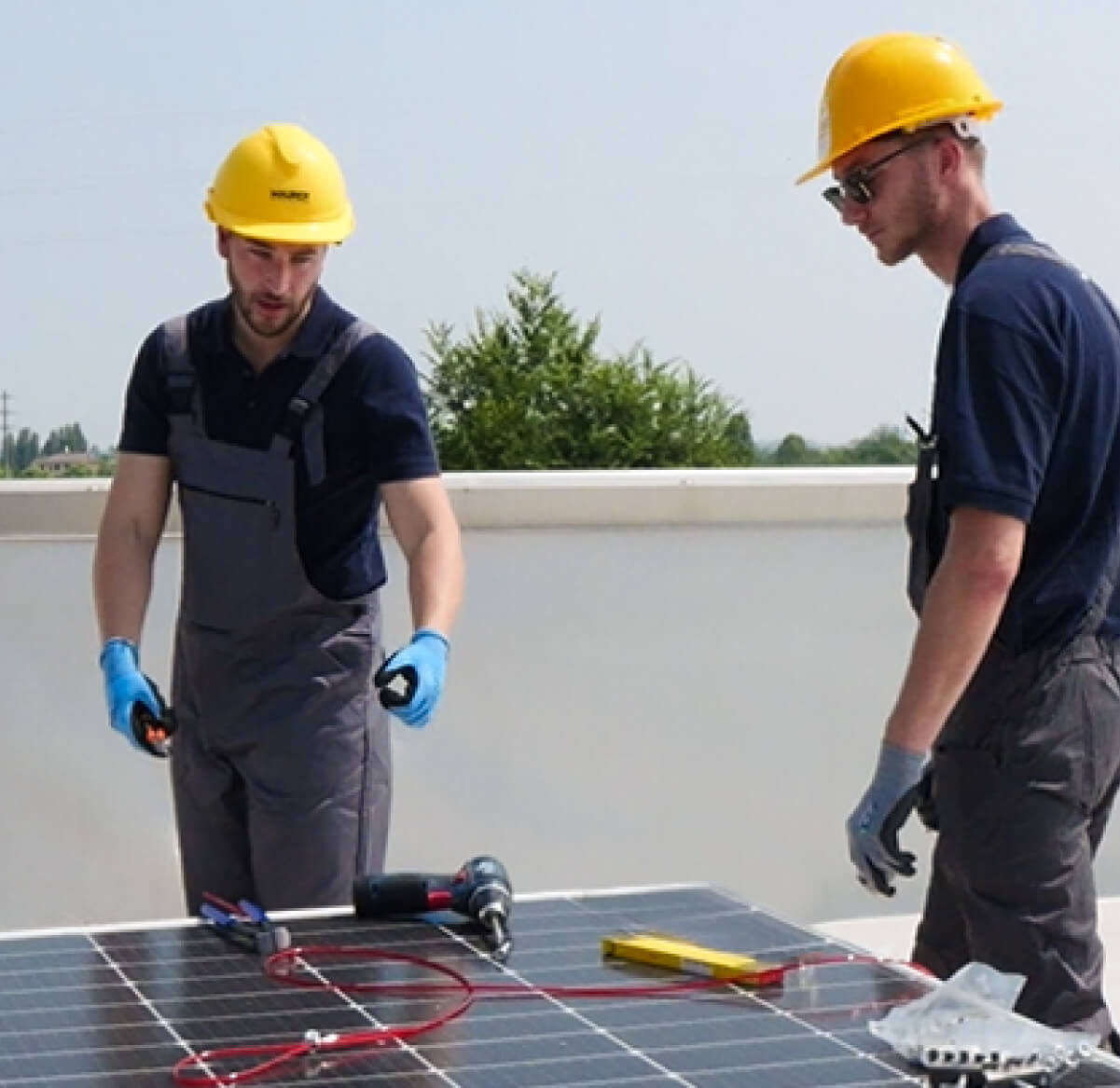
Installers in Italy often face tight schedules, strict safety
requirements, and roofs that cannot be drilled. Ballasted flat roof racking addresses these
constraints with an intuitive assembly process and minimal roof preparation. With fewer fixings
and no waterproofing reinstatement, crews can move faster and standardise their method across
sites. The result is reduced labour time, fewer installation variables, and easier
logistics—important advantages when managing multiple rooftops or large MW-scale projects.
Concrete ballast PV supports also help keep the roof intact, which is essential for buildings
with warranties or sensitive membranes.
A Technical Partner Approach: Design Support,
Sizing, and Project Execution
Beyond the product itself, successful flat roof PV depends on
accurate sizing and layout decisions. High-quality ballasted flat roof racking is backed by
technical support that helps professionals define the right configuration for wind zones, roof
load limits, module format, and tilt angle—so the system is not only fast to install, but also
engineered for durability. This partner-style support can include preliminary design guidance,
system dimensioning, and assistance that follows the project through execution. For engineering
teams, it provides reliable inputs for documentation; for installers, it reduces on-site
decision-making and risk. On the commercial side, a clearly engineered solution is easier to
specify, quote, and supply. If you want a flat roof solar mounting strategy that prioritises
reliability, simplicity, and innovation—while protecting the roof—ballasted flat roof racking
remains one of the most persuasive options for the Italian market.