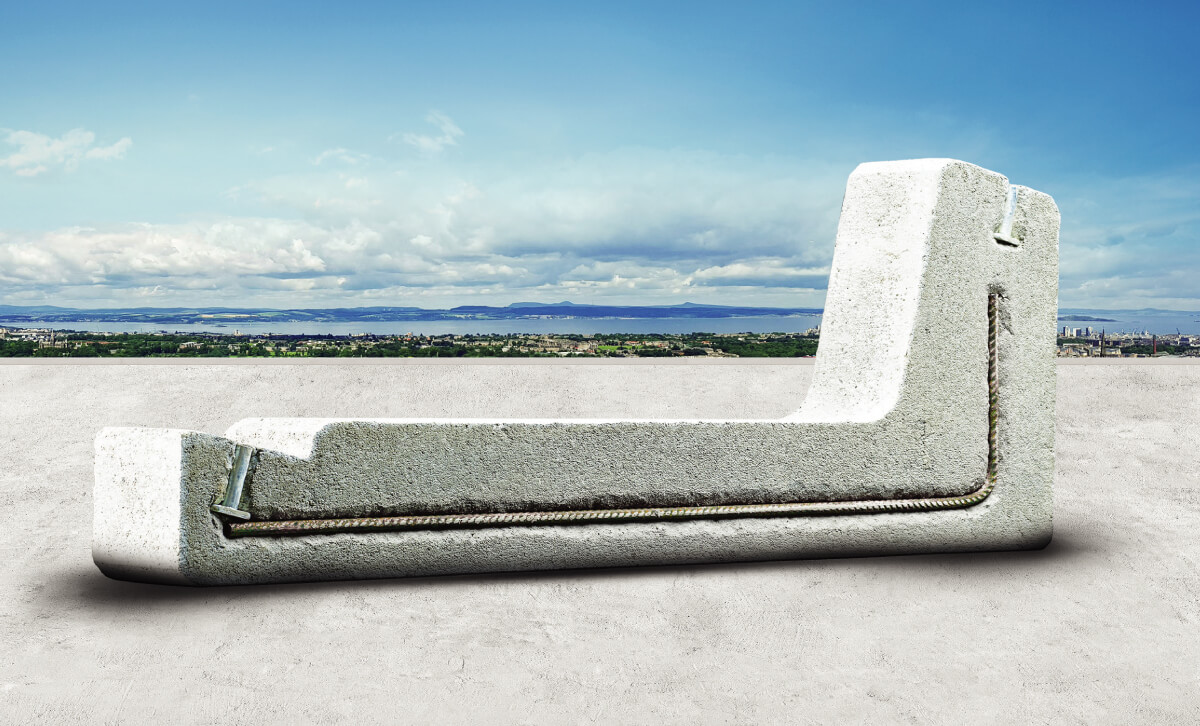
Why a Ballast Type Solar Structure Is Ideal
for Flat Roofs in Italy
Choosing a ballast type solar structure is often the smartest
route for flat-roof photovoltaic projects in Italy, especially when speed, safety, and roof
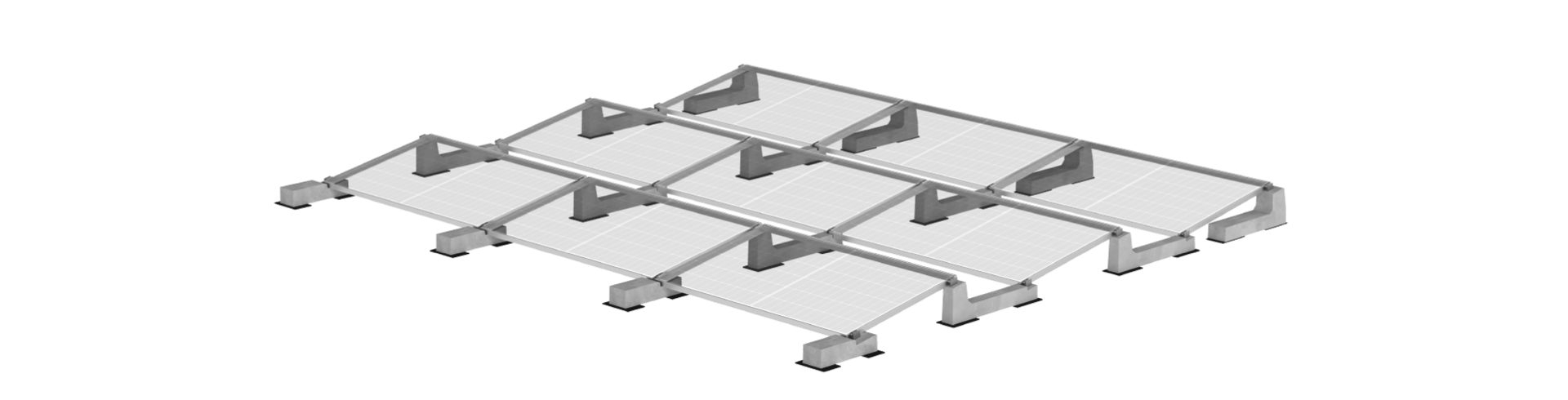
integrity matter. Instead of drilling through the waterproof membrane, this approach uses
concrete ballast to keep PV modules stable—helping installers avoid leaks, reduce liability, and
work with fewer on-site complications. For EPCs and PV installers, the advantage is immediate:
fewer components, cleaner logistics, and faster assembly compared to many rail-based systems.
For designers and engineers, the value is just as clear: predictable loads, reliable
documentation, and solutions built around real-world wind and structural constraints. In
practice, a well-designed ballasted PV mounting system can simplify everything from layout
planning to cable management, while keeping the roof surface intact. This is particularly useful
on industrial buildings, warehouses, and commercial facilities where downtime must be minimized
and the roof warranty is a serious concern. If you’re looking to deliver projects faster—without
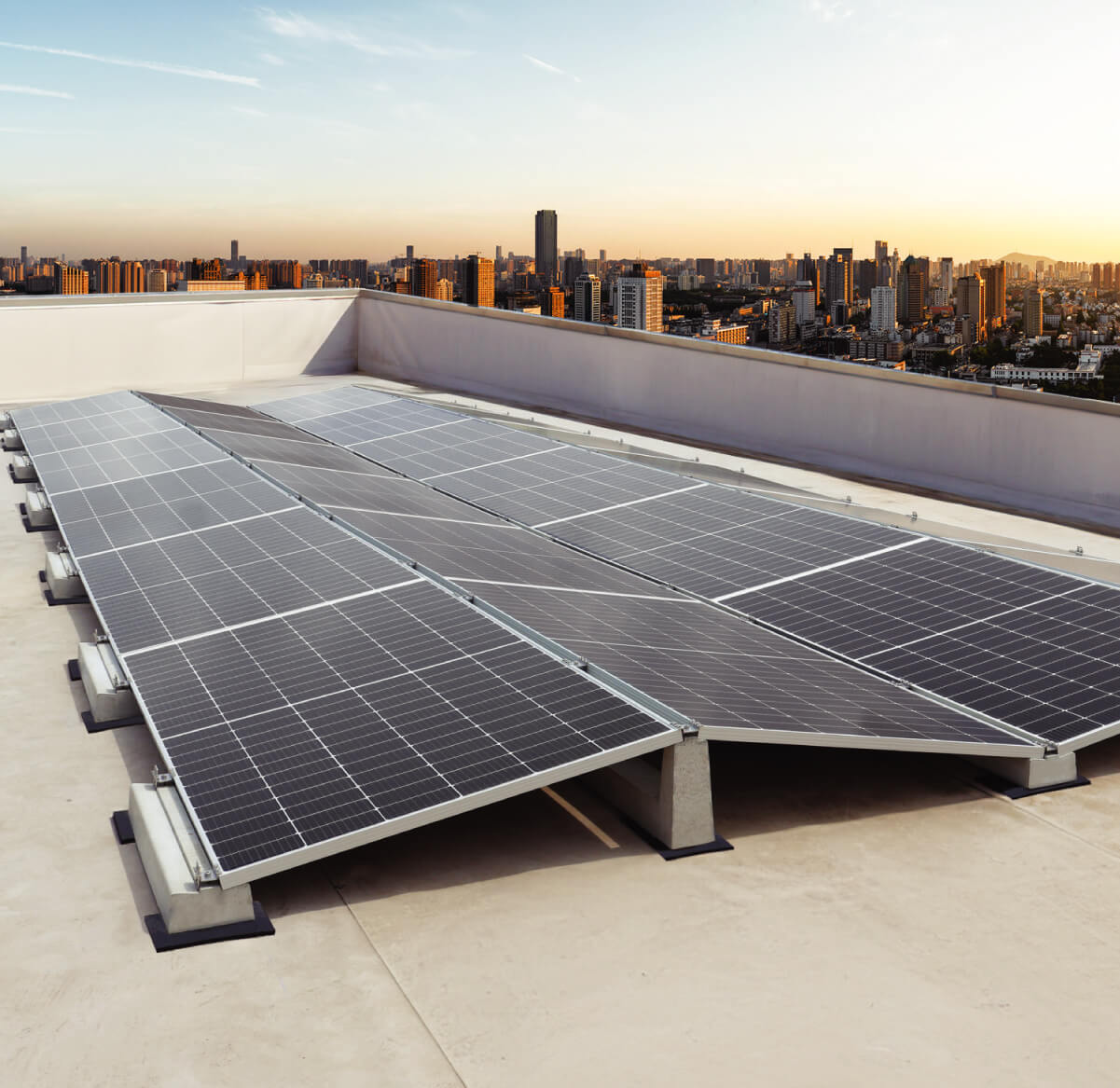
compromising on durability or compliance—a ballast type solar structure turns flat roofs into an
efficient, low-risk platform for solar energy generation.
Faster Installation, Fewer Risks: The Real
Benefits On Site
On a job site, every extra bracket and every roof penetration adds
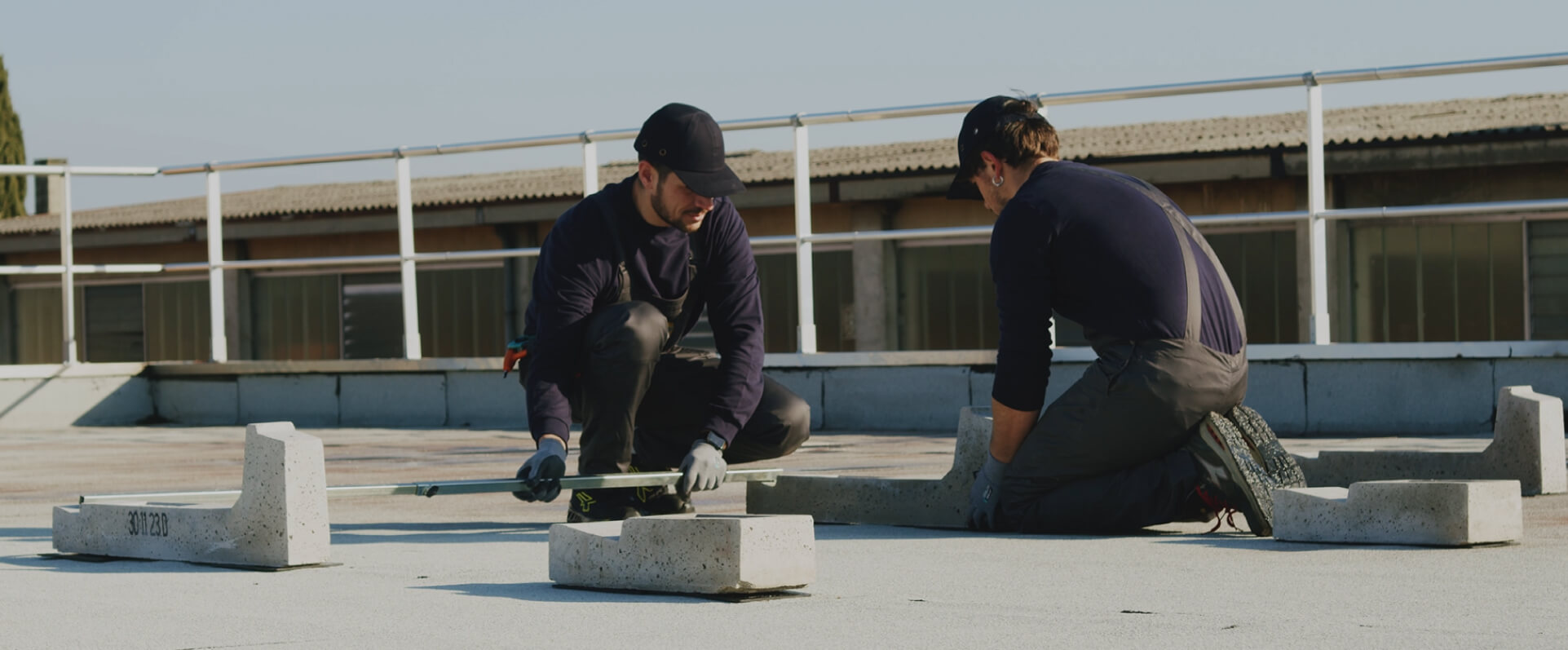
time and uncertainty. A ballast type solar structure reduces both. Because the system relies on
weighted supports, teams can position modules quickly, align rows efficiently, and avoid the
delays that come with drilling, sealing, and inspections around fixings. The result is a
smoother workflow and more predictable installation times—critical for installers managing tight
schedules or multiple sites. Just as important, minimizing penetrations helps protect the
waterproofing layer, lowering the risk of future infiltrations and costly callbacks. Many
flat-roof PV projects also face constraints like limited permissible loads or complex wind
exposure; this is where a technically supported solution makes the difference. With proper
sizing and project assistance—covering wind calculations, ballast distribution, and layout
optimization—installers and engineers can confidently deliver stable, code-aligned solar arrays.
In short, you get a practical PV racking solution that’s designed to be installed fast, stay put
in harsh weather, and keep the roof in good condition over the long term.
A Complete Technical Approach for Installers,
Designers, and Distributors
For B2B professionals, the best ballast type solar structure is
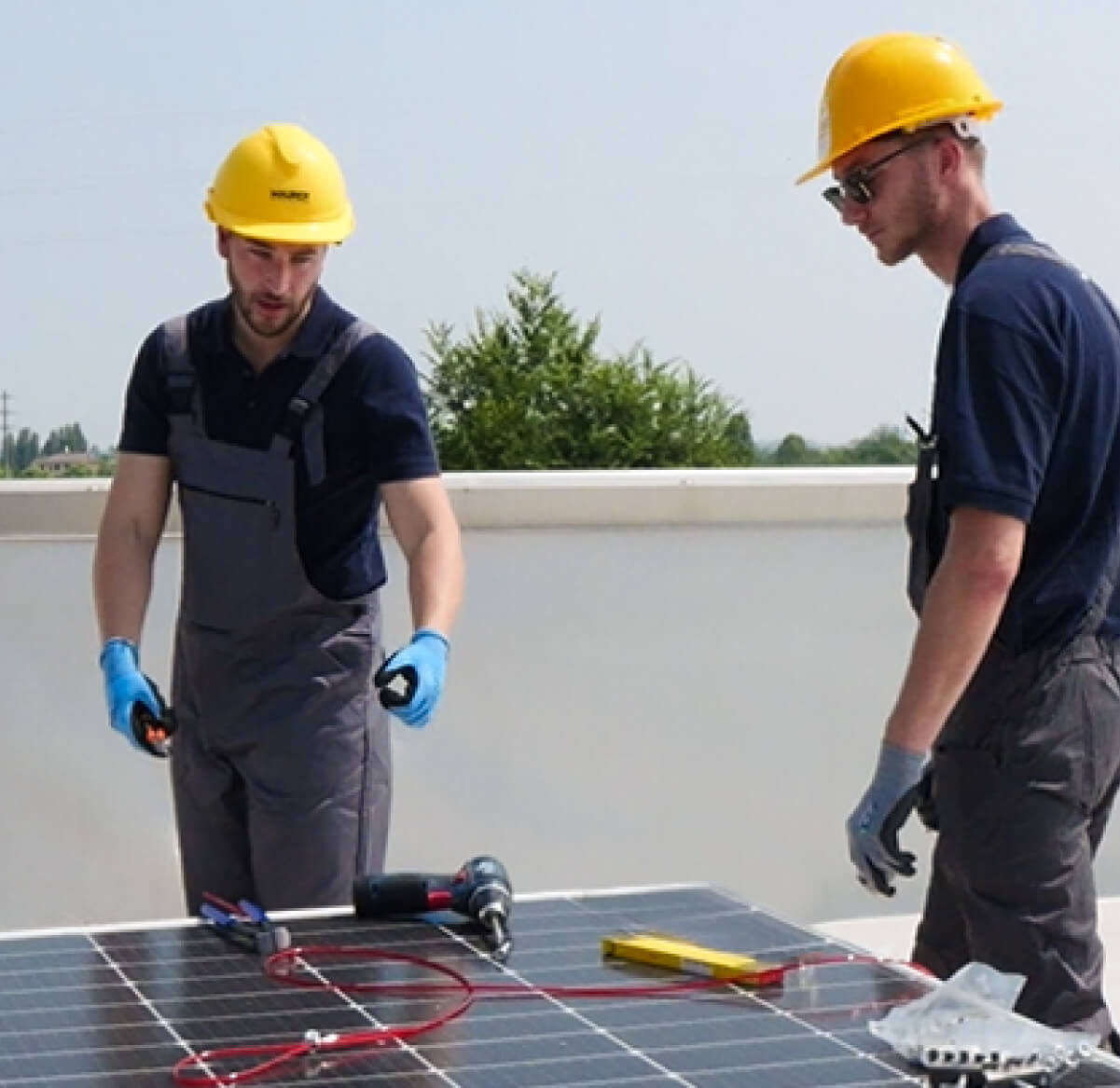
not just a product—it’s a complete method to standardize flat-roof PV projects. Installers
benefit from an intuitive system that cuts assembly time and reduces on-site errors. Designers
gain access to trustworthy data for structural checks and a clearer path through the
complexities of wind load and roof capacity. Distributors appreciate a solution that’s easy to
explain, consistently in demand, and backed by technical know-how. What really elevates modern
concrete ballast solutions is the combination of tested durability and project-focused support:
help during design, plant sizing, and the development of the installation plan up to execution.
This partnership mindset reduces risk for everyone involved and improves project profitability
by saving labor hours and avoiding rework. If your priority is to deliver reliable flat-roof
solar installations across Italy—quickly, cleanly, and with fewer headaches—choosing a ballast
type solar structure is a persuasive, proven step toward safer builds and more efficient energy
production.