Ballast tray: the smarter way to mount PV on
flat roofs
For PV professionals working on flat roofs in Italy, speed and
certainty on site matter as much as energy yield. A ballast tray is a practical solution
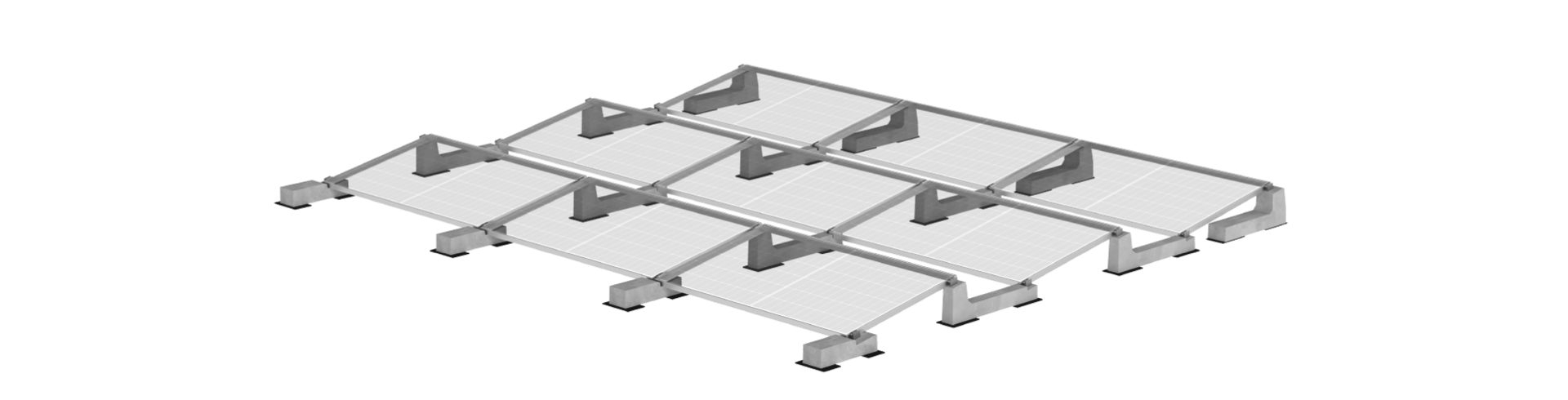
designed to support photovoltaic modules using weight rather than roof penetrations. That simple
concept translates into fewer risks for the waterproofing layer, cleaner workflows, and faster
installation times. Instead of drilling and sealing, crews can position the structure, align the
modules, and complete the array with fewer steps and fewer surprises.
A well-designed ballast tray system integrates key elements installers and designers care about:
stable load distribution, predictable wind behaviour, and a straightforward bill of materials.
By reducing the number of separate parts—rails, clamps, fasteners, and accessories—it minimizes
the chance of missing components and helps keep the site organized. For installers, that means
more kWp installed per day. For engineers and technical offices, it means easier planning with
reliable data for structural loads and wind uplift checks.
If your goal is to deliver flat-roof solar projects that are efficient, repeatable, and
low-risk, a ballast tray approach can be a decisive advantage—especially when paired with
technical support for layout, sizing, and execution. It’s not just a product choice; it’s a
method to reduce complexity and protect the roof while keeping productivity high.
Why installers choose a ballast tray system
Installers typically adopt a ballast tray for three reasons: no
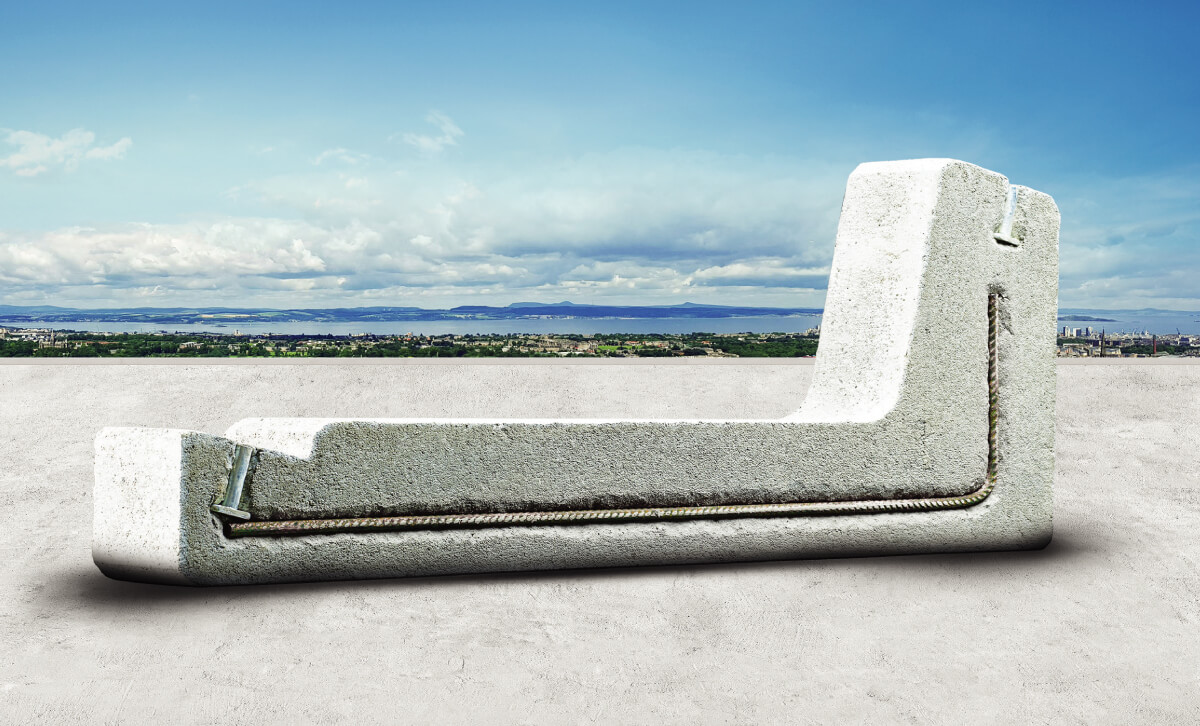
roof penetrations, faster assembly, and fewer on-site headaches. With concrete ballast
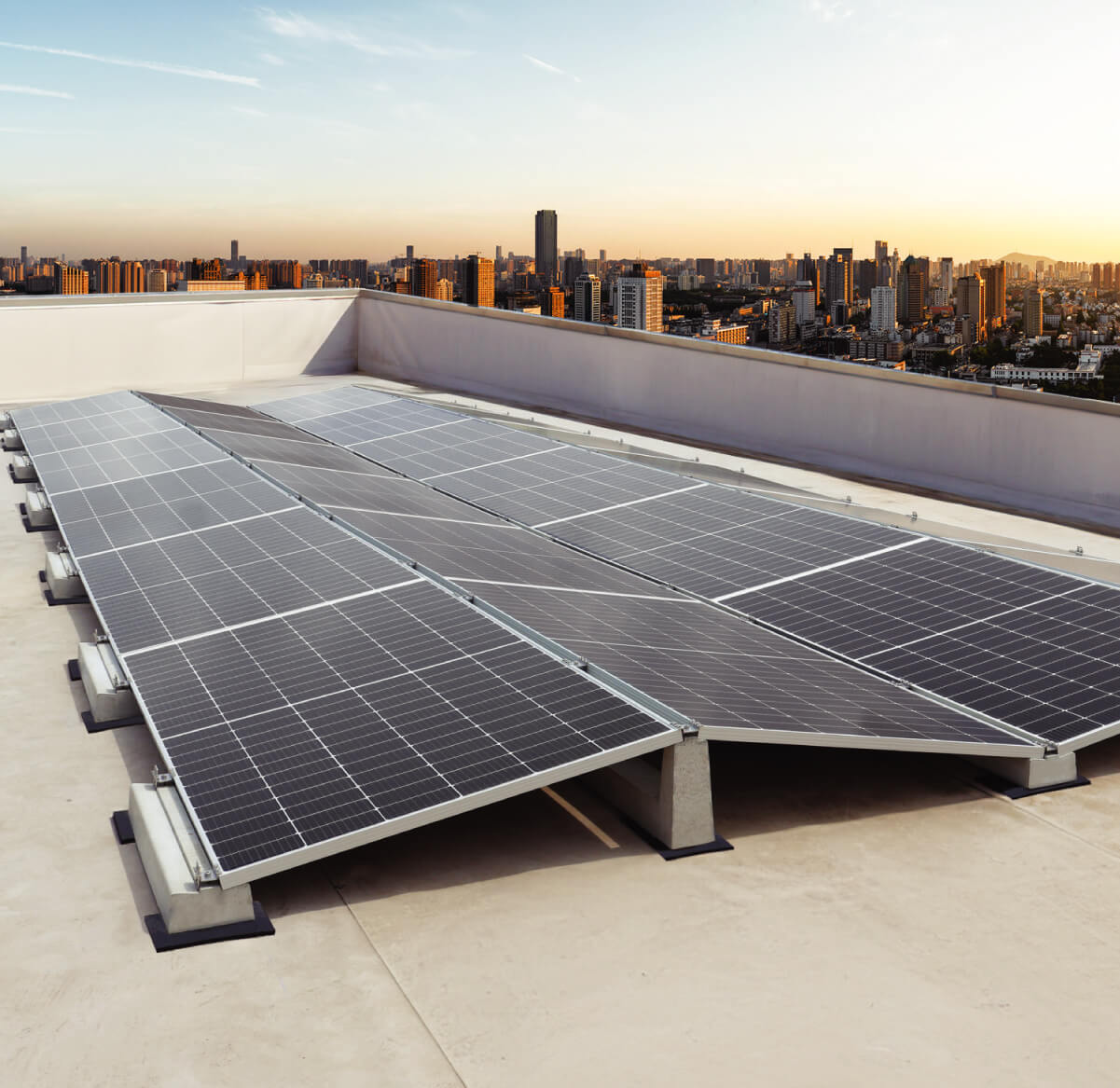
solutions, the structure can be placed directly on the roof surface (with appropriate protective
interfaces when required), limiting invasive work and reducing the chance of future leaks. The
installation flow becomes more intuitive: position, level, connect, and mount.
Because the ballast tray is engineered to be a complete support solution, it often enables
quicker module positioning, consistent tilt angles, and simplified cable management. This helps
crews maintain quality even under tight deadlines. In practice, less time spent measuring and
adapting complex structures means more time delivering finished arrays.
For B2B stakeholders like distributors, these benefits are also easy to communicate: a
recognizable flat-roof PV mounting method that reduces labour time and increases reliability. A
system that installers trust tends to generate repeat orders—especially when it is backed by
professional commercial assistance and responsive technical guidance.
Design confidence: loads, wind, and project
support
For designers and engineers, the value of a ballast tray solution
is not only speed—it’s confidence. Flat roof PV requires careful consideration of wind uplift,
building loads, and roof constraints. Choosing a tested, durable approach based on concrete
ballast can streamline calculations by relying on verified configurations and clear technical
documentation.
When technical support is included—from preliminary design to system sizing and project
development up to execution—risk is reduced for everyone involved. The designer receives
dependable inputs, the installer gets a buildable plan, and the end customer benefits from a
safer, more efficient installation process.
If you’re specifying or installing photovoltaic systems on flat roofs across Italy, evaluate
ballast tray options that prioritize reliability, simplicity, and ongoing innovation. The right
solution helps you standardize your workflow, cut installation time, and deliver consistent
results—project after project.