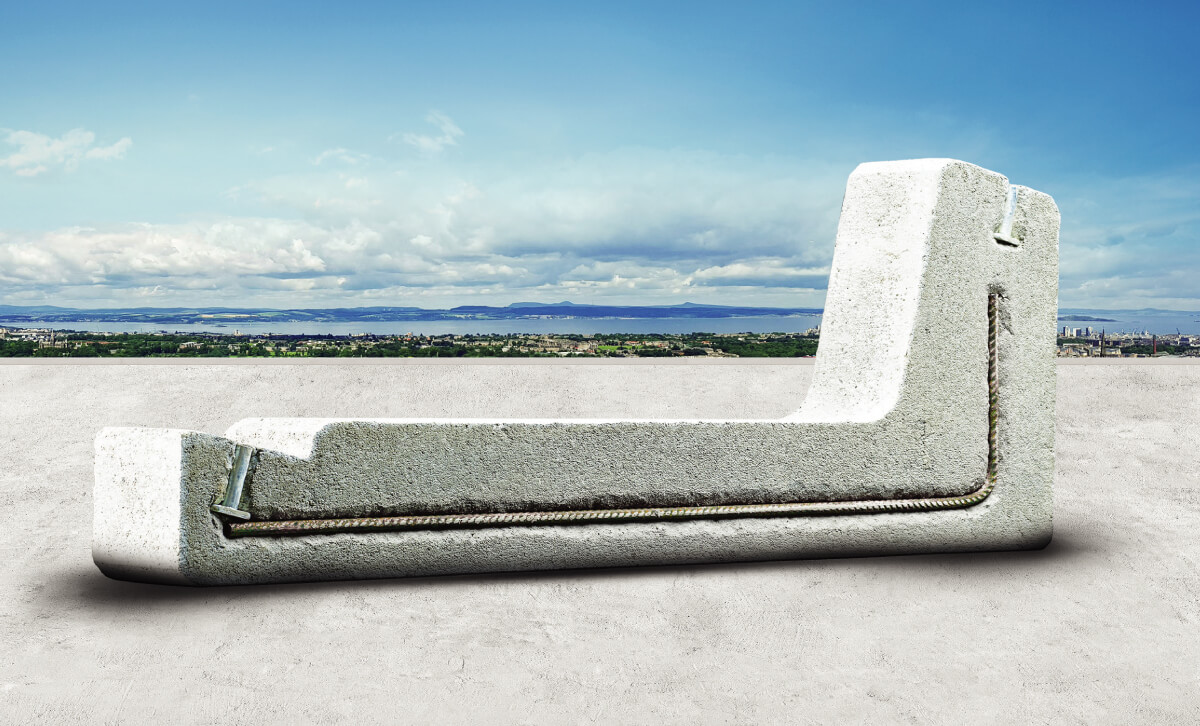
A Faster, Safer Way to Install PV on Flat
Roofs
Choosing the right ballast system for solar panels can make or
break a flat-roof photovoltaic project in Italy. Installers and designers know the real
challenges: long installation times, complex structures, and the risk of leaks caused by roof
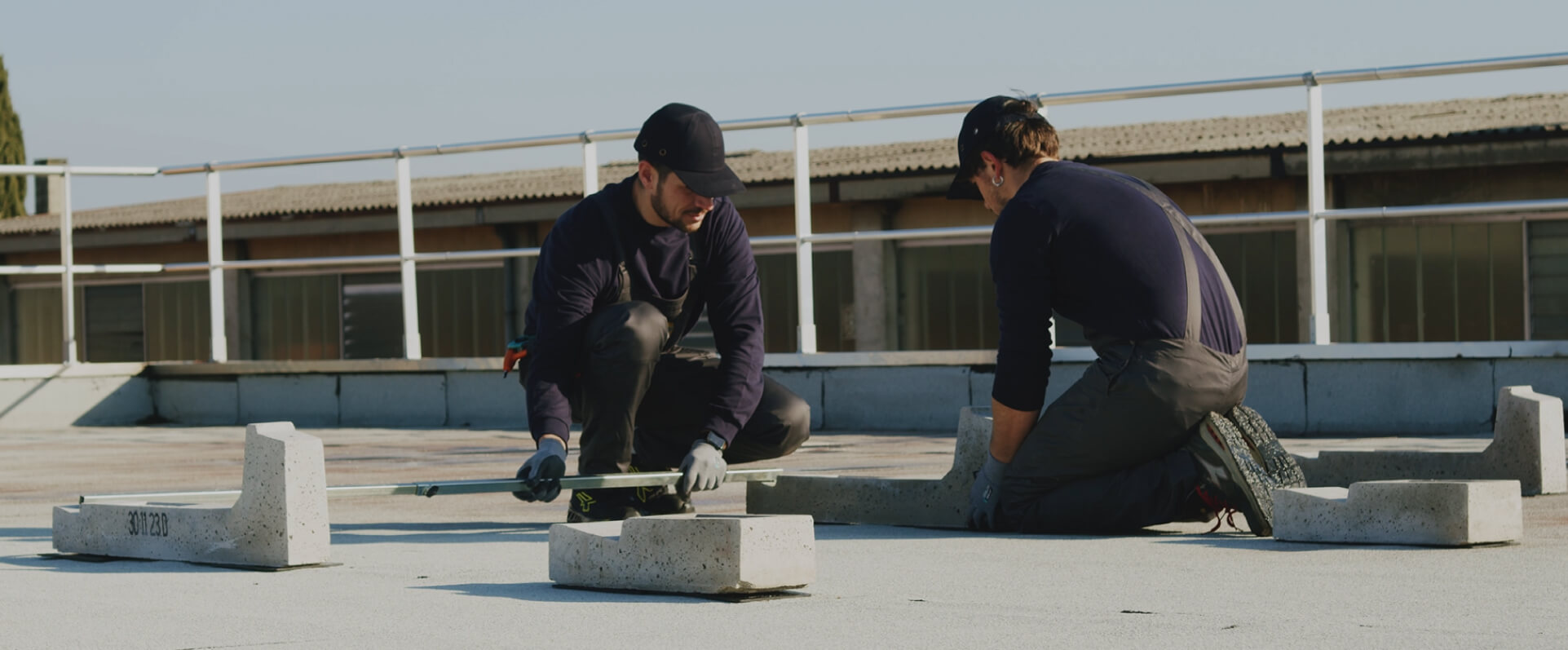
penetrations. A concrete ballast solution changes the game by allowing panel mounting without
drilling into the waterproof membrane—meaning fewer site problems, cleaner workflows, and faster
commissioning. For installers, this translates into simpler logistics, fewer components to
manage, and a more intuitive assembly process that helps crews complete more rooftops in less
time. For engineers and technical offices, the value is just as clear: predictable structural
behavior, tested configurations, and reliable data for wind and load calculations. Whether
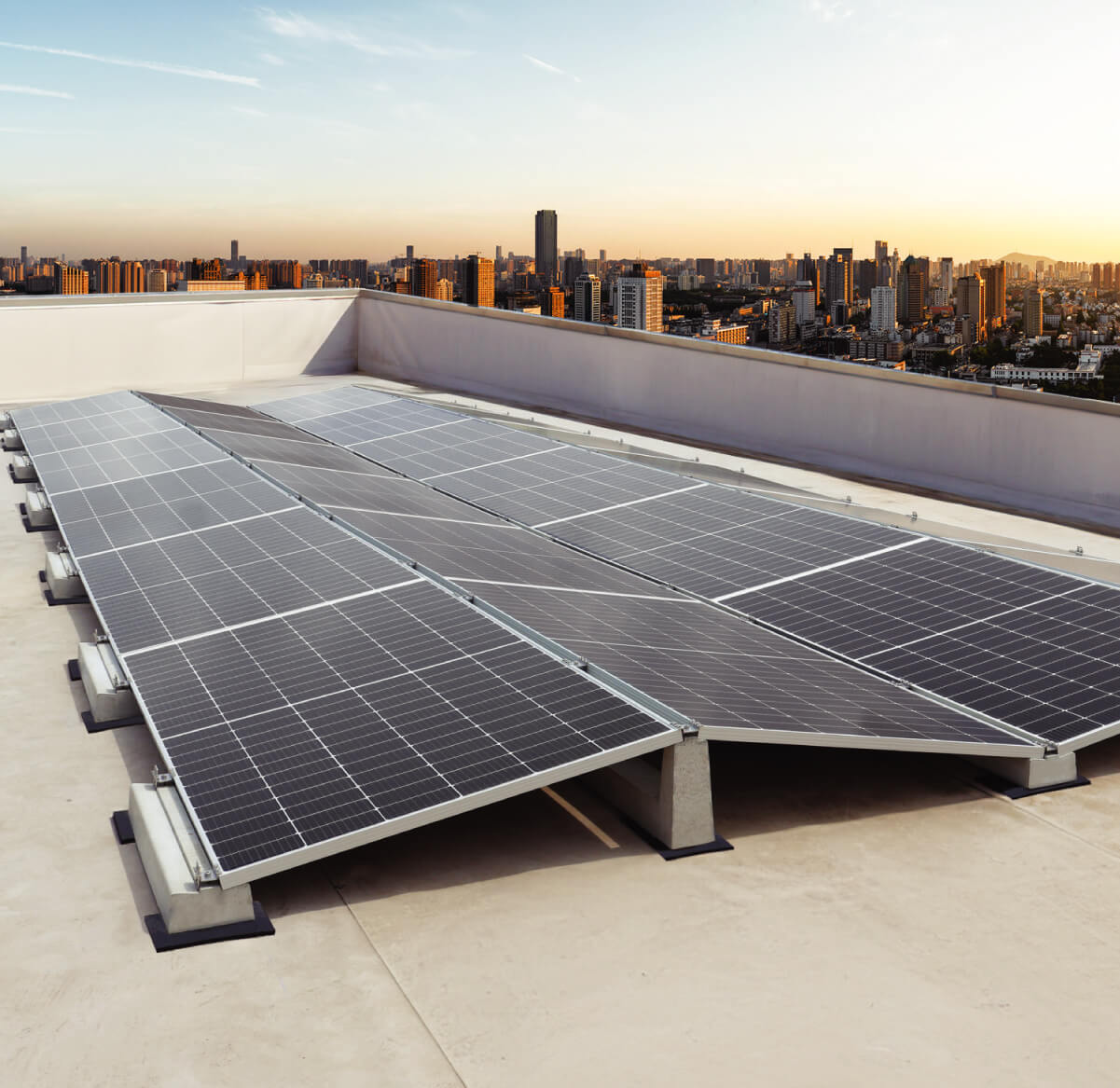
you’re working on industrial sheds, commercial buildings, or large flat-roof arrays, a
well-designed ballasted mounting system improves safety and reduces uncertainty. It also
supports better planning: from layout definition to module orientation and row spacing, the
system can be adapted to different roof constraints while keeping installation practical. In a
market where timelines are tight and responsibility is high, professionals need more than a
product—they need a complete, dependable solution that reduces operational complexity and
protects the roof. If your priority is speed, reliability, and a no-drill approach, a concrete
ballast system is one of the most effective choices for flat-roof solar in Italy.
Why Concrete Ballasts Reduce Risk and
Complexity
A high-quality ballast system for solar panels is built around one
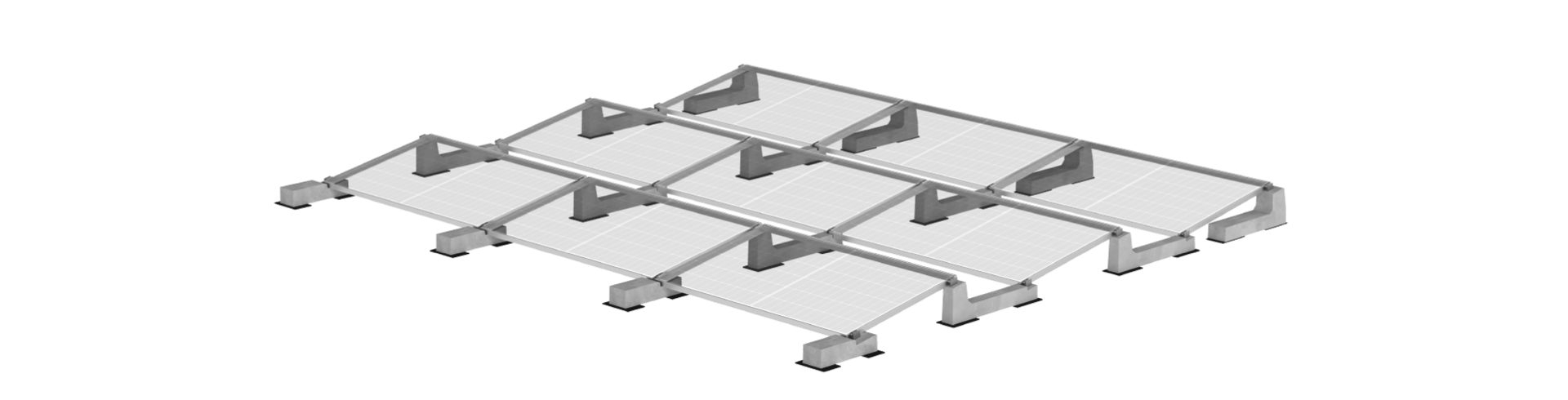
core promise: stability without compromising the roof. By relying on precast concrete weights,
the mounting structure stays anchored through calculated mass and smart geometry rather than
mechanical fixings. This greatly reduces the typical risks tied to flat roofs—water
infiltration, membrane damage, and costly remediation. From the installer’s perspective, fewer
roof interventions mean fewer approvals and fewer surprises once work begins. From the
designer’s perspective, the system supports clear verification of loads, wind uplift resistance,
and roof bearing capacity. In practice, ballasted PV mounting also streamlines procurement and
on-site handling: standardized elements, repeatable assembly steps, and less time spent aligning
complex rails and accessories. Related benefits include improved site safety, reduced
installation errors, and easier maintenance access when the array is planned correctly. For
distributors and wholesalers, a recognizable solution with consistent demand is easier to stock
and explain—especially when it comes with technical documentation and professional support. If
you’re aiming to deliver flat-roof PV projects that are efficient, clean, and dependable,
concrete ballasts offer a proven path—helping teams focus on performance, not on fighting the
roof.
Technical Support and Design Sizing for
Professionals
In B2B solar projects, the best ballast system for solar panels is
the one that comes with the right expertise behind it. Flat-roof design isn’t only about placing
modules—it involves wind zones, roof exposure, parapet effects, allowable loads, and layout
optimization to balance energy yield with structural constraints. That’s why professional
support during the design phase matters: accurate system sizing, verified configurations, and
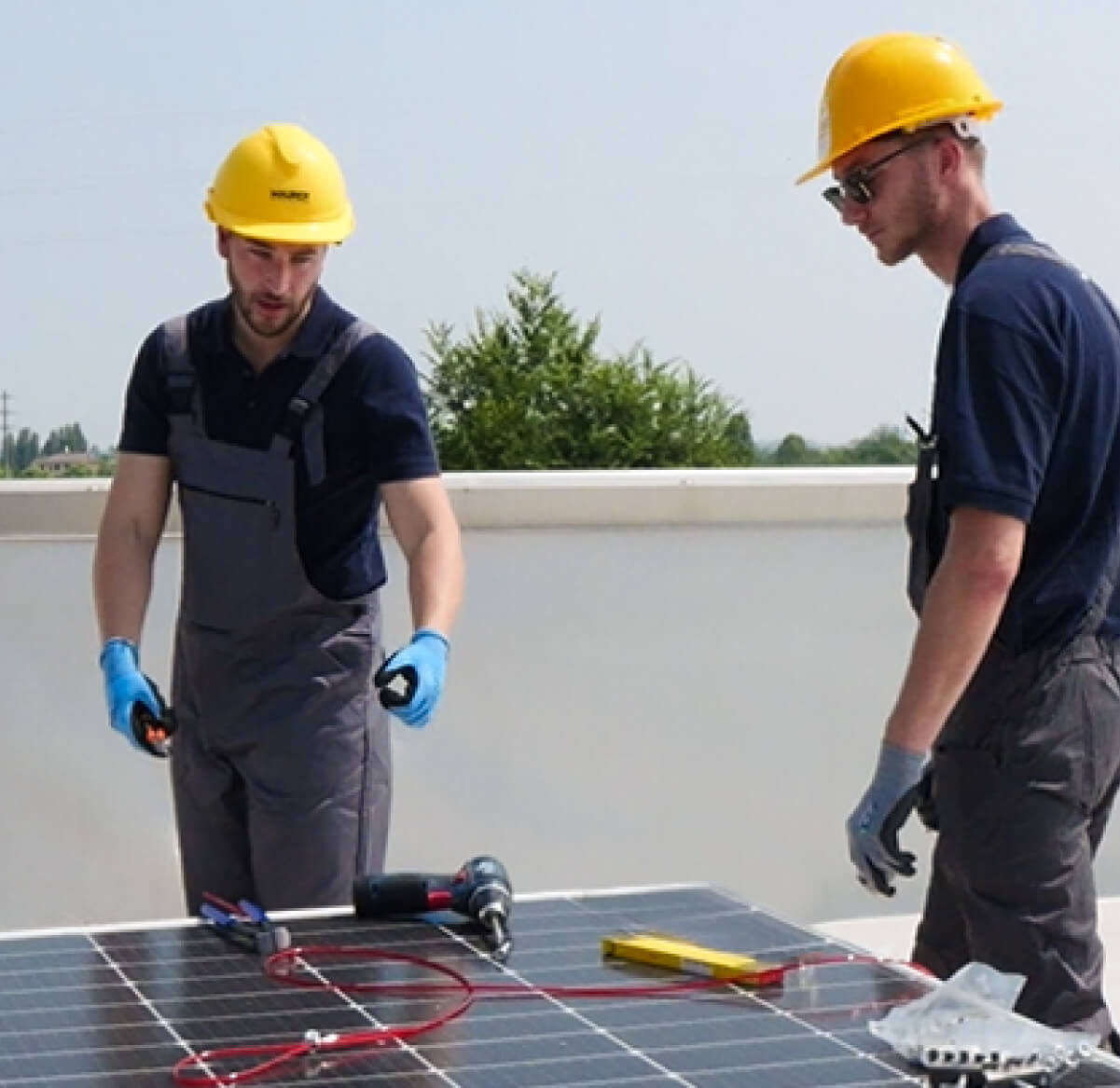
practical guidance that helps move from concept to execution with confidence. For installers,
this means arriving on site with a clearer plan, fewer adjustments, and a faster installation
sequence. For engineers and technical studios, it means working with dependable inputs and
reducing design risk—especially on larger rooftops where details can affect both compliance and
long-term durability. Commercial support also plays a role: clear lead times, project follow-up,
and assistance that helps avoid delays. When a partner provides tested solutions, ongoing
innovation, and a focus on simplicity, the result is a smoother project lifecycle—from
preliminary assessment to final installation. If you work in Italy’s solar sector and need a
flat-roof mounting approach that protects the membrane, speeds up installation, and supports
accurate calculations, a complete ballasted solution is the practical choice for delivering
reliable PV results.