Ballast Support: the Smart Choice for Flat
Roof Solar in Italy
In Italy, flat roofs are a prime opportunity for photovoltaic
systems, but they also bring familiar challenges: waterproofing risks, complex mounting
hardware, and long installation times. A well-designed ballast support solves these issues by
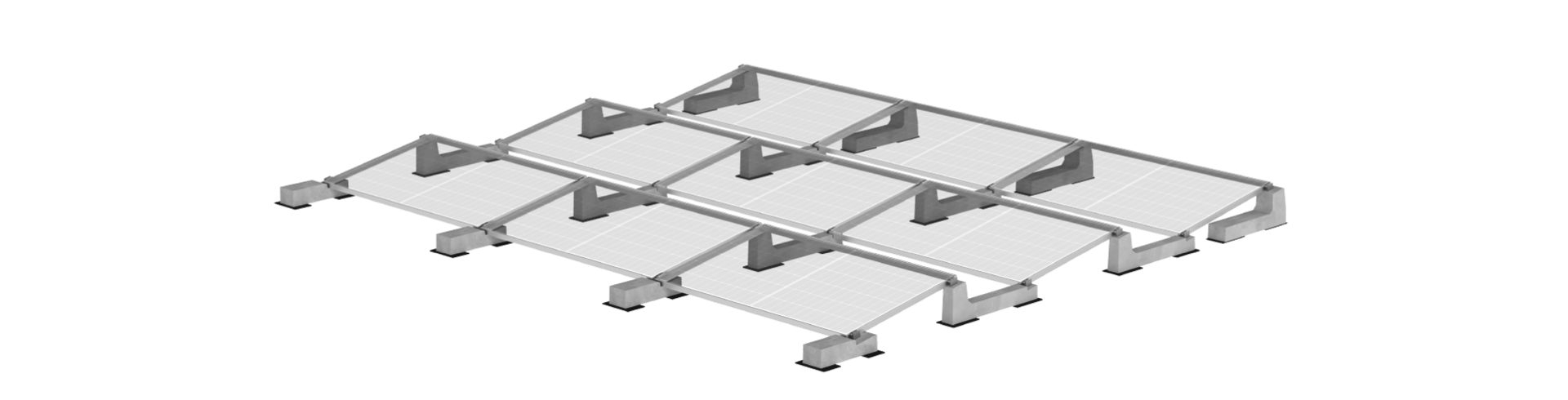
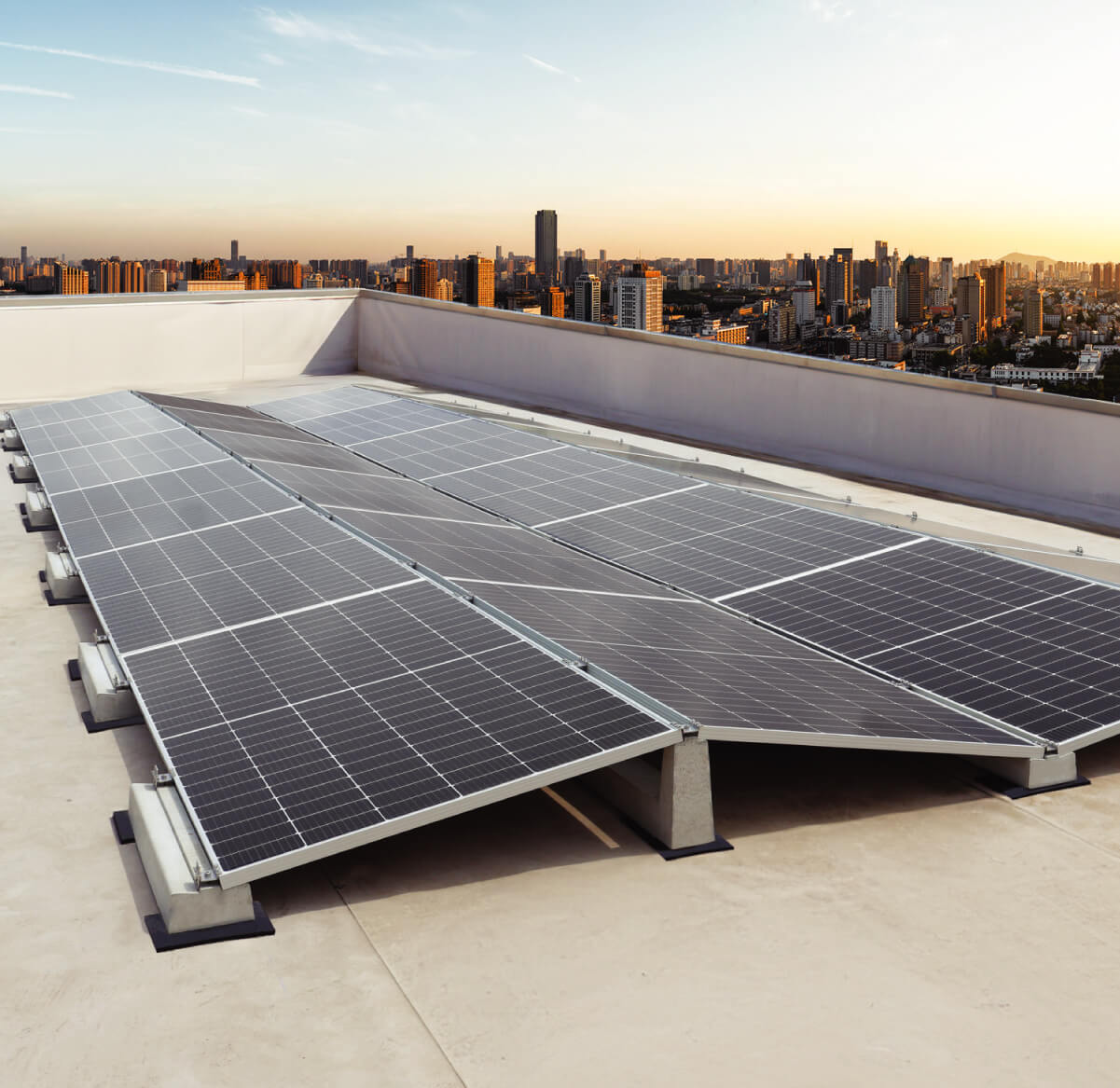
keeping the PV structure stable through engineered concrete weights, so panels can be installed
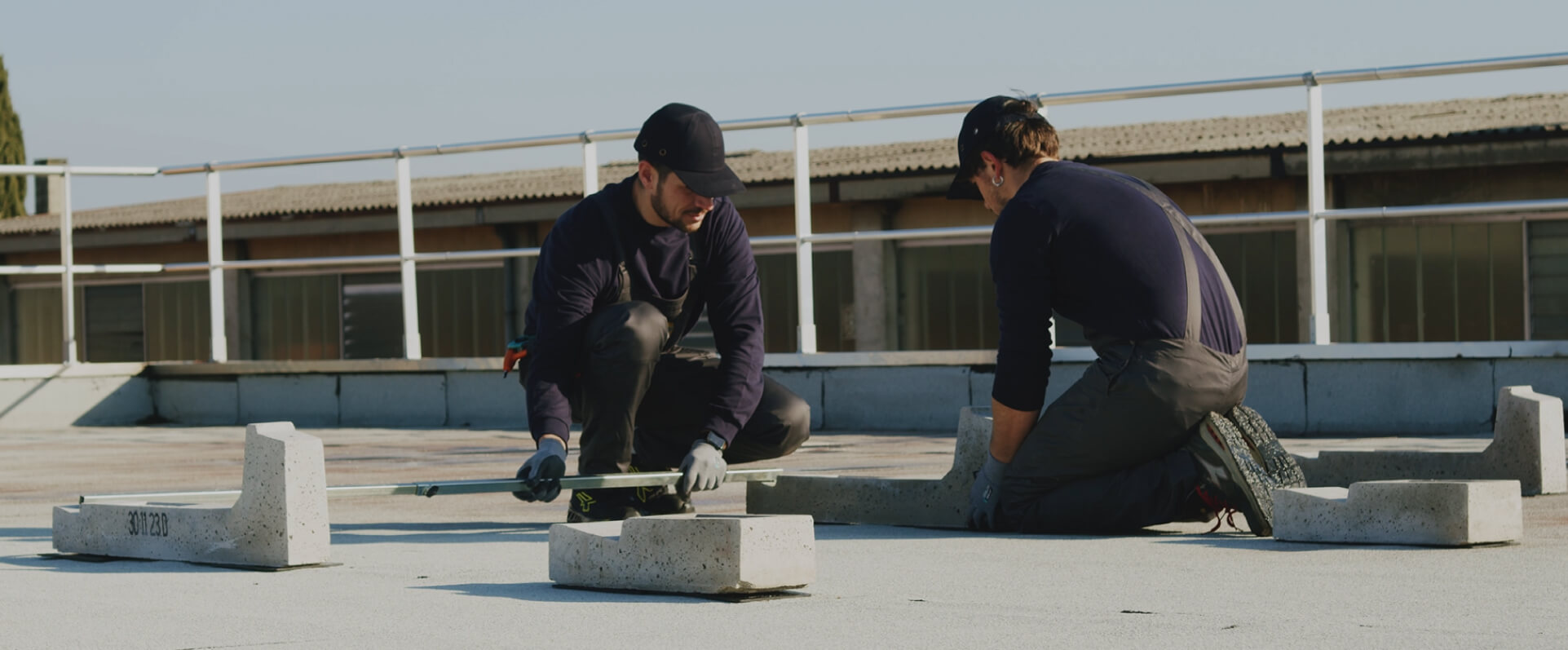
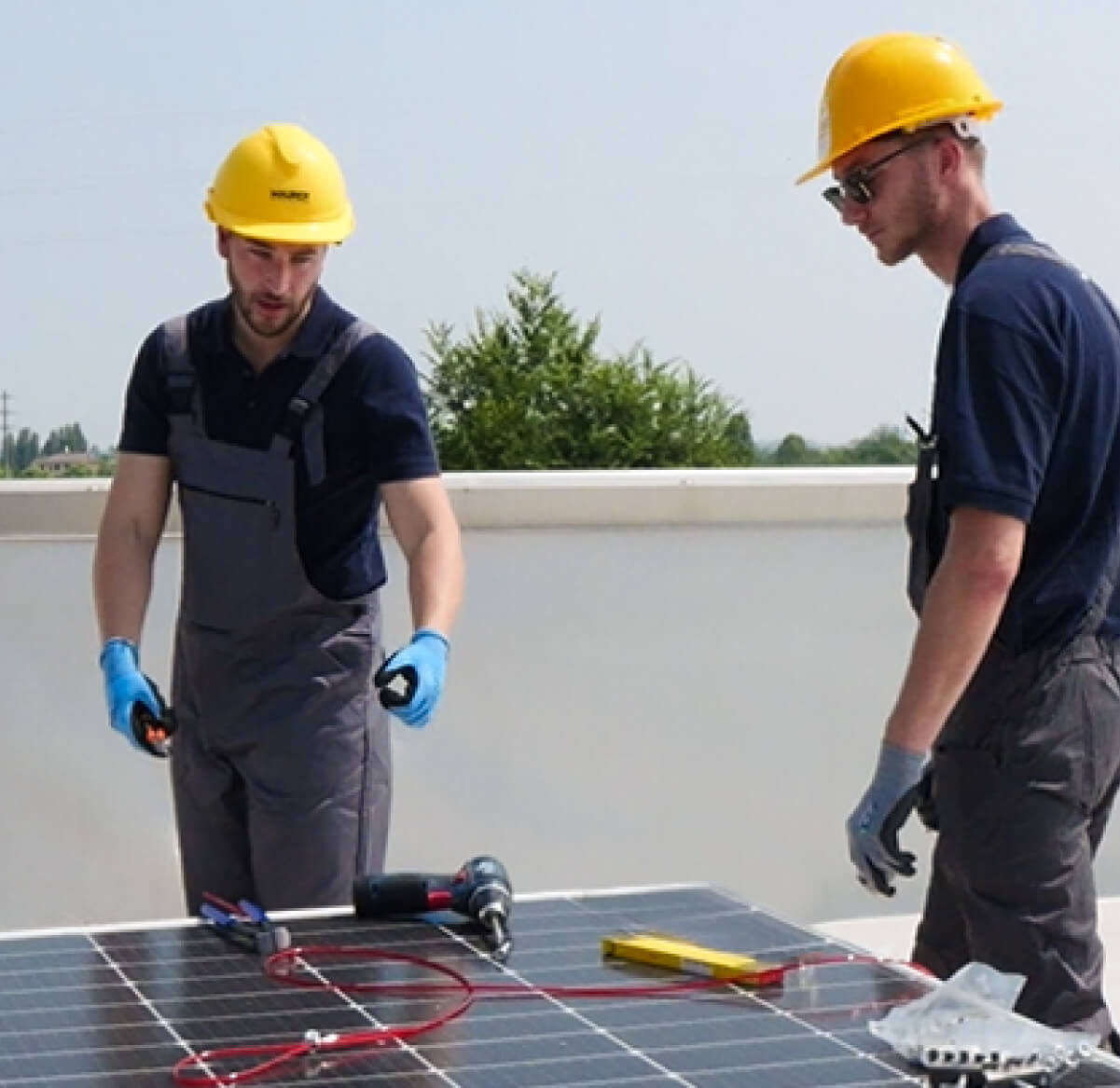
without drilling into the roof membrane. For installers, that means fewer components to handle,
simpler on-site workflows, and faster commissioning—critical when schedules are tight and crews
are managing multiple rooftops. For designers and engineers, ballast support offers a more
predictable approach to load distribution, helping reduce uncertainty around roof penetrations
and sealing details. The result is a cleaner rooftop layout, easier maintenance access, and a
professional finish that clients immediately understand. When you choose a ballast support
system created specifically for flat roofs, you’re not just buying hardware—you’re selecting an
installation method that prioritizes safety, durability, and speed, while minimizing operational
headaches on site. In a market where every hour counts and callbacks are costly, a
non-penetrating solution can be the difference between a smooth project and a complicated one.
Why Installers Prefer Non-Penetrating Ballast
Support Systems
Installers choose ballast support because it removes one of the
biggest pain points on flat roofs: fixing to the structure. With no holes to drill, you reduce
the risk of leaks and the time spent on sealing, inspections, and remediation. Concrete ballasts
also streamline logistics on the roof—fewer rails, fewer fixings, and intuitive assembly
translate into quicker mounting and fewer installation errors. A reliable ballast support
configuration can be designed to fit common module orientations, maintain correct tilt, and
support neat cable management, improving both performance and aesthetics. For distribution
partners, this kind of solution is easier to explain and easier to stock: it’s recognizable, in
demand, and suited to many commercial rooftops. Most importantly, it helps installers
standardize their method across projects, cutting training time and keeping crews productive. If
your goal is to deliver more systems per month without sacrificing quality, choosing the right
ballast support is a practical advantage.
Technical Sizing, Wind Loads, and Project
Support—Built Around Ballast Support
A ballast support solution must be more than “heavy enough.” In
Italy, wind exposure, building height, roof zones, and module layout all influence the required
ballast and overall stability. That’s why professional projects rely on verified data, tested
configurations, and clear documentation for design checks. With proper technical support during
the planning stage, you can size the PV array, evaluate loads, and select the most efficient
ballast support arrangement without overcomplicating calculations. This reduces design risk and
gives engineers and project managers confidence that the system is aligned with site conditions.
From preliminary layouts to execution-ready details, having a technical partner helps prevent
last-minute changes on site and keeps timelines under control. If you want a flat-roof PV
installation that is faster to build, safer for the waterproofing layer, and easier to engineer,
a dedicated ballast support approach is the proven path—especially when it’s backed by
experienced project assistance and a solution designed specifically for flat roofs.