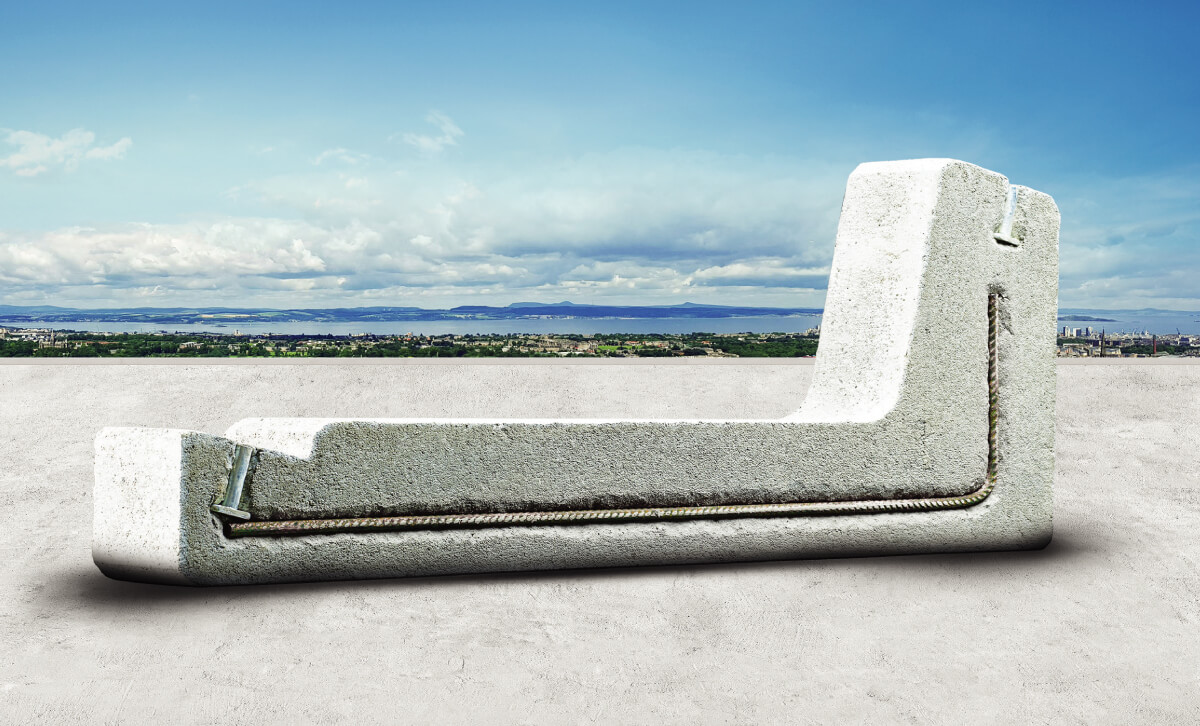
Why a Ballast Structure Is the Smart Choice
for Flat Roof PV
For many PV professionals in Italy, the biggest headache on flat
roofs is balancing speed, safety, and long-term reliability. That’s exactly where a ballast
structure makes the difference. Instead of relying on roof penetrations, a ballasted mounting
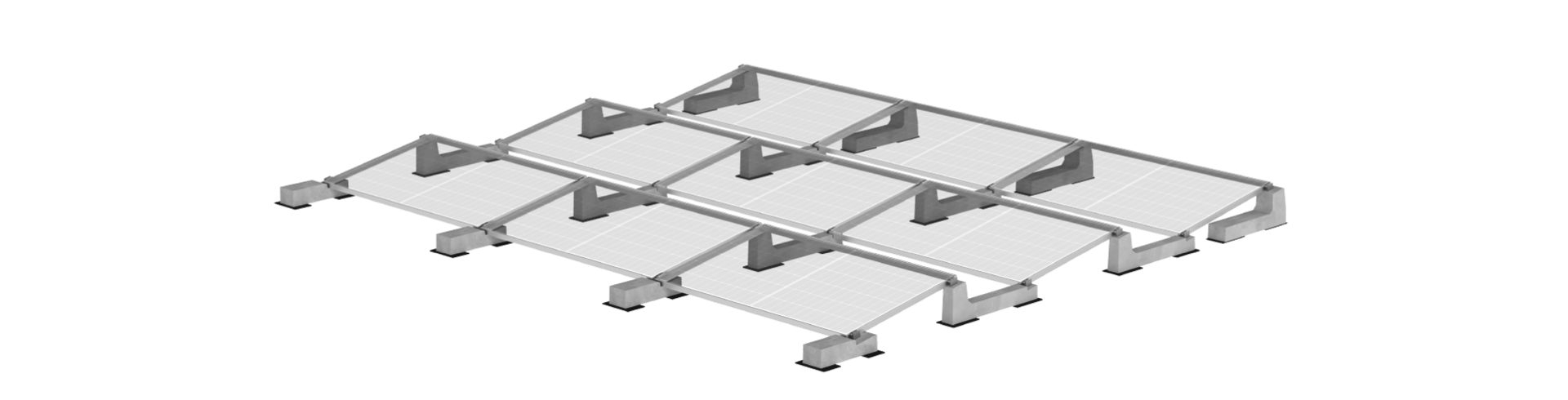
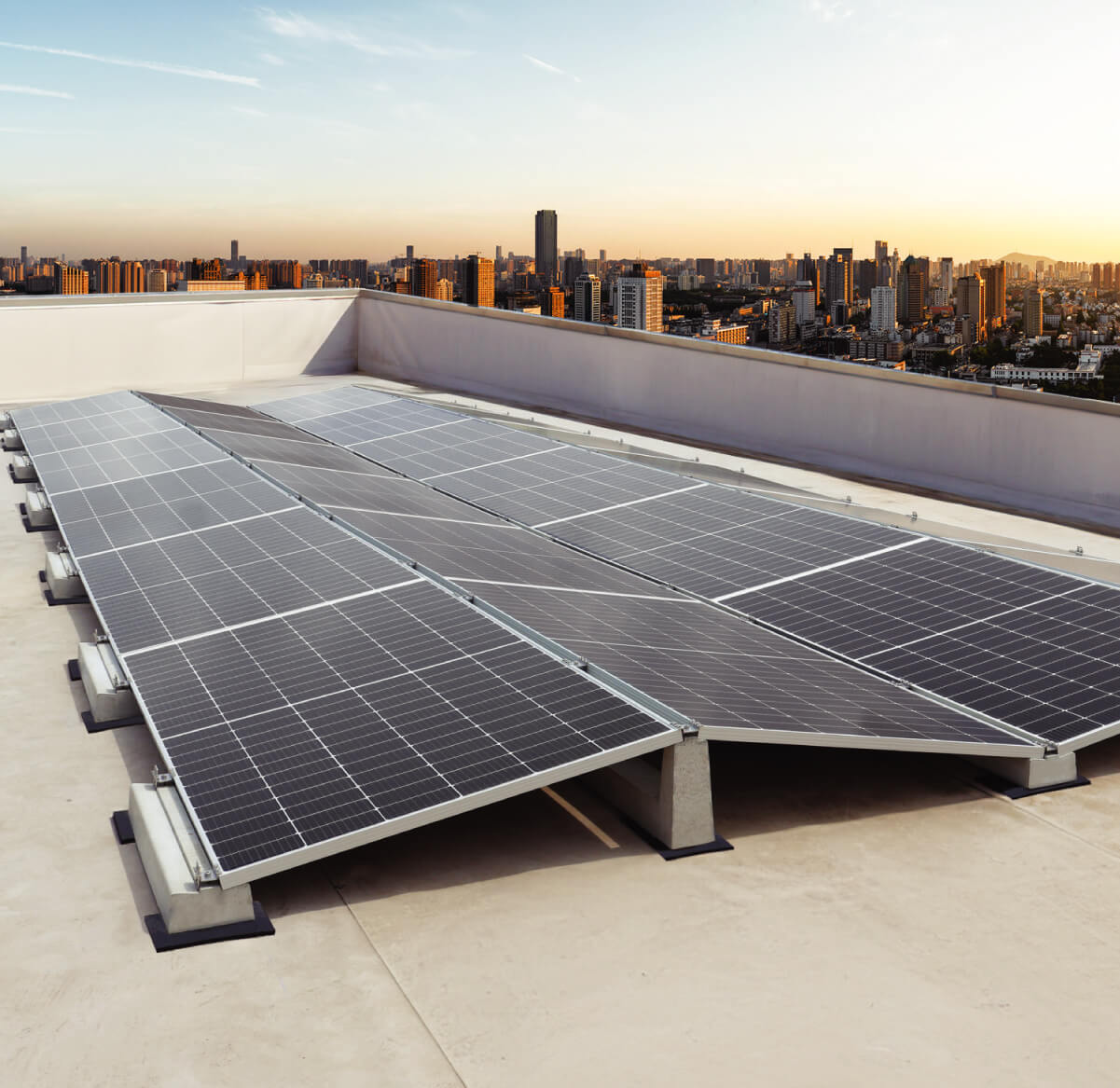
system uses engineered concrete weights to keep photovoltaic modules stable while protecting the
waterproof membrane. The result is a cleaner workflow on site: fewer steps, fewer unknowns, and
fewer risks of leaks.
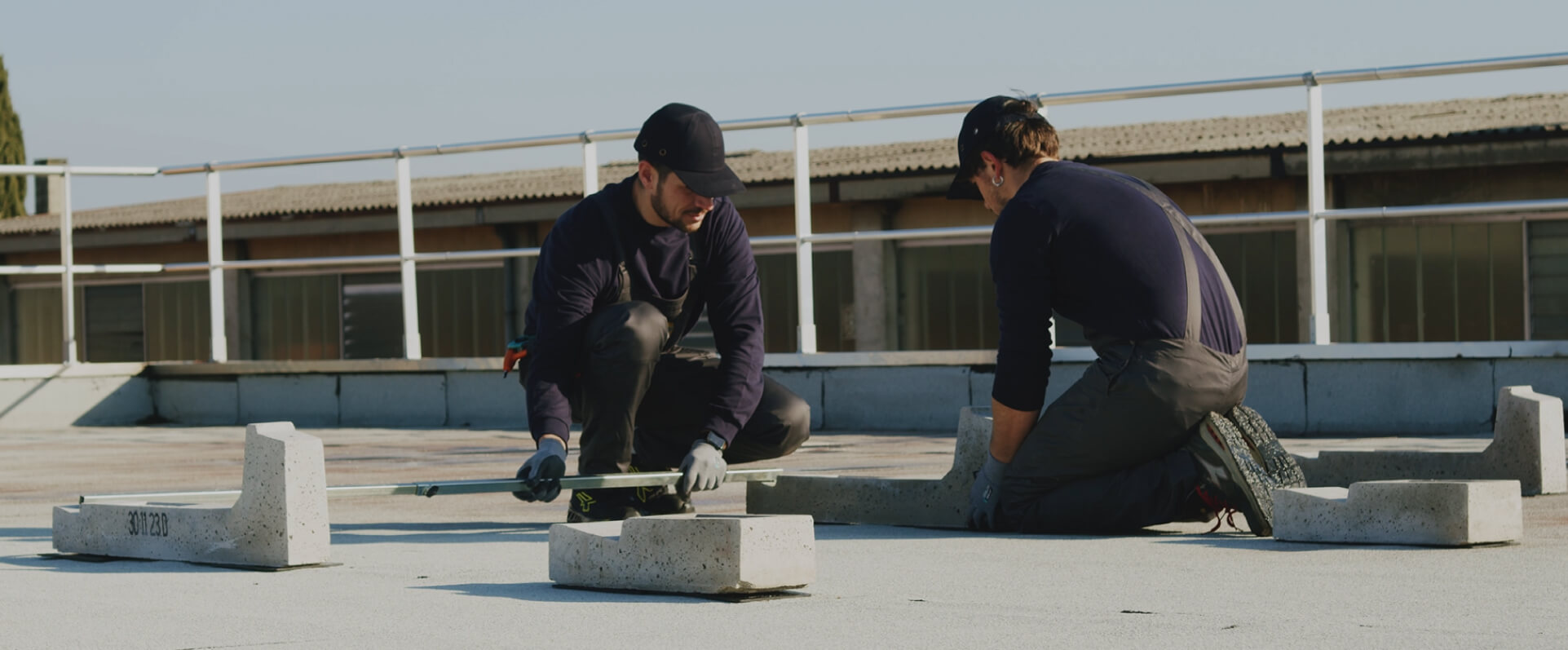
Installers appreciate the practical benefits immediately—less hardware to manage, simpler
layouts, and quicker positioning of panels. Designers and engineers also gain an advantage: a
ballast structure is typically supported by tested configurations and clear technical data,
making it easier to approach wind loads, roof constraints, and structural checks with
confidence. For distributors, it’s a product category that’s straightforward to explain and
consistently requested, because it solves real, recurring issues on commercial and industrial
buildings.
If your goal is to deliver flat-roof PV projects that are efficient to build and dependable over
time, choosing a well-designed ballast structure is not just a technical detail—it’s a strategic
decision that can reduce installation time, limit complications, and improve overall project
outcomes.
Faster Installation, Less Risk: The Real
Advantages on Site
A well-planned ballast structure is designed to remove friction
from daily work on the roof. No drilling means no waiting for sealing operations, no uncertainty
about membrane compatibility, and a lower chance of costly callbacks. With fewer components and
an intuitive assembly logic, crews can standardize their installation process and keep
productivity high—especially on large flat roofs where every minute matters.
From a technical perspective, ballasted PV mounting supports better project control. You can
plan tilt angles, row spacing, and cable management more cleanly, while respecting rooftop
obstacles like HVAC units, skylights, or parapets. Because loads are distributed through the
ballast elements, the system can help manage roof constraints without overcomplicating the
structure.
In short: a ballast structure helps installers move faster and helps designers reduce
uncertainty—two benefits that directly translate into smoother projects and stronger margins.
A Complete Technical Partner for Ballasted PV
Projects
Choosing a ballast structure is only part of the solution; what
really elevates a project is having the right technical backing behind it. For PV installers and
engineers working across Italy, access to reliable sizing support, layout guidance, and project
development assistance can significantly reduce risk—especially when dealing with wind exposure,
edge zones, and complex rooftop geometries.
The most effective approach is a complete solution built around concrete ballast blocks for
photovoltaic systems, created specifically for flat roofs and validated through testing and
field experience. When the mounting design is supported from early planning through execution,
you don’t just buy a product—you gain a streamlined process. That means clearer documentation,
fewer revisions, and more confidence at every stage, from preliminary concept to installation
day.
If you want to deliver flat-roof PV systems that are quick to build, easy to manage, and built
to last, a high-quality ballast structure paired with solid technical support is one of the most
persuasive choices you can make.