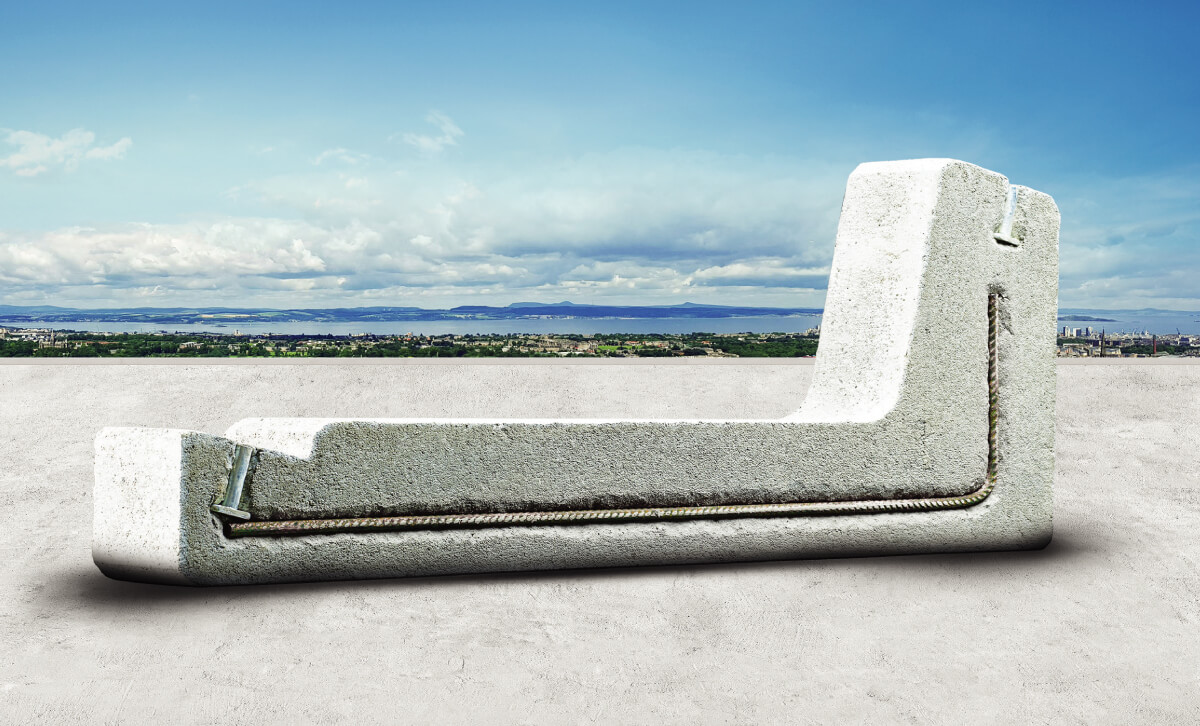
Why a Ballast Solar System Makes Flat-Roof PV
Easier
In Italy, flat-roof photovoltaic projects often come with a
familiar headache: how to secure modules without turning the roof into a risk. A ballast solar
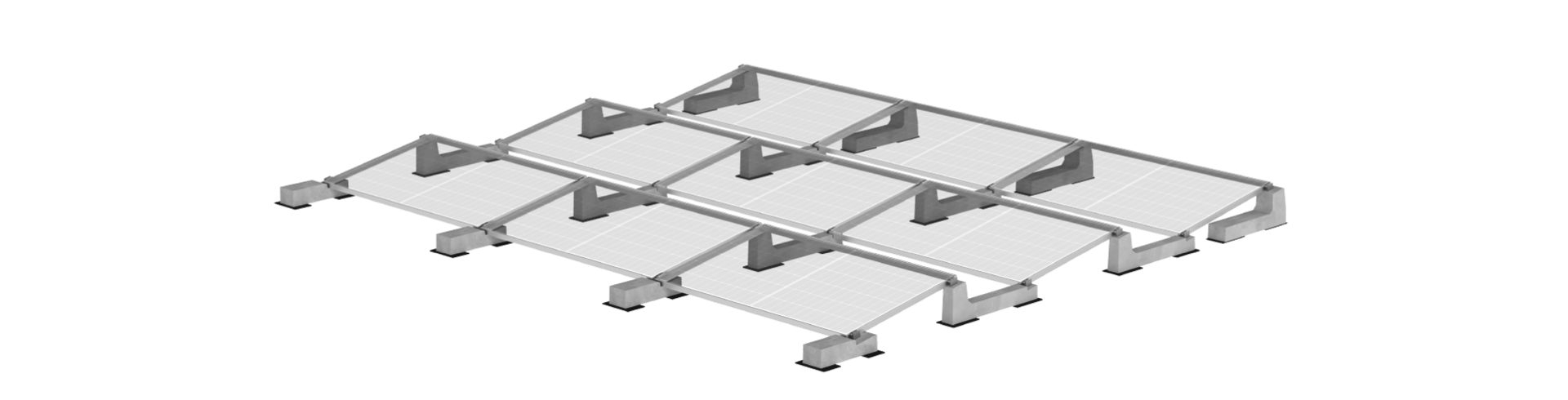
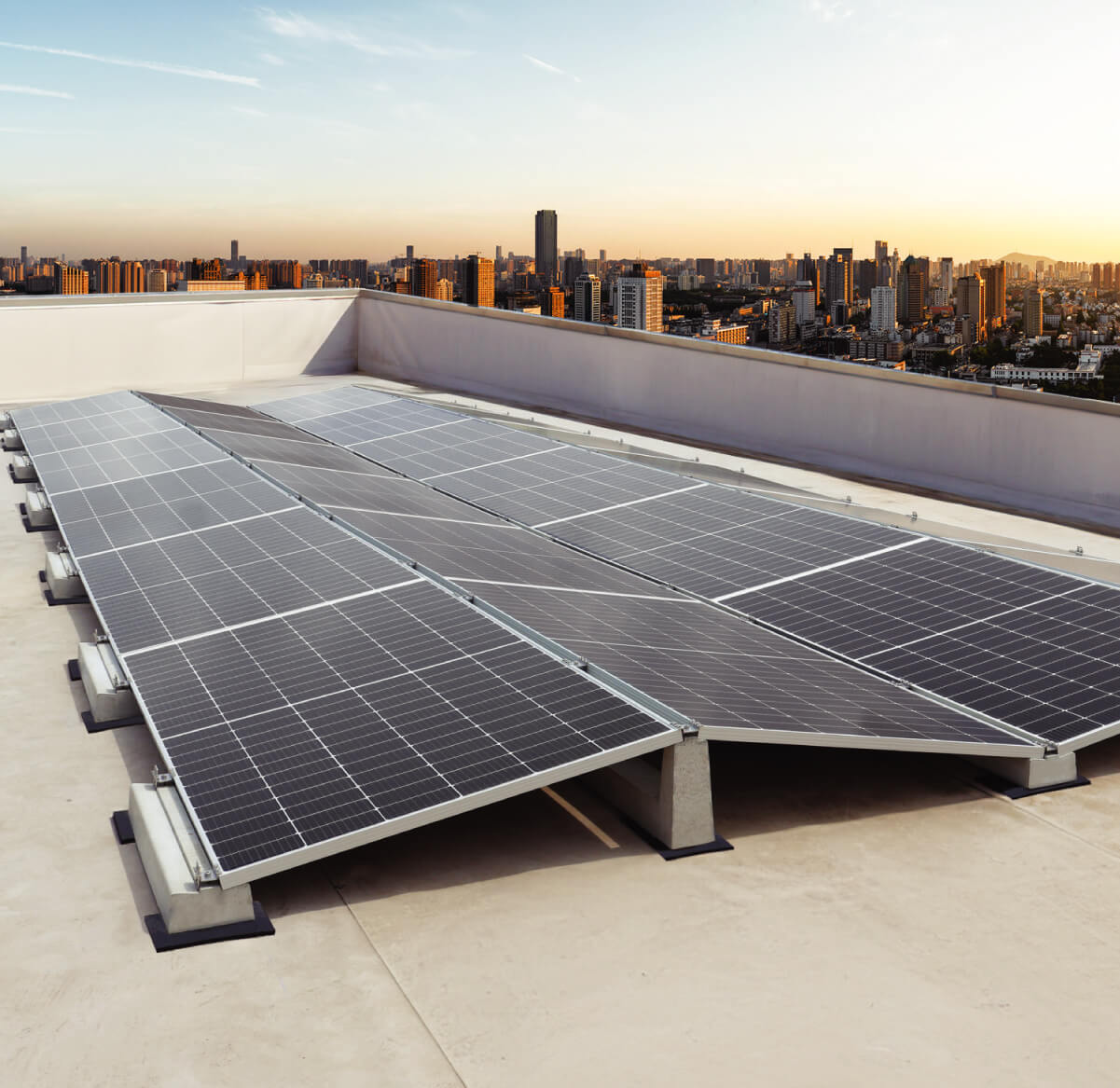
system solves this with a simple idea—stability through weight, not penetrations. Instead of
drilling and waterproofing dozens of fixing points, you place concrete ballast supports designed
to hold PV panels in position while respecting the roof membrane. The result is a cleaner site
workflow, fewer variables, and faster timelines.
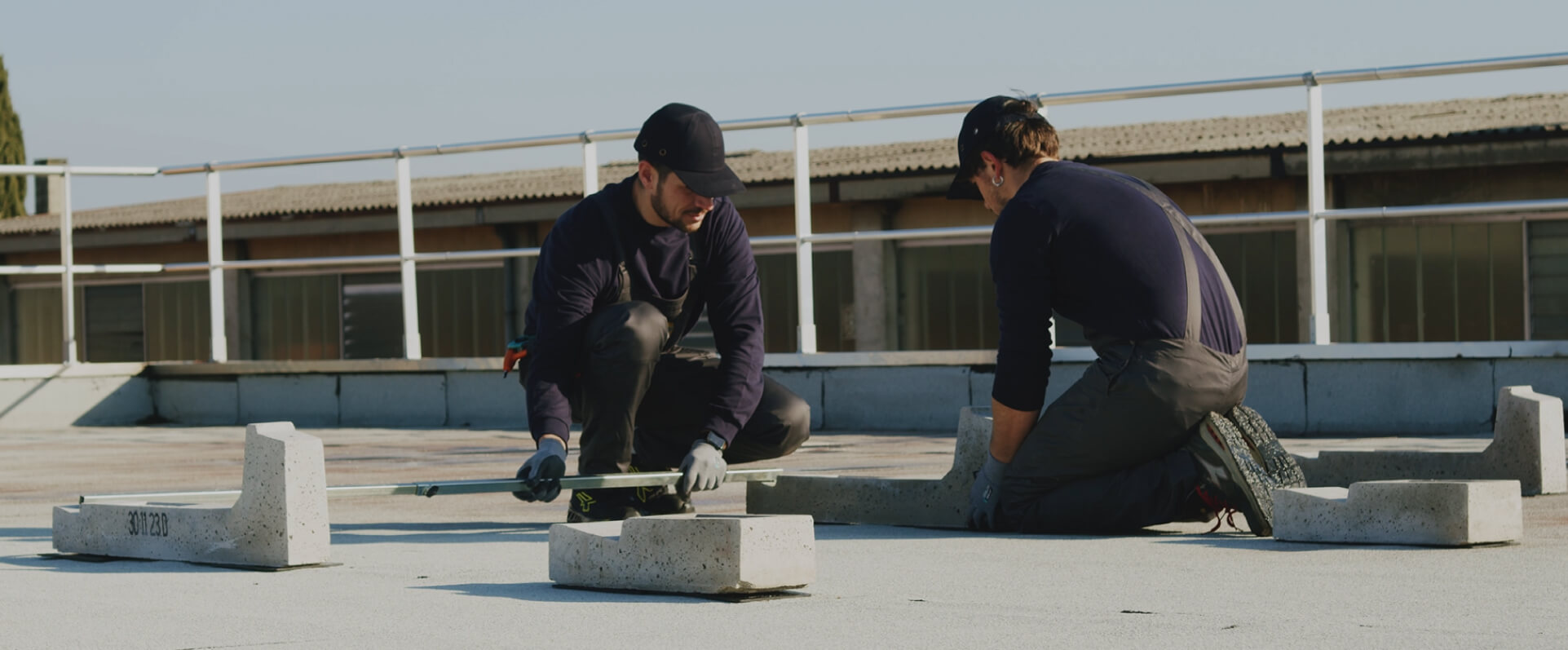
For installers, that speed matters. With fewer components and an intuitive layout, crews can
assemble structures quickly and repeatably, reducing on-roof time and minimizing mistakes. For
designers and engineers, the benefit is confidence: a well-defined system with tested
configurations supports clearer calculations for wind uplift, loads, and overall structural
performance.
Just as important, a ballast solar system keeps the roof owner’s concerns front and center. No
holes means fewer chances of future water ingress, fewer disputes, and less time spent on
remediation. If your next project involves warehouses, industrial buildings, or commercial flat
roofs, choosing a ballasted PV mounting approach can turn complexity into a straightforward,
professional installation—without compromising reliability.
Concrete Ballast Supports: Reliable, Tested,
and Built for the Job
Not all flat roofs are the same, and not all PV mounting solutions
behave the same under real conditions. That’s why concrete ballast is valued: it delivers
durable, predictable mass and long-term stability. A quality ballast solar system is engineered
to work with different module orientations and tilt angles, helping you optimize energy yield
while staying within site constraints.
For technical teams, the key is having dependable data. Wind exposure, parapets, building
height, and local conditions across Italy can change the design approach dramatically. When the
mounting system is based on proven, standardized elements, it becomes easier to size the array,
verify load distribution, and document choices. That reduces project risk and speeds up
approvals.
For distributors and wholesalers, a recognizable, in-demand ballasted solution is easier to
stock and recommend because it answers common objections: “Will it hold in strong winds?” “Will
it damage the membrane?” “How long will installation take?” A concrete-based ballast solar
system addresses these points with a straightforward promise: solid support, simplified
logistics, and a system that’s ready for professional sites.
A Complete Ballast Solar System Solution: From
Design Support to Installation
The difference between buying parts and delivering a successful PV
plant often comes down to support. The best ballast solar system approach is not just about the
blocks—it’s about getting the configuration right from the start. Installers benefit when
technical guidance is available during the design phase, including layout suggestions, system
sizing, and help managing wind and load considerations. That means fewer surprises once the
materials arrive on site.
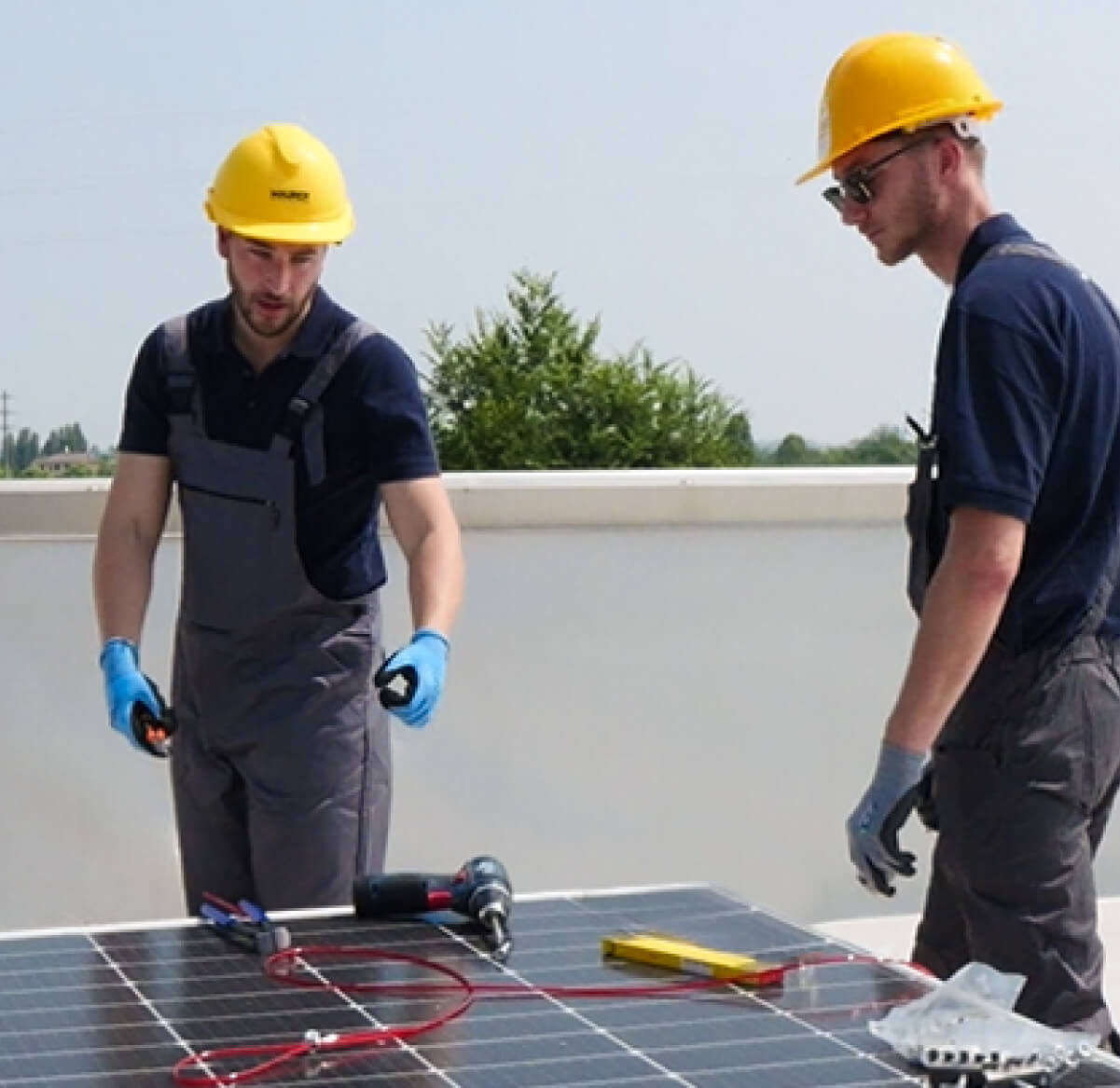
On the roof, simplicity becomes a competitive advantage. A ballasted mounting structure with
fewer accessories can reduce assembly time and make training easier for new crews. With no roof
penetrations, you also limit the steps that typically slow projects down: drilling, sealing, and
waiting on waterproofing checks. The workflow is smoother, the handover is cleaner, and the
client experience improves.
If you work on flat-roof PV in Italy—whether you install, design, or supply—choosing a ballast
solar system can help you deliver more projects with less friction. It’s a practical,
professional way to increase efficiency, reduce operational complexity, and build long-term
confidence in every installation.