Why a 5 Degree Solar Ballast Is the Smart
Choice for Flat Roof PV
For installers and designers working on flat roofs in Italy, a 5
degree solar ballast is a practical way to combine speed, safety, and predictable performance.
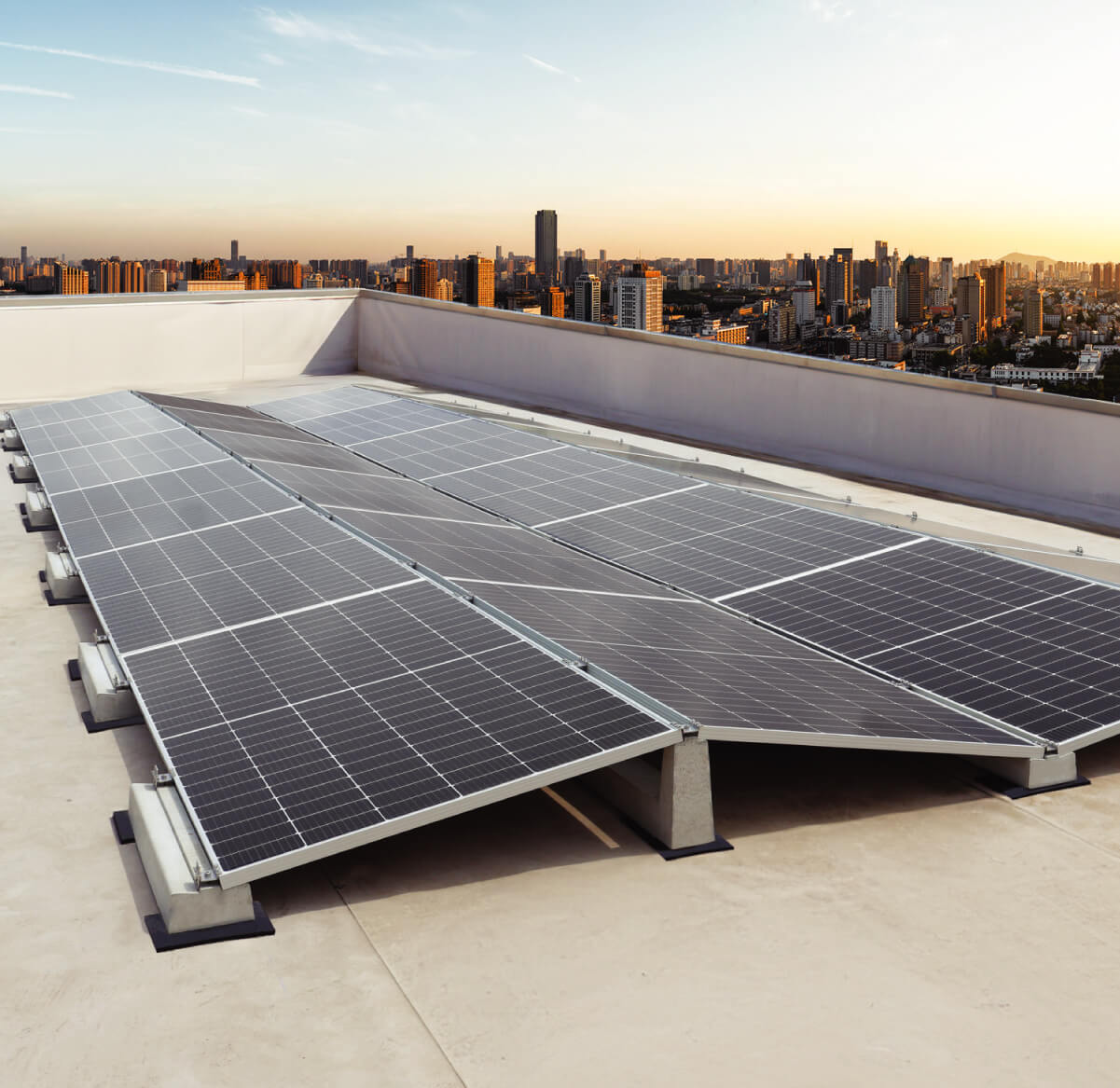
The 5° tilt is often chosen when you need a low-profile array that respects height constraints,
reduces shading risk between rows, and helps simplify layout on limited roof space. Most
importantly, ballast-based mounting avoids roof penetrations, meaning you can protect waterproof
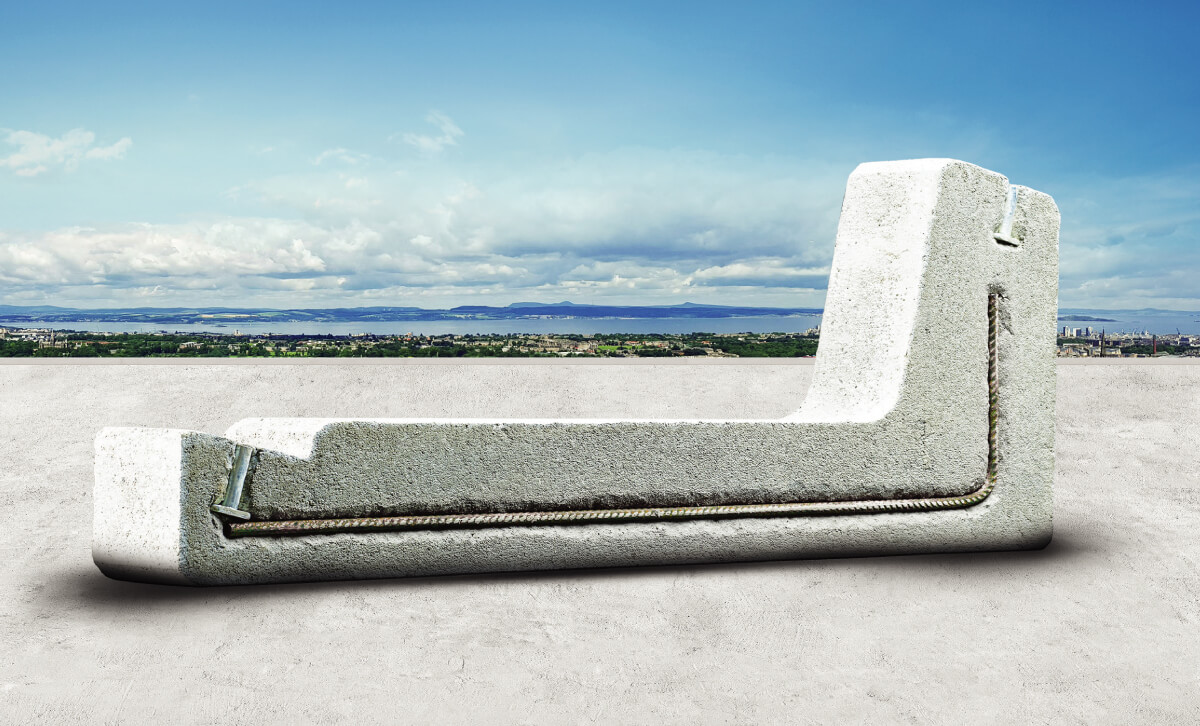
membranes and cut down on sealing work and callbacks. A well-engineered 5 degree solar ballast
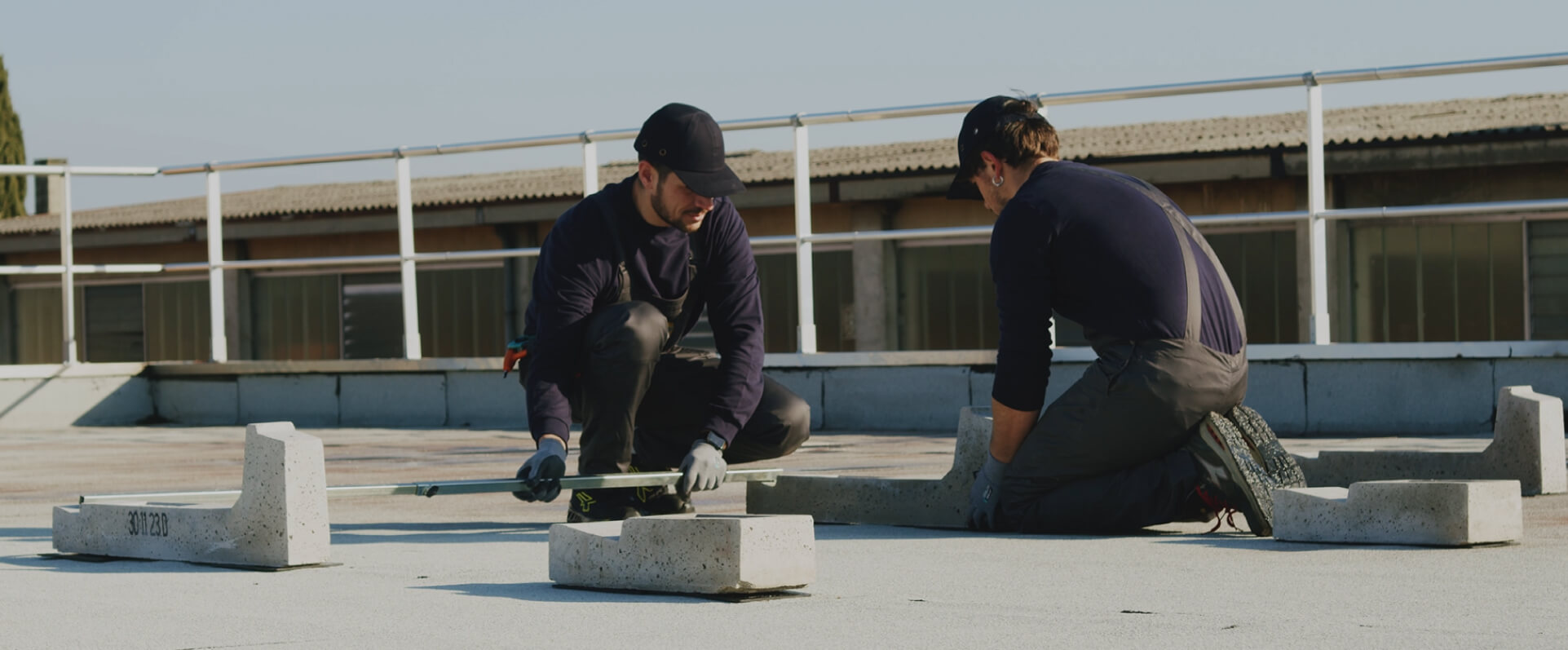
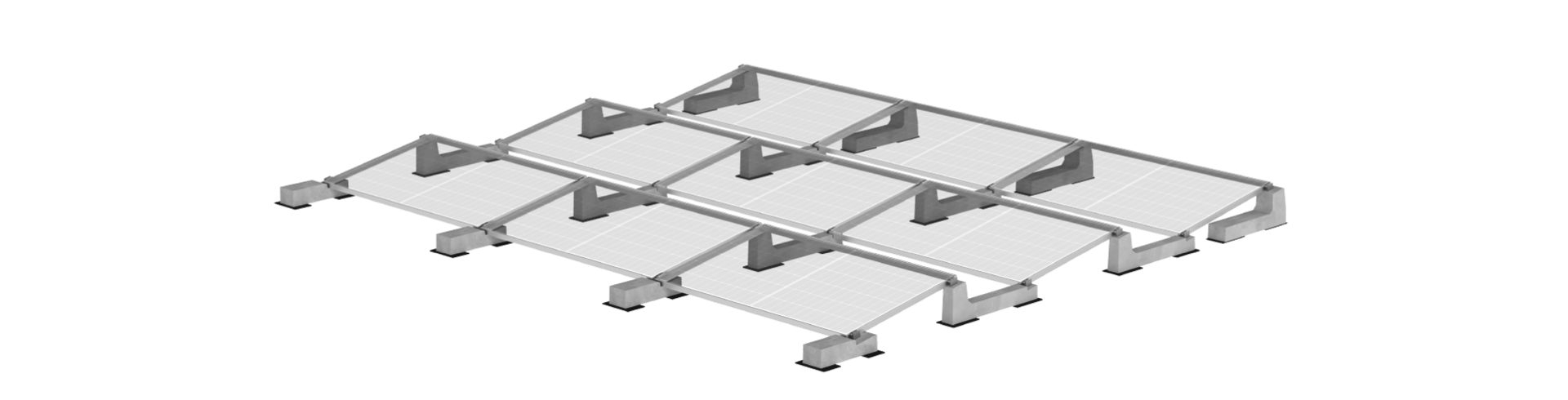
system uses precast concrete weights to keep modules stable against wind uplift while
maintaining a clean, organized installation. This approach is especially valuable on industrial
buildings and commercial rooftops where downtime must be minimized. For PV professionals, fewer
parts and a straightforward assembly process can translate into faster crews, clearer site
logistics, and more consistent results across projects. When combined with reliable technical
documentation—such as load data, wind considerations, and configuration guidance—this solution
becomes not just a component, but a repeatable method for flat-roof solar projects. If your goal
is to install more kilowatts per week with fewer surprises on site, a 5 degree solar ballast can
be the foundation of a safer, cleaner, and more efficient workflow.
Faster Installation with Fewer Components and
No Roof Drilling
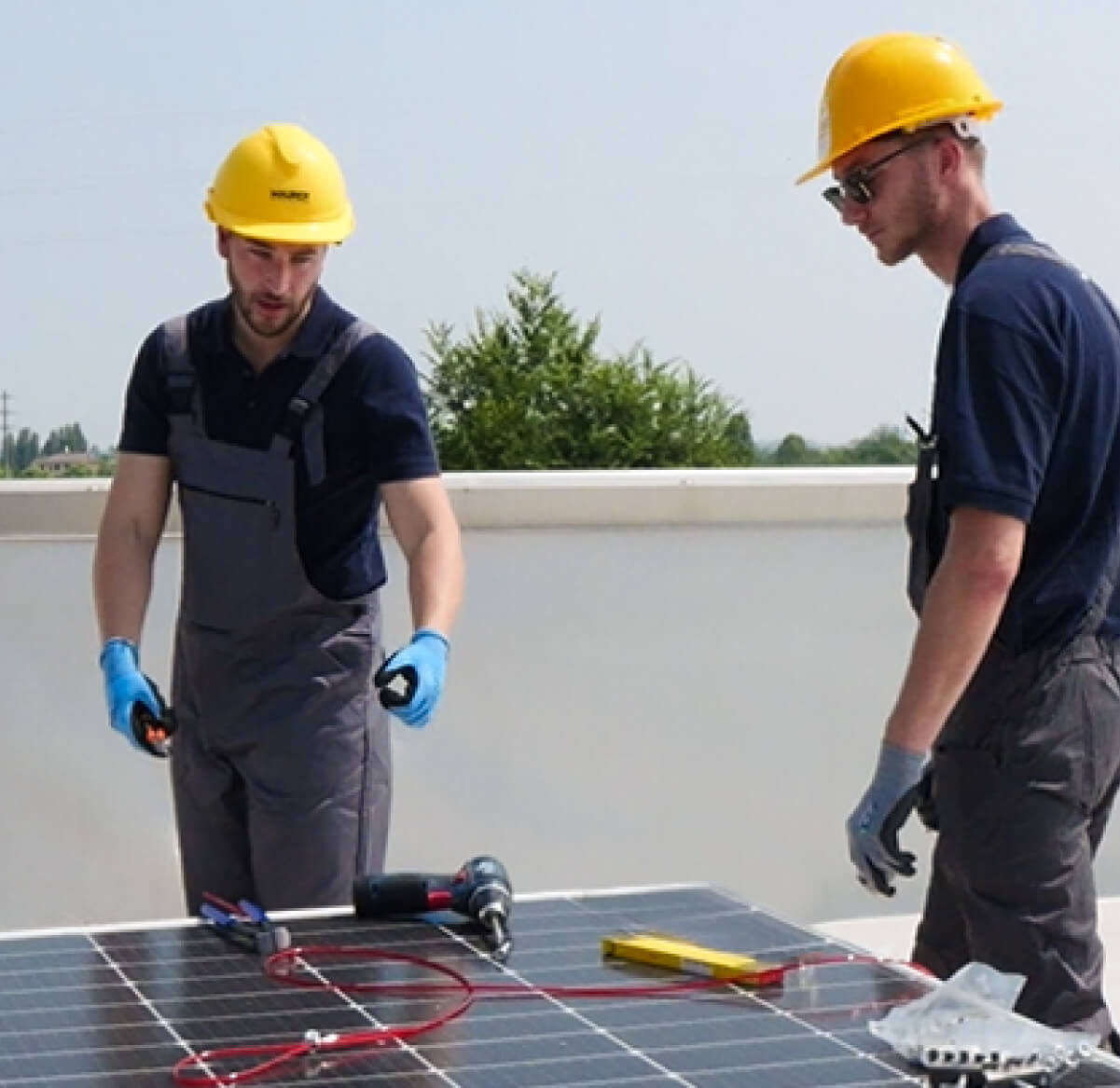
Time on the roof is money. A 5 degree solar ballast setup is
designed to streamline installation by minimizing structural complexity: fewer rails, fewer
fasteners, and a process that crews can learn quickly. Because there’s no drilling into the
roof, you avoid dust, noise, and the extra steps of waterproofing every fixing point—an
advantage that can be decisive when working on existing buildings. For installers, the benefit
is immediate: quicker positioning, simpler alignment, and a tidy mechanical layout that reduces
the chance of on-site mistakes. For distributors, it’s an easier product to explain and stock
because it solves a clear market need: fast, non-invasive flat-roof mounting. And for end
clients reached through professionals, the message is straightforward—reliable PV support
without compromising the roof. In practice, a 5 degree solar ballast can also help manage wind
loads when paired with proper design inputs, making the overall system both efficient to build
and robust in operation.
Design Confidence: Wind Load Data, Sizing
Support, and Project Reliability
Engineers and technical offices need more than a mounting
angle—they need confidence. Choosing a 5 degree solar ballast becomes easier when the system is
backed by proven calculations, tested configurations, and clear guidance for sizing under
different roof conditions. Wind exposure, parapet height, building location, and array geometry
all influence ballast requirements, so having dependable reference data and responsive technical
support reduces design risk and speeds up approvals. A quality solution for the Italian market
should help you move from preliminary layout to execution with fewer iterations: define rows,
optimize spacing, verify loads, and standardize components across similar jobs. The result is a
more predictable supply chain, smoother site coordination, and a safer handover. Whether you are
designing a new flat-roof PV array or retrofitting an existing industrial roof, a 5 degree solar
ballast offers a balanced approach: low tilt for a discreet footprint, concrete stability for
demanding conditions, and an installation method that respects the roof. When reliability,
simplicity, and repeatable project outcomes matter, this is a mounting strategy worth adopting.